

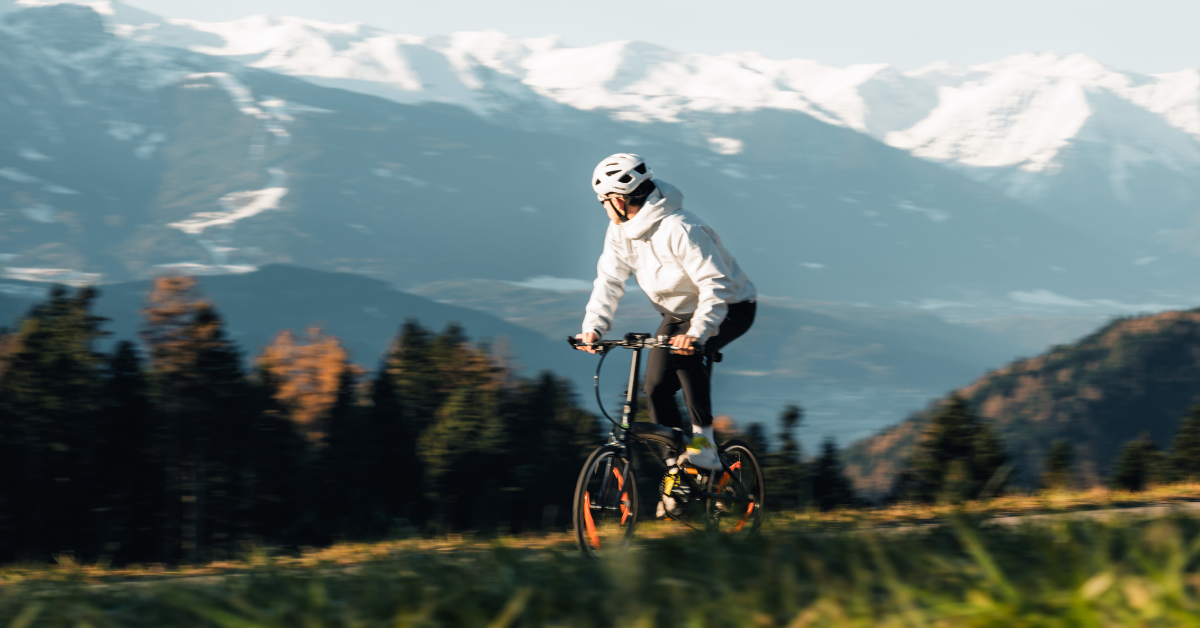
You unfold your bike on a Saturday morning, secure a handlebar pack and water, and start pedaling. Can this compact bike really take you up to 50 miles (80 km) and keep you comfortable? Many riders choose folding bikes for weekend ramblers that include trains or cars, and some push beyond typical riding limits. In this post, we look at what it takes for sustained mileage on a folding bike, and what you must consider before heading out.
Quick Look at Key Points
| Topic | Key Fact | What It Means for You |
|---|---|---|
| Realistic daily distance | 40 to 60 miles (64 to 97 km) with a light load | Good range for weekend trips and light touring |
| Small wheel performance | 20-inch wheels perform well with stiff frames | Efficient enough for long rides with proper setup |
| Gear needs | 8 or more speeds | Handles hills and flats comfortably |
| Comfort on long rides | Stiff frame plus good saddle | Reduces fatigue over full days |
| Best use | Light touring and mixed travel | Easy to combine with train, bus, or car |
Can You Use a Folding Bike for Long-Distance Touring?
Many riders successfully use folding bikes for extended point‑to‑point routes and touring. With proper setup and realistic pacing, a folding bike can serve for longer miles because the essential mechanics — drivetrain, wheels, frame — are capable of sustained pedaling. Riders often take them on mixed‑mode trips that involve combining bike segments with trains or buses before resuming cycling.
For routes around 50 miles (80 km) in a day, a bike needs comfort and a broad enough range of gears to meet hills and flats with relative ease. Traditional touring bikes usually have larger wheels and longer wheelbase for stability, but compact bikes with smart component choices can go the distance too.

How Can a Folding Bike Handle Touring?
Gear Ratios and Terrain
A critical part of sustained riding is matching your bike’s gear ratios to expected terrain. Folding bikes tend to come with fewer gear options than full‑size touring bikes. For long rides that include hills, a broad range of low to high gears lets you keep pedaling steadily without placing undue strain on your legs. Wider gear ranges handle climbs more gently and preserve energy for later miles.
On flat stretches, higher gears let you maintain a comfortable pace without spinning too fast. Pay attention to the gear inches or ratio range when choosing or tuning a bike for longer rides.
Wheel Size and Rolling Behavior
Wheel size directly influences how the bike pedals and reacts to road surfaces. Smaller wheels such as 16″ will respond quicker to steering inputs and make the bike feel nimble. Larger wheels like 20″ or even 24″ improve roll efficiency at speed and smooth bumps better. Riders planning regular long rides often lean toward 20″ wheels or larger because they balance compact size with efficient rolling.
How to Choose the Best Folding Bike for Long Rides
Selecting the right bike starts with matching it to your route and body. Here’s what to focus on:
Wide Gear Spread
Look for bikes that offer a wide range — that means enough low ratios for climbs and high ratios for flats. A narrow spread can make hills feel much harder.
Wheel Size Around 20 Inches or Larger
20″ wheels make riding over cracks and uneven pavement less jarring while retaining most folding convenience.
Comfortable Riding Position
Frame geometry and adjustable seat/handlebar positions reduce fatigue over time. A relaxed posture helps on rides that add up in miles.
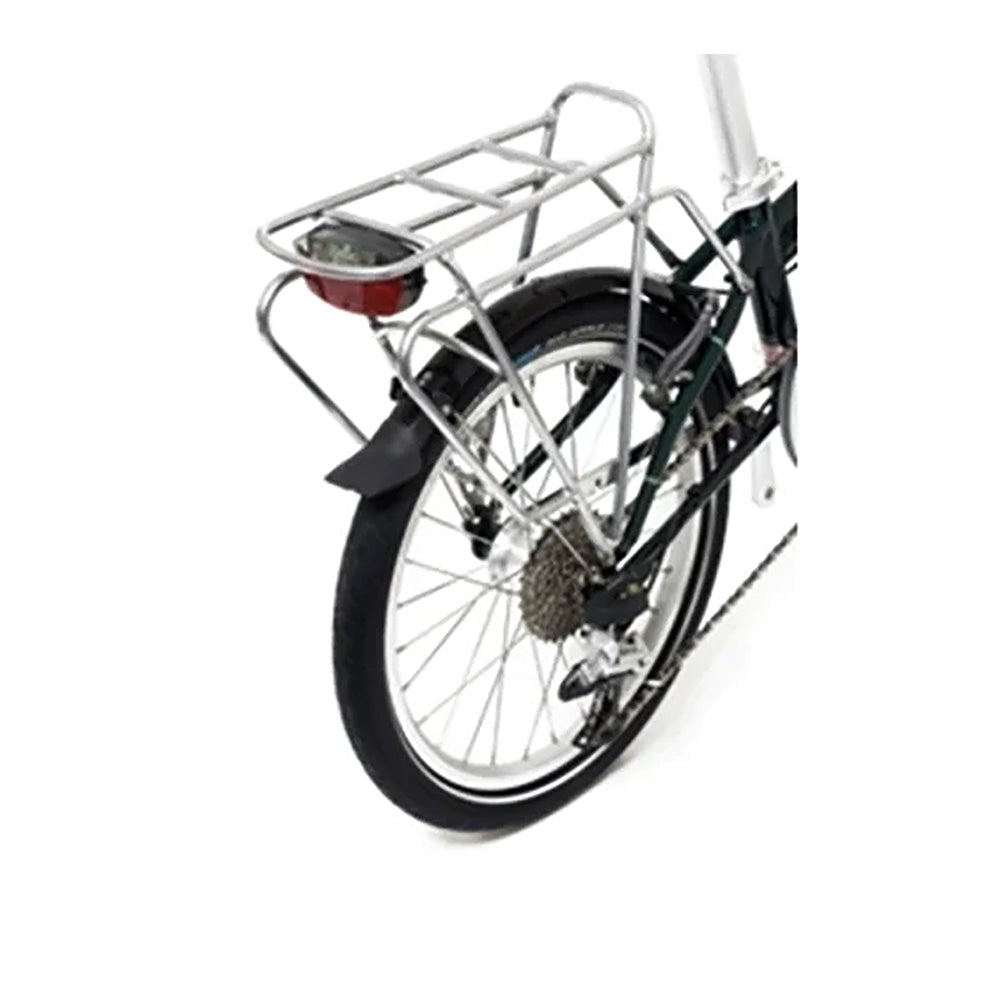
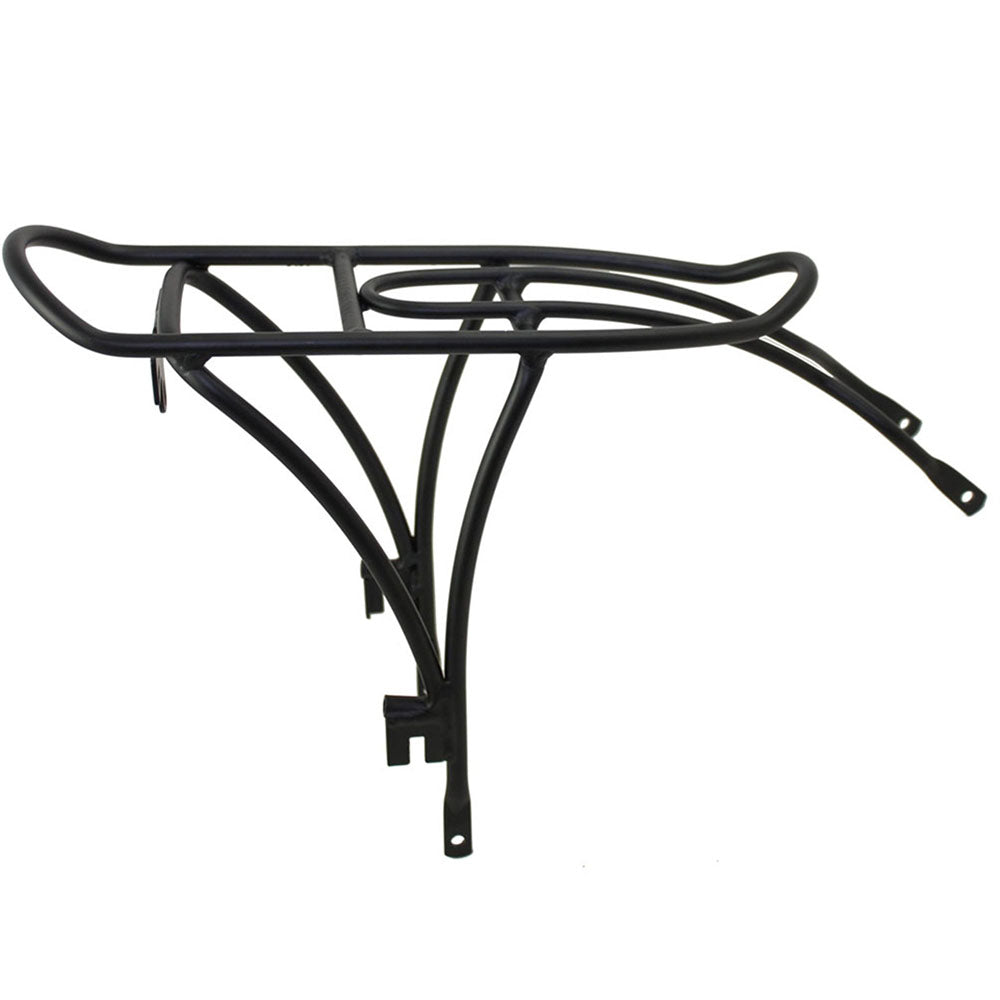
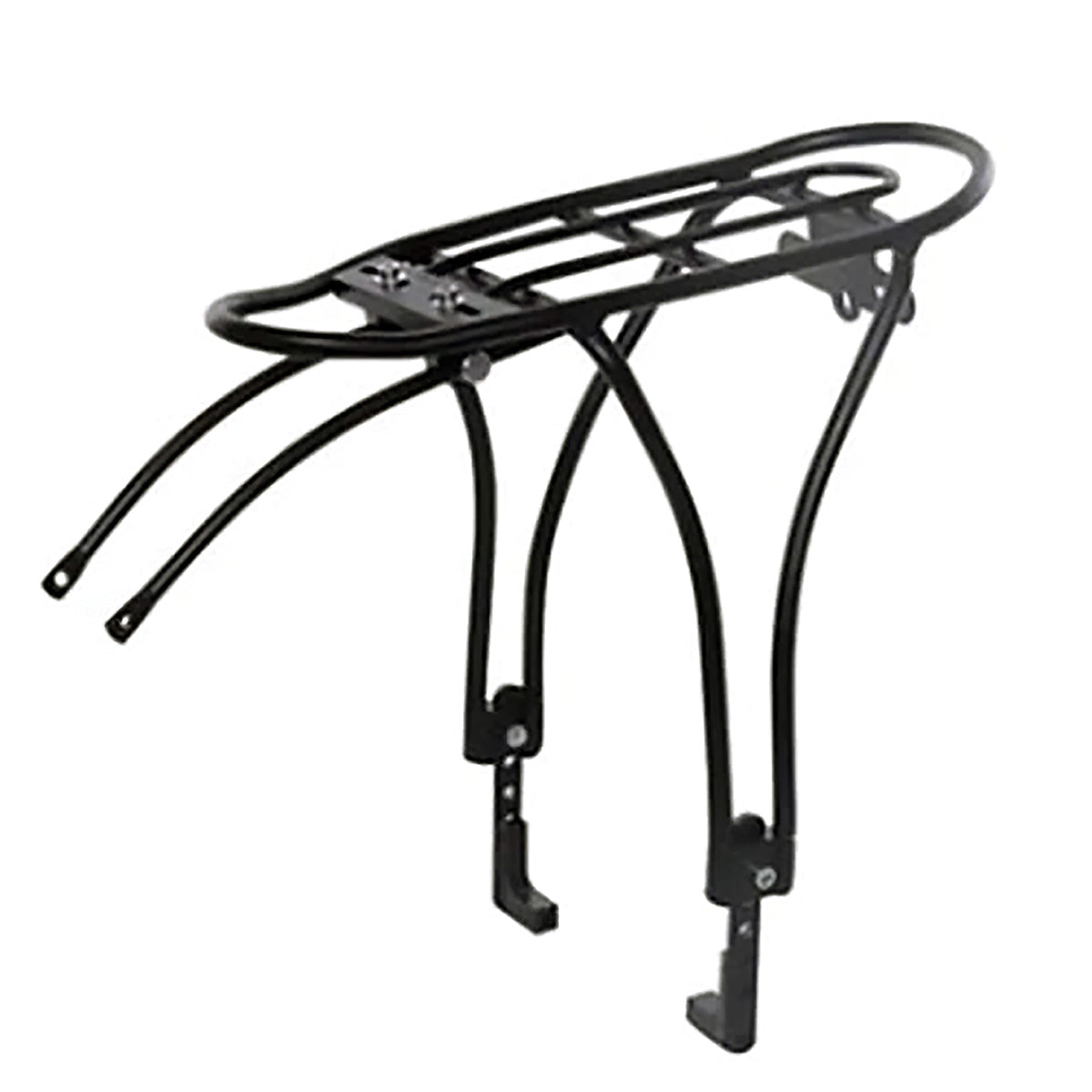
Accessory Mounts
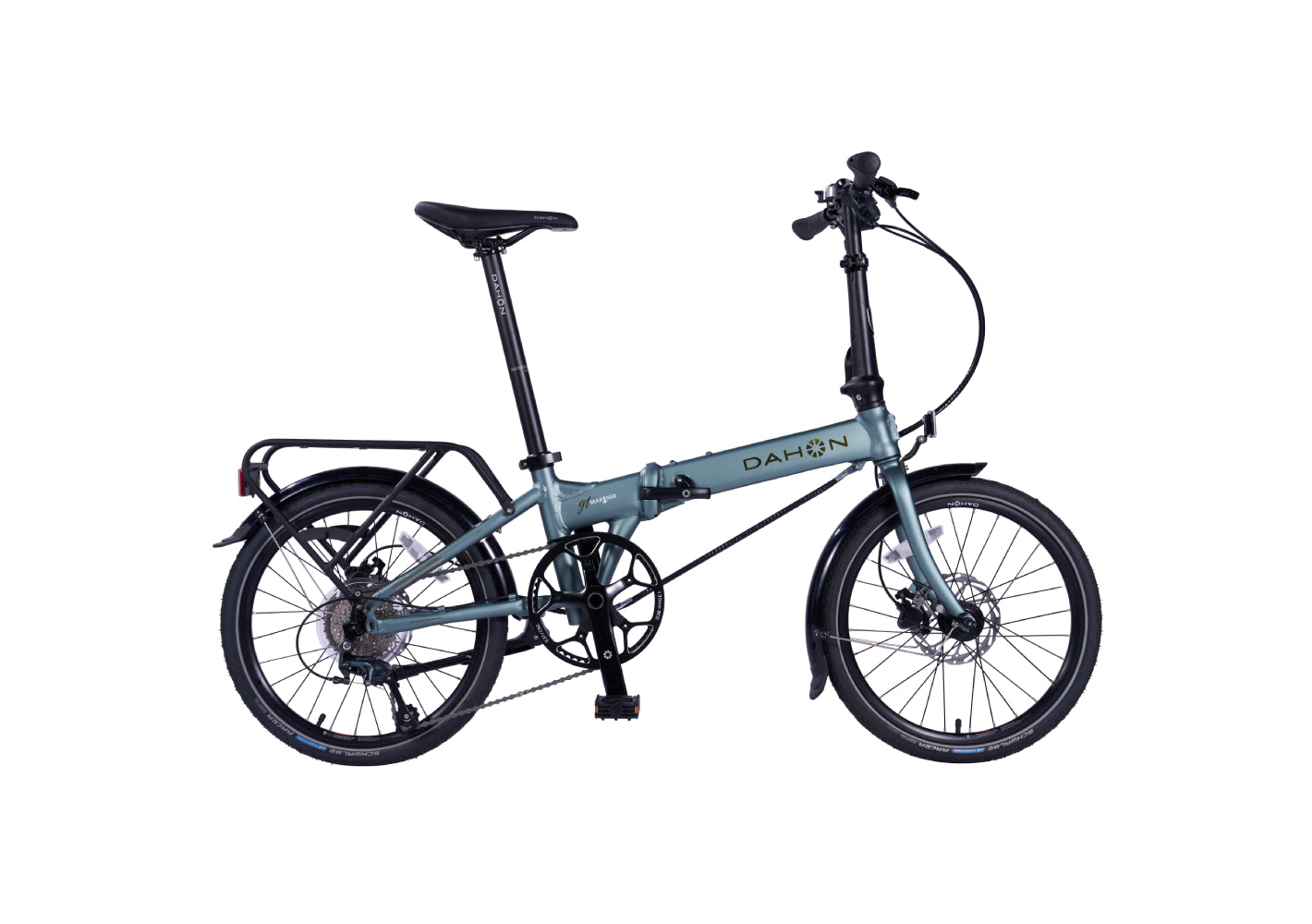
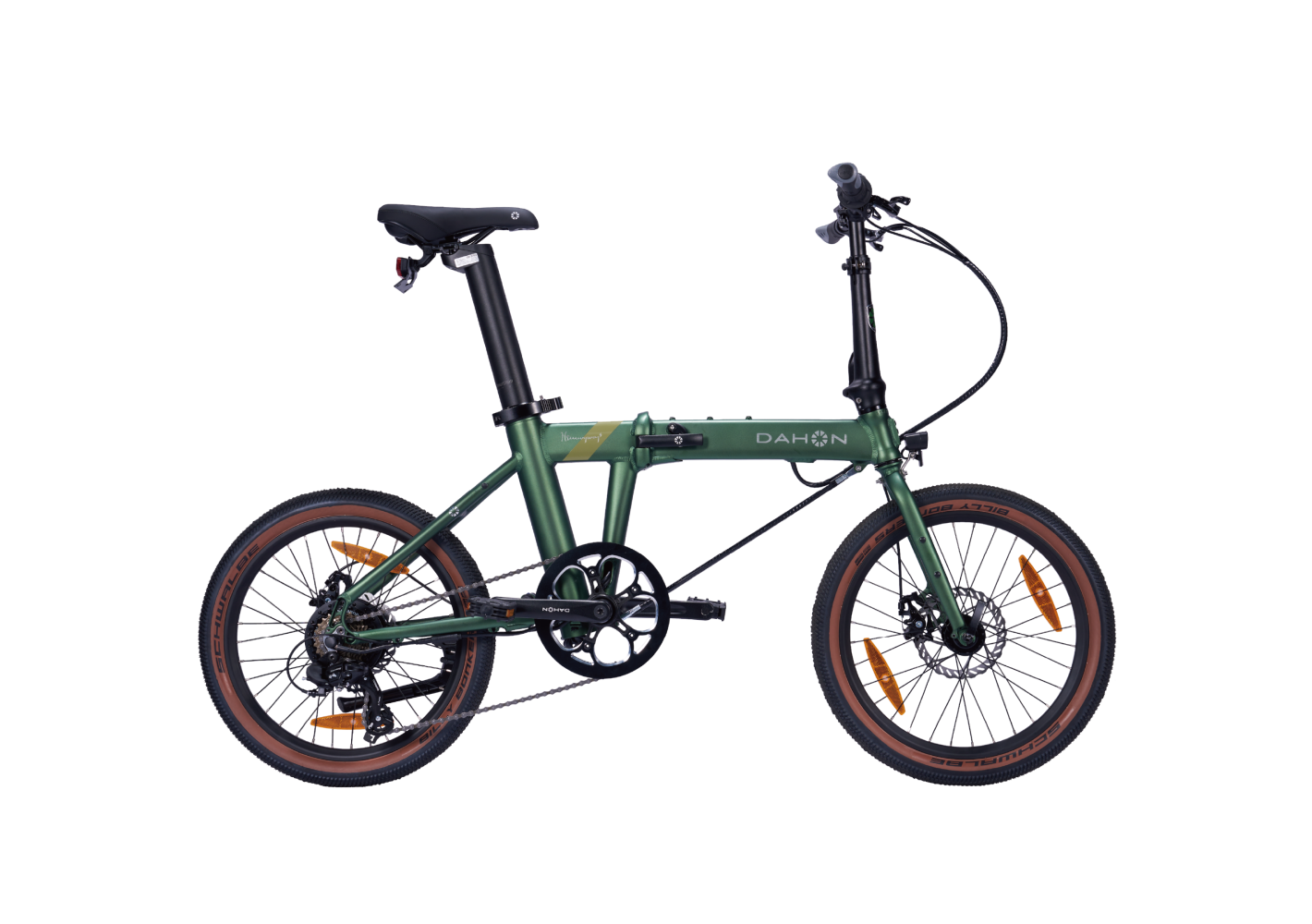
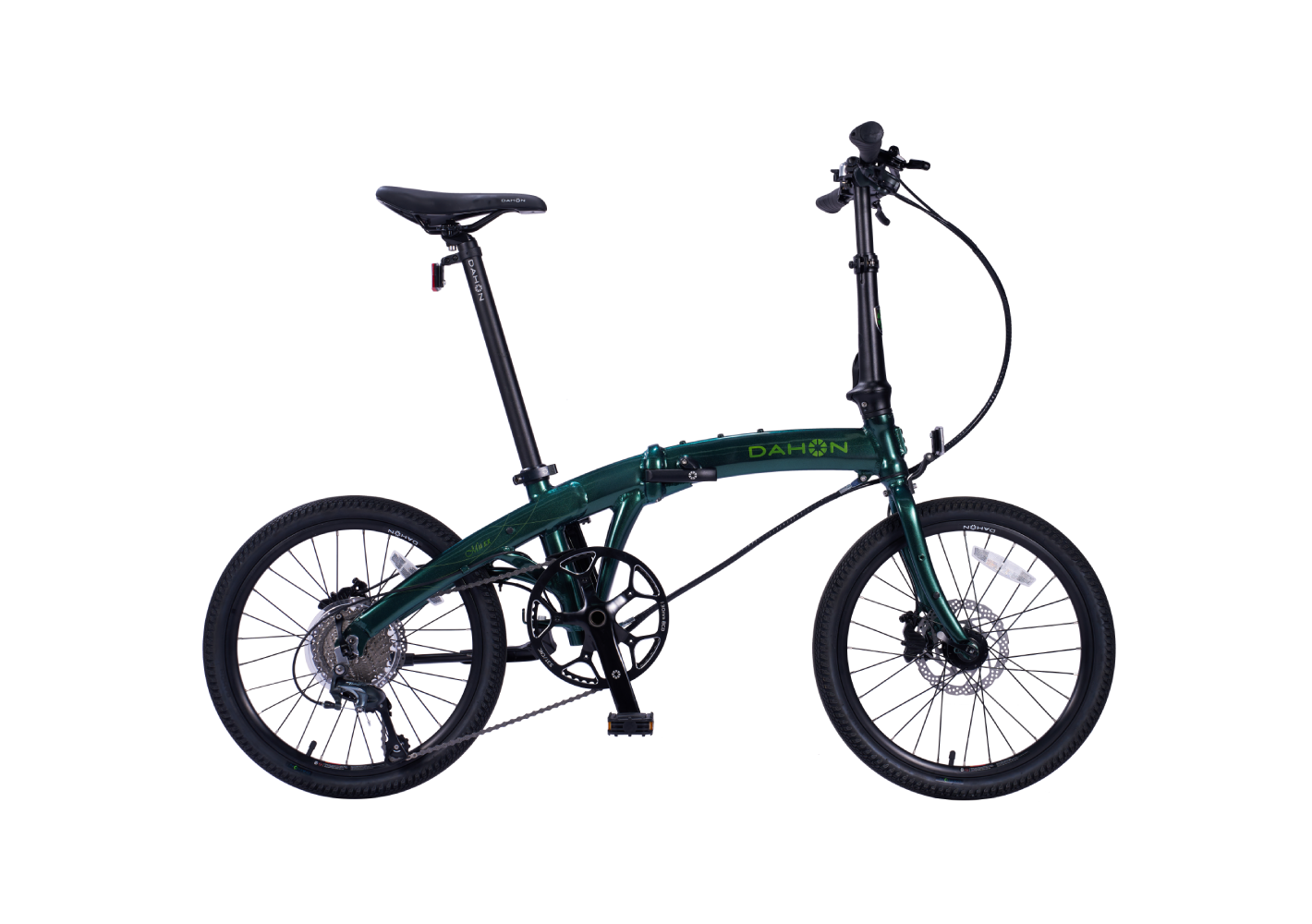
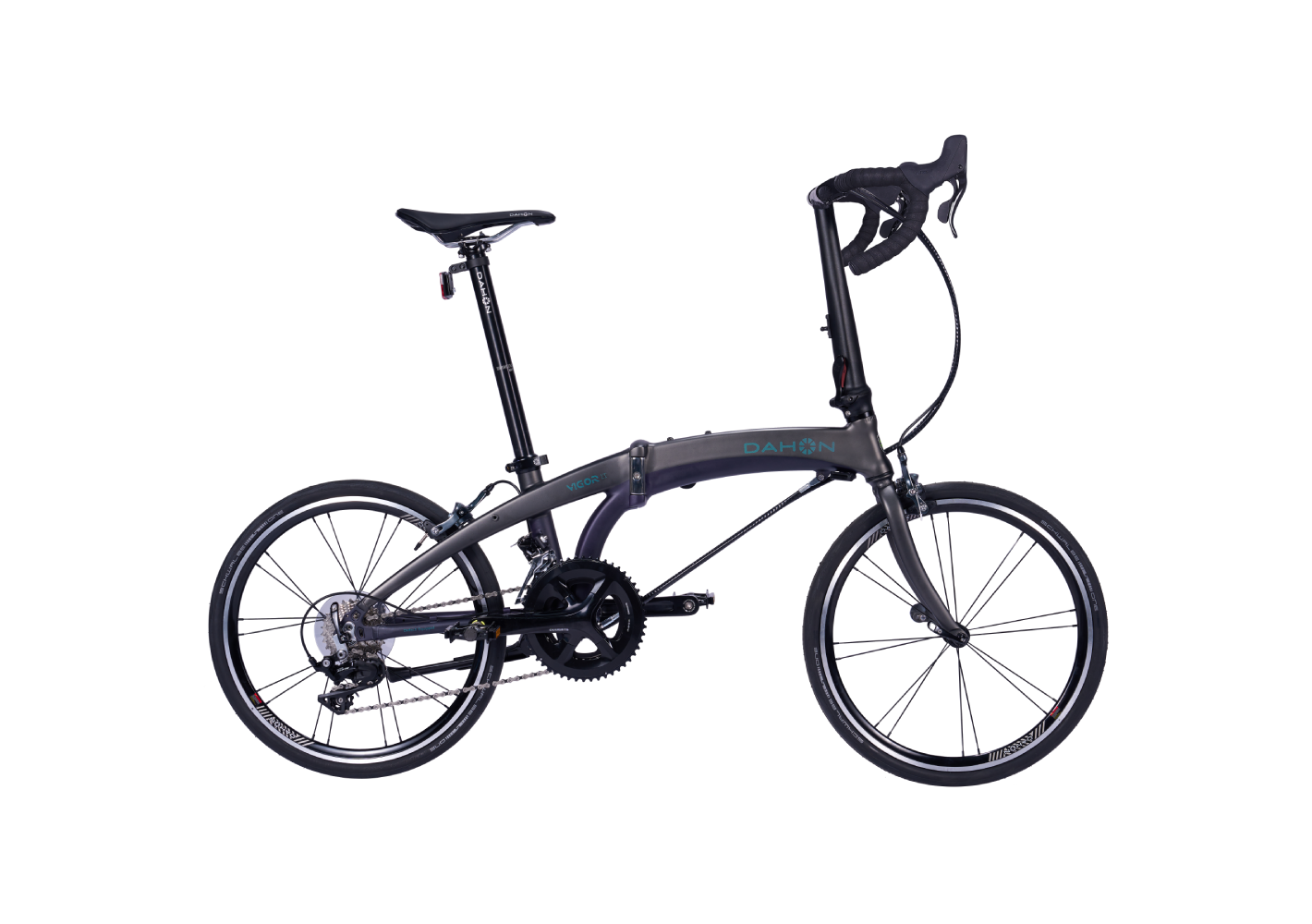
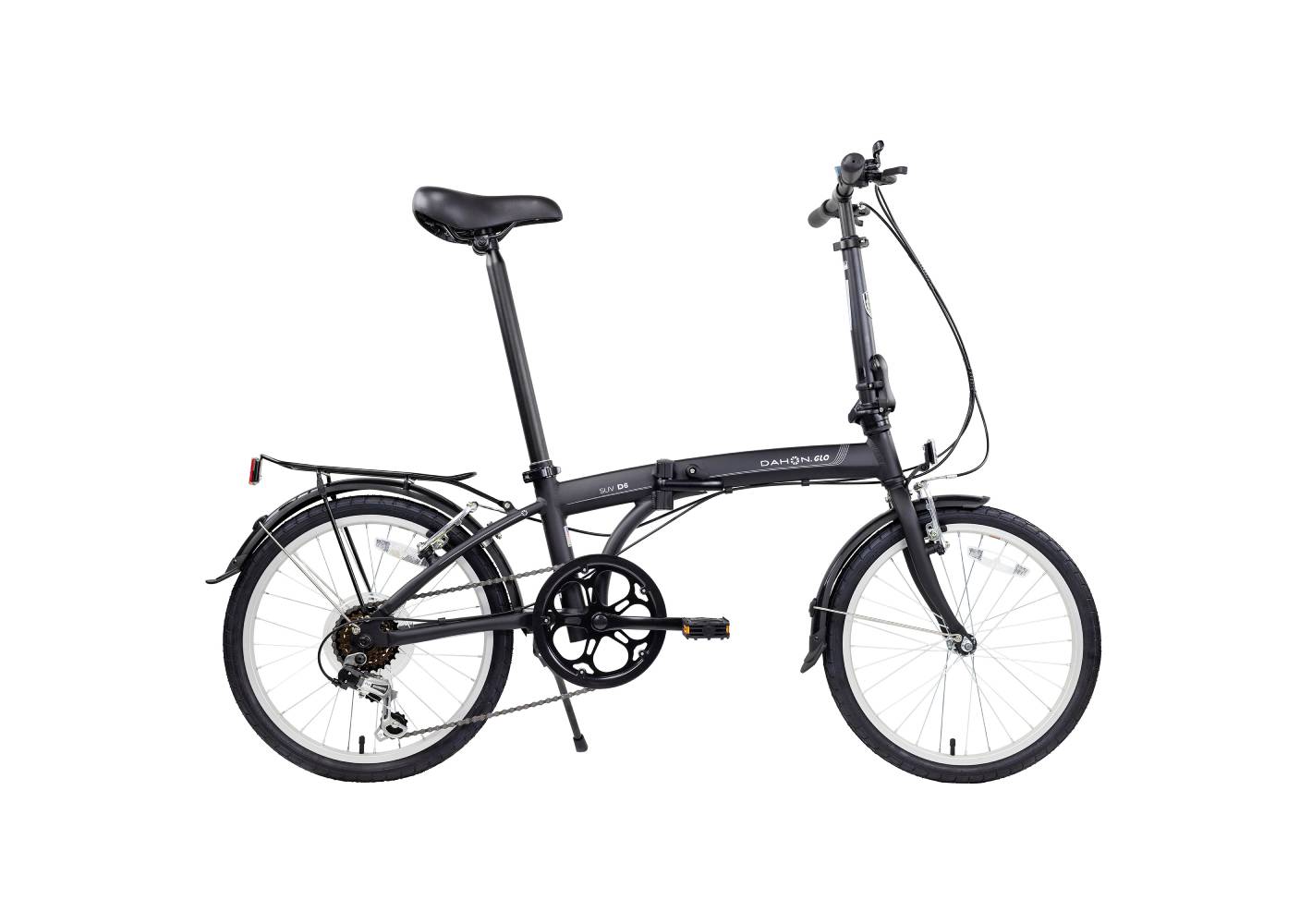
Reliable mounting points for racks, lights, and bags make packing easier for extended rides. A model like the DAHON MU D11 long distance setup offers a balanced gear range paired with a robust frame and components that support sustained riding while still folding for storage or transport.
What a Folding Bike Can and Cannot Do
Strengths of Folding Bikes
- Compactness: Folding bikes collapse into small packages that fit easily in car trunks, train spaces, or apartments.
- Multi‑mode travel: You can ride, then quickly fold and board public transit to continue.
- Ease of storage: Compact size makes storage convenient in tight spaces.
Limitations to Note
- Feels different from road or touring bikes: Smaller wheels and shorter wheelbase change how the bike responds at speed or over rough surfaces.
- Gear spread matters more: Compact bikes with limited gears can make hills tough unless tuned properly.
Understanding these traits helps you align expectations with real‑world performance.

How to Prepare for a Longer Ride with a Folding Bike
Good preparation widens what’s possible. Here’s how:
Check Gear Range Before You Go
Make sure your range covers expected hills and flats so you don’t run out of easy gears.
Adjust Fit for Comfort
Saddle height, handlebar reach, and riding posture affect how quickly your legs tire. Small adjustments can cut strain on long miles.
Train With Incremental Mileage
Build up from shorter rides to moderate ones of 20–30 miles (30–50 km) before attempting 50‑mile (80 km) days. This develops stamina.
Pack Light but Complete
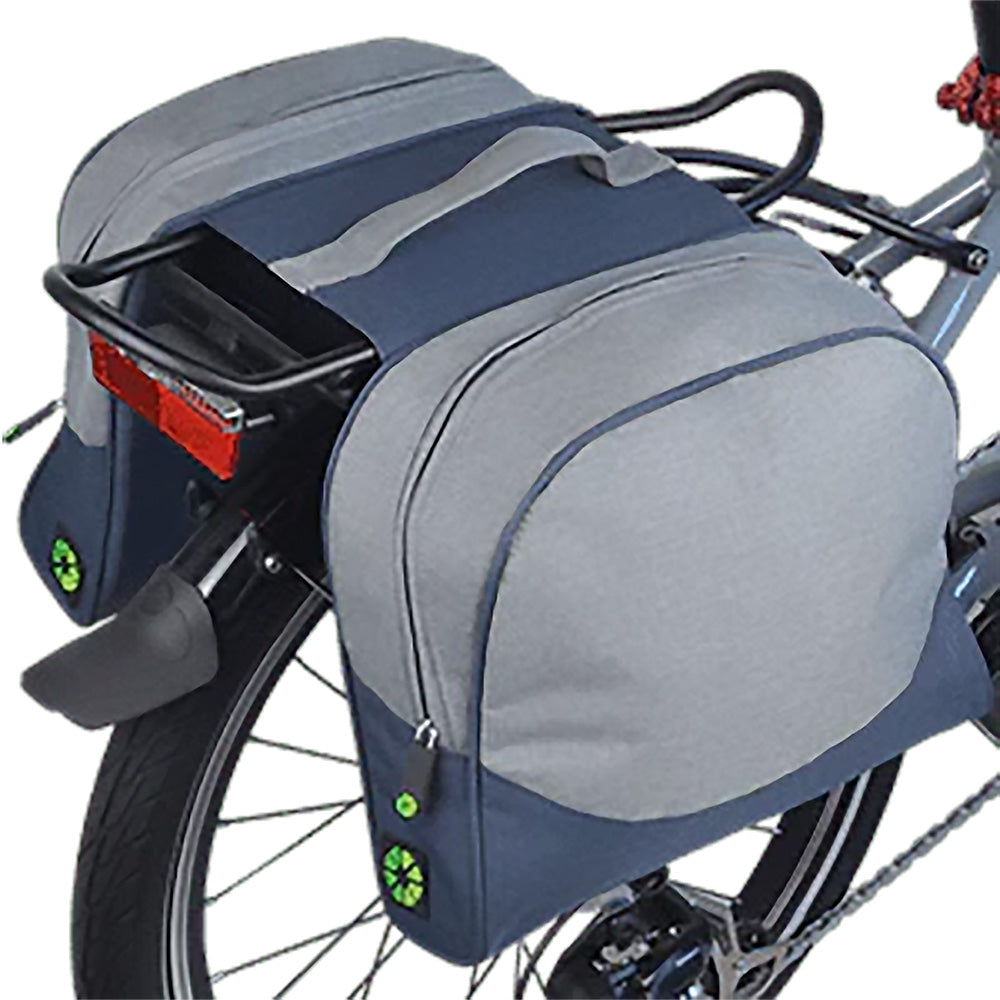
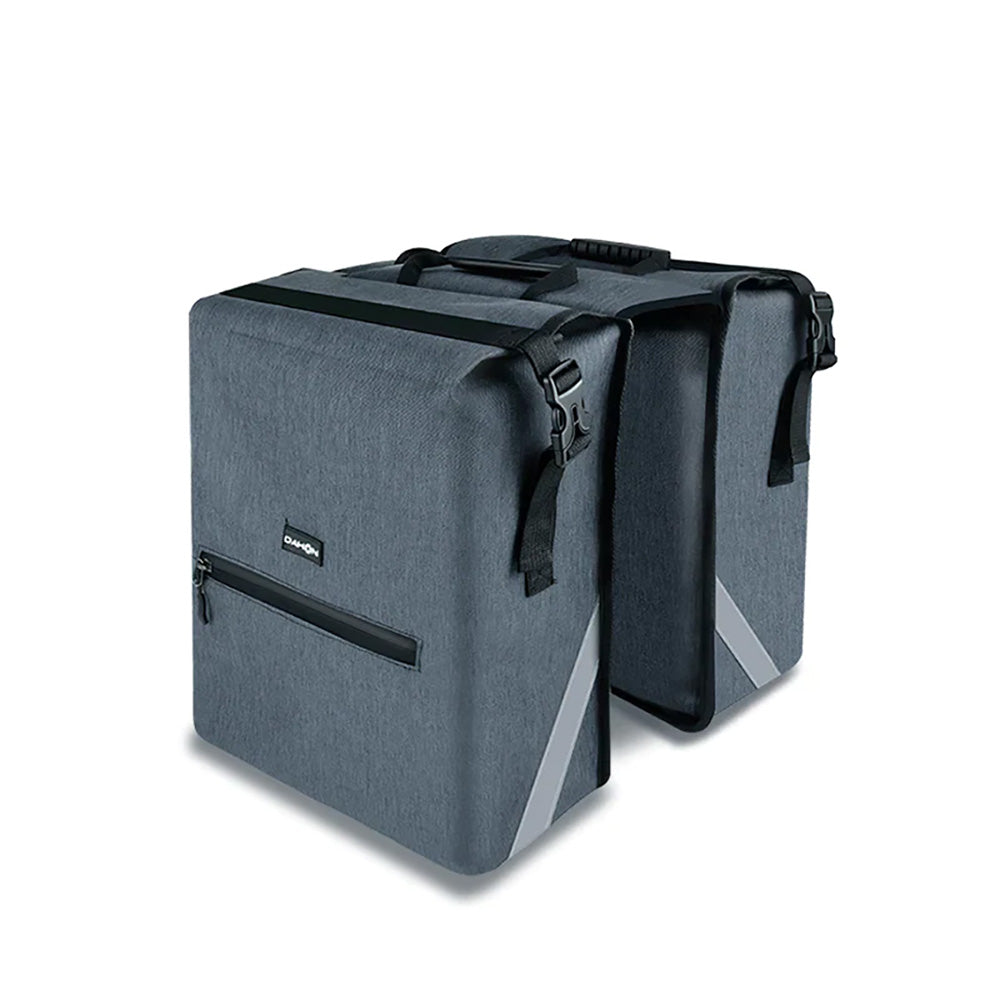
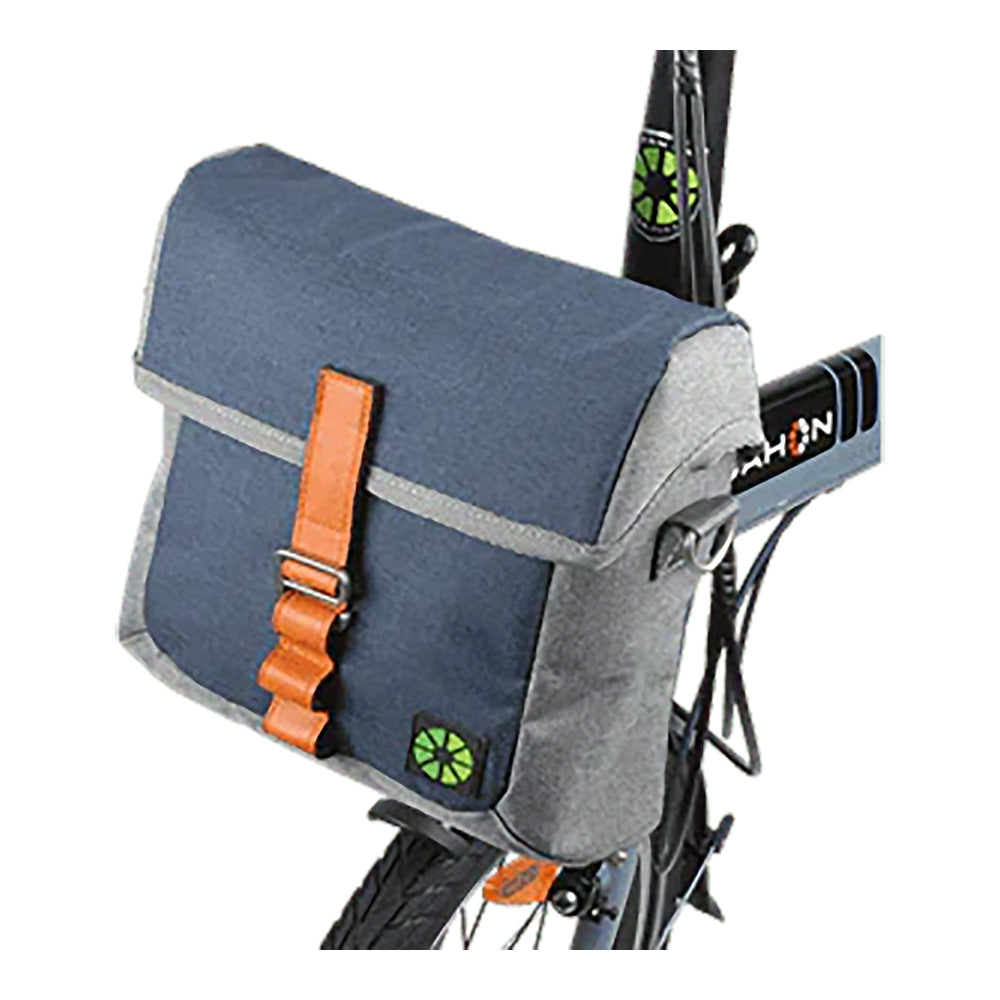
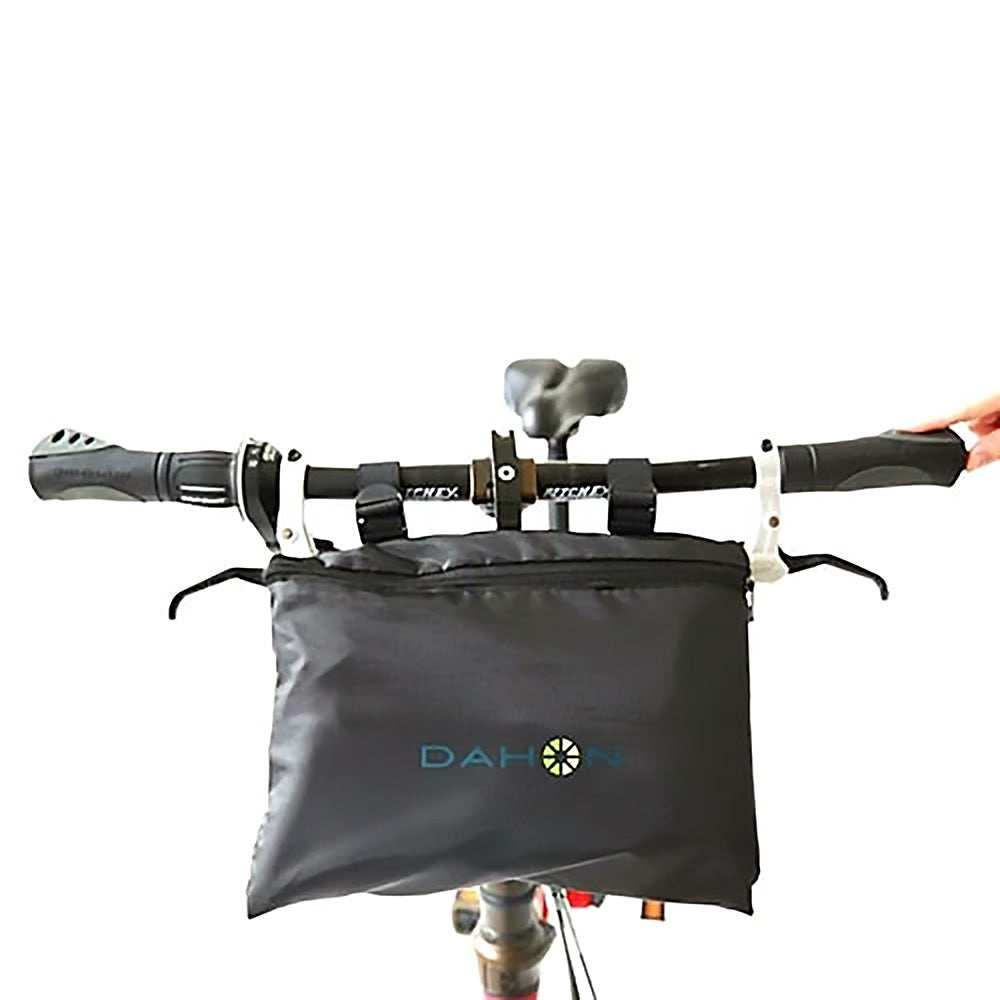
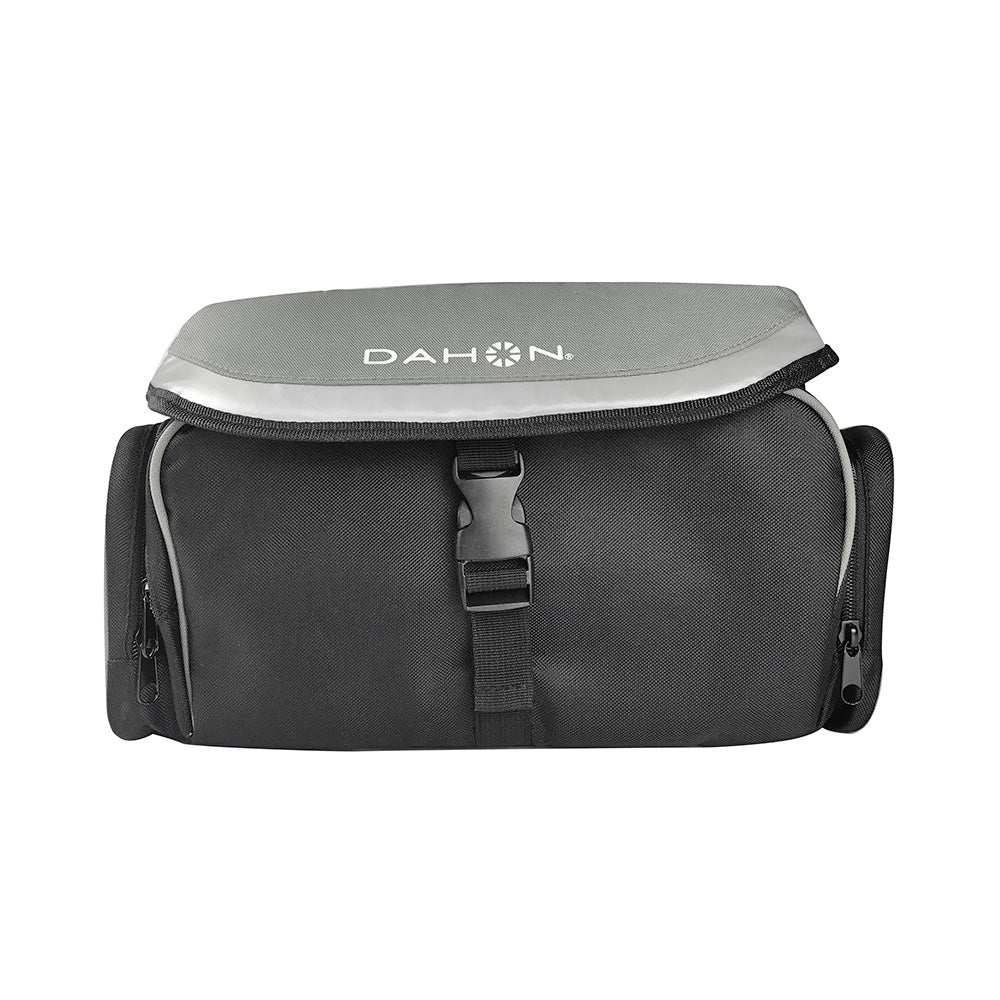
Bring essentials like tools, spare tubes, nutrition, and water. Use panniers or frame bags designed for your bike to keep weight balanced.
How to Care for a Folding Bike After Long Rides
Proper care ensures your bike stays ready for more:
Clean and Lube the Drivetrain
Dirt buildup wears chains and gears faster. A clean, lubricated drivetrain shifts smoothly and lasts longer.
Inspect Wheels and Tires
Check for cuts or wear and confirm correct tire pressure before each ride.
Ensure Folding Mechanisms Stay Solid
Folding joints and locks must be clean and snug so they won’t loosen or creak mid‑ride.
Check Brakes
Brakes should feel solid and consistent. Safety matters most when you’re tired after long mileage. These steps boost reliability and confidence on future rides.
Conclusion
A folding bike can be a capable companion on longer rides when it’s well prepared with the right gear range, comfortable setup, and thoughtful pacing. Compact design adds transport and storage convenience that traditional bikes cannot match, and riders who give attention to gearing, wheels, and training can expect solid performance on rides up to 50 miles (80 km) and beyond. Review DAHON’s lineup to see models suited to your plans and set out with confidence on each ride.
FAQs
Q1: Can you add panniers or racks to a folding bike for touring?
Yes. Many folding bikes accept racks and panniers made for compact or standard frames, letting you carry essential gear securely.
Q2: How many miles is realistic in one day on a folding bike?
Many riders find up to 50 miles (80 km) doable with proper gearing and pacing, especially on paved routes.
Q3: Do folding bikes need special maintenance for regular long rides?
Basic checks like chain cleaning, tire care, and hinge inspection keep them reliable. No special tools are needed.
Q4: Is an electric folding bike better for long distance than a regular one?
Electric assist can reduce effort on hills and extend daily distance, though battery range and additional weight are important considerations.











Share:
Flying with a Folding Bike: How to Skip the Fees and Travel Light
Folding Bike Wheel Size: 14-Inch, 16-Inch, or 20-Inch?