

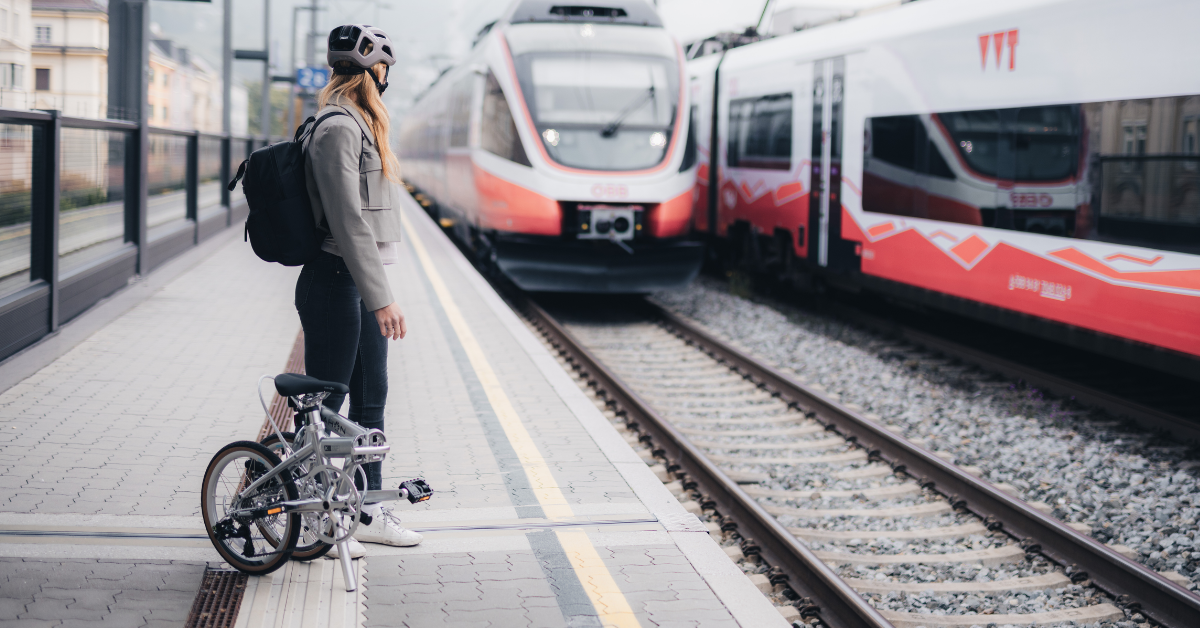
Your flight is booked and your folding bike is sitting in the hallway. The question is simple: can it go with you, and what will it cost? Traveling with a folding bike is genuinely different from flying with a standard bicycle, and the difference usually comes down to a few hundred dollars. Here is what you need to know before you check in.
| Strategy | Best For | Likely Cost | Risk Level |
|---|---|---|---|
| Pack in a suitcase or travel bag | 16" bikes; some 20" bikes | $0–$45 (standard bag fee) | Low |
| Declare as a bicycle | Any size | $30–$150+ per leg | Low, but varies |
| Carry on board | 14"–16" ultra-compact | $0 | Medium (airline-dependent) |
The first option is the key advantage folding bikes have over standard bicycles. A regular road bike cannot fit in a suitcase. Many folding bikes can.

Why Folding Bikes Get Different Treatment at Airports
A standard bicyclegets declared as sporting equipment at check-in. That triggers a specialty item fee that ranges from $30 to $150 or more, depending on the airline, on top of whatever you would normally pay for a checked bag.
A folding bikedoes not have to be declared as a bicycle at all. If the packed bike fits within standard checked baggage size and weight limits, it travels as a regular bag. You pay the standard bag fee, not the bike fee.
That gap matters.
- American Airlines: The first checked bag fee is around $35–$50 (prepaid online is cheaper; $45–$50 at the airport for many domestic routes). Properly packed bicycles or folding bikes in a hard-sided case or bike bag are now charged only at the standard checked bag rate, with no additional oversize fee (previously often $150).
- Delta: Bicycles and folding bikes travel at the regular checked bag rate with no oversize fee, as long as they are under 115 linear inches (292 cm) and 50 lbs. This makes Delta one of the most folding-bike-friendly carriers.
- Southwest: The first two checked bags are often free or low-cost depending on your fare and booking date. A properly packed folding bike under 62 linear inches / 50 lbs usually flies at no extra cost; larger packs (63–115 inches) are generally treated as regular or sports equipment. Confirm at booking as policies can vary.
In all, the folded bike, inside its container, must stay within the airline's standard baggage size and weight limits. That is where wheel size and packing method become the deciding factors.
What the Major U.S. Airlines Actually Charge
Policies vary, and the size limit is the detail that matters most. Here is a current summary of how major U.S. carriers handle folding bikes packed as checked luggage. Fees and policies shift, so confirm with your airline before travel.
- American→Specialty and Sports Equipment
- Delta→Sporting Equipment
- United→Sports Equipment
- Southwest→Sports Equipment
| Airline | Size Limit for Standard Rate | Standard Bag Fee | Notes |
|---|---|---|---|
| American | 62 linear in. (157 cm) / 50 lbs | $35–$50 (prepaid online cheaper) | Properly packed bikes charged as standard bag; no additional oversize fee if in hard case and pedals/handles prepared. |
| Delta | 115 linear in. (292 cm) / 50 lbs | ~$35–$45 | One of the most folding-bike-friendly; no oversize fee for bikes under the limit. |
| United | 62 linear in. (157 cm) / 50 lbs | ~$35–$50 | Usually treated as standard baggage when properly packed. |
| Southwest | 62 linear in. (157 cm) / 50 lbs | Often free (first 1–2 bags) | Under 62" usually free; larger packs generally treated as regular baggage—confirm at booking. |
Deltare mains one of the most bike-friendly carriers: bicycles packed properly travel at the regular checked bag rate as long as they are under 115 linear inches (292 cm) and 50 lbs. Oversize fees are generally not applied for sporting equipment meeting these limits.
Southwest is the most affordable if your packed bike fits within 62 linear inches.
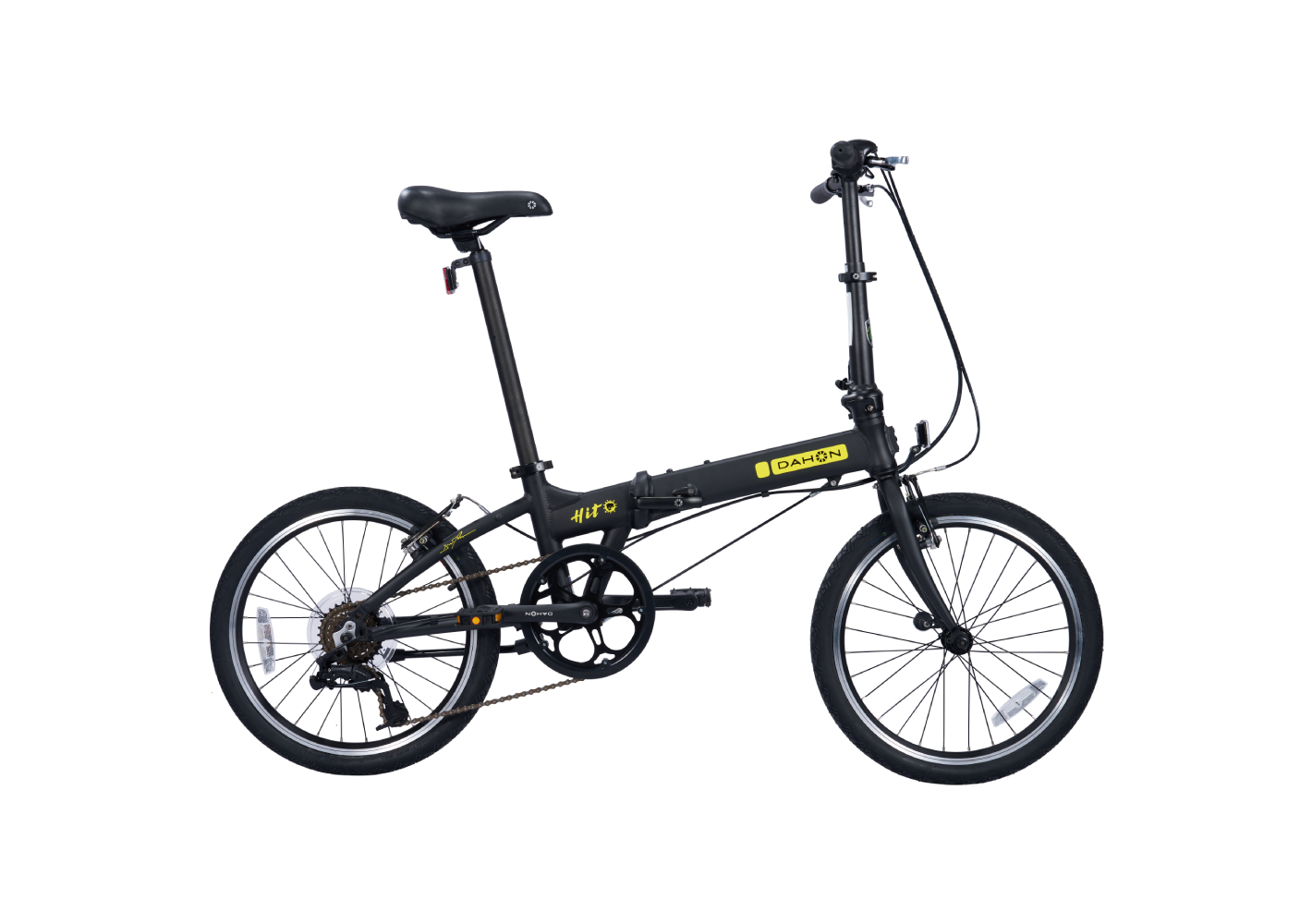
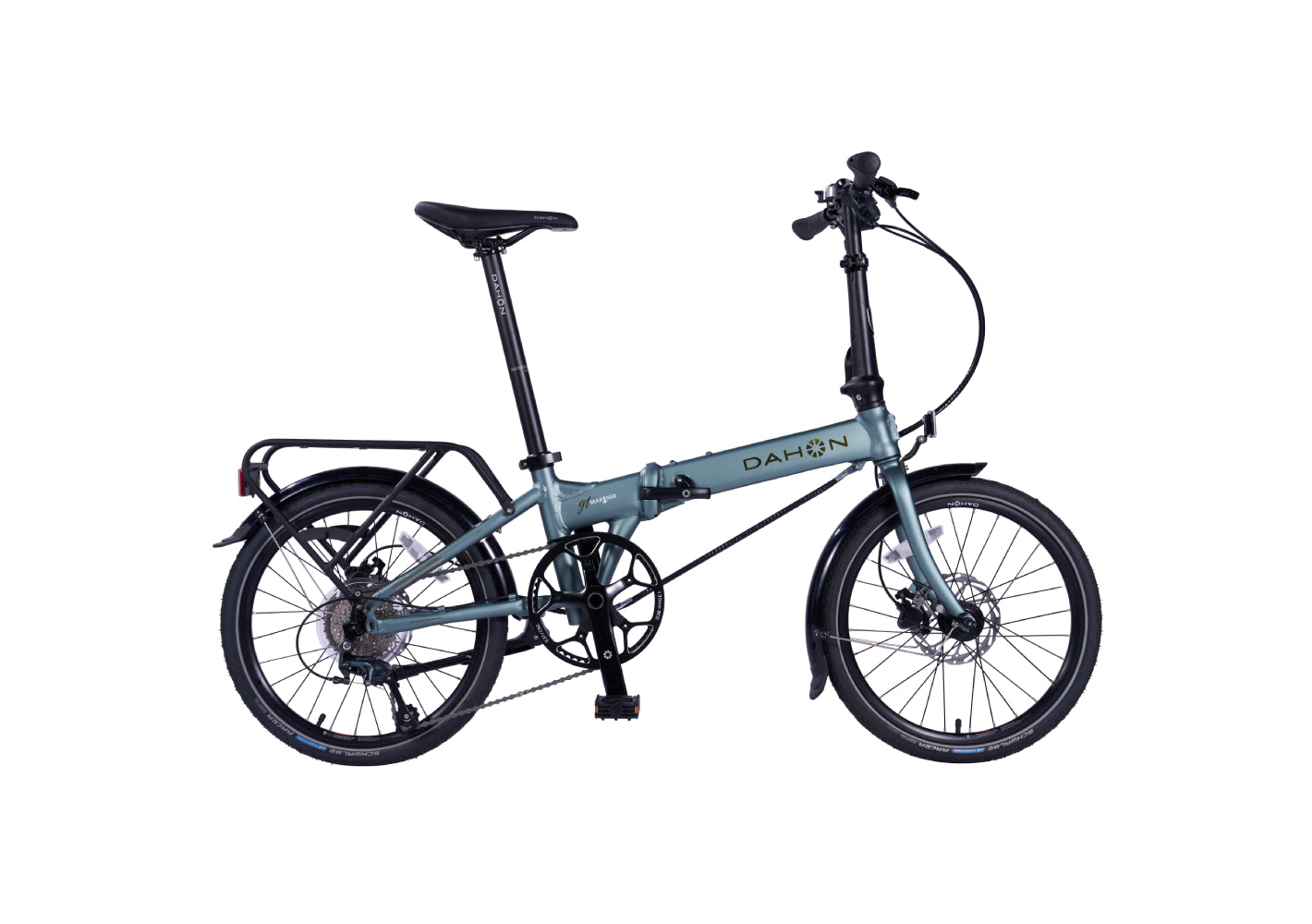
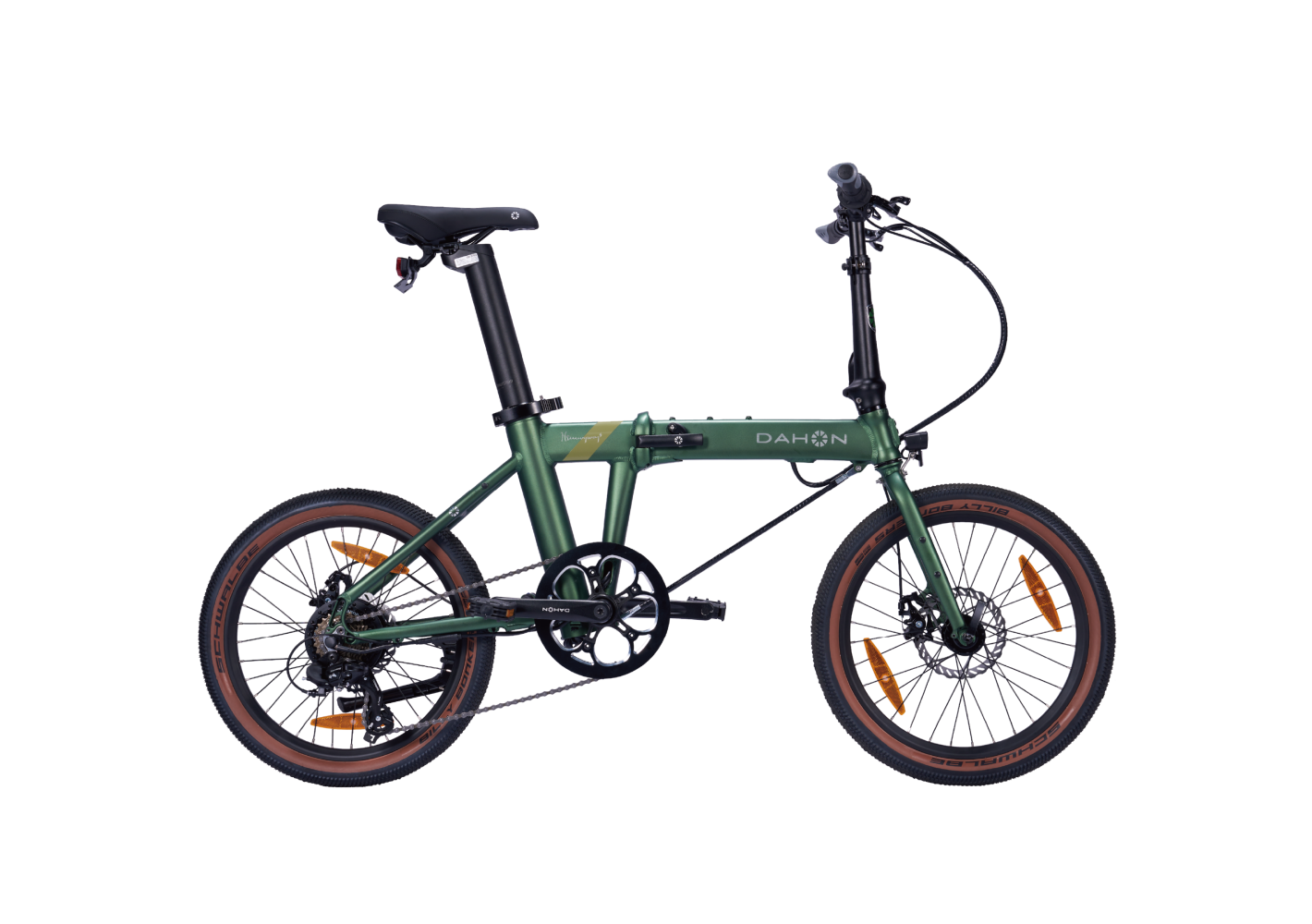
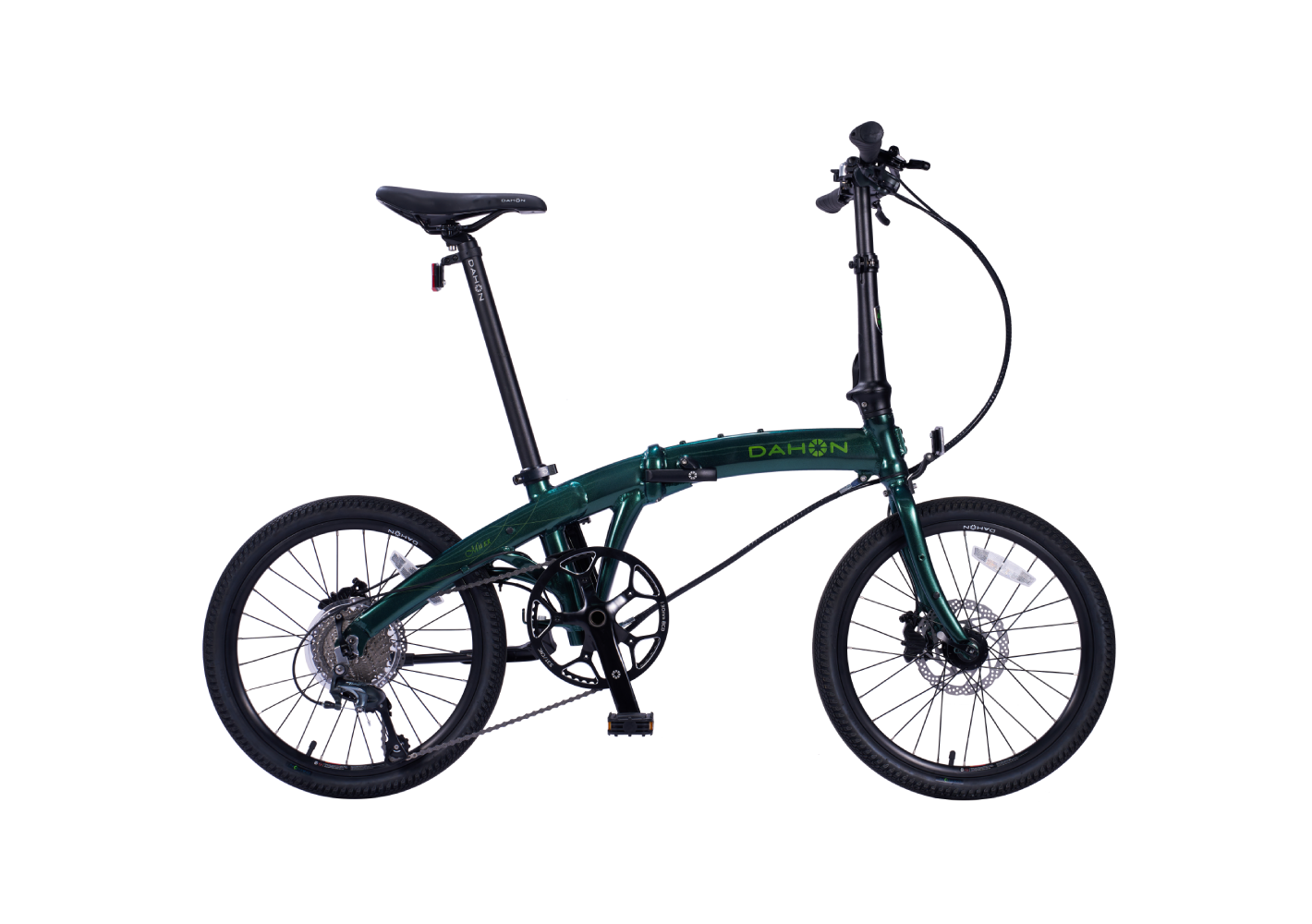
A well-packed 16-inch folding bike easily stays within 62 linear inches on most carriers. A 20-inch model (e.g., Dahon Mariner GT folds to approximately 32.3 × 15.0 × 26.0 in ≈ 73.3 linear inches) is often borderline or exceeds 62 inches on American/Southwest/United, but comfortably fits within Delta’s 115-inch allowance.
Always check your bike’s folded dimensions against the airline’s size limits before booking.

How to Pack a Folding Bike for a Flight
Packing determines your cost. A bike in a purpose-built bike box counts as"sporting equipment" at check-in. A bike in a suitcase or a soft travel bag does not.
Steps to Pack
- Fold the bike completely and confirm the folded dimensions against your airline's size limits before you pack anything.
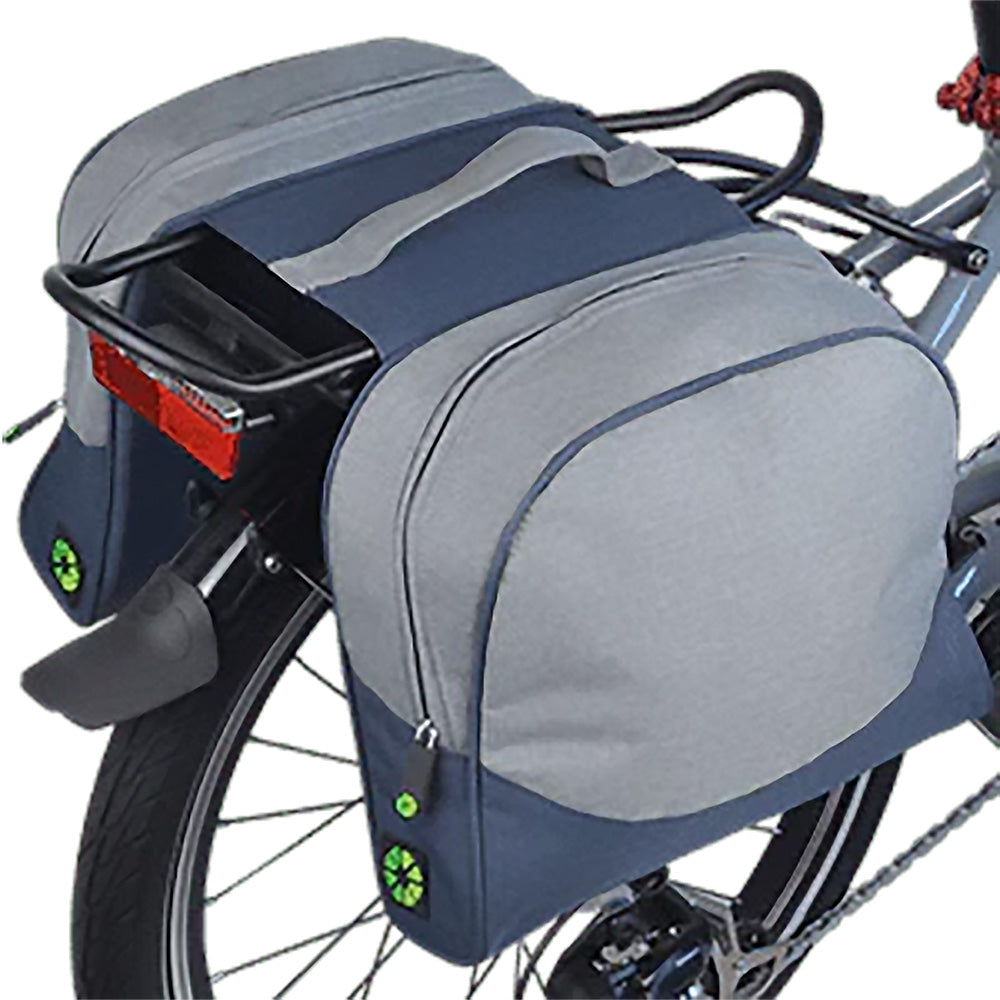
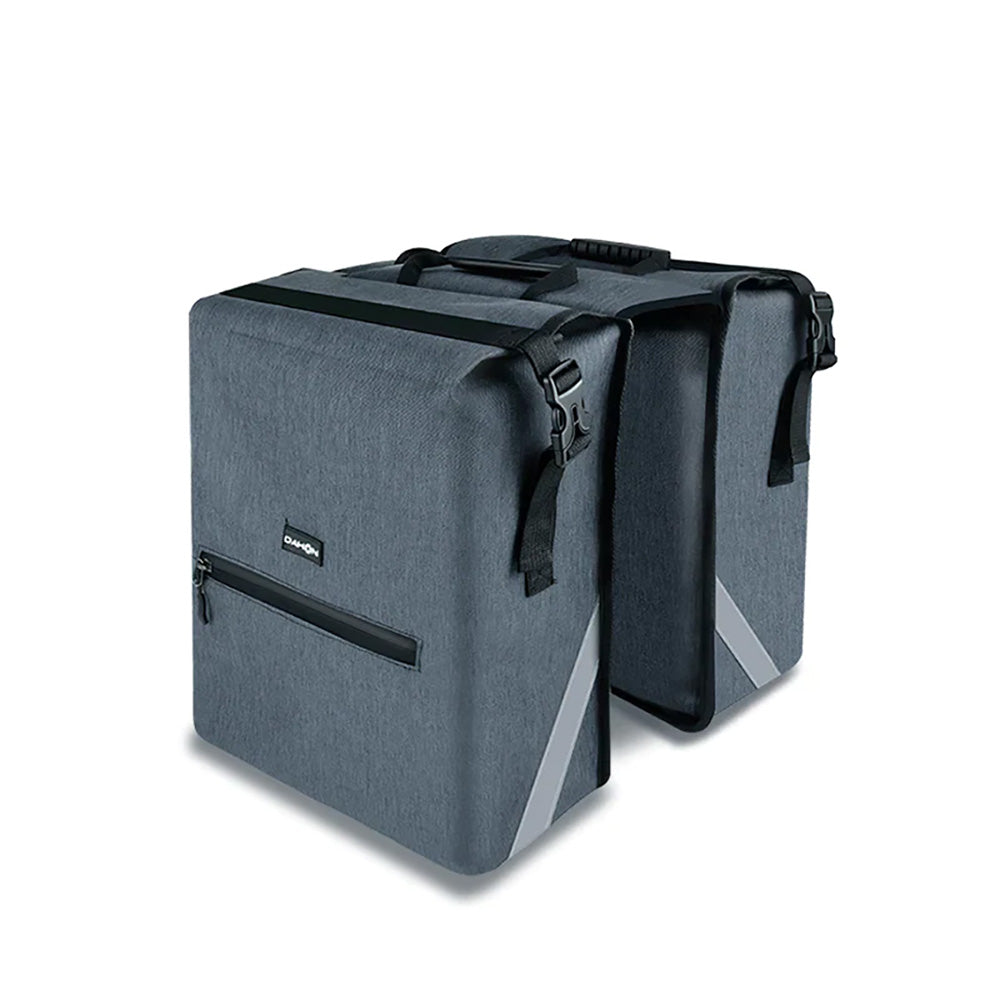
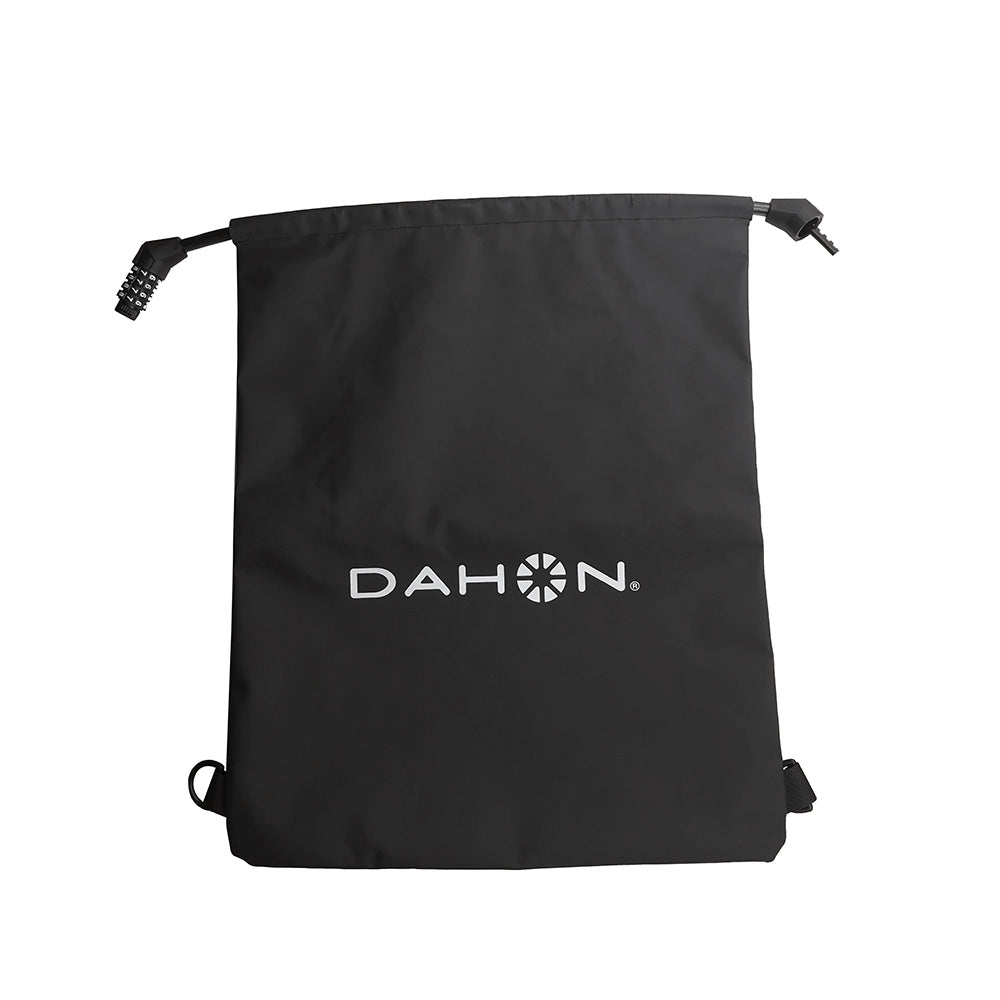
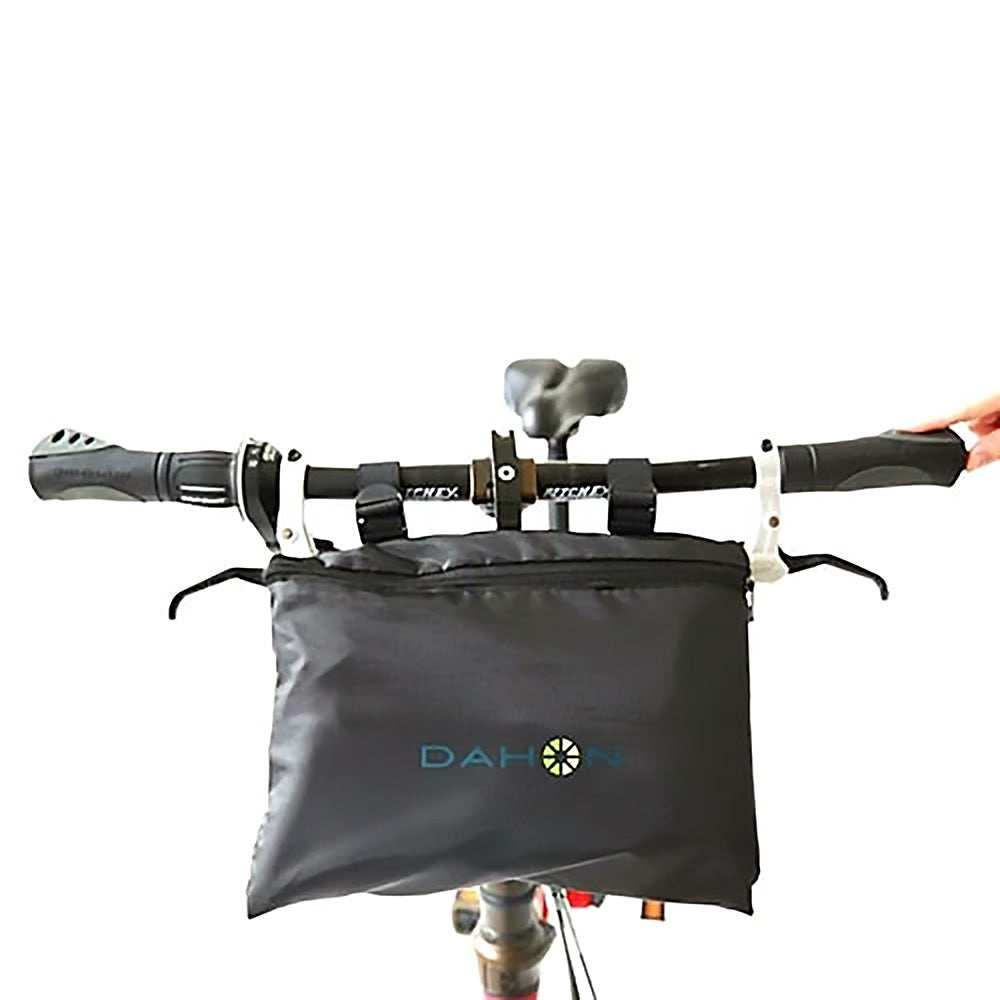
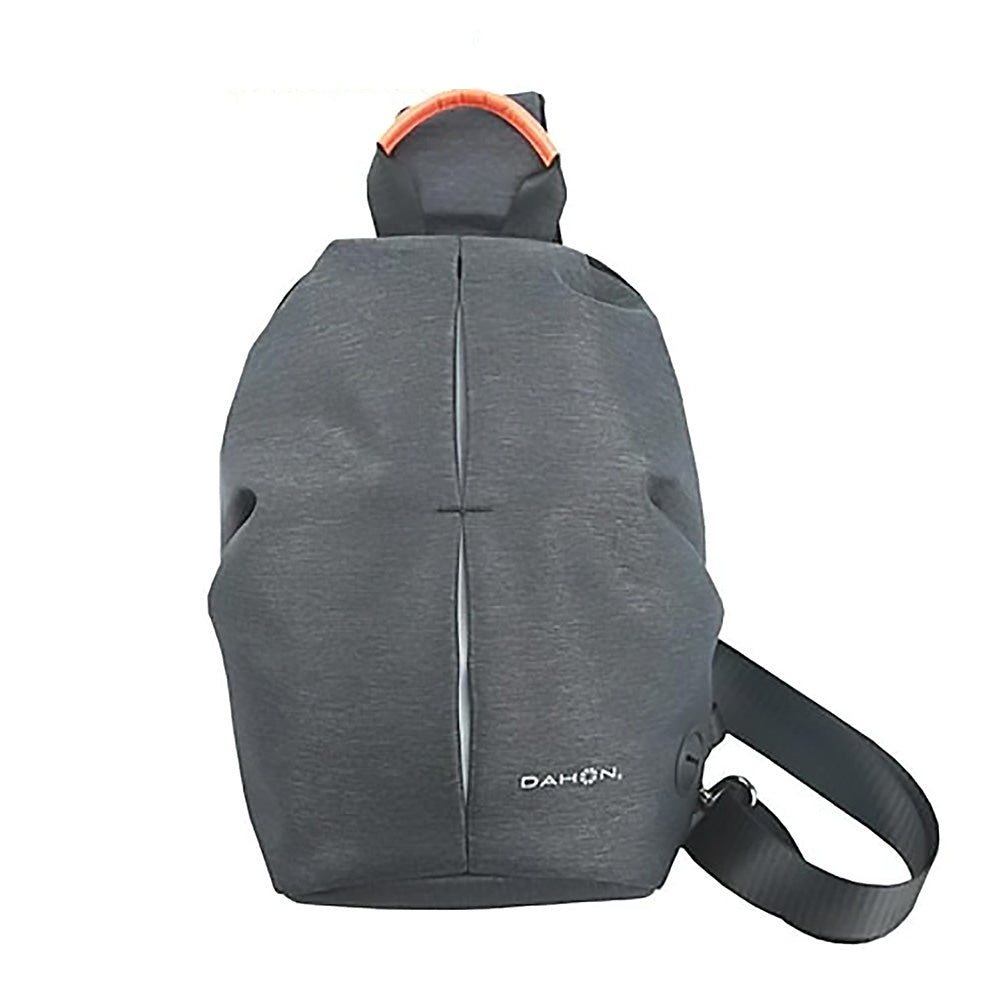
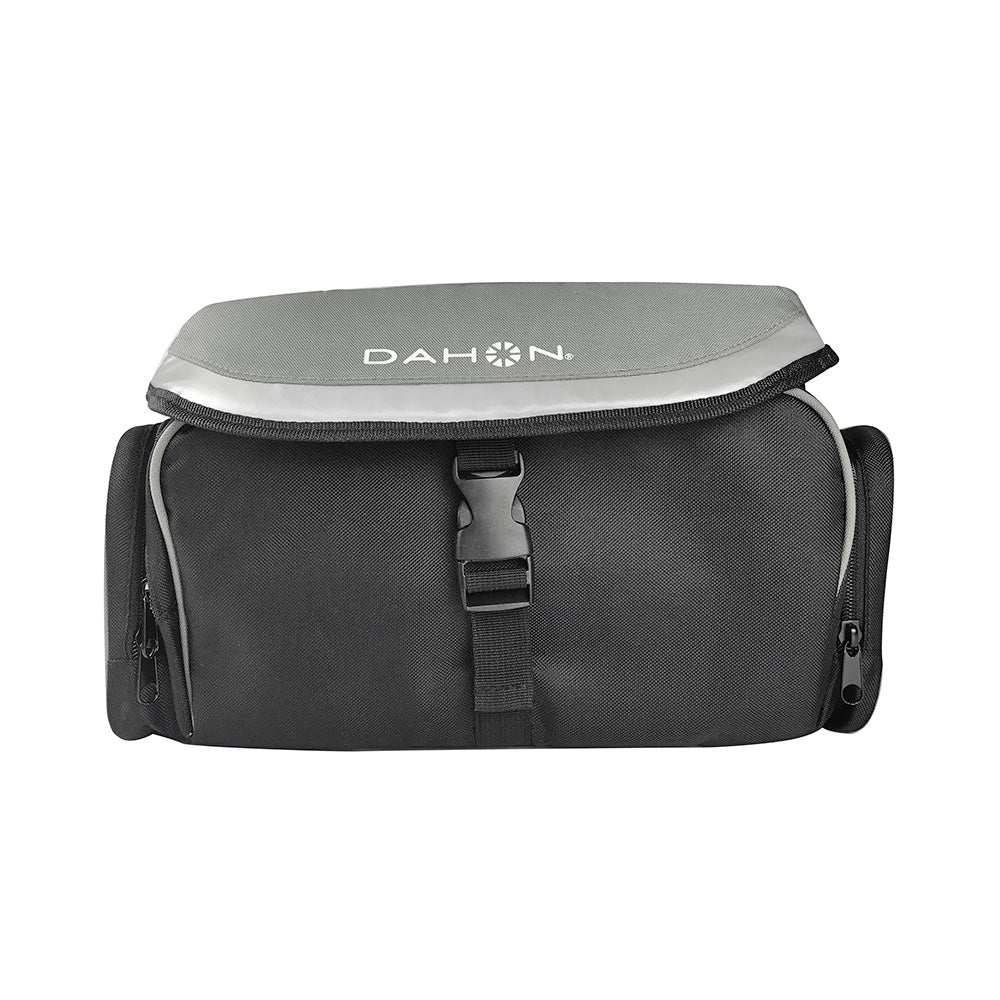
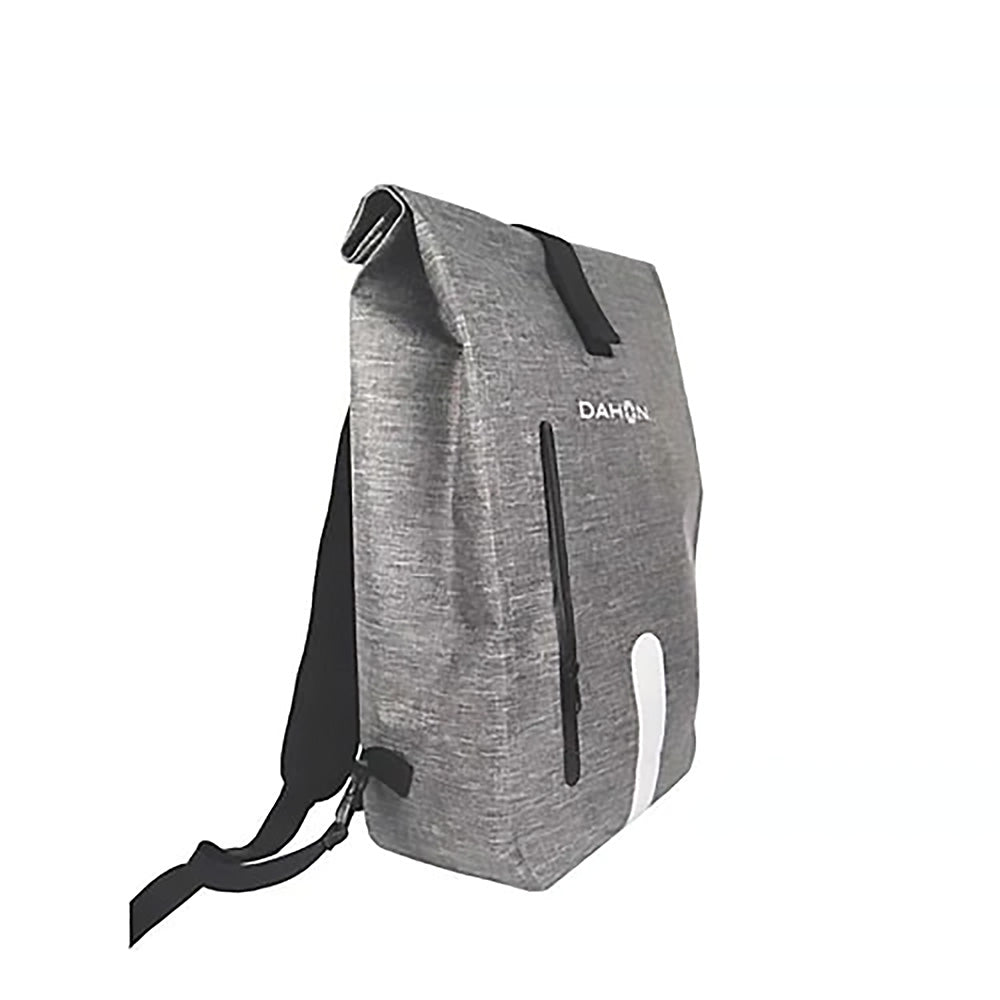
- Choose your container. A hard-shell suitcase protects the bike and keeps it looking like regular luggage. A purpose-built soft travel bag, like Dahon's foldable carry bag, is lighter and easier to store at your destination.
- Protect the key parts. Wrap the folding hinge, handlepost, and any exposed metal with bubble wrap or clothing. Pad the pedals and seat post.
- Deflate the tires slightly to reduce pressure during cabin pressure changes.
- Weigh the packed bag. Most airlines cap standard checked bags at 50 lbs (23 kg). Overweight fees start at $100 on most carriers.
- Add a fragile sticker. It does not guarantee careful handling, but it often gets your bag placed on top.
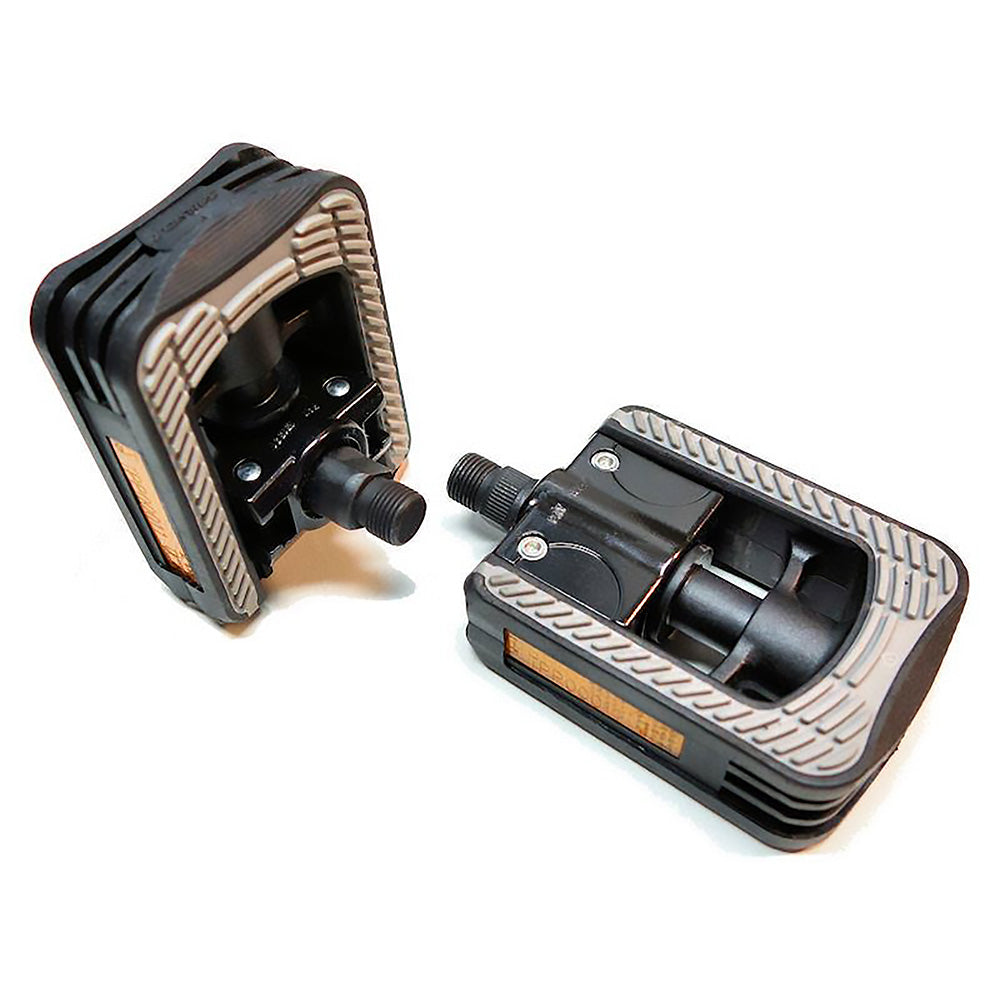
Keep pedals folded or remove them if they create pressure points inside the bag. Do not pack anything else in the same container, as some airlines restrict sports equipment bags to the bike only.
Should You Check Your Bike or Carry It On
For most folding bikes, checking it in is the right call. Here is how the two options compare in practice.
Checking It In
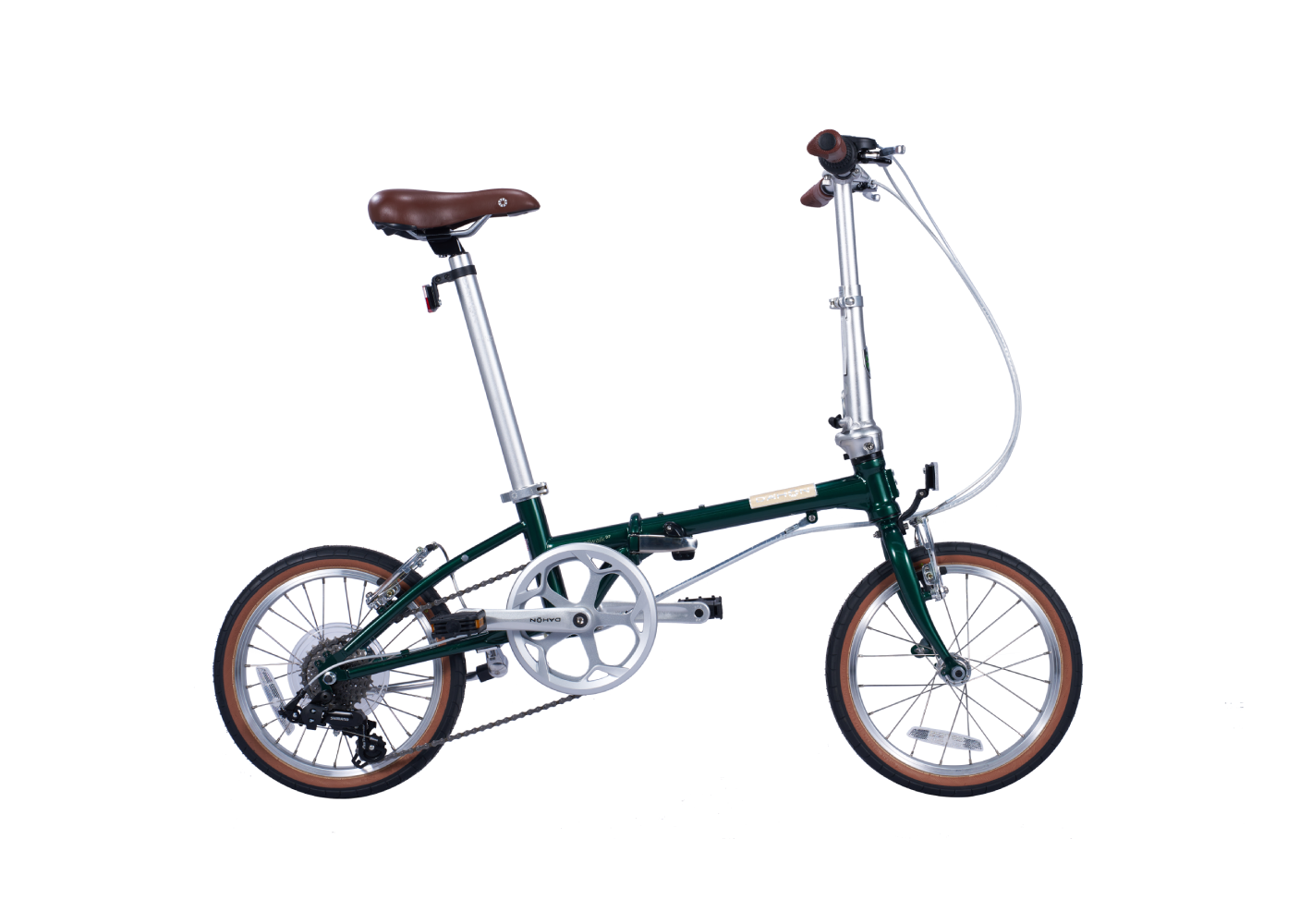
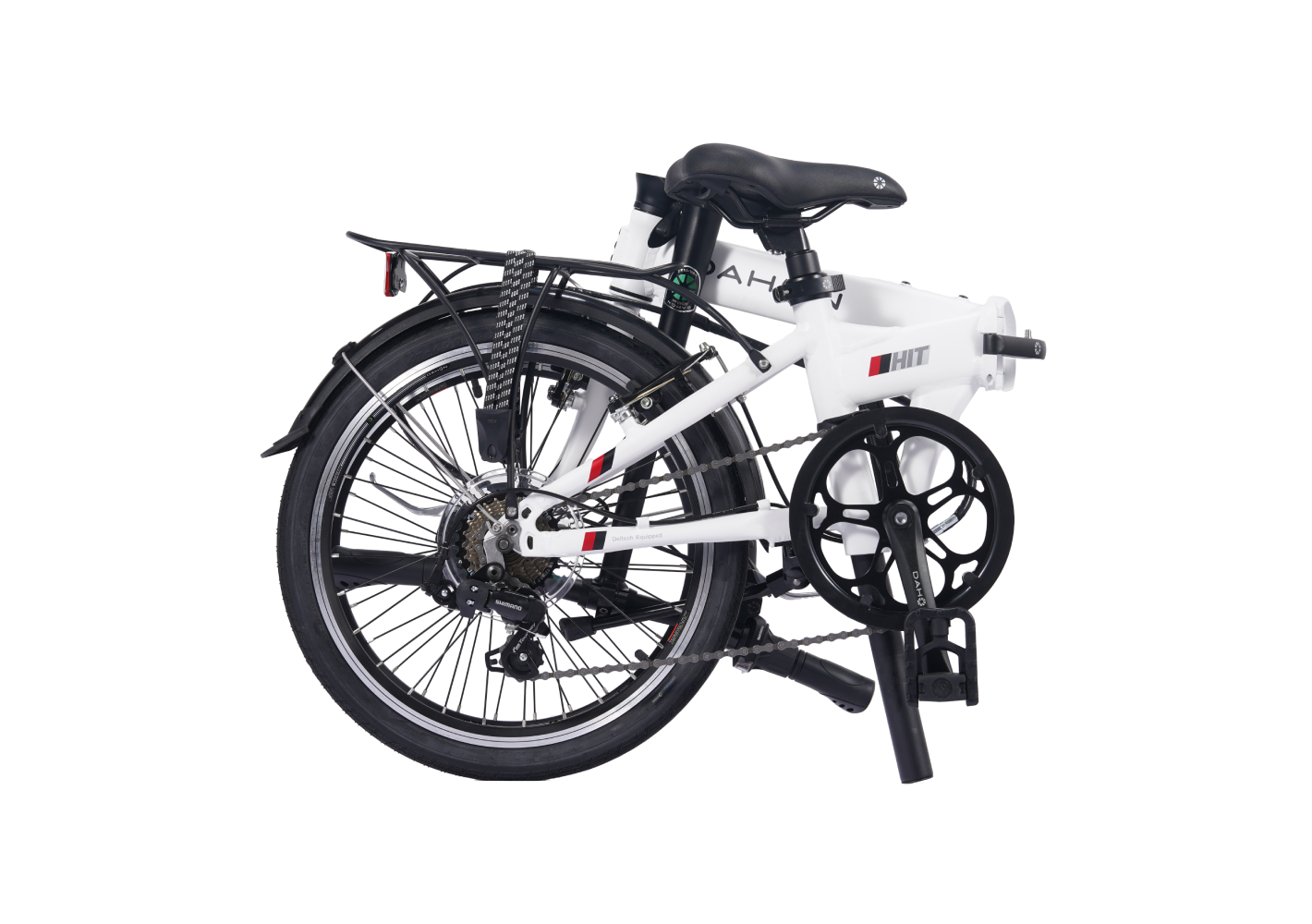
A folded 20-inch bike packed in a medium suitcase fits comfortably within Delta's 115 linear inch limit. On American and Southwest, a 20-inch model may exceed the 62-inch standard limit depending on how it is packed, which means verifying dimensions before you travel. Dahon 16-inch models fold to roughly the size of a shopping bag and fit within the 62-inch limit on every major carrier.
Carrying It On
Some 16-inch folding bikes fold small enough to raise the question of carry-on. In practice, very few U.S. airlines explicitly allow bicycles in the overhead bin. Gate agents have discretion, and the outcome is inconsistent. If you want to try, have the checked bag fee ready as a backup and be prepared to gate-check.
14-inch bikes are the most compact option for cabin carry, but even these face uncertain treatment. The risk is not the fee; it is being turned away at the gate with no time to repack.
How to Avoid Paying Extra at the Airport
These five steps save the most money for travelers flying with a folding bike.
- Prepay your bag online before the day of travel. Most airlines charge $5 to $10 more for the same bag at the airport counter.
- Keep your check-in simple. If asked about the contents, describing it as "sporting goods" or "personal equipment" is entirely accurate as long as your bag meets standard size and weight limits.
- Weigh your packed bag at home. A kitchen scale or bathroom scale works for a rough check. Arriving at the counter with a 52-pound bag means paying overweight fees that outweigh any savings.
- Choose Delta for long trips or heavier bikes. Its 115-inch size limit means most 20-inch folding bikes travel at the standard rate with no oversize concern.
- Print or screenshot the airline's baggage policy page and have it ready. If a gate agent is unsure, showing the official policy resolves most disputes on the spot.

Pack Smart, Ride Anywhere
Traveling with a folding bike does not have to cost what most cyclists expect. Packed correctly and checked on the right airline, a folding bike flies for the same price as a regular suitcase. The savings over a declared bicycle fee can reach $100 to $150 per leg on a round trip.
Dahon builds folding bikes with travel in mind. If you are looking for a bike that fits your travel plans as well as your commute, Dahon Folding Bikes cover the full range of sizes and travel-ready options.
FAQ
Q1: Can You Bring a Folding Bike on a Plane as Carry-On Luggage?
It depends on the airline and the folded size. No major U.S. airline explicitly permits bicycles in the overhead bin, and gate agents apply policies inconsistently. A 16-inch folding bike has the smallest folded footprint and the best practical chance, but it is not guaranteed. Book a checked bag as a backup whenever you plan to try this.
Q2: Do Airlines Charge Extra Fees for Folding Bikes?
Not always. If your folded bike, packed in a suitcase or travel bag, fits within the airline's standard size and weight limits, it travels as a regular checked bag. You pay the standard bag fee, not a bicycle fee. The key is staying under the size limit. That means 62 linear inches on American, Southwest, and United, and 115 linear inches on Delta.
Q3: Do You Need to Disassemble a Folding Bike Before Flying?
No. A folding bike does not need to be fully disassembled for air travel. Fold it completely, pad the hinge and handlepost, deflate the tires slightly, and pack it in a suitcase or travel bag. Removing the pedals is optional but reduces pressure points inside the bag. No tools or mechanical work are required.
Q4: What Is the Best Travel Bag for a Folding Bike?
It depends on how you travel. A hard-shell suitcase offers the best protection and passes easily as regular luggage. A purpose-built soft travel bag, like those Dahon offers for its bikes, is lighter and easier to stow at your destination. A budget option is the IKEA Dimpa bag, which cyclists in travel forums commonly use for short trips. For longer travel or checked flights, a padded soft case strikes the best balance of weight and protection.
This article is based on policies publicly available as of April 2026. Airline fees and regulations may change. Please check each airline’s official website for the most up-to-date information at the time of booking.











Share:
Folding Bike Wheel Size: 14-Inch, 16-Inch, or 20-Inch?
Are Folding Bikes Good for Long Rides? Breaking the Myth