

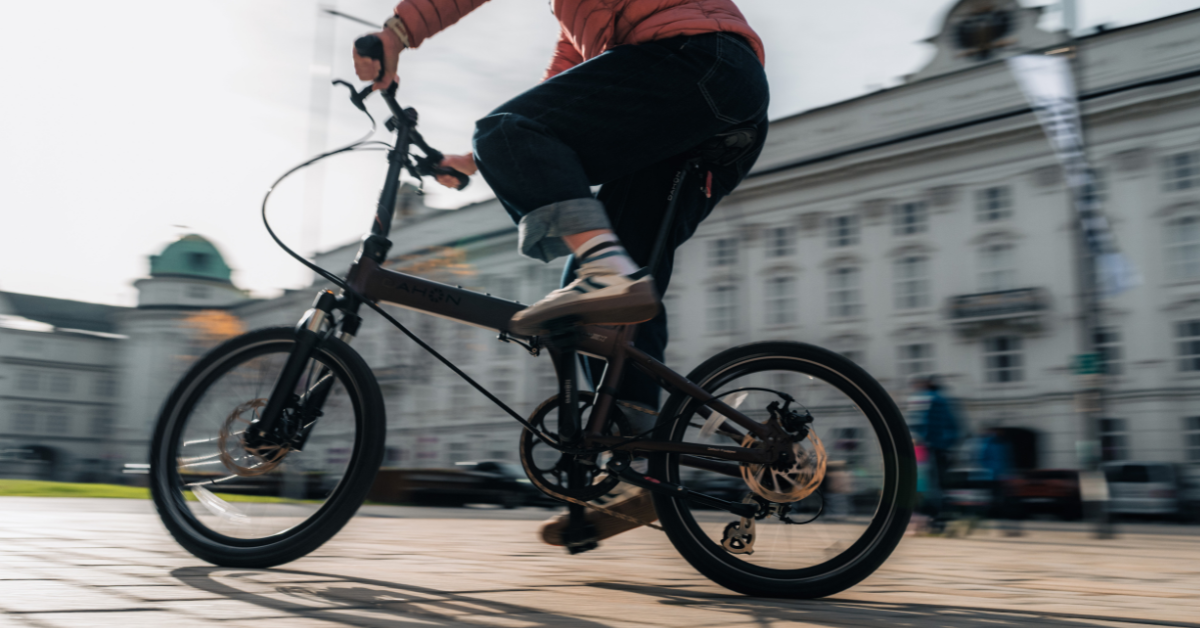
Yes—but success depends on knowing the rules and having the right equipment. Standard bikes face restrictions during peak hours, while folding bikes (classified as luggage) bypass most of them. Here's your practical guide to multi-modal commuting.
Important Notice: Transit rules vary by agency and change over time. Always check your transit authority's official website for the latest policy before riding.

Quick Reference: Standard vs Folding Bikes on Transit
| Situations | Standard Bike | Folding Bike |
|---|---|---|
| Bus racks | 2-3 bike limit, first-come | Board inside anytime |
| Rush hour (7-10am, 4-8pm) | Banned on most trains/subways | Allowed as luggage |
| Subway access | Service gate required | Standard turnstile OK |
| Permit needed | Sometimes ($5-20) | Rarely |
| Storage on train | Designated car only | Any car, overhead/floor |
How to Take Your Bike onto a Bus
Standard Bike Process
1. Before the bus arrives: Position yourself at the front of the queue at a Bus Stop. Check if the rack is visible and empty as the bus approaches.
2. Signal clearly: Make eye contact with the driver and point to the bike rack.
3. Load quickly: Squeeze the spring-loaded handle, lift the bike into the wheel slots (front wheel first), then pull the support arm over the front tire. Takes 15-30 seconds with practice.
4. Board immediately: Don't adjust your bike after loading—you're holding up other passengers.
5. Before your stop: Tell the driver one stop early. Exit through the front door, unload your bike (reverse the process), and step clear before the bus leaves.
Common problems:
- Rack is full → Wait for next bus (10-30 min delay)
- Driver doesn't see you → Move to the curb edge and wave
- Your bike doesn't fit → Fat tire bikes (>2.5") often won't fit standard racks
Process of Folding Your Bike
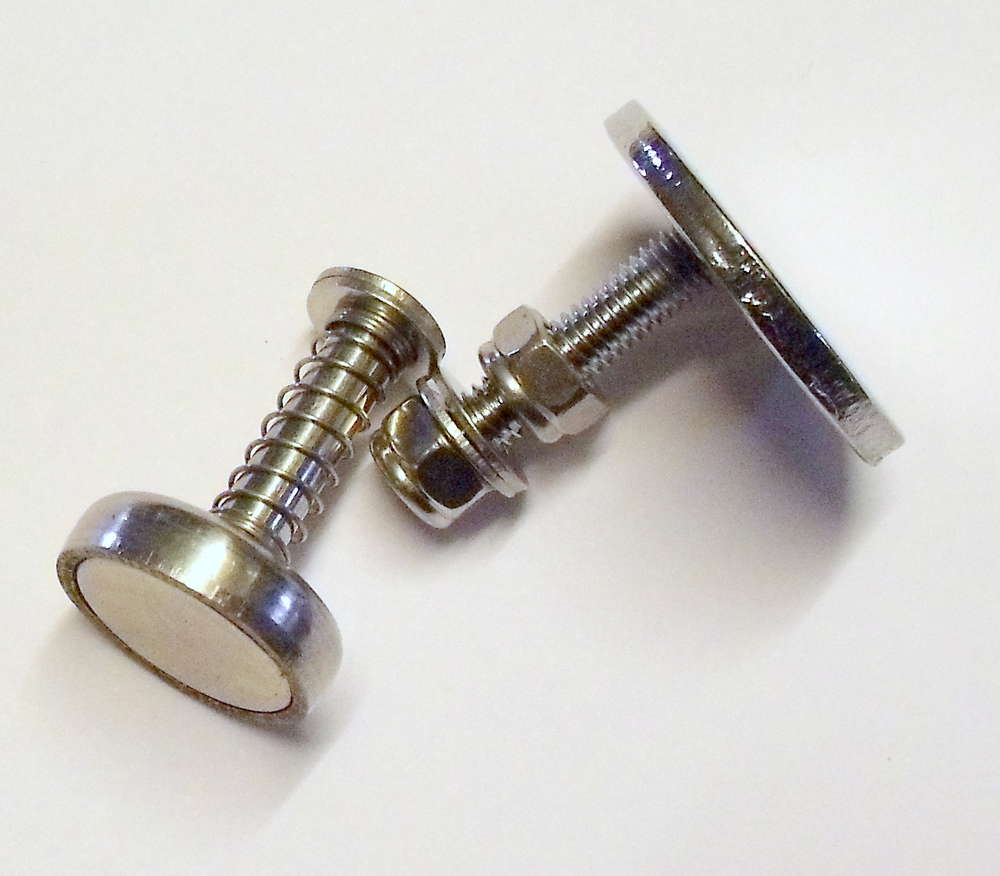
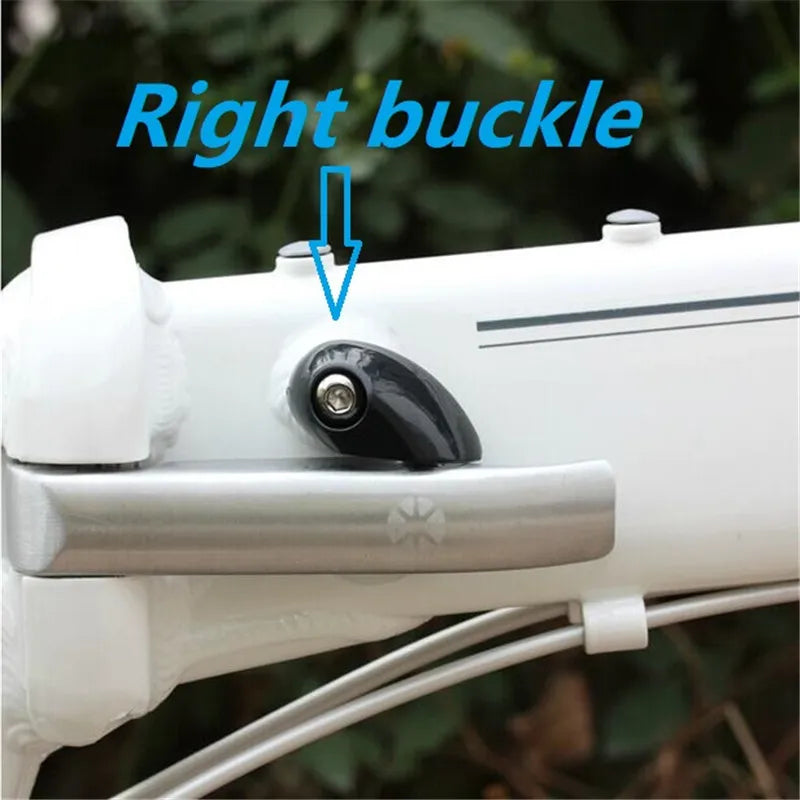
1. While waiting: Fold your bike completely (30 seconds with practice). Choose models using mid-frame hinges—Release the safety latch, fold in half, and secure the magnet catch.
2. Board normally: Enter through any door. Carry the bike low, handlebar-side toward your body to avoid hitting other passengers.
3. Position strategically: Stand near the back door in the designated luggage area, or sit with the bike between your knees. Avoid blocking the aisle during stops.
4. Wipe the tires: If it's wet or muddy outside, quickly wipe the tires on the curb before boarding to avoid dirty looks. Use a microfiber cloth from your bag for quick tire wipes, which you can find in our e-bike accessories collection.
Signage to Lookout For
- Look for bicycle symbols on the platform (usually at the front or rear of the train)
- On Metro-North/LIRR: Only specific off-peak trains allow bikes—check the train schedule online
- On Caltrain: Bike cars are marked with yellow decals; board during the designated window only
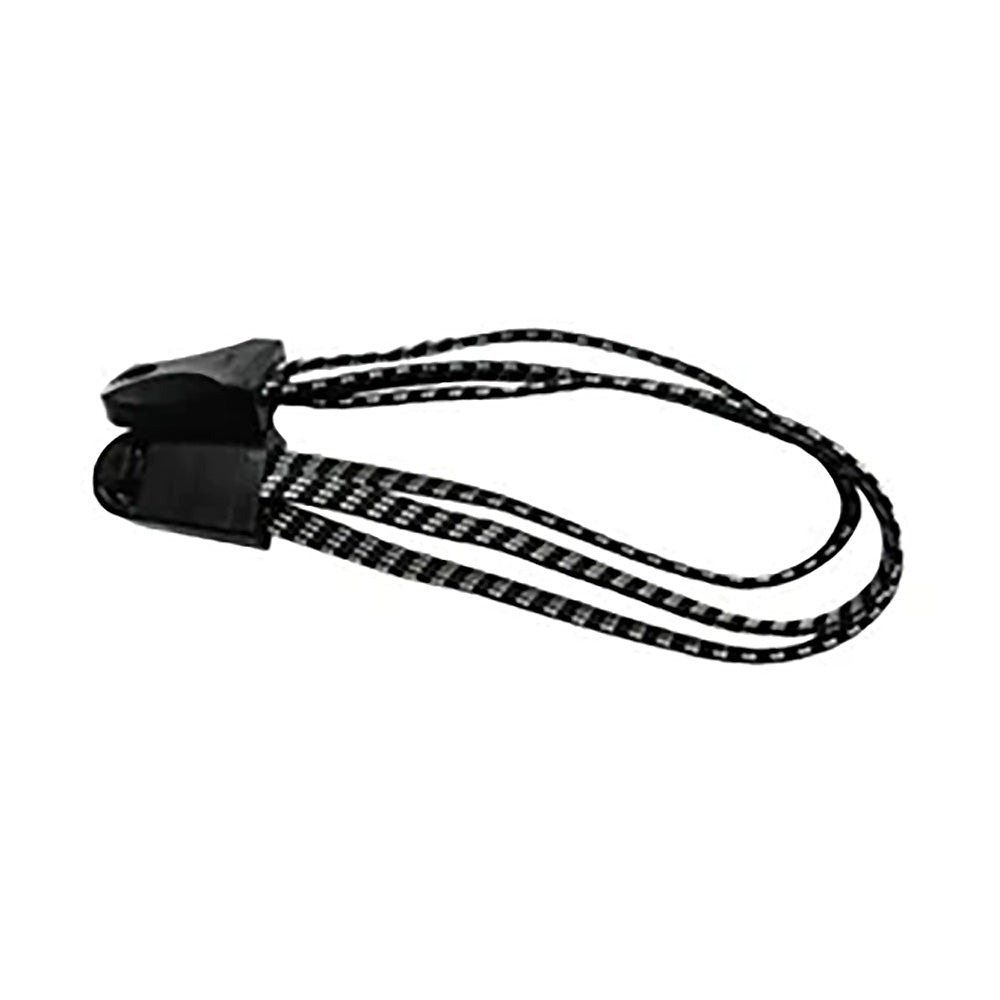
- Secure the bike with bungee cords (carry your own) attached to vertical poles or designated hooks
- Stay standing near your bike, especially during stops
Tips for Handling Your Bike
1. Before boarding: Fold your bike on the platform, not on the train. This takes practice—time yourself at home until you can do it in under 45 seconds.
2. Choose your car: Board any car. For overhead storage, choose cars with empty luggage racks (typically mid-train, away from doors). If you need more room, consider our luggage solutions designed for transit.
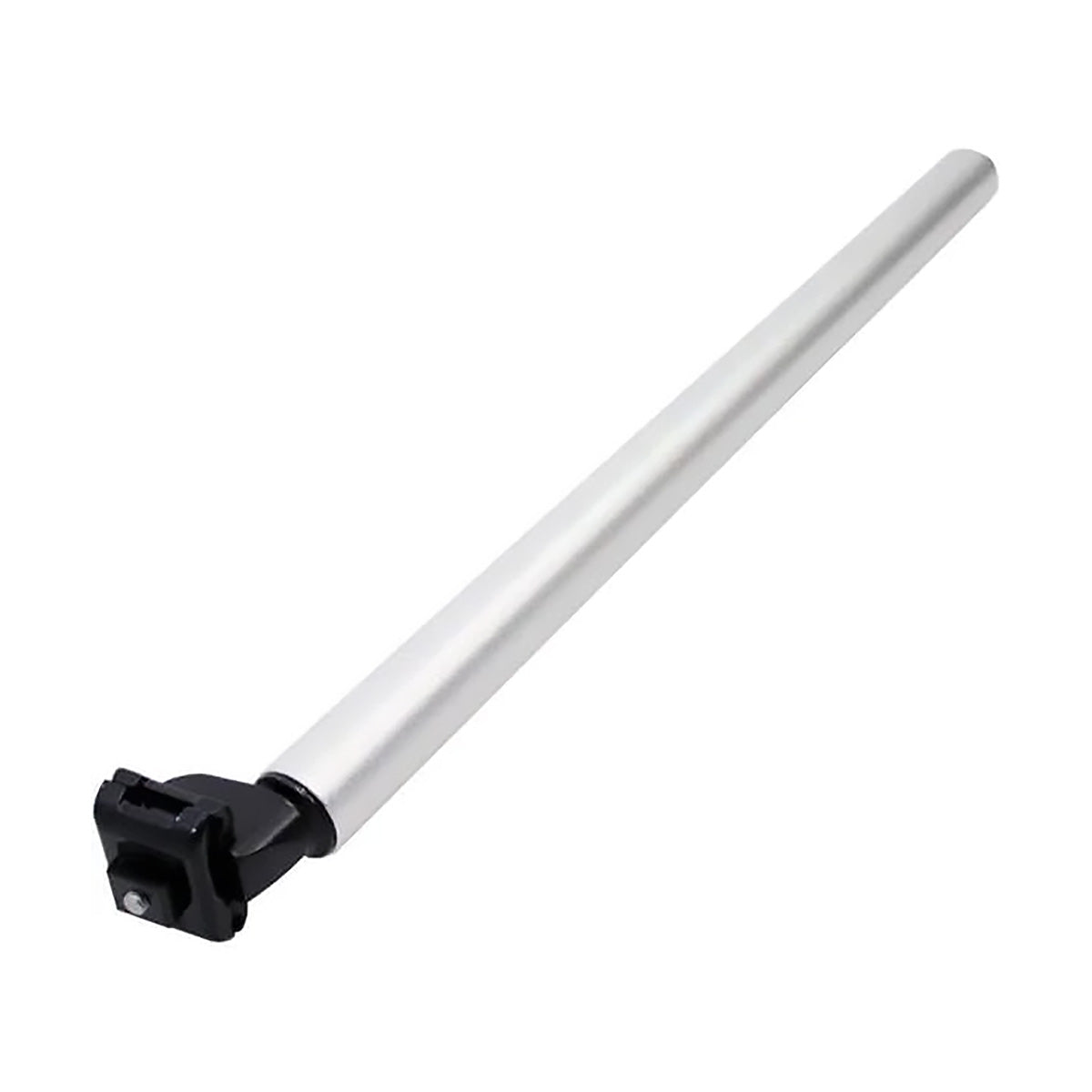
3. Lifting technique: For overhead racks, use both hands—grab the seat post and handlebar stem. Lightweight models (under 25 lbs) go up easily; heavier folders (28-30 lbs) may require floor storage.
4. Floor storage: Place the bike perpendicular to your seat, with wheels facing the aisle so you can grab it quickly at your stop. If your bike is bulky, you might need to adjust the seat post for a tighter fit.
5. During the ride: Keep one foot touching the bike. Sudden stops can send an unsecured bike sliding.
Peak Hour Blackouts (Varies by City)
- NYC Subway: No full-size bikes Mon-Fri 7-10am, 4-8pm
- BART (SF): Folding bikes always OK; standard bikes allowed on all cars except the first car (never allowed on crowded cars), according to 2024's new rules.
- DC Metro: Bikes banned Mon-Fri 7-10am, 4-7pm; also banned during July 4th, marathons, and special events
- Chicago CTA: Standard bikes banned on all trains Mon-Fri 7-9am, 4-6pm; also banned during July 4th and high-ridership events. Off-peak: max 2 per car, board at doors with the green bike decal

Carrying Your Bike Onto a Subway
Anticipate the Common Challenges
The transition between modes is where most the folding bike problems and solutions are found.
- Turnstiles: You must find the service gate (often at the far end) and wait for an attendant to buzz you through. In NYC, swipe your MetroCard and push the gate—no attendant needed, but gates are often broken.
- Stairs vs elevators: Elevators are rare and slow. Carrying a 30-lb bike up 3 flights during rush hour is miserable.
- Platform positioning: Stand at the extreme front or rear of the platform where cars are less crowded. When the train arrives, look through windows for empty sections before boarding.
- In the car: Stand in the vestibule area (between cars) and brace the bike against your hip. Avoid doors that open at your stop.
Possible Solutions
1. Entering the station: Fold before you reach the turnstile. Walk through with the bike tucked under one arm or wheeled beside you (some folders have rolling wheels when folded).
2. Navigating stairs:
- Light bike (under 22 lbs): Carry with one hand using the frame's carry handle
- Heavier bike: Bump it down step-by-step on its rear wheel while holding the seat, or use the elevator if available
3. On the platform: Stay near a bench or wall, not near the yellow line. Keep the bike on the ground, not leaning against you—you don't want grease on your work clothes. Make sure you have good lights for visibility when exiting late-night stations.
4. Boarding: Wait for passengers to exit first. Enter quickly, move toward the center of the car (away from doors), and position the bike between your legs or against the wall.
5. During the ride: On crowded cars, hold the bike vertical (wheels on floor, handlebar up) to minimize footprint. On empty cars, you can lay it flat under a seat.
6. Exiting: Prepare one stop early. Move toward the door with the bike ready to lift.
Essential Gear and Preparation
For Standard Bikes
- Heavy-duty bungee cords (2-3 ft) for securing on trains
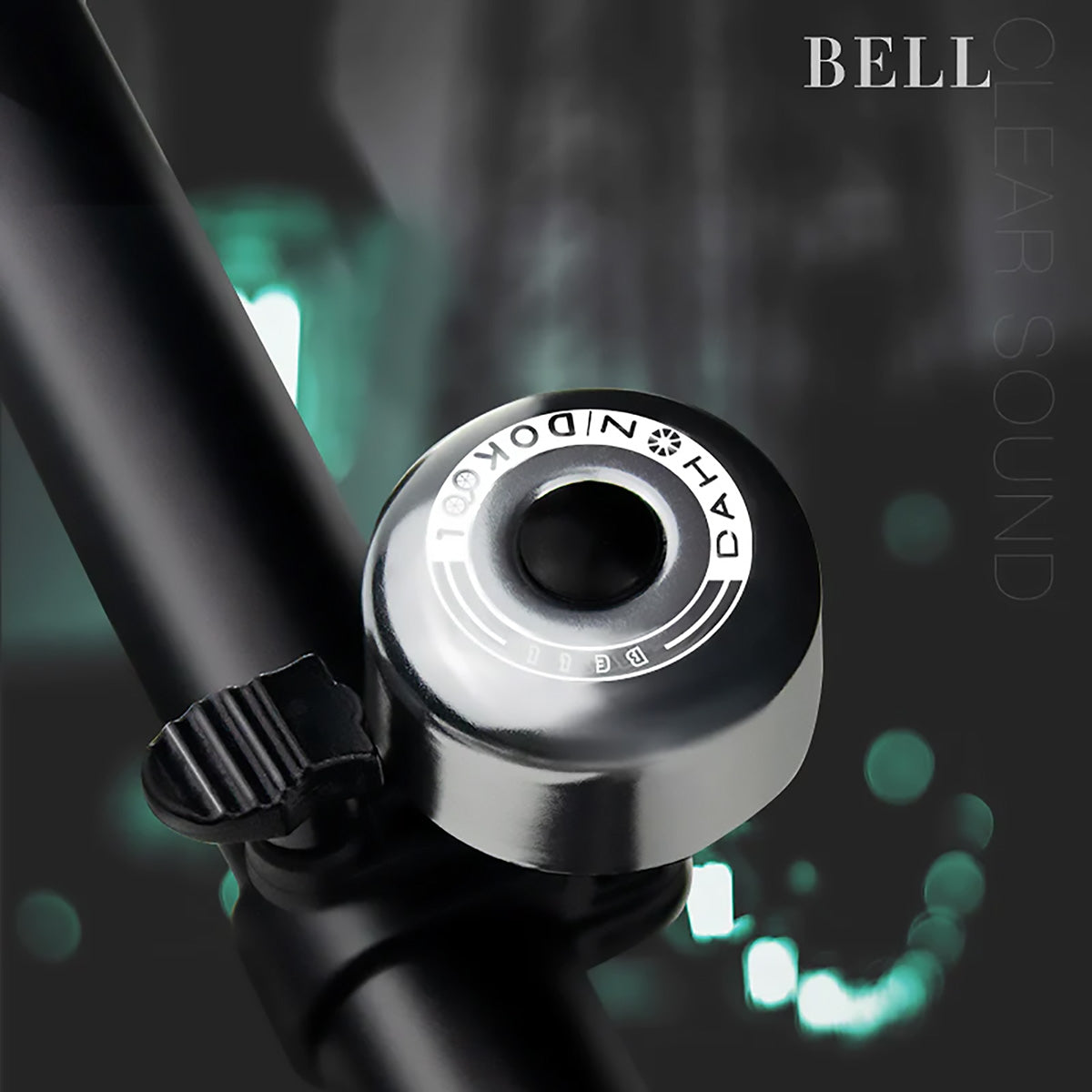
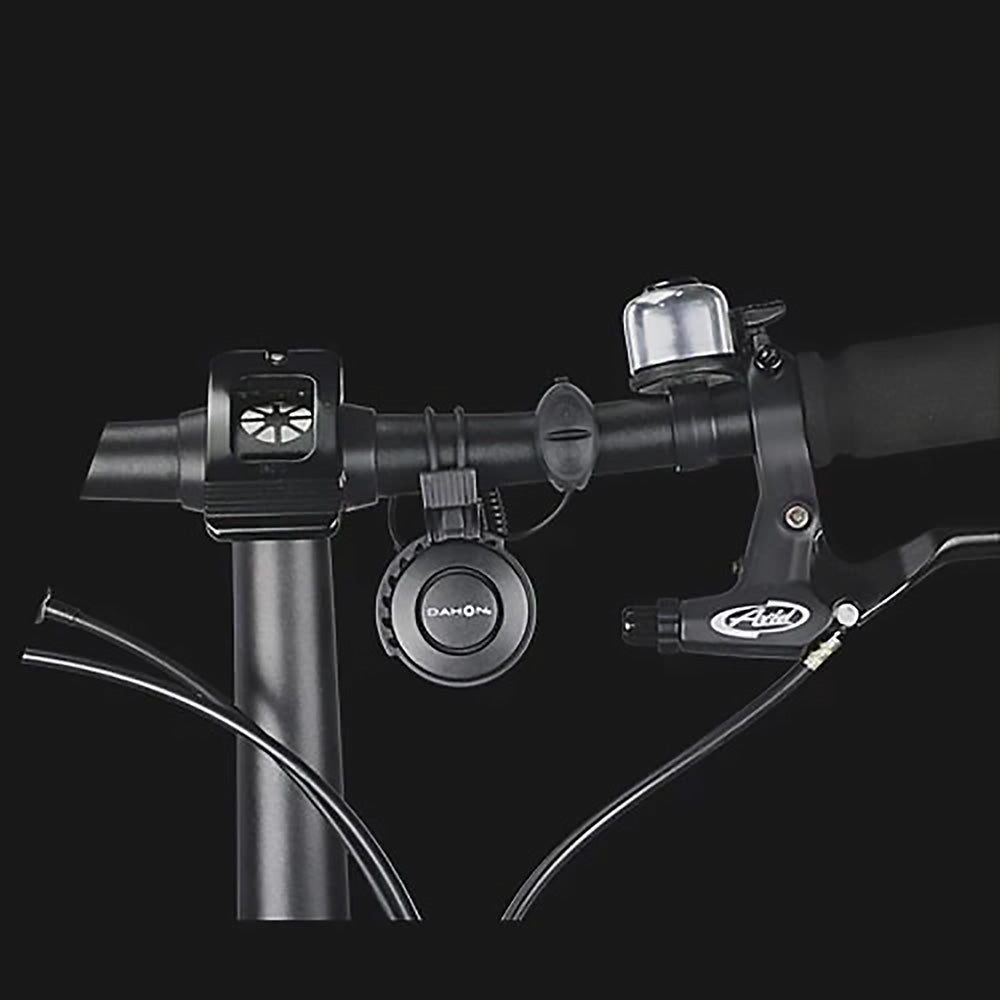
- Bell or voice to warn pedestrians on platforms
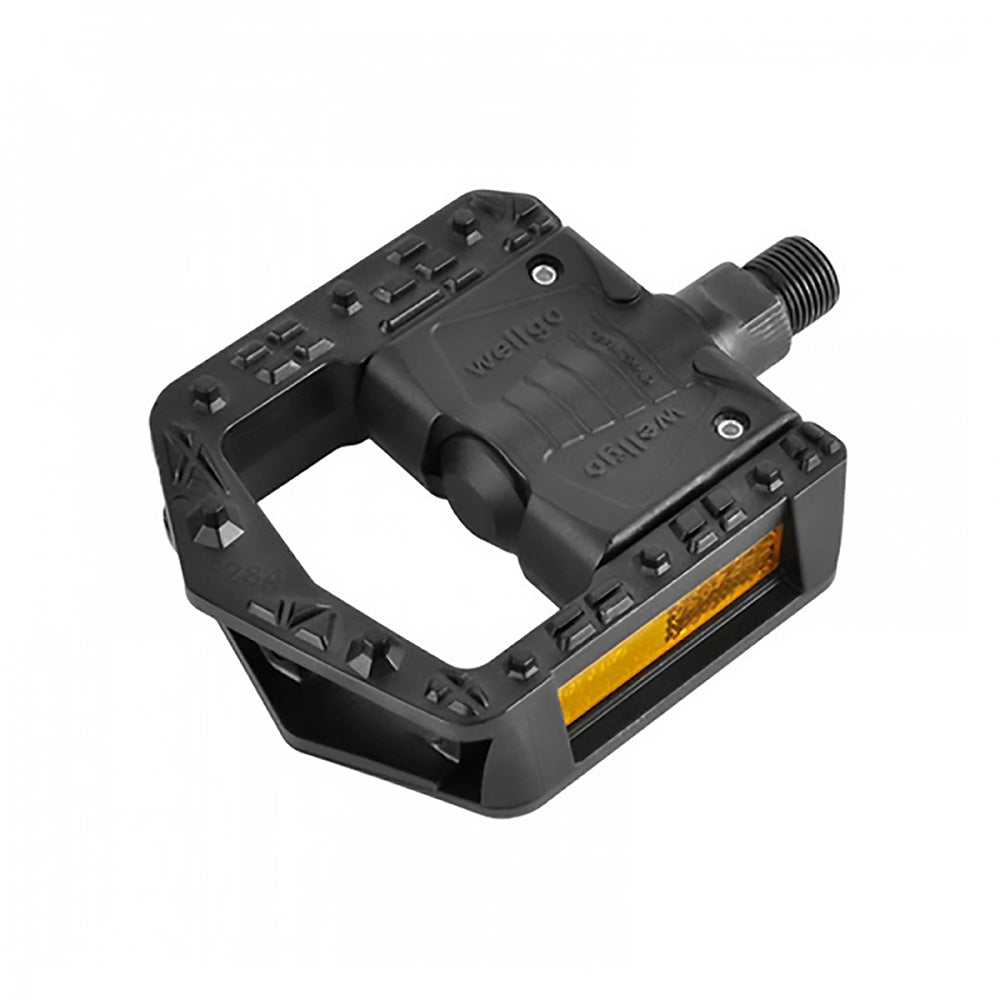
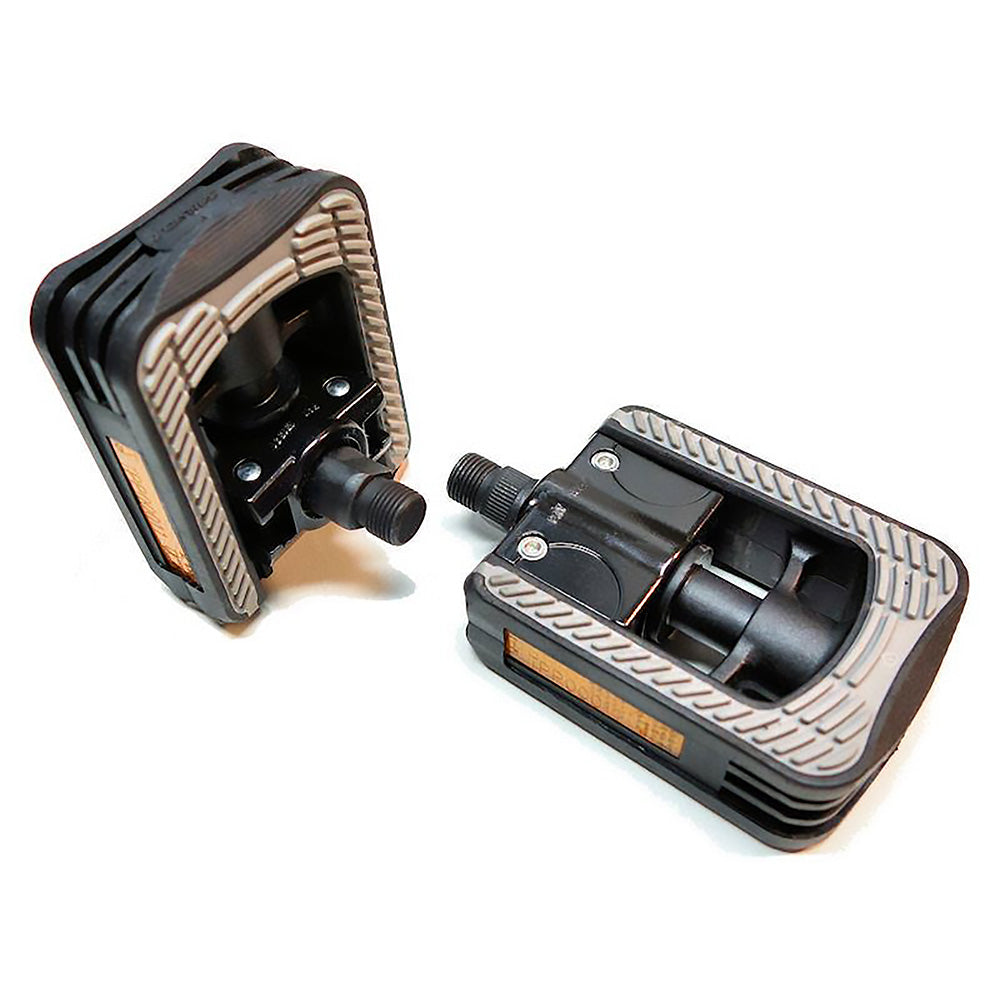
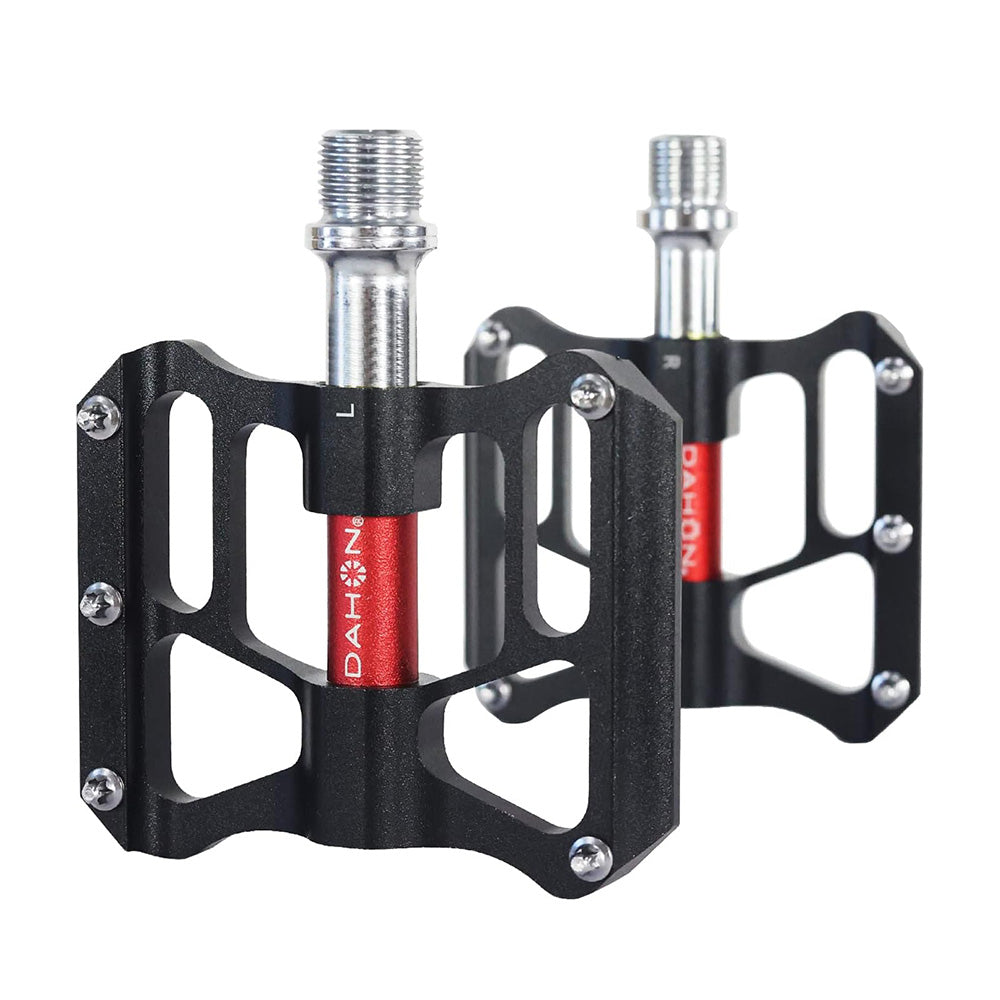
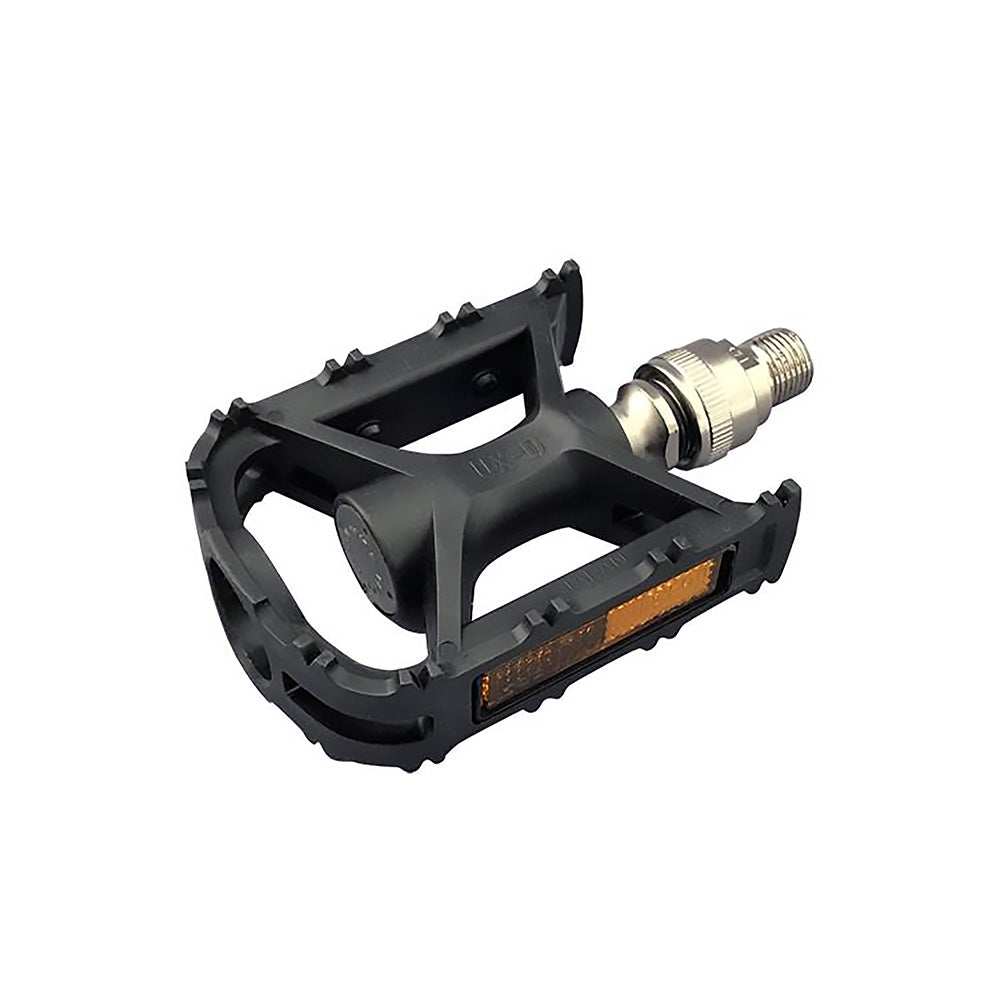
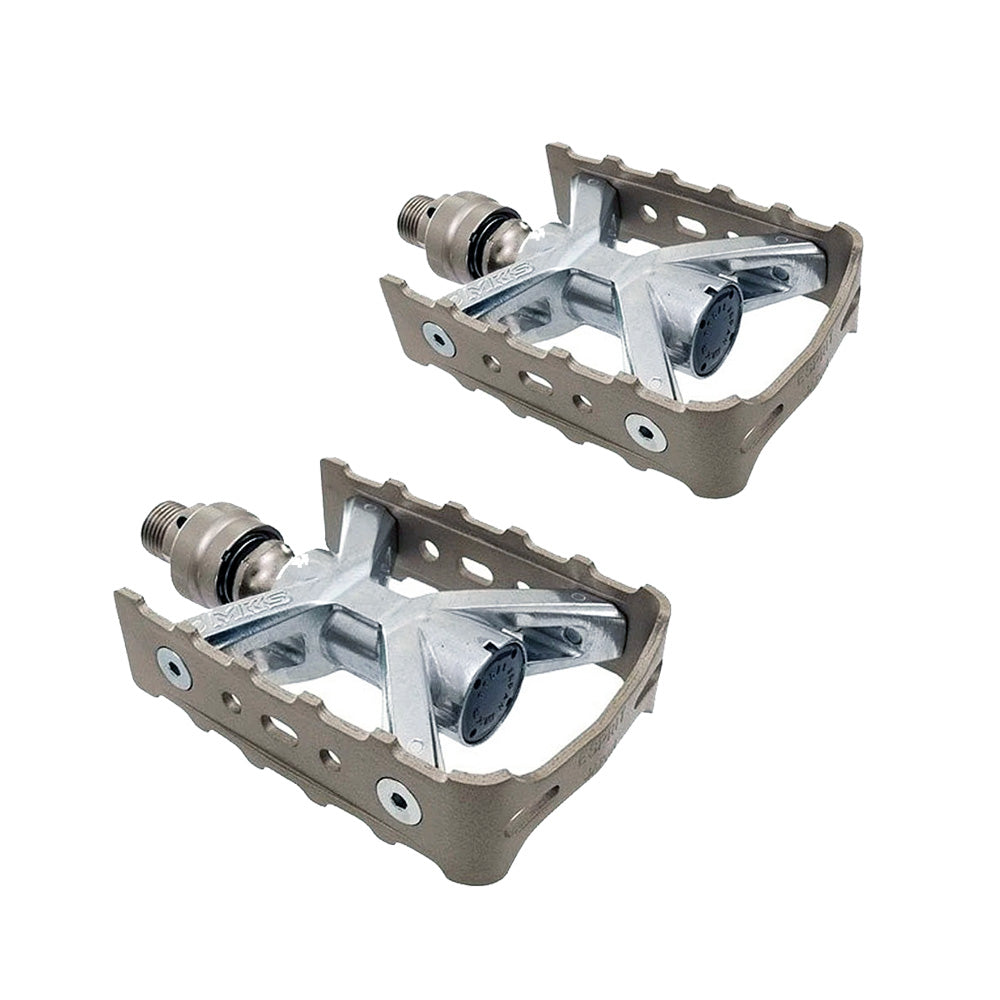
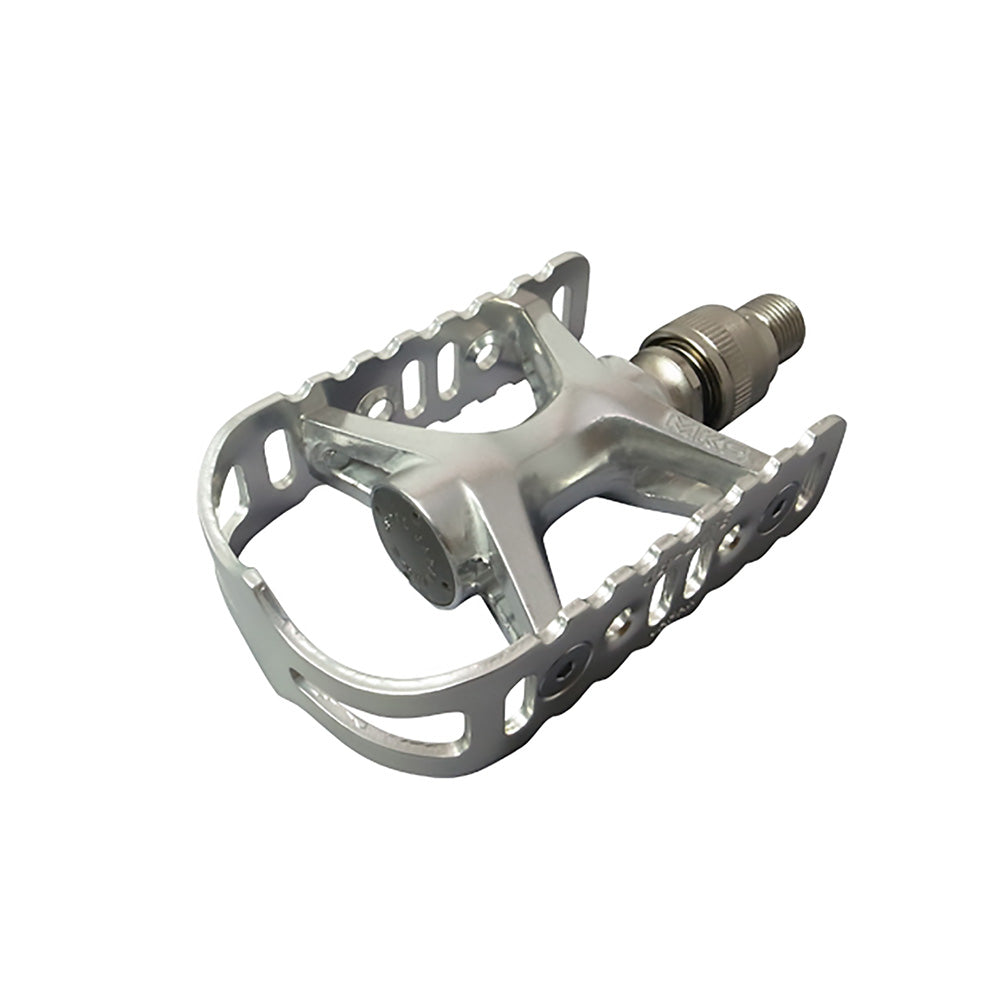
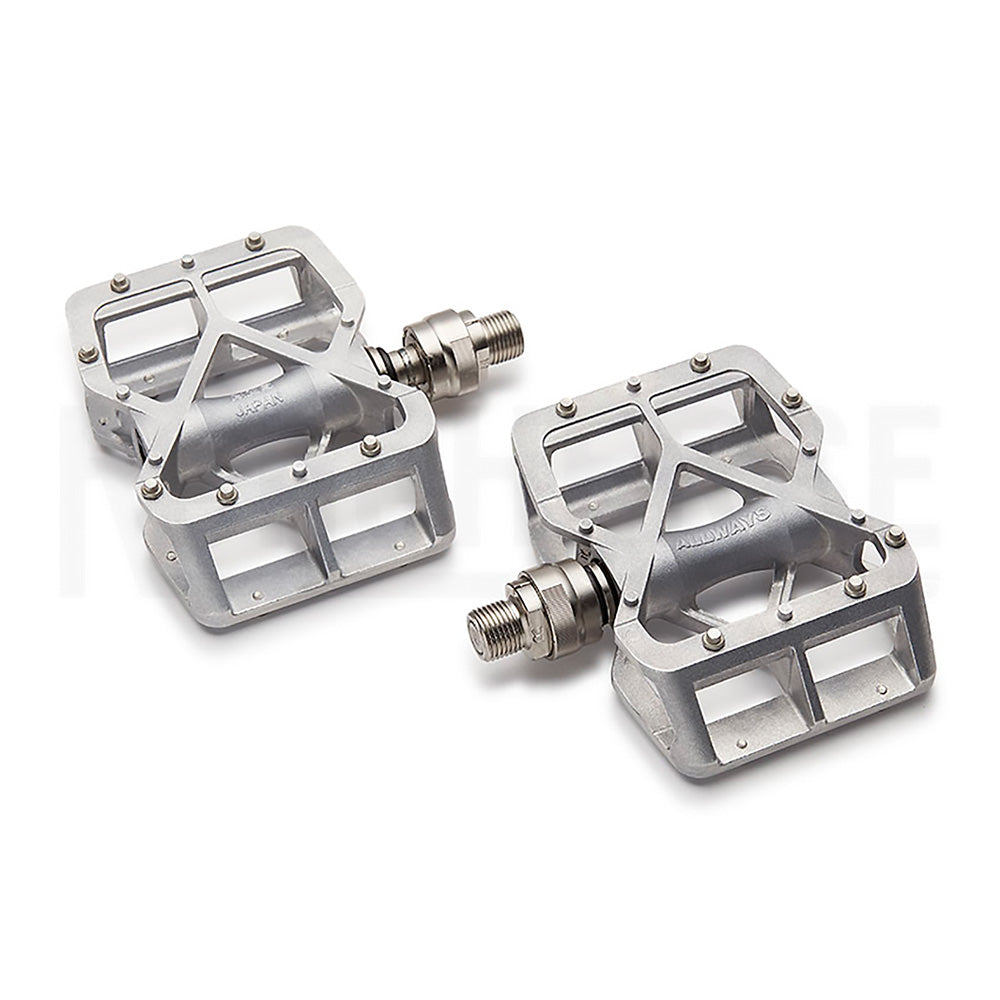
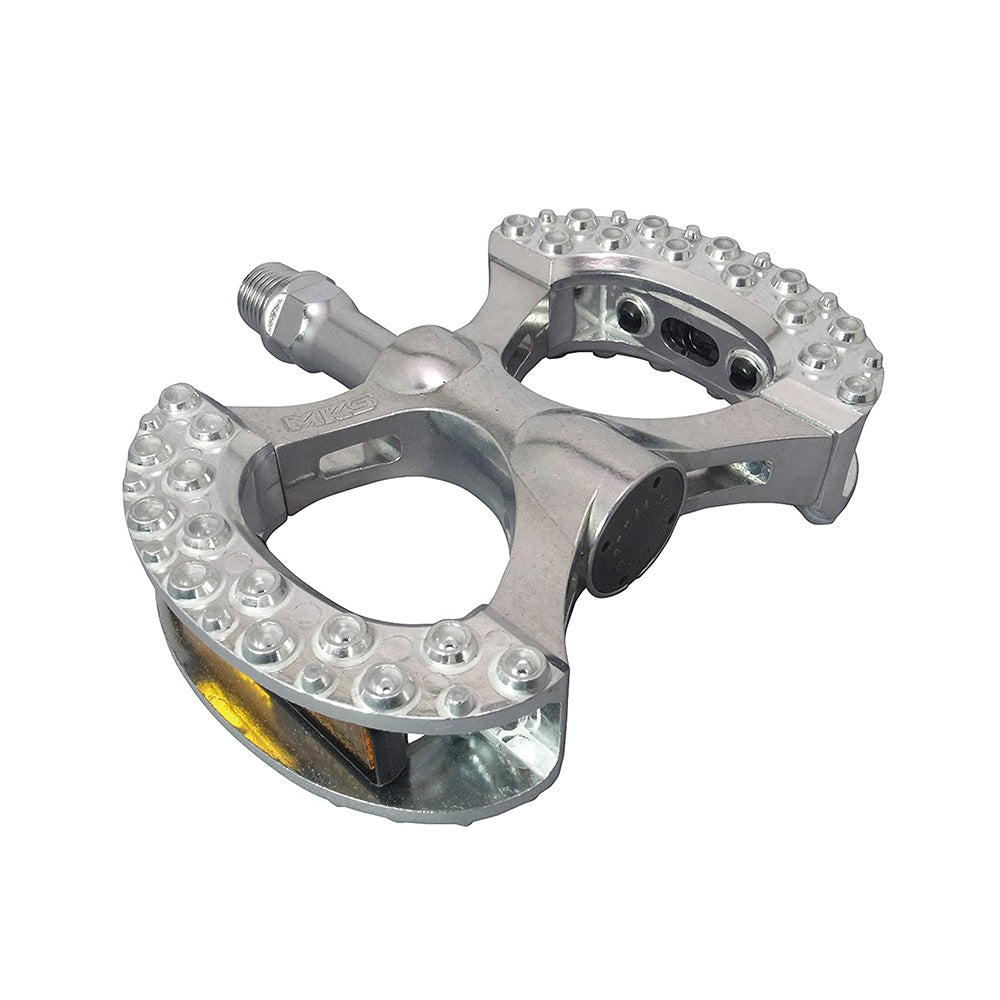
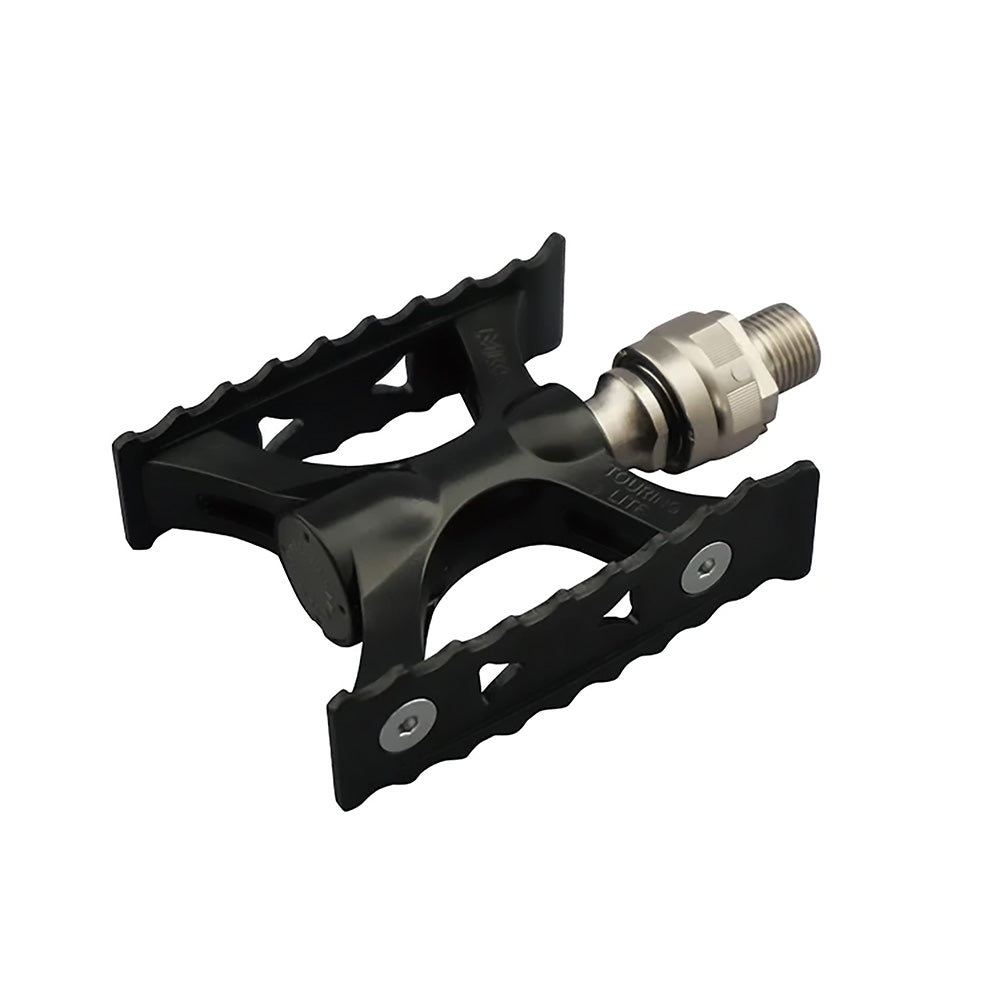
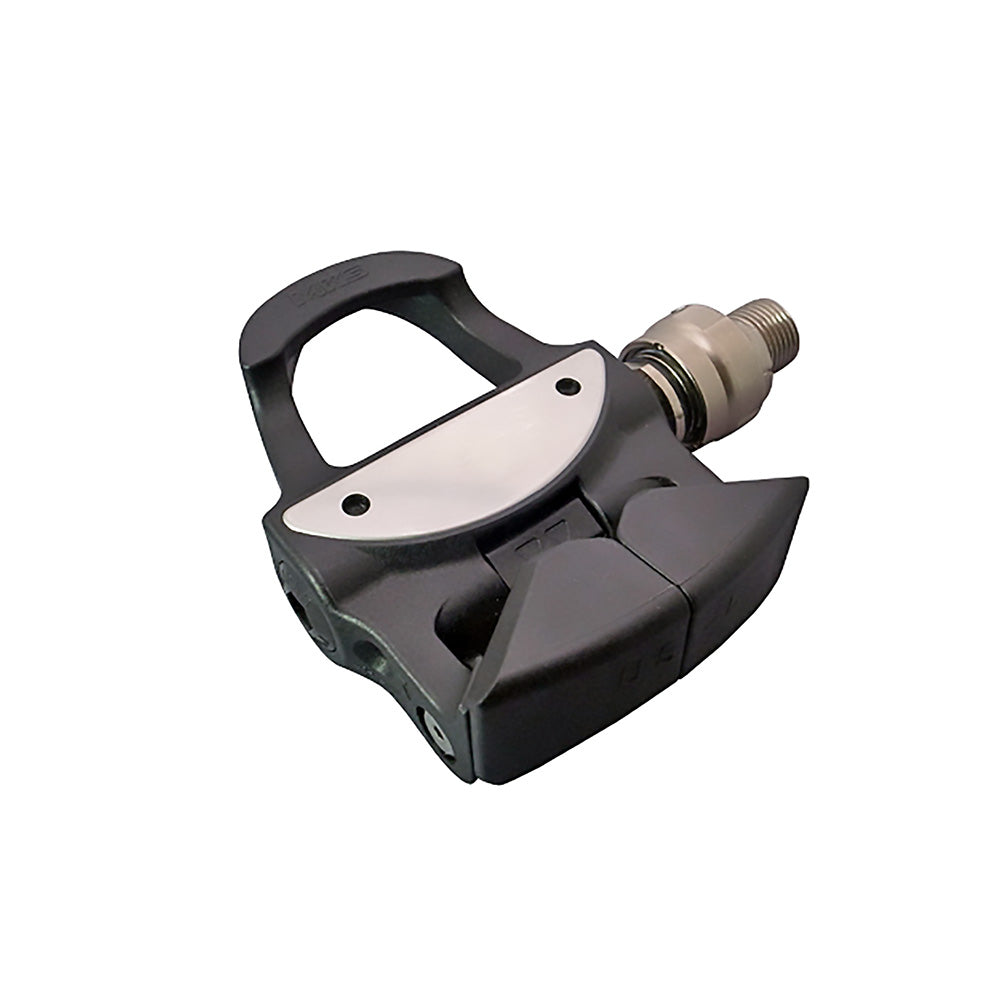
- Foldable pedals to reduce width in bike cars
- Transit app with real-time rack availability (where available)
For Folding Bikes
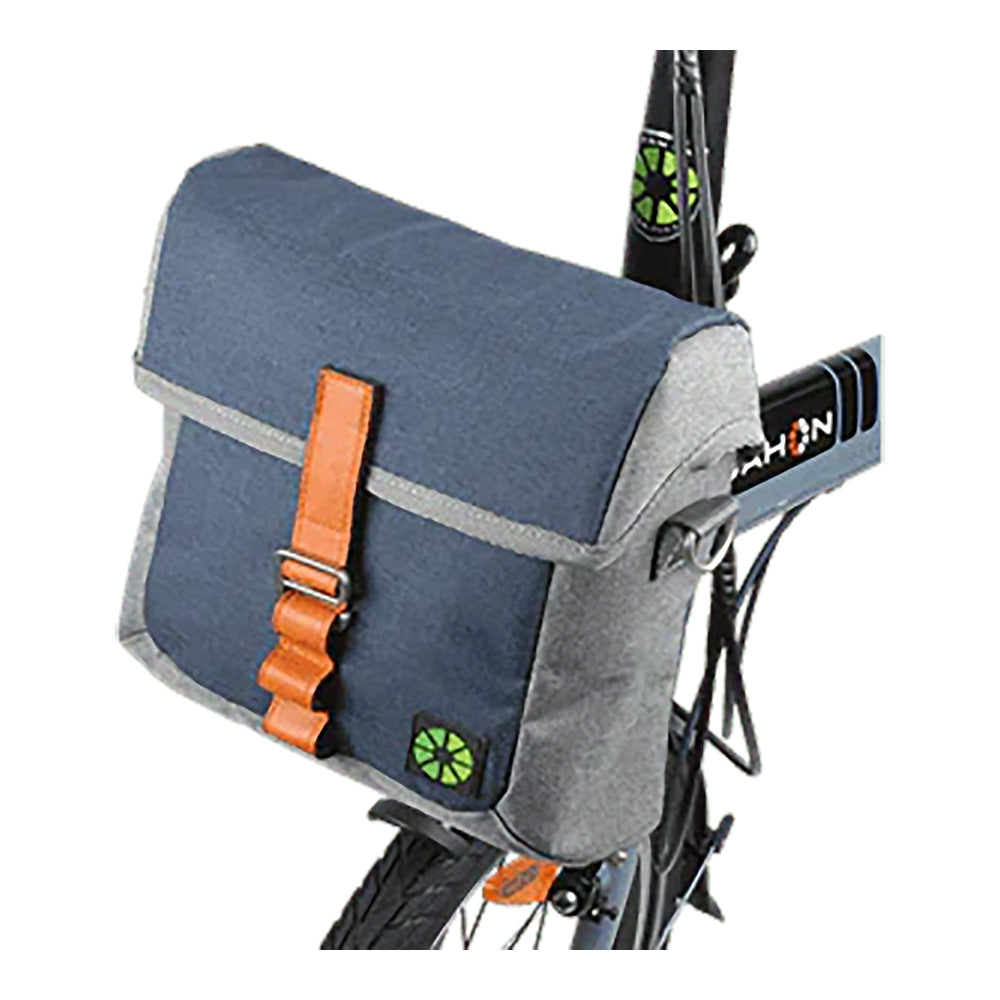
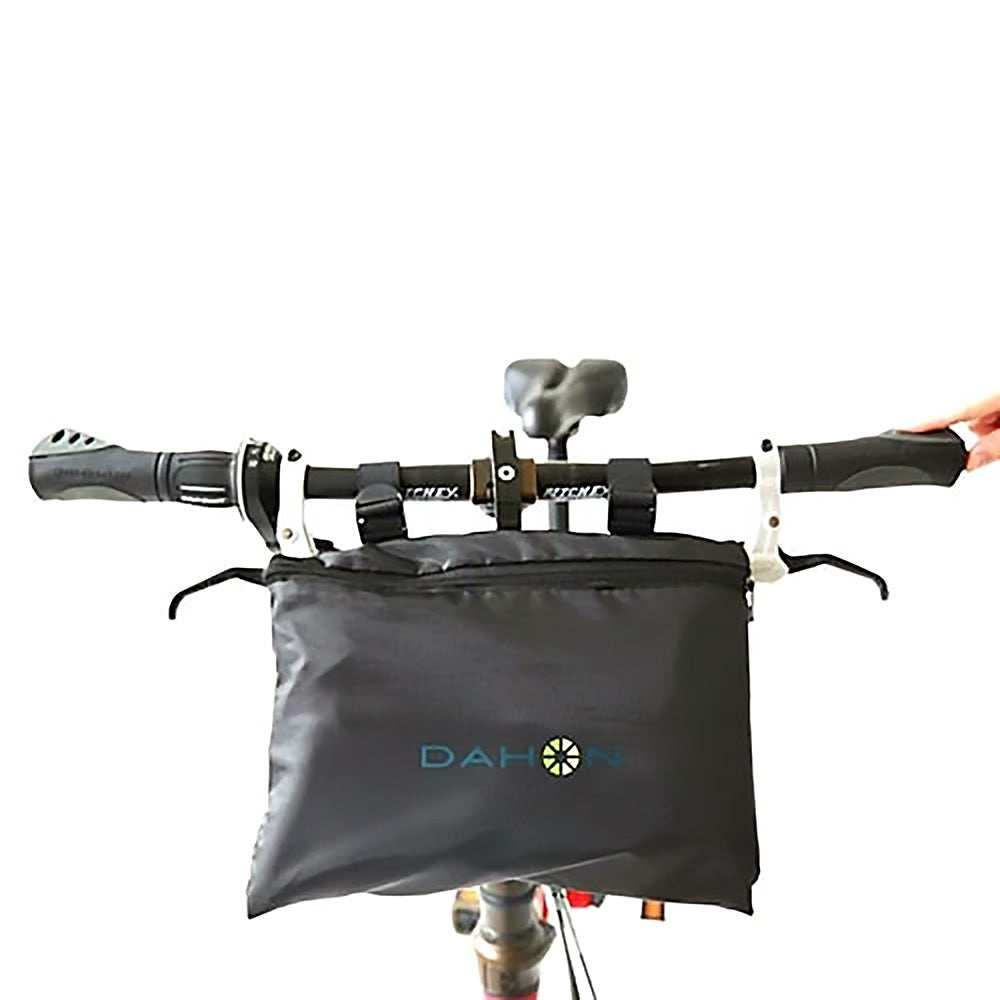
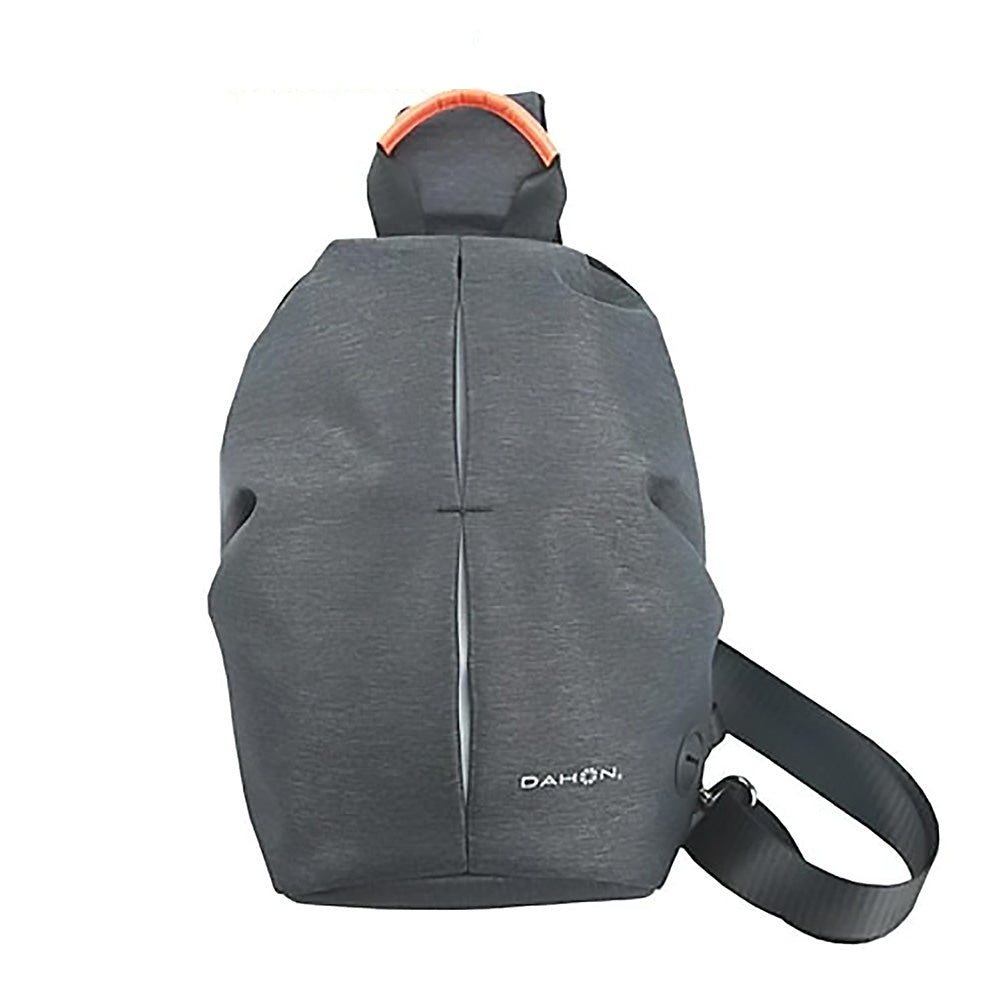
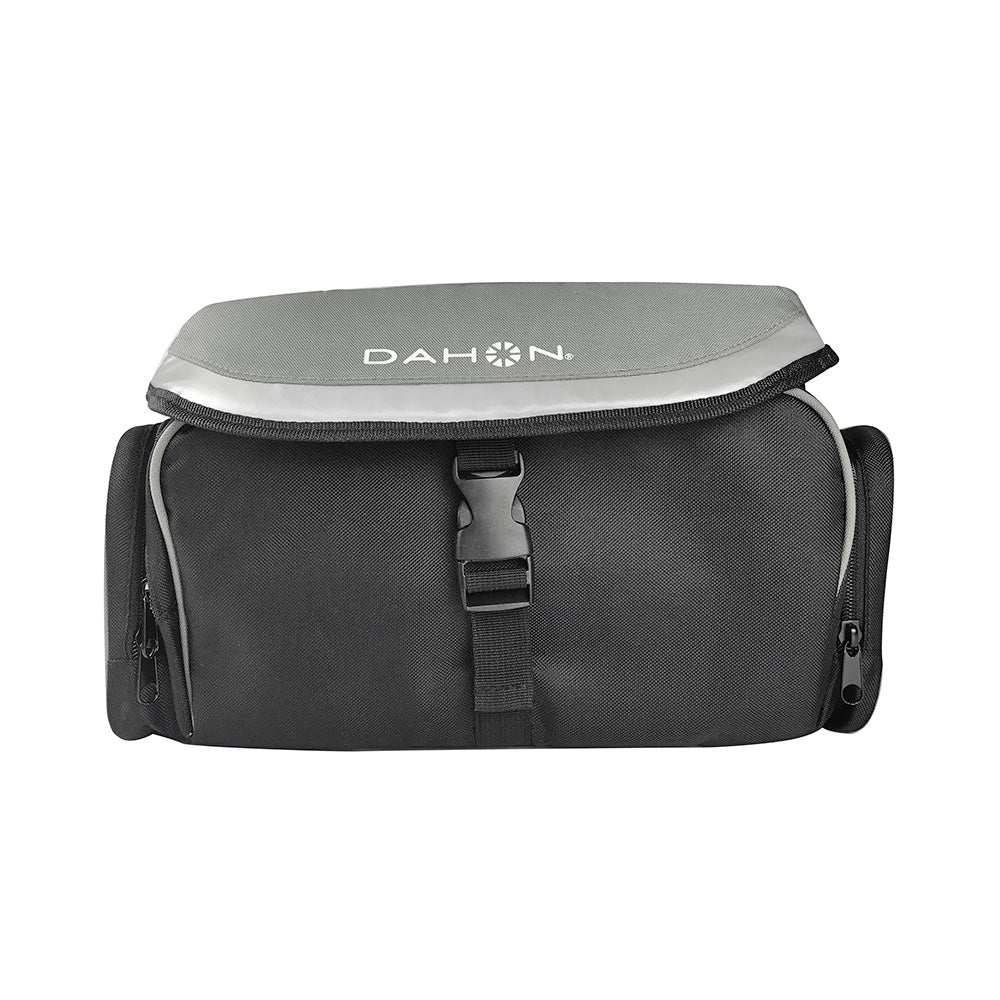
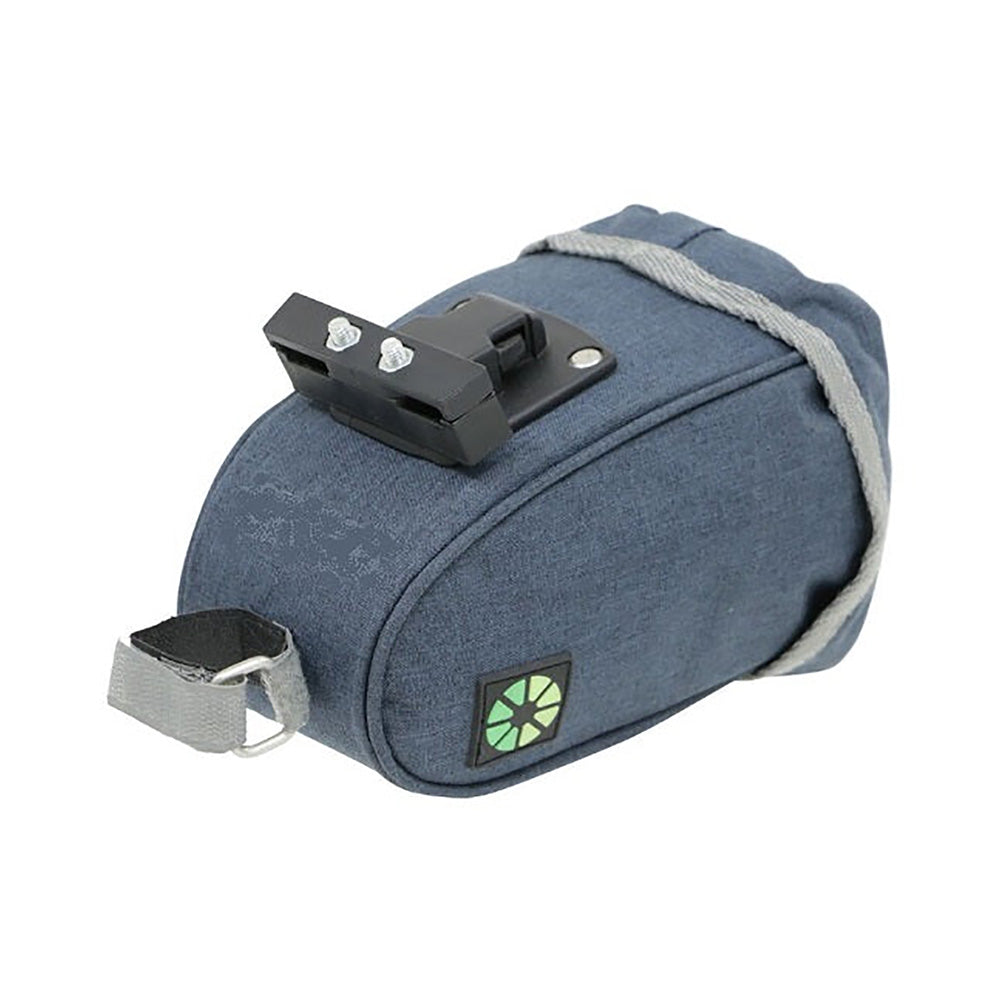
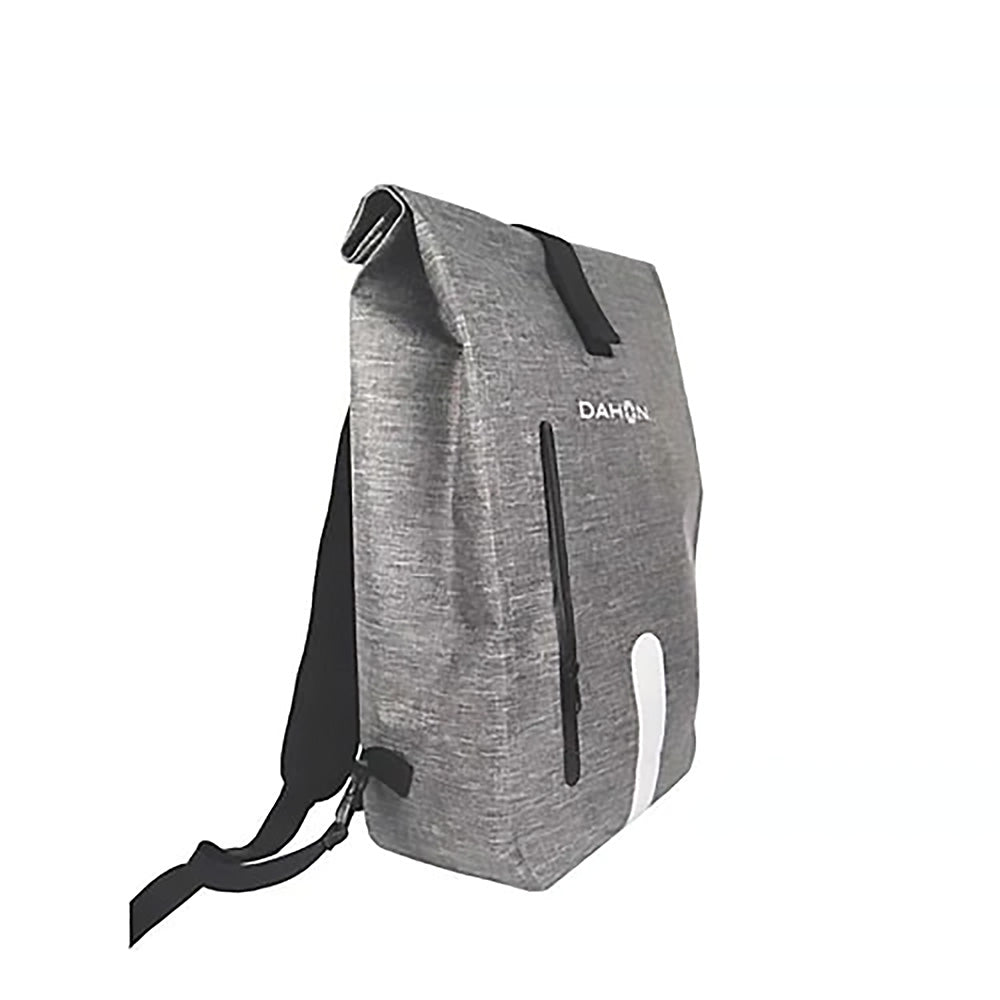
- Lightweight carry bag for extra grease protection (optional, but useful in business settings)
- Practice folding/unfolding at home until you can do it in under 45 seconds
- Microfiber cloth in your bag for quick tire wipes
- Learn which model you have—some folders have two-step folding (frame + handlebar), others are single-step
For Both
- Check your transit agency's website for their specific bike policy PDF
- Screenshot the permit or policy on your phone in case a conductor challenges you
- Avoid commuting with a bike on major holidays or during large events when trains are packed
Common Problems and Solutions
- Driver says the bus rack is broken: Ask to bring a folded bike inside, or wait for the next bus. Most drivers will allow folders inside even if the rack works.
- Conductor tells you "no bikes allowed" even though yours is folded: Politely explain it's classified as luggage when folded. If they insist, comply and file a complaint later with the transit agency. Don't argue—you'll lose.
- Other passengers complain about your bike taking up space: Apologize, adjust position to minimize footprint. On extremely crowded trains, consider waiting for the next one.
- You can't fold/unfold your bike fast enough and people are staring: Step aside to a bench or corner. Let people pass. Speed comes with practice—nobody gets it right the first week.
City-Specific Rules (Major US Systems)
New York (MTA)
- Folding bikes allowed anytime on subway/bus
- Standard bikes banned on subway during rush hours; allowed on some buses with front rack
San Francisco (BART/Muni)
- BART: Folding bikes always OK; standard bikes banned in first 3 cars during commute hours
- Muni: Front racks on buses; bikes allowed inside light rail if folded
Washington DC (WMATA)
- Folding bikes always allowed
- Standard bikes banned Mon-Fri 7-10am, 4-7pm; $20 lifetime bike permit required otherwise
Chicago (CTA)
- Folding bikes treated as luggage
- Standard bikes banned on trains during weekday rush hours (7-9am, 4-6pm); max 2 per car off-peak
Los Angeles (Metro)
- All buses have front racks (2-bike capacity)
- Folding bikes allowed inside trains/buses anytime
Why Folding Bikes Work for Commuters
Unlike traditional bikes, folding commuter bikes are built with multi-modal travel in mind. They address the three biggest pain points of urban cycling: theft, storage, and transport.
1. Theft Prevention
Bike theft is a major concern in US cities. By bringing your bike inside with you—whether onto the train, into your office, or into your apartment—you virtually eliminate the risk of theft. There is no need for heavy U-locks or scanning the street anxiously to see if your frame is still there.
2. Compact Storage
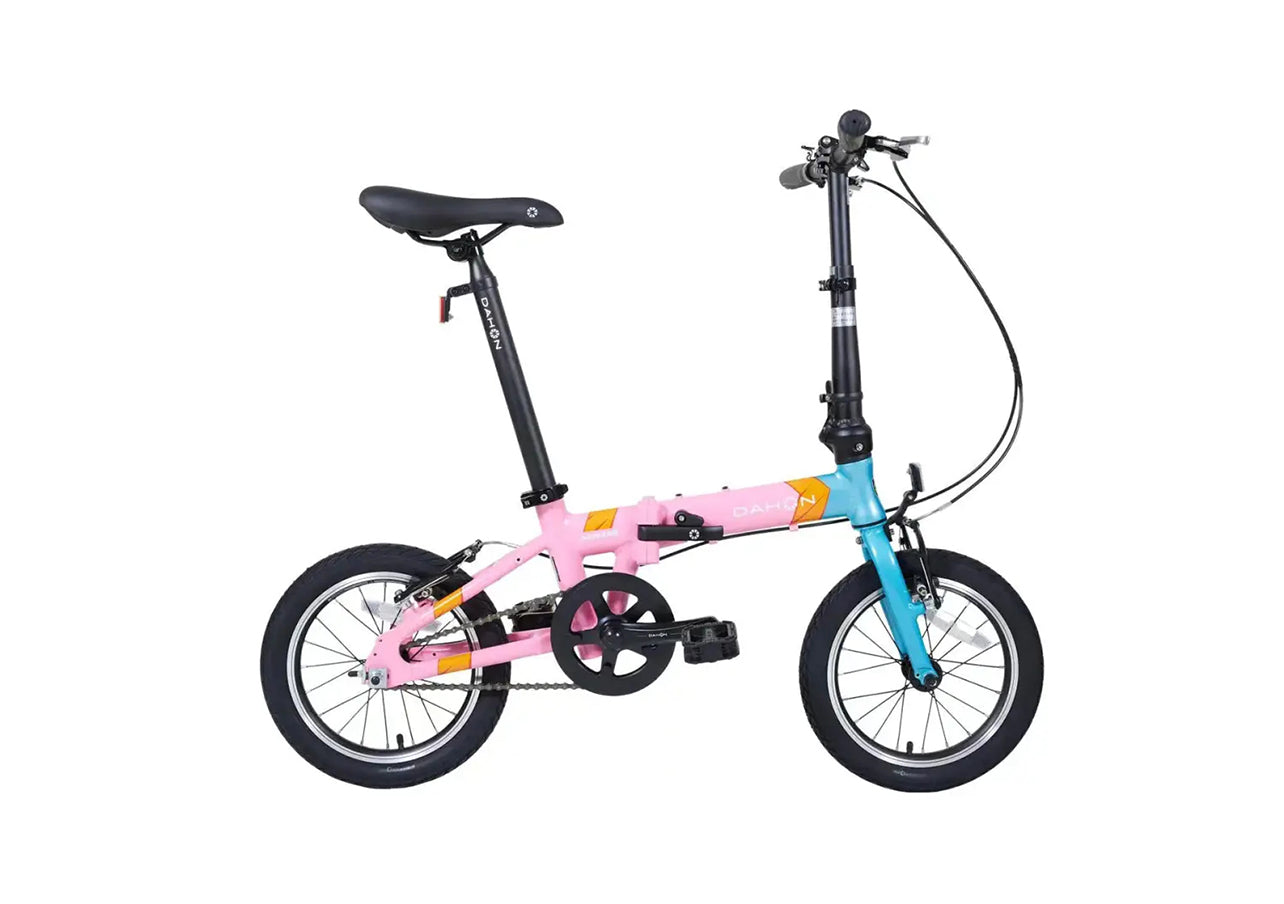
City living often means tight spaces. A folding bike collapses into a package small enough to fit under a desk, in a closet, or in the trunk of a car. You don't need a garage or a wall rack to own a high-performance bike. For those with even less space, a 14" wheel model is incredibly compact.
3. Ride Quality
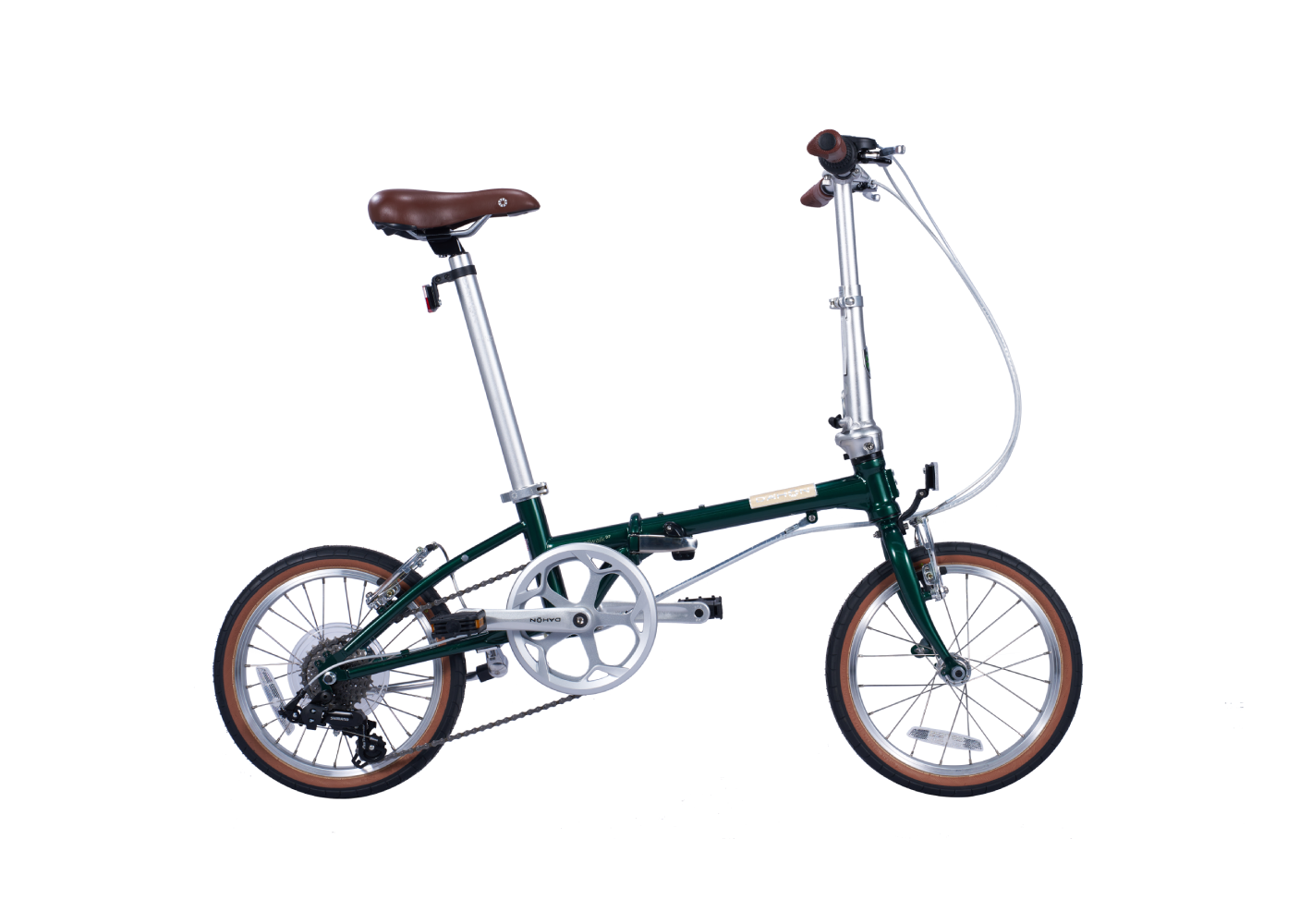
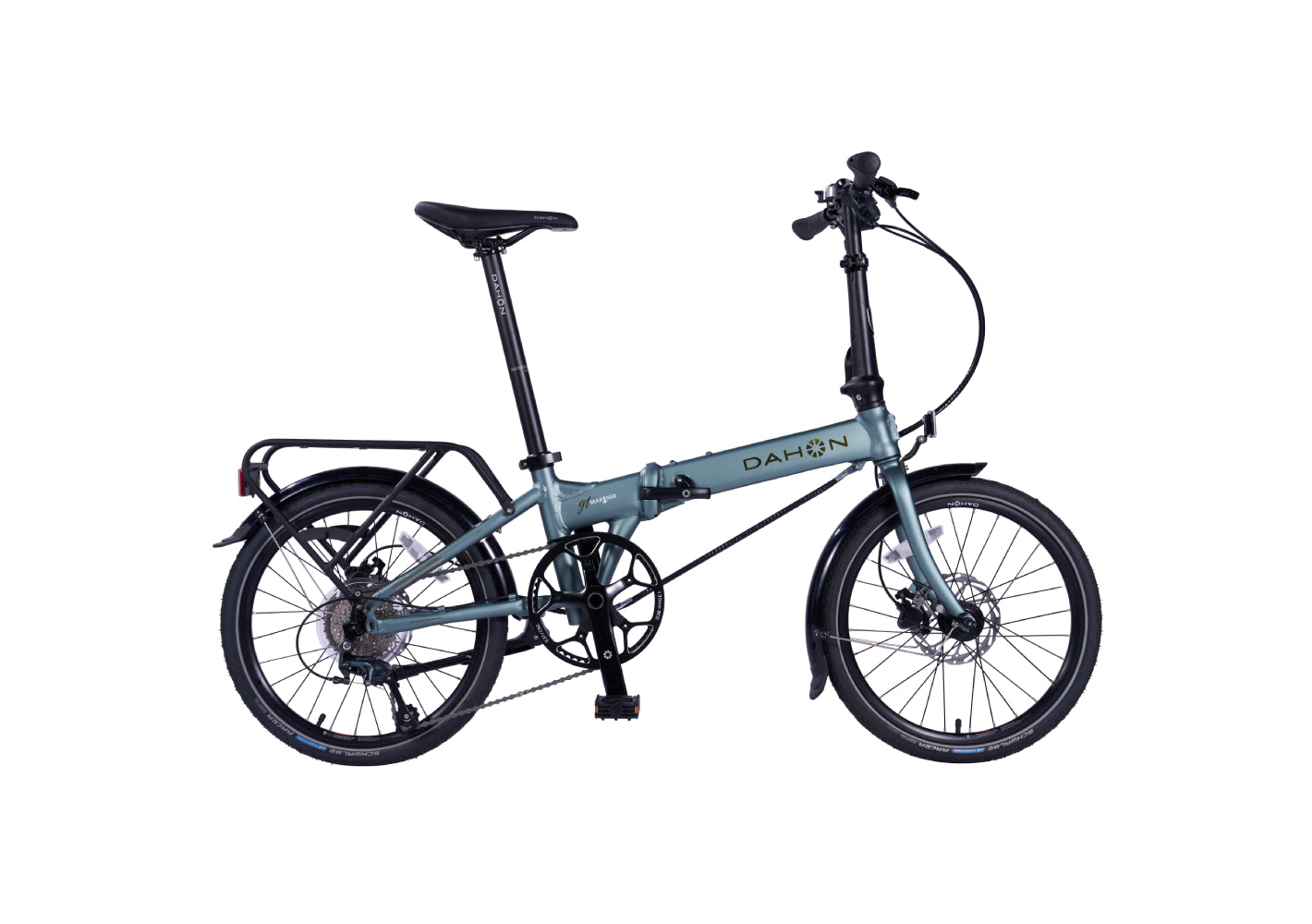
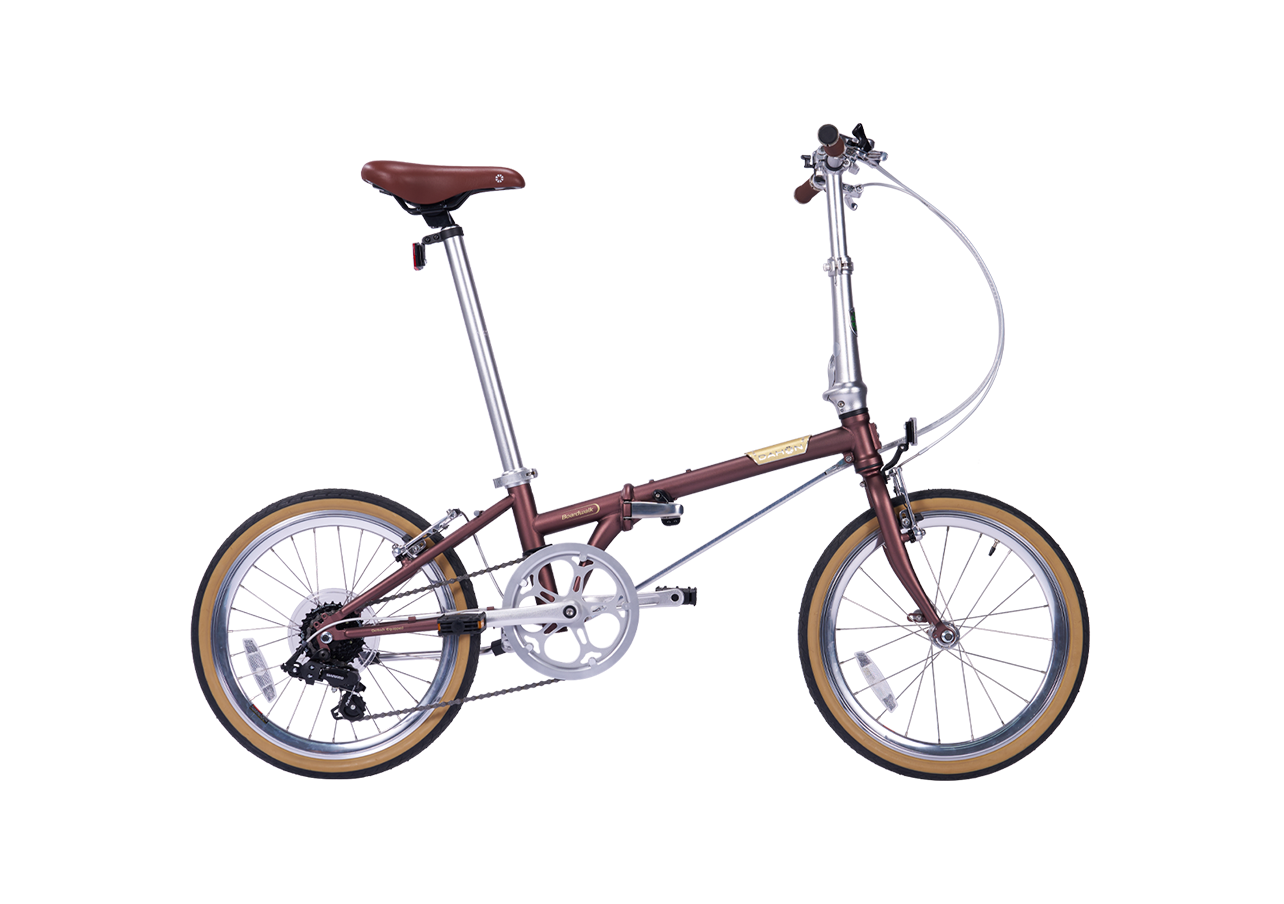
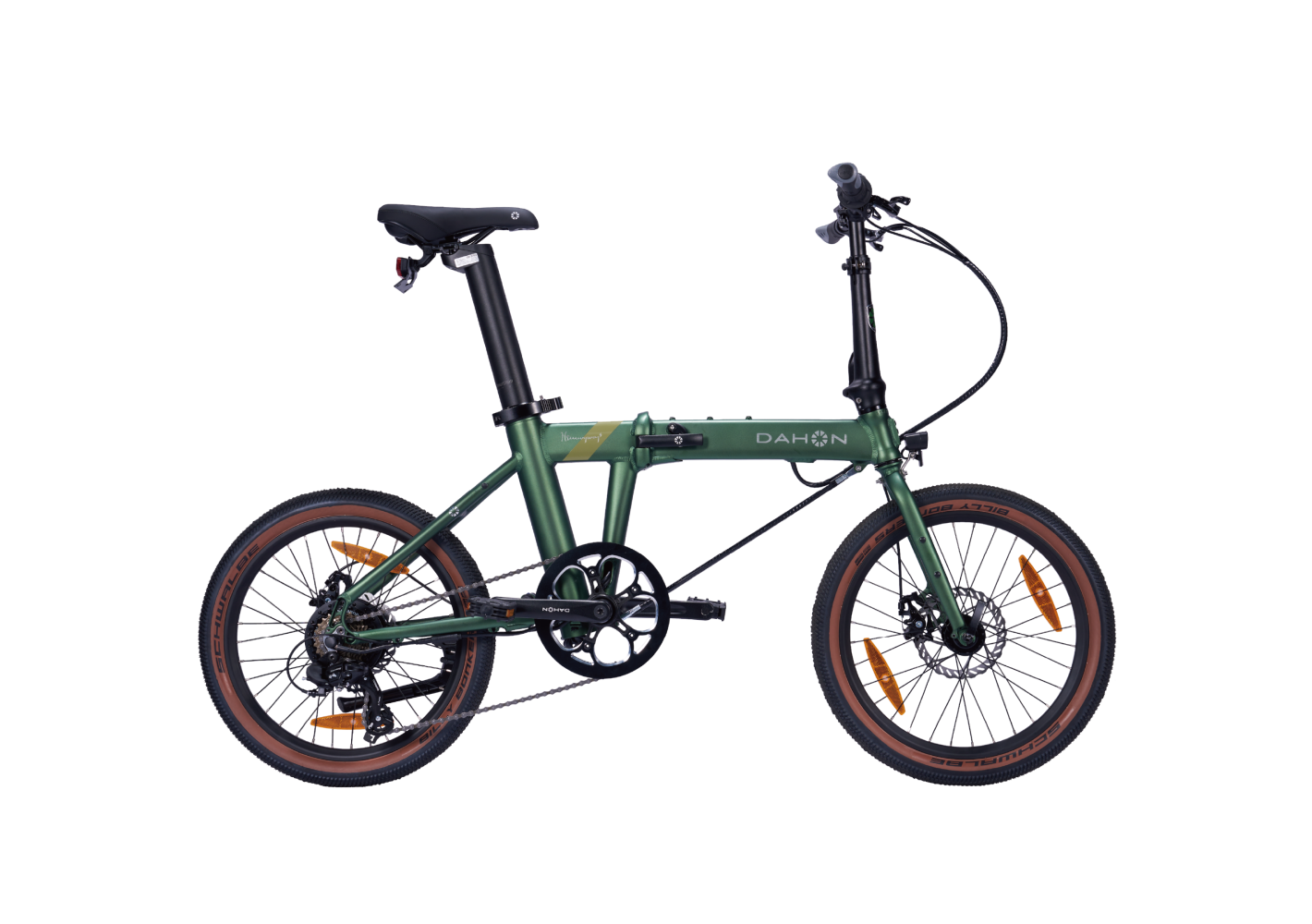
Modern folders are no longer clunky or slow. Bikes like the DAHON Mariner D8 offer a ride quality comparable to a full-size hybrid. They are the ultimate tool for the hybrid commuter who values both speed and convenience.
The "Last Mile" Solution
That 15-20 minute walk from the train station to your office? A folding bike cuts it to 5 minutes. Unfold at the platform, ride to your destination, fold it again, and bring it inside. No locks, no theft risk, no waiting for connecting buses. This turns public transit into a viable option for jobs or apartments that are slightly too far from the station to walk. If your commute involves hills, consider our electric bikes to make the journey even easier.
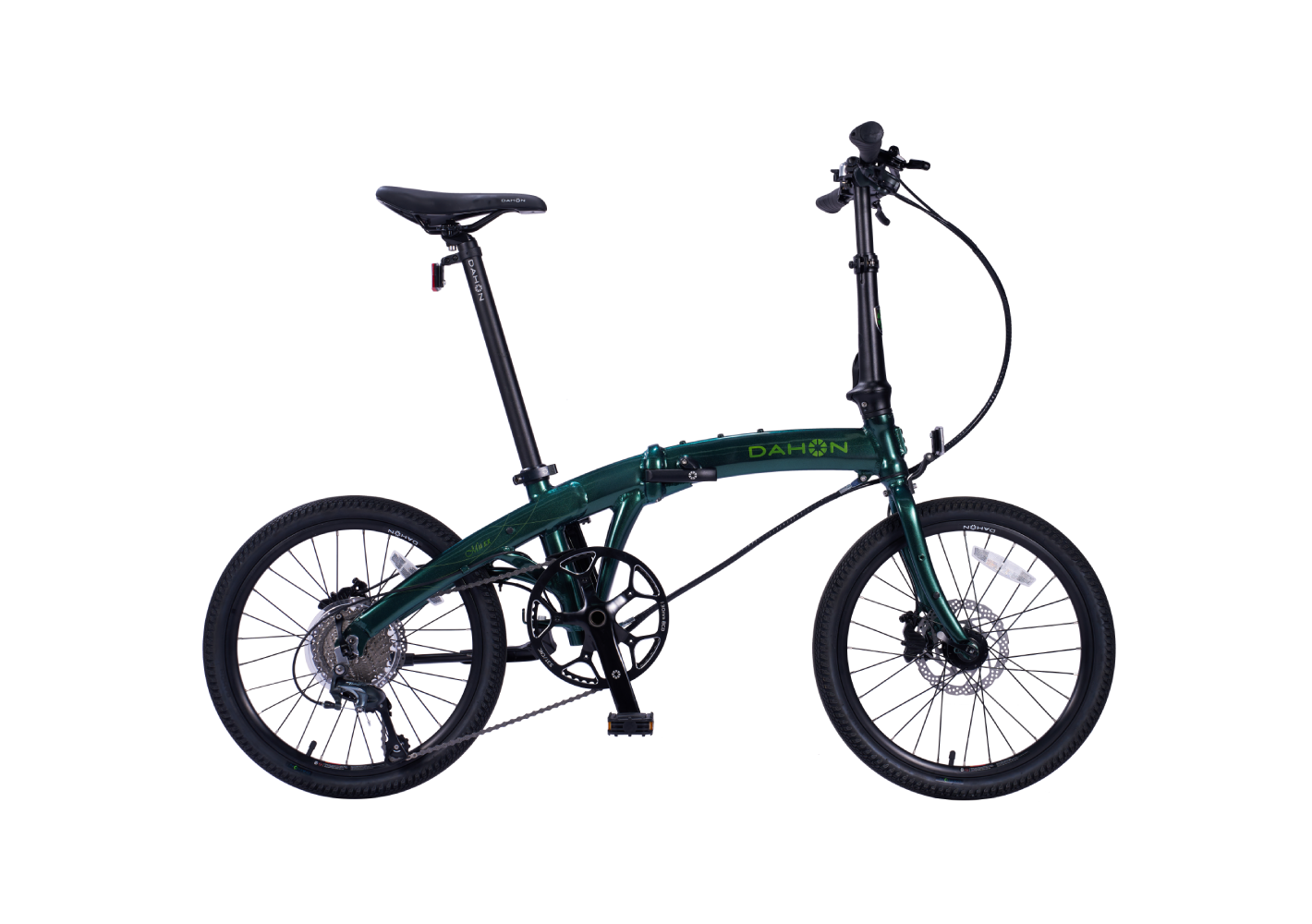
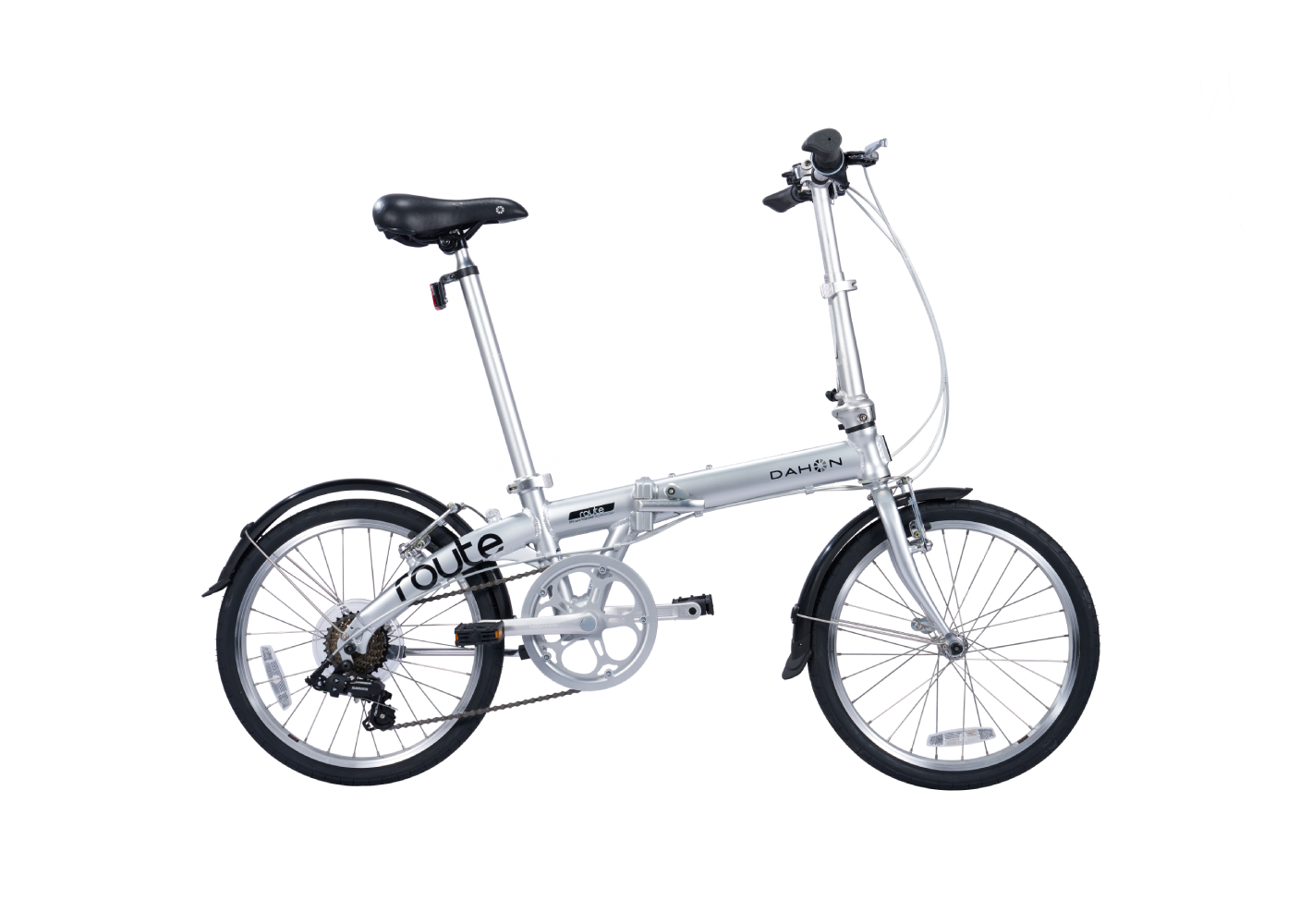
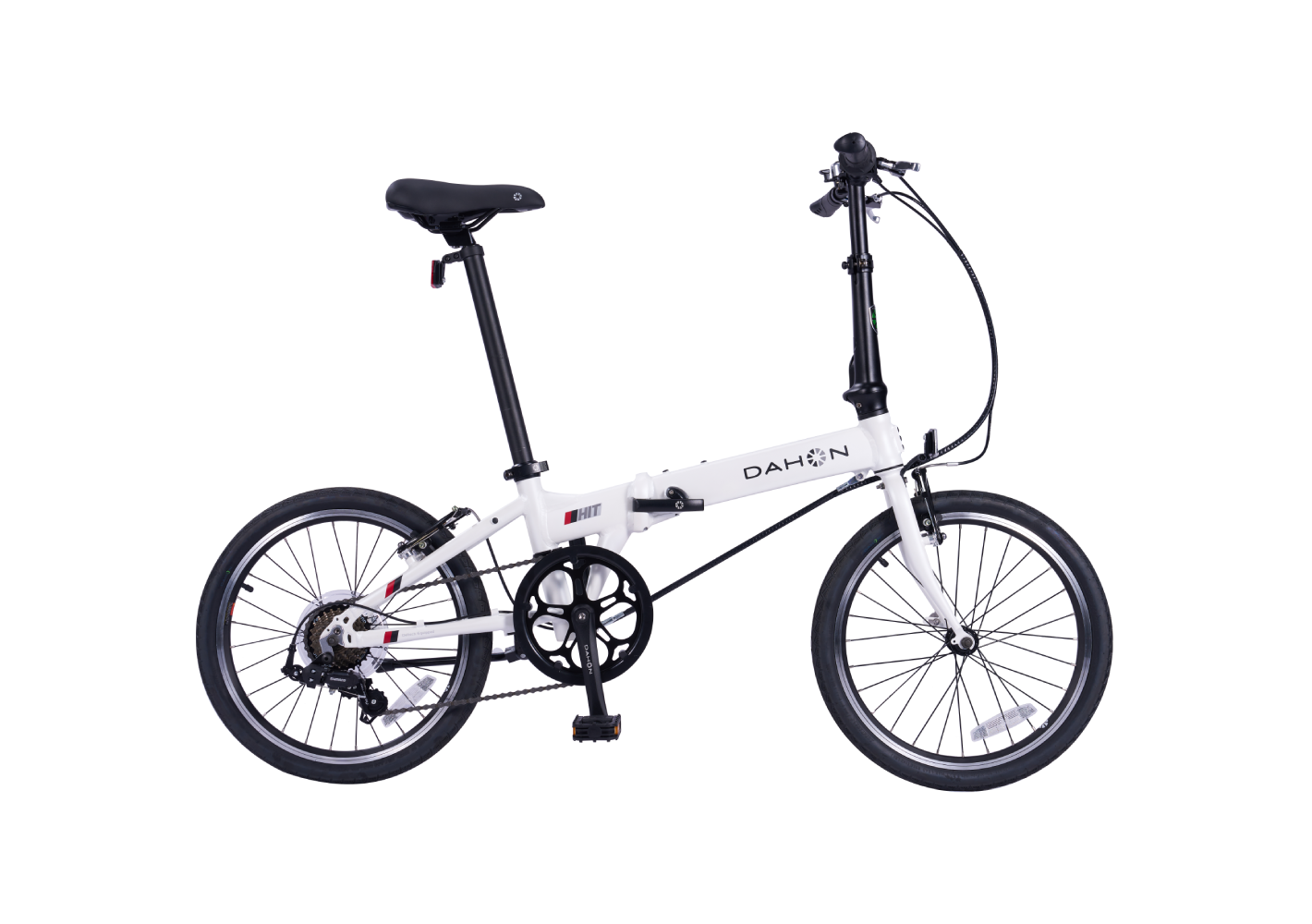
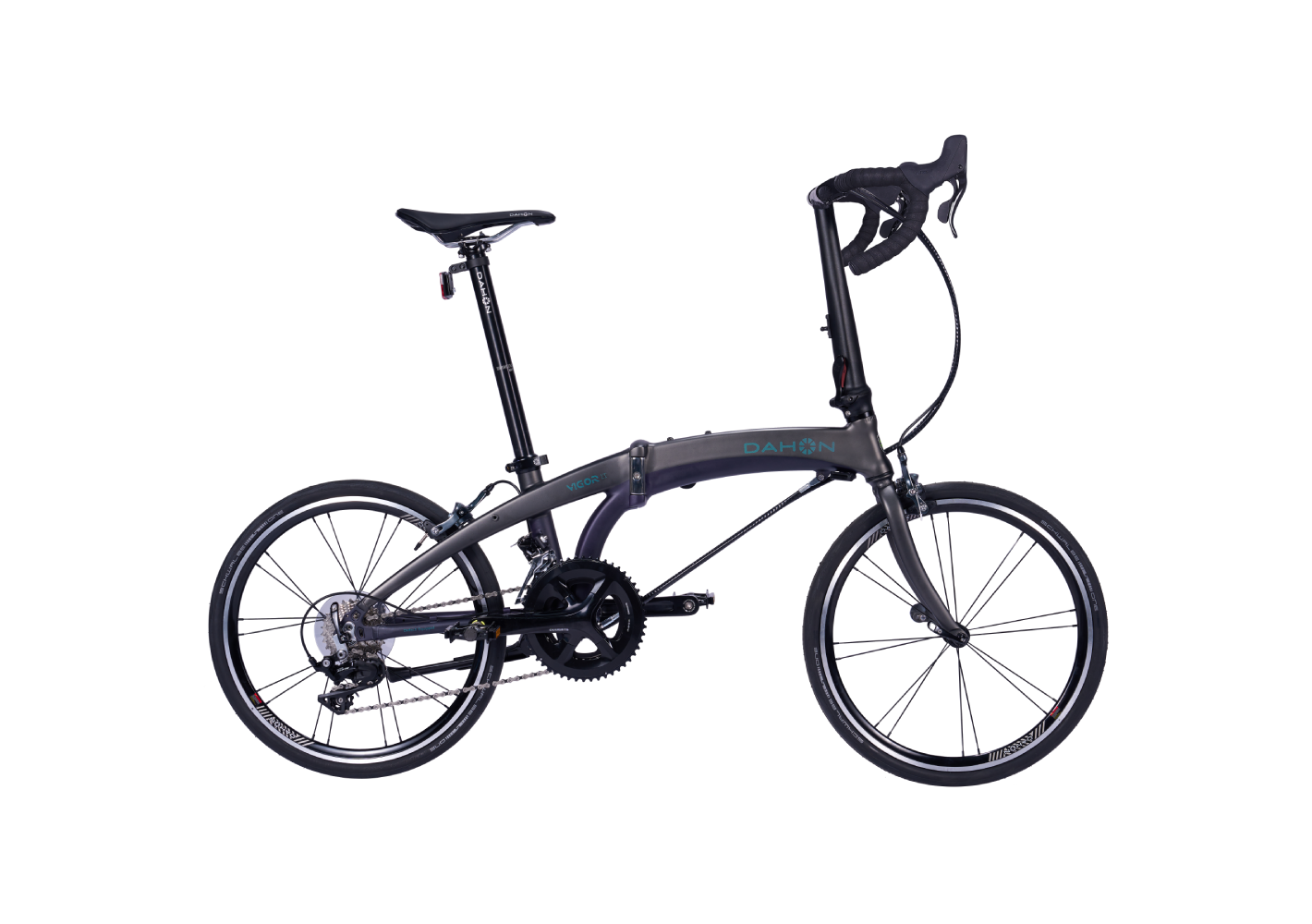
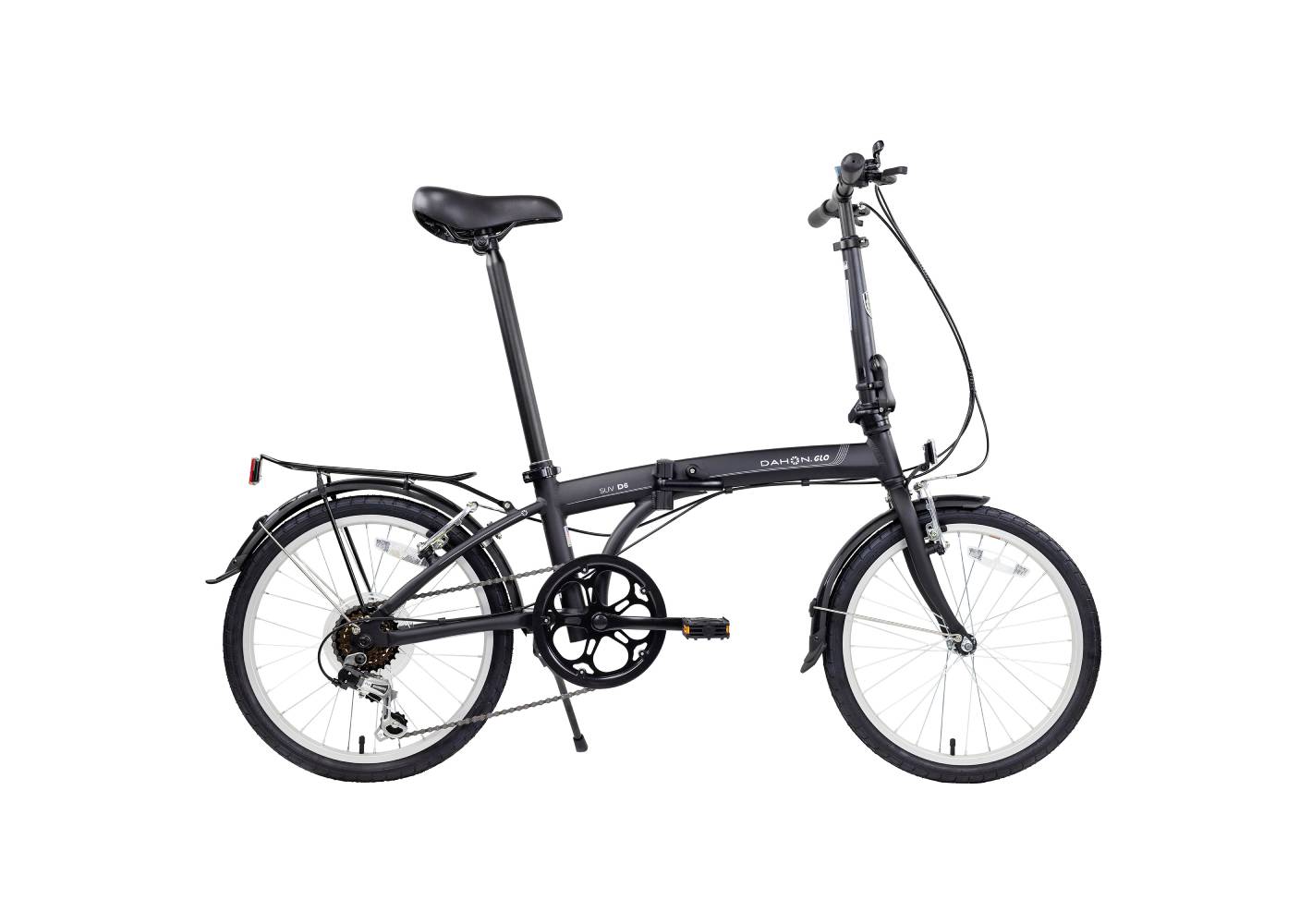
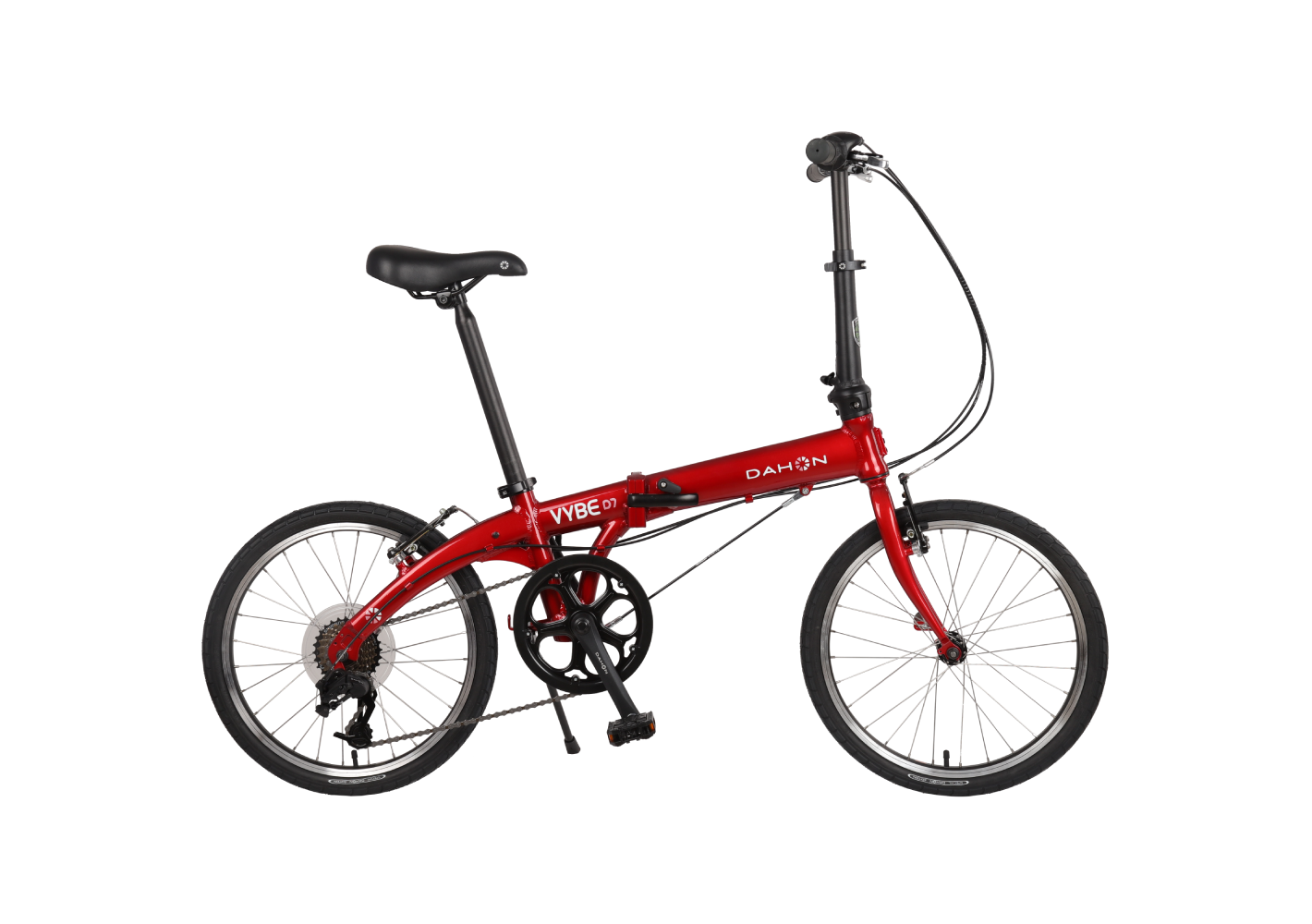
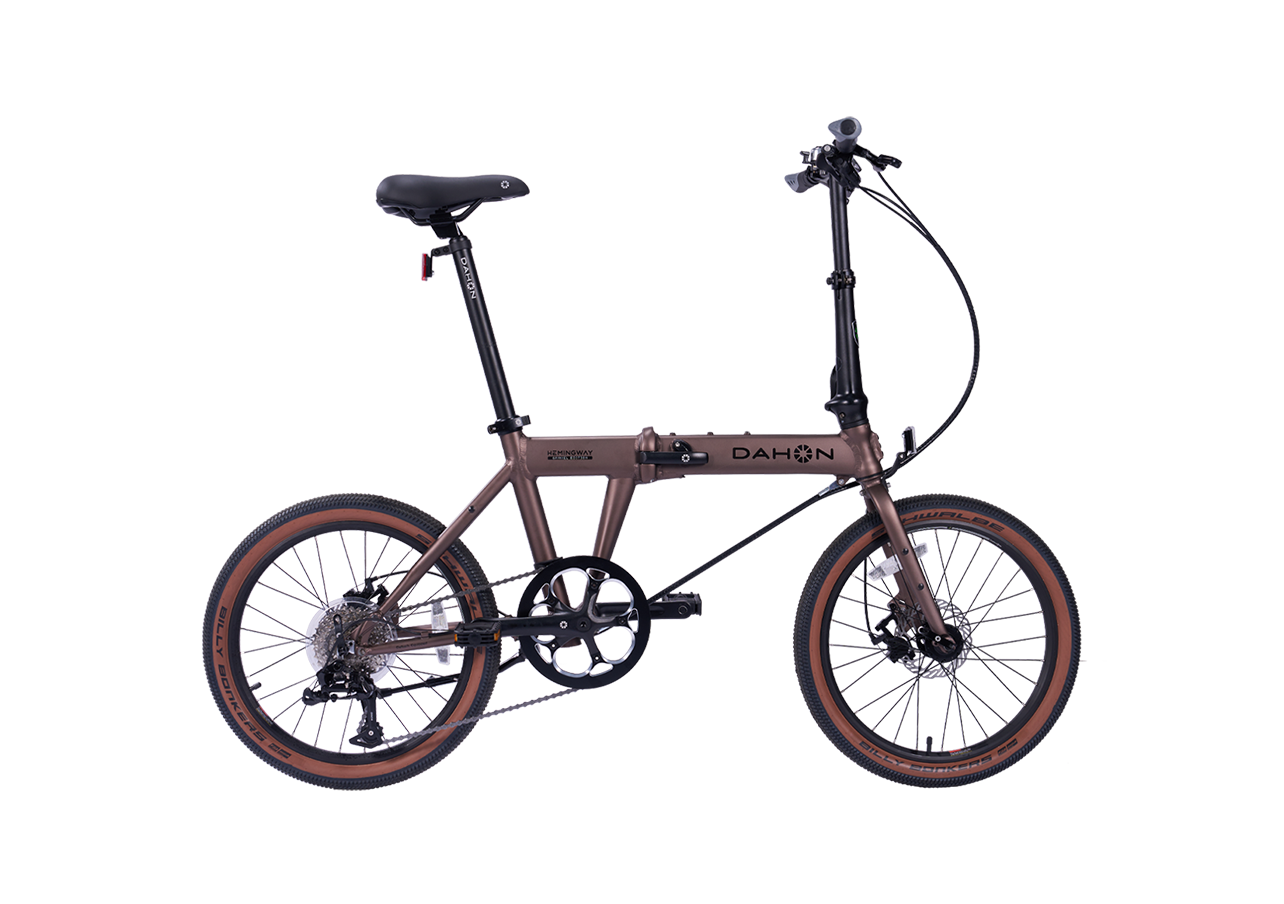
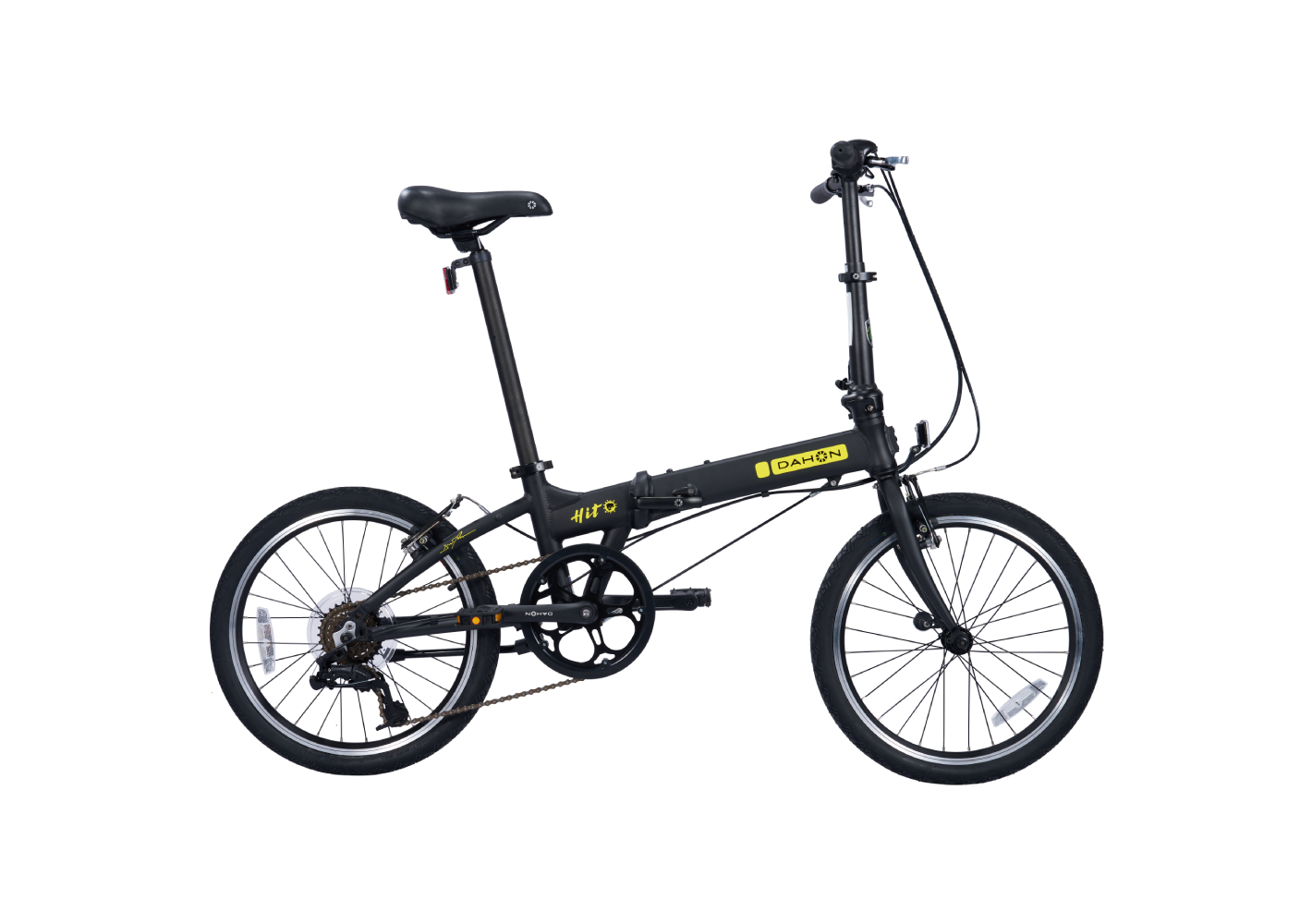
Ready to make your commute seamless? DAHON has spent 40+ years engineering folding bikes specifically for urban transit. Explore our folding bikes ranging from ultra-light (19 lbs) to full-featured (with gears and suspension) for your next trip.
FAQs About Bikes on Transit
Q1: Do I pay extra to bring my bike on the bus or train?
Most systems charge nothing for bikes. Some commuter rails require a one-time permit ($5-20). Folding bikes are almost always free.
Q2: Will a folding bike get grease on my clothes?
Quality folders have chain guards or position the chain inside the fold. For extra protection, use a lightweight carry bag or keep a microfiber cloth handy.
Q3: Are folding bikes too heavy to carry up stairs?
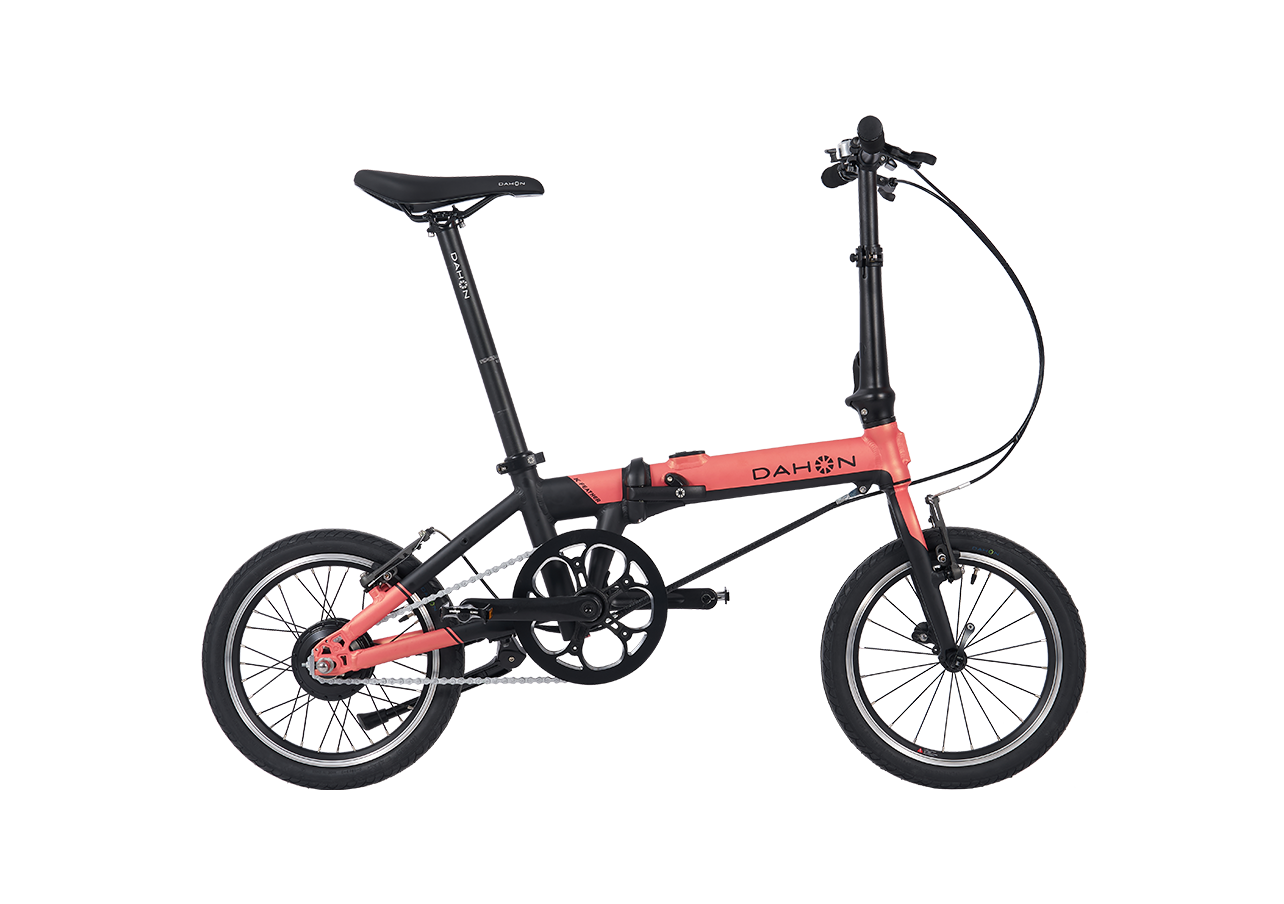
Lightweight models (19-26 lbs like the DAHON K3) are easy to carry with one hand. Heavier models (28-32 lbs) work better if your commute has elevators or if you can bump them down stairs on the rear wheel. Check our performance line for high-strength, low-weight options.
Q4: Can I bring an e-bike or cargo bike on transit?
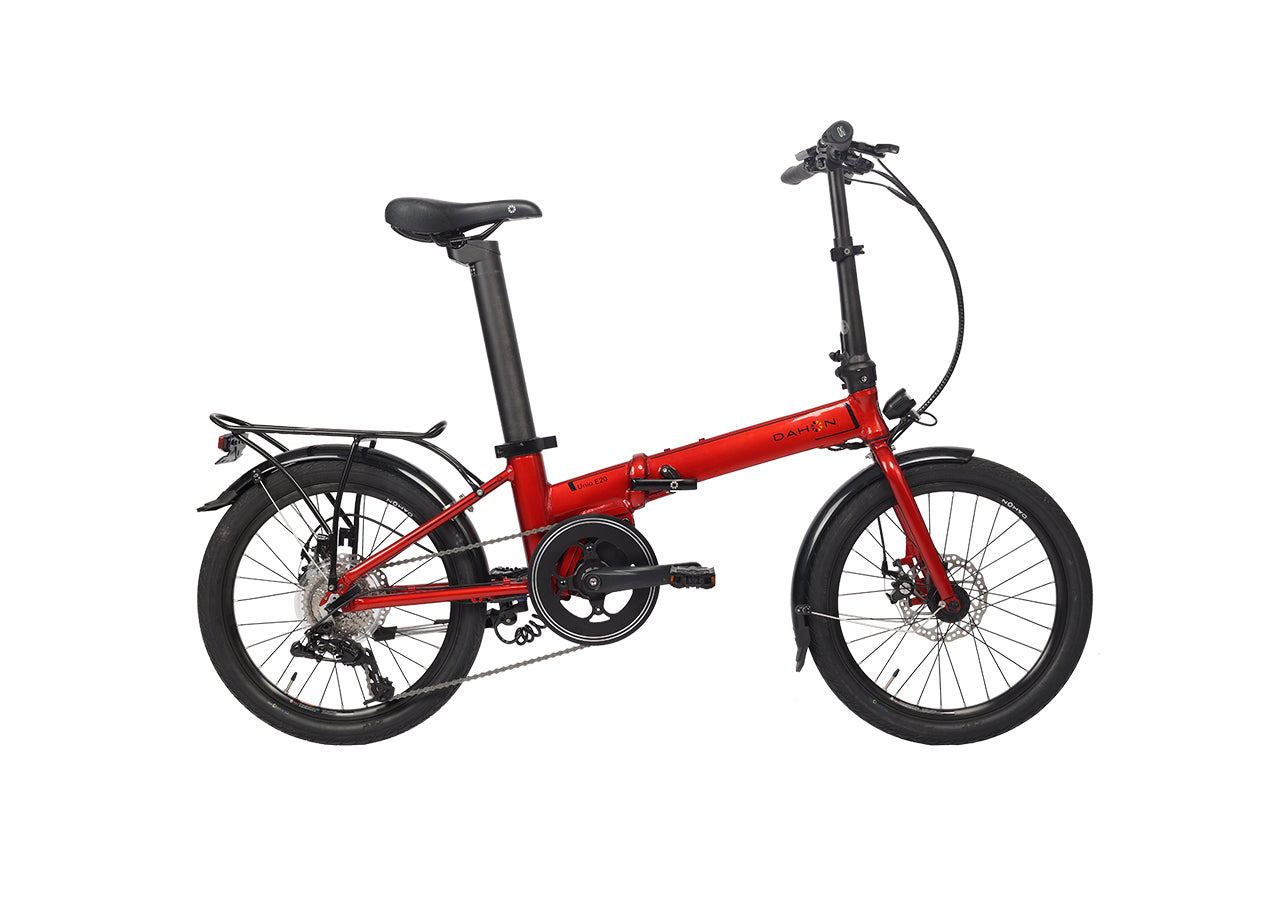
E-bikes and cargo bikes are usually banned due to weight and size, even if they fold. Check your transit agency's policy—some allow e-folders under 50 lbs. You can find specialized e-bikes that meet some city requirements in our catalog.












Share:
DAHON Recap: CABDA Midwest & West 2026
Regular Bikes vs. Folding Bikes: Pros & Cons — How to Choose the Right Ride