

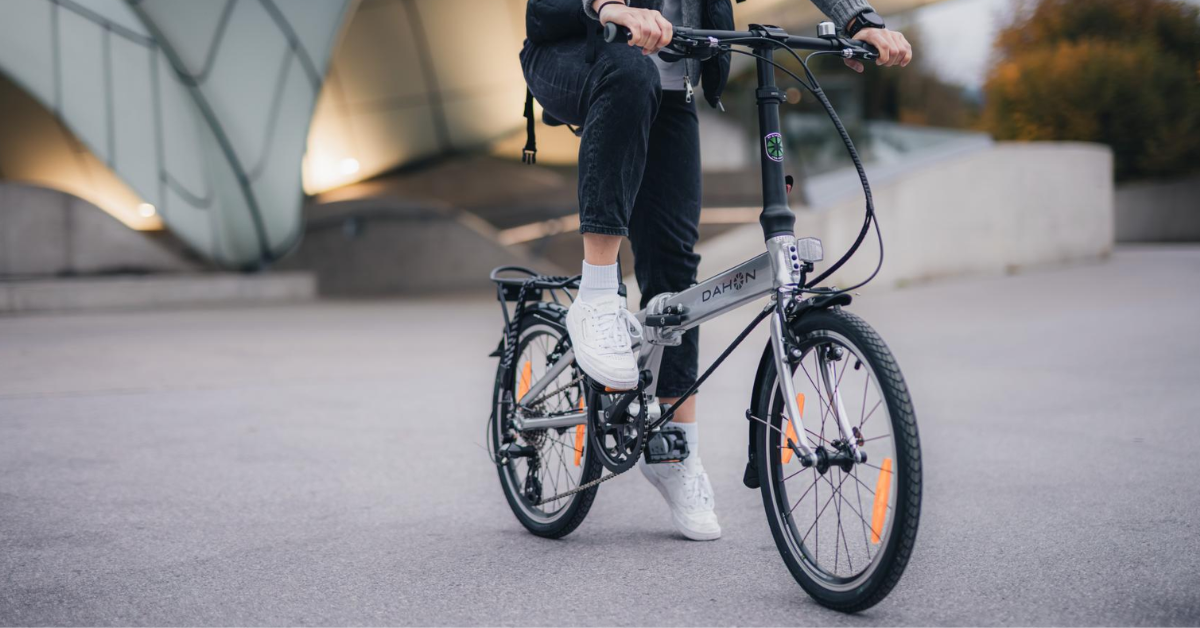
Picking the wrong folding bike size is easy when all three options look similar in photos. Wheel size shapes everything from how small the bike folds to how it handles a pothole. The right folding bike size comes down to where you ride, how far you go, and how you carry the bike when folded.
| Wheel Size | Best For | Folded Size | Ride Feel | Who It's For |
|---|---|---|---|---|
| 14" | Ultra-short trips, kids | Smallest | Direct | Kids or extreme portability |
| 16" | City commuting, transit users | Compact | Balanced | Daily subway/bus commuters |
| 20" | Longer rides, mixed use | Medium | Smooth | All-around adult riders |
The right wheel size depends on your commute and storage needs.
What Folding Bike Wheel Size Actually Changes
Wheel size changes three things at once: folded dimensions, ride comfort, and how efficiently you travel.
Folded Size
Smaller wheels fold into a tighter package. A 16-inch folding bike collapses to roughly the size of a shopping bag and fits under a bus seat or in designated luggage areas. A 20-inch bike folds smaller than a suitcase but takes up noticeably more space than a 16-inch model.
Ride Comfort
Larger wheels roll over road imperfections more smoothly. A 20-inch wheel absorbs cracks and bumps better than a 14-inch wheel. The gap between 16-inch and 20-inch is real but manageable for most city surfaces.
Speed Efficiency
Smaller wheels complete more revolutions per mile. Manufacturers compensate with larger chainrings or smaller rear cogs, so pedaling cadence stays similar across wheel sizes.

Why 14-Inch Wheels Are the Most Portable
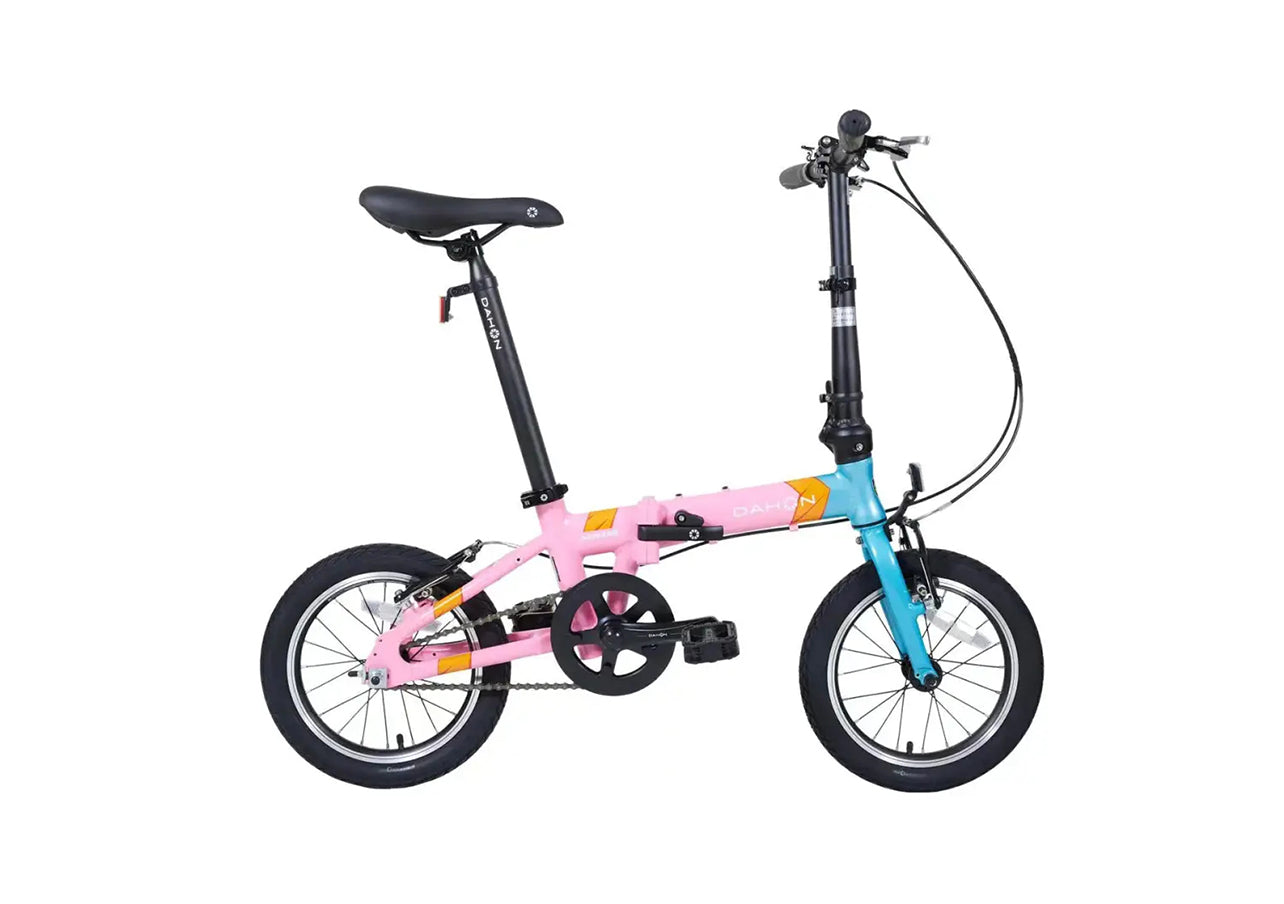
A 14-inch folding bike offers the smallest folded footprint of any wheel size. It fits in a car trunk without adjusting seats, slips into tight closets, and travels well as checked luggage.
The tradeoff is noticeable on pavement. Smaller wheels offer more direct road feedback, and surface irregularities come through more clearly. That makes 14-inch wheels well-suited to smooth, short trips and a less comfortable fit for rougher city streets.
14-inch wheels are the right choice if:
- You ride less than 3 miles (5 km) per trip on smooth pavement.
- You need the most compact fold available for car storage or travel.
- You are buying for a child in the 85 cm to 125 cm height range.
14-inch wheels are not the right choice if:
- You commute daily on city streets with regular cracks and gaps.
- You are an adult rider covering more than a few miles per trip.
16-Inch Wheels Are Built for Daily Commuters
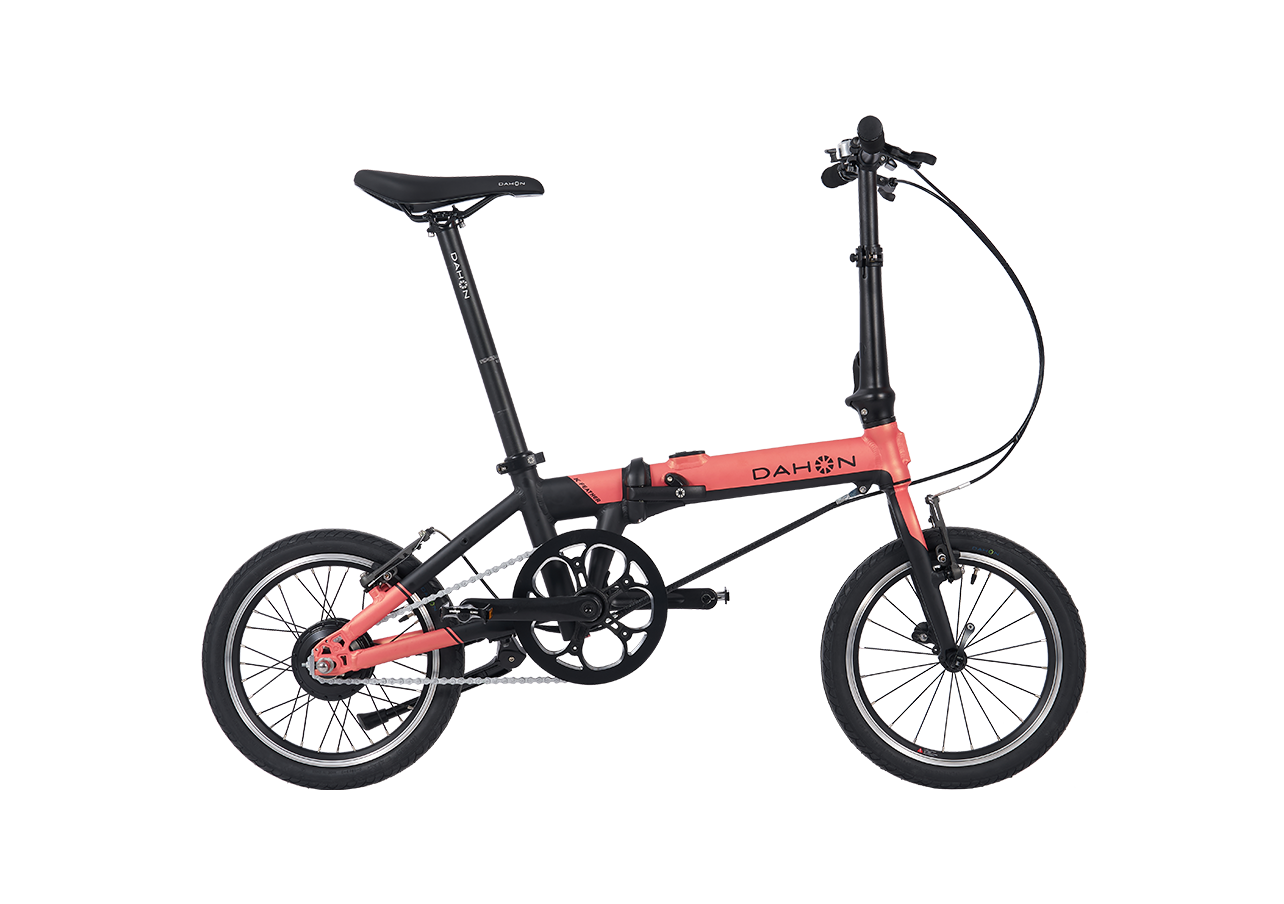
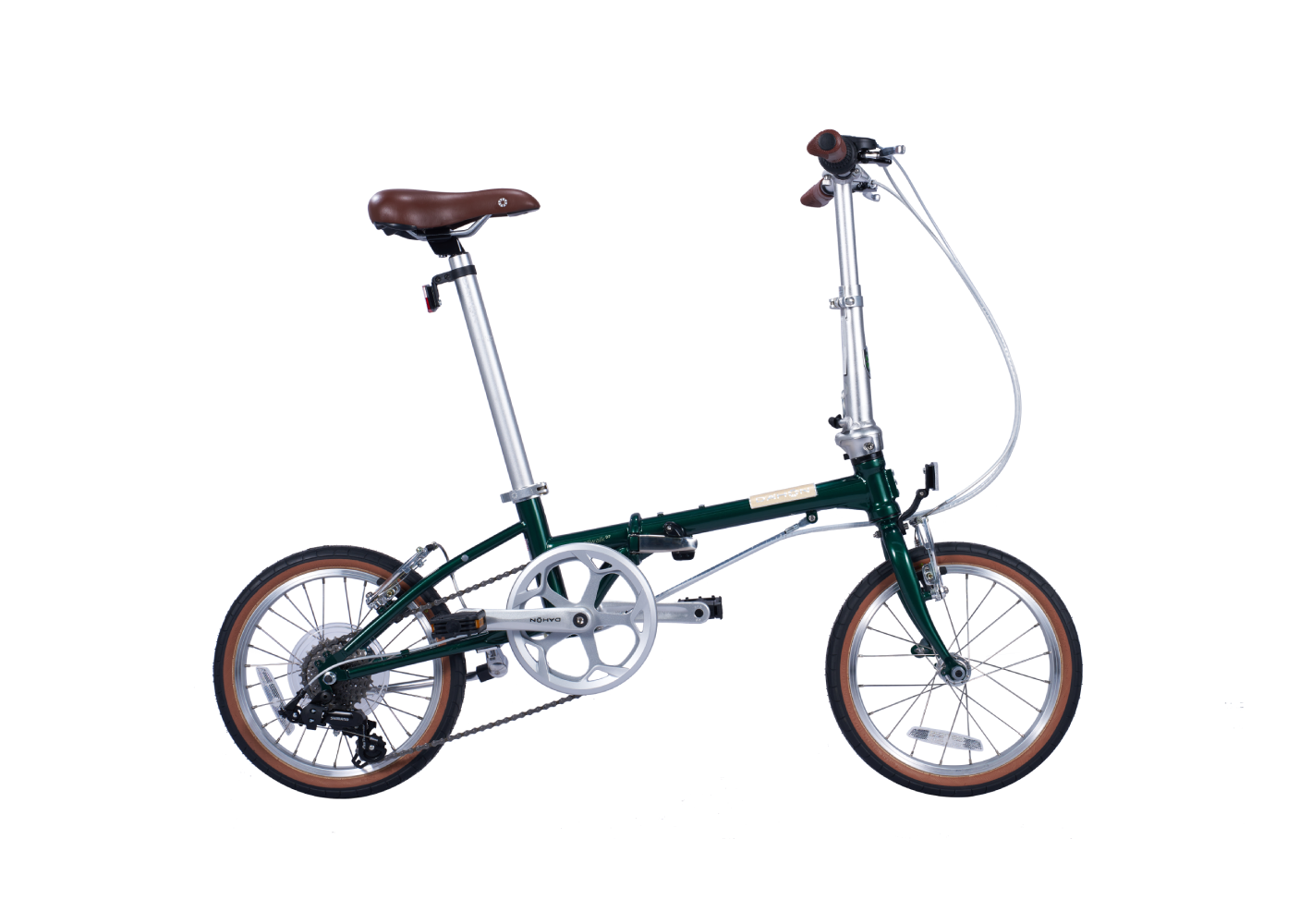
A 16-inch folding bike sits at the intersection of compact size and practical ride quality. It folds small enough to carry onto a subway or city bus, and it rides well enough for a 5- to 7-mile (8 to 11 km) daily commute on mixed urban terrain.
Transit Compatibility
A folded 16-inch bike fits in most transit luggage areasorelevator corners. Two fit side by side in the trunk of a midsize sedan, making multi-modal commuting genuinely workable.
Ride Feel vs. 20-Inch
The ride is firmer than 20-inch on pothole-heavy streets, but most urban commuters adapt quickly. Slightly wider tires help on rougher roads.
Height Range
Most 16-inch folding bikes suit riders from about 5 feet 0 inches to 6 feet 0 inches (152 cm to 183 cm), with telescoping seat posts and adjustable stems to fine-tune the fit.
16-inch wheels are the right choice if:
- You combine cycling with transit on your daily commute.
- You need to store the folded bike in a small apartment or under a desk.
- Your typical trip runs between 2 and 7 miles (3 to 11 km).
Why 20-Inch Wheels Work for Most Adult Riders
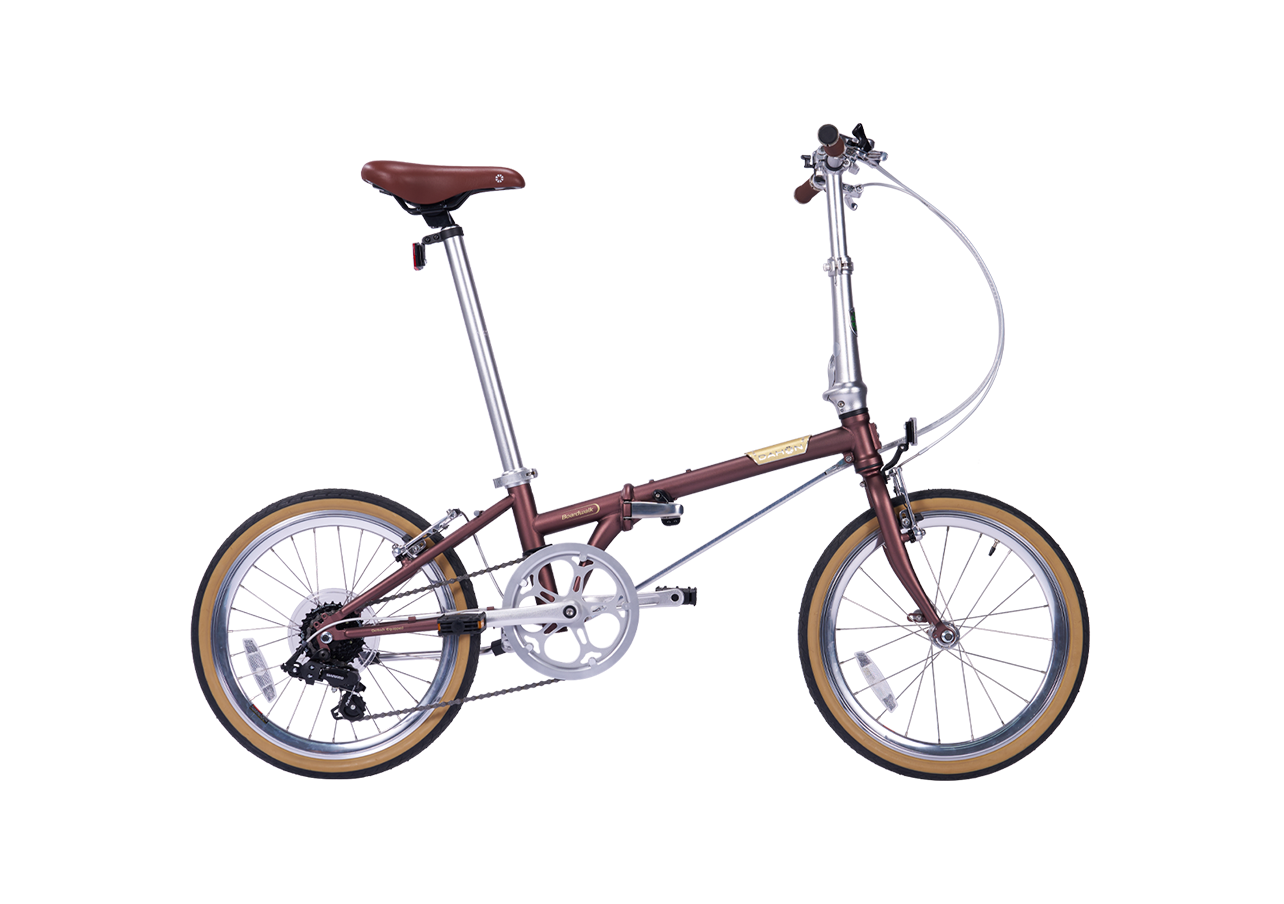
The 20-inch wheel is the most popular folding bike size for adults. It rolls smoothly over typical city pavement, handles light trail surfaces, and fits a wide range of heights. The folded bike still fits in a car trunk or against a wall at home.
For commutes between 3 and 15 miles (5 to 24 km), a 20-inch folding bike handles the distance well. Wider tire options and accessories like racks and fenders are also easier to find in this size.
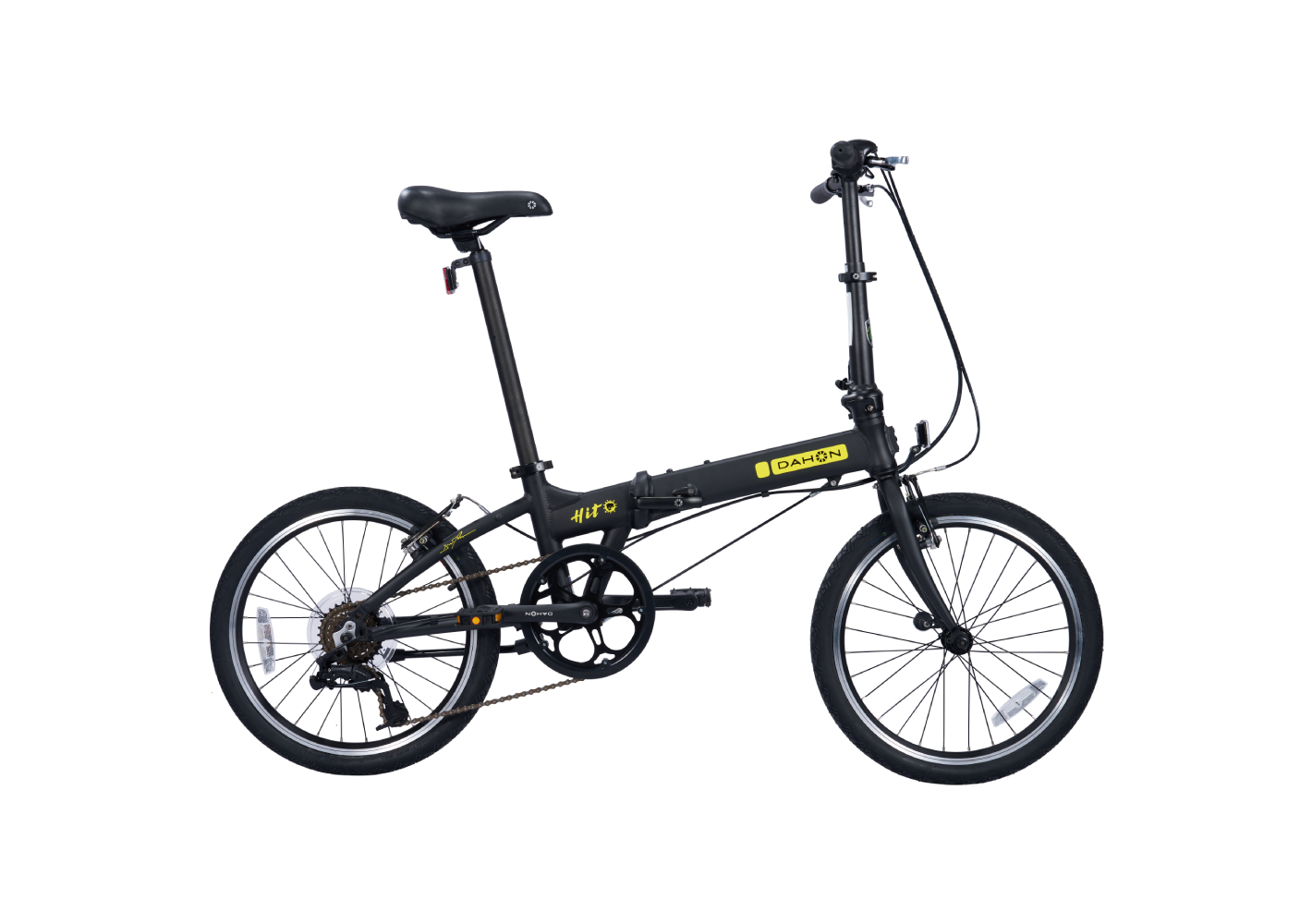
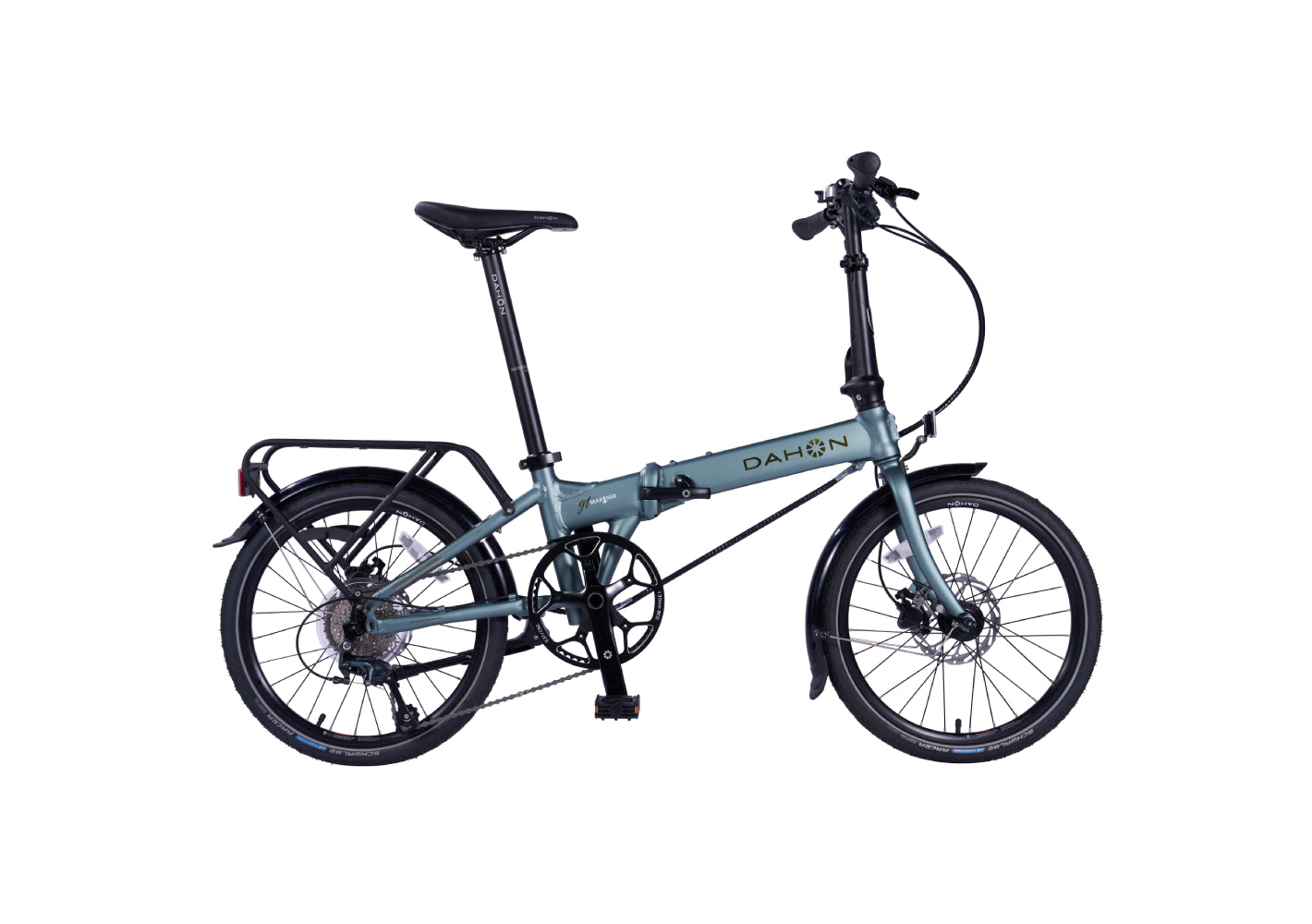
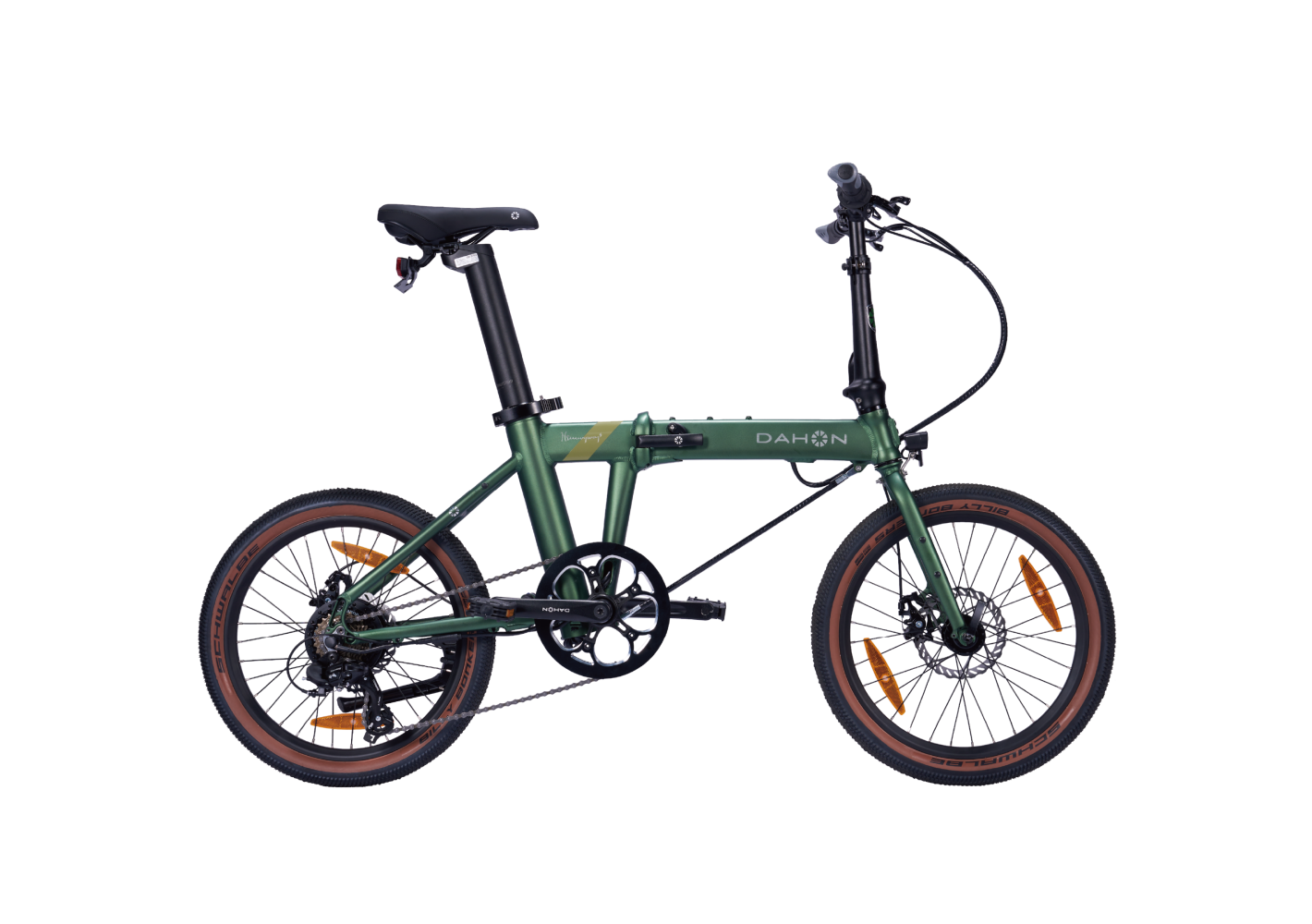
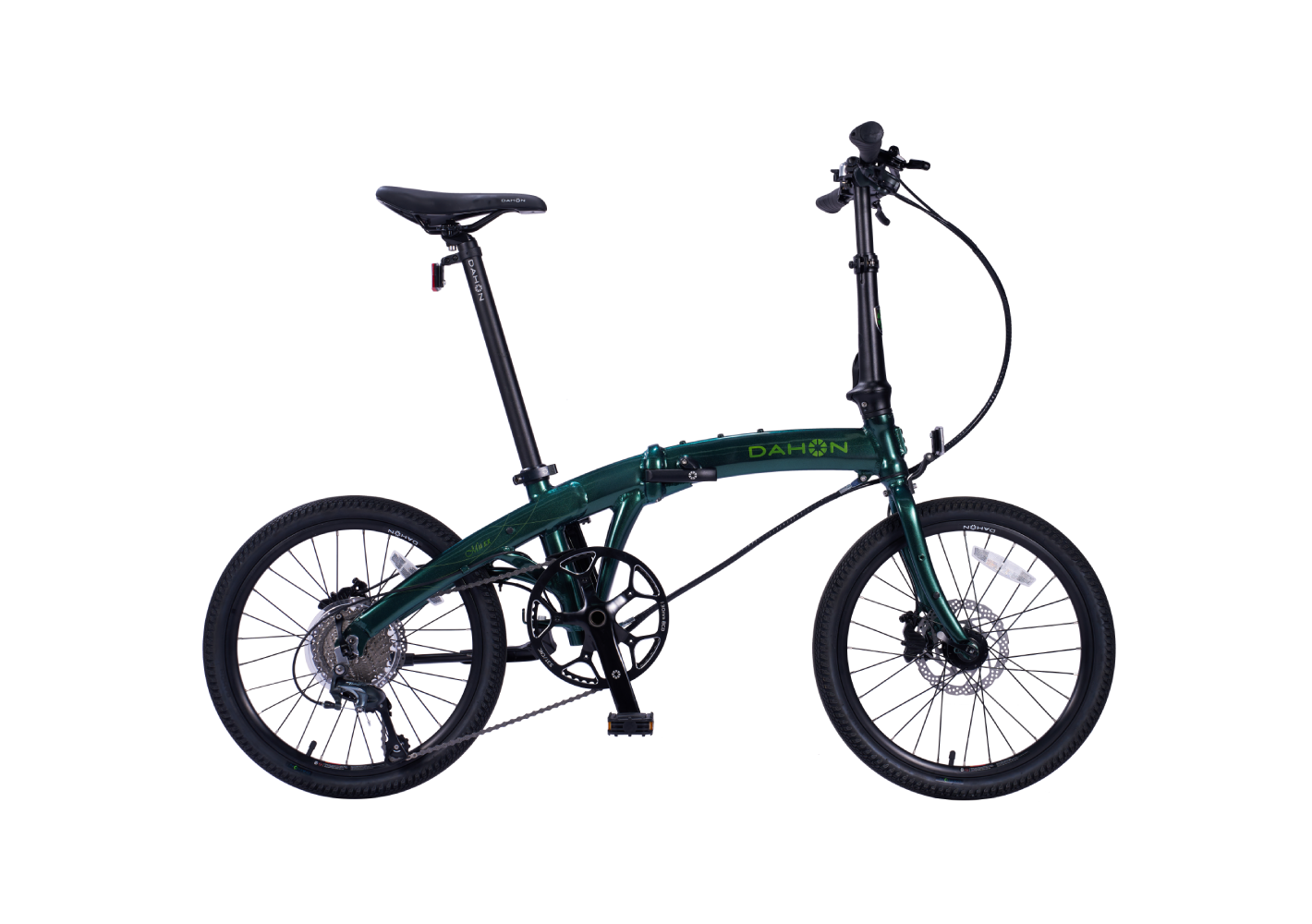
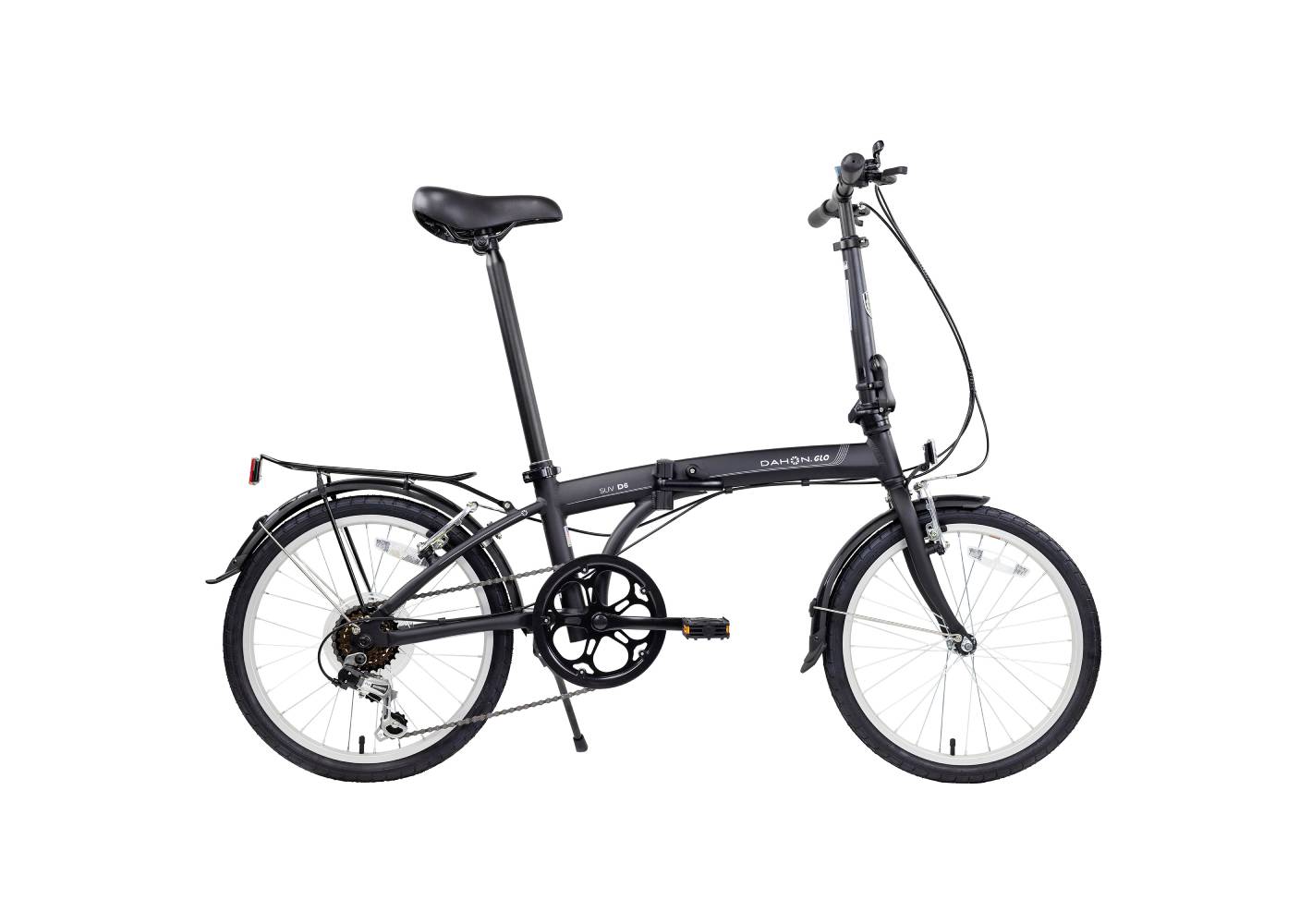
Models like the Dahon Mariner D8 and Boardwalk D7 (20-inch) are built for city use with multi-speed drivetrains that handle both short hops and longer mixed-terrain rides.
20-inch wheels are the right choice if:
- You ride more than 3 miles (5 km) per trip on city or mixed-surface roads.
- You want the widest range of tire and accessory options.
- You are looking for an all-around adult folding bike that handles varied conditions.
Do Small Folding Bike Wheels Make You Slower
No. Small wheels actually accelerate faster than large ones because they have less rotational mass to spin up. They are also often lighter and have a smaller aerodynamic profile.
Bigger wheels do not automatically mean faster riding.
Dahon's DAHON-V technology narrows the performance gap further, helping small-wheeled bikes perform efficiently and maintain competitive cruising speeds.
In real commuting, gear ratio affects speed more than wheel diameter. A well-geared 16-inch bike keeps pace with a poorly geared 20-inch bike.

How to Pick the Right Size for Your Height
Most folding bikes across all three wheel sizes offer adjustable seat posts and telescoping stems. Here is a practical starting point:
| Rider Height | Recommended Wheel Size |
|---|---|
| Under 4'1" (125 cm) | 14-inch (children's models) |
| 5'0" to 6'0" (152 to 183 cm) | 16-inch or 20-inch |
| 4'5" to 6'2" (135 to 188 cm) | 20-inch (widest fit range) |
Height alone does not determine fit.Inseam length and arm reach matter too. If possible, test both a 16-inch and 20-inch before deciding, or check the seat post and stem adjustment range in the product specs.
How to Pick the Right Size for Your Commute
Folding bike size and commute length line up in a predictable pattern.
| Commute Distance | Best Wheel Size |
|---|---|
| Under 3 miles (5 km), smooth surface | 14-inch |
| 2 to 7 miles (3 to 11 km), multi-modal | 16-inch |
| 3 to 15 miles (5 to 24 km), mixed terrain | 20-inch |
Storage matters too. If you carry the bike onto transit daily, 16-inch wins on compactness. For longer stretches with the bike stored at an office or in a car, 20-inch handles the distance better.
Find Your Folding Bike Size
Wheel size sets the baseline for everything else on a folding bike. Shorter trips and tighter storage spaces favor 14-inch and 16-inch options. Longer, more varied commutes are better handled by 20-inch wheels. Your height, your route, and how you carry the bike when folded are the three things to work through before deciding.
If you are ready to pick your size, Dahon folding bikes cover all three wheel sizes with more than 40 years of engineering behind each model.
FAQ
Q1: Is a 20-Inch Folding Bike Good for Commuting?
Yes. A 20-inch folding bike handles commutes between 3 and 15 miles (5 to 24 km) comfortably on city pavement and mixed-surface routes. It rides smoother than smaller wheel sizes and offers more tire and gear options. It folds small enough for car trunks and most office storage.
Q2: Can Adults Ride a 14-Inch Folding Bike?
Yes, but with limits. Adults can ride a 14-inch folding bike, and the seat post on most models adjusts to average heights. The practical issue is ride quality:14-inch wheels offer more direct road feedback, which becomes tiring over longer distances. For daily commuting, 16-inch or 20-inch wheels suit adults better.
Q3: What Folding Bike Wheel Size Fits on a Subway or Bus?
A 16-inch folding bike is the standard choice for subway and bus commuters. Folded, it fits under most transit seats and reduces to roughly the size of a shopping bag. A folded 20-inch bike also fits on many transit systems but takes up more floor space. Check your transit authority's folded bike policy before buying.
Q4: Does a Smaller Folding Bike Wheel Make the Ride Harder?
Yes, slightly. Smaller wheels transfer more road vibration because they have less air volume to absorb bumps. On smooth pavement, the difference is minor. On cracked city streets, it becomes noticeable over longer rides. Slightly wider tires on 16-inch or 20-inch models reduce the impact. Keep 14-inch wheels to short, smooth routes.











Share:
Flying with a Folding Bike: How to Skip the Fees and Travel Light
Are Folding Bikes Good for Long Rides? Breaking the Myth