


A folding bike is only as good as its hinge. If your frame creaks on every pedal stroke, or the latch feels stiff and gritty when you fold, the hinge is telling you it needs attention. Many riders oil their chain on a regular schedule but skip the metal joint at the center of the frame, the one that bears their full weight on every ride. A few minutes of the right maintenance keeps that joint quiet, smooth, and safe for the long run.
Quick-Reference Guide
| Symptom | Likely Cause | Fix |
|---|---|---|
| Creaking while pedaling | Dry or gritty hinge interior | Clean and apply dry lube |
| Stiff or sticky latch | Hardened old grease and debris | Degrease and re-lube |
| Wobbling frame after locking | Tension needs adjustment | Re-tune tension screw |
| Latch is hard to close | Over-tightened tension nut | Professional adjustment |
| Squeaking after chain lube | Hinge joint still dry | Lube hinge separately |
Why the Hinge Carries the Most Stress on Your Bike
On a standard bicycle, the frame is one continuous rigid triangle. The geometry spreads road forces across the whole structure. On a folding bike, that triangle is split at the center, and a single hinge connects both halves.
Every time you accelerate, climb a hill, or roll over a crack in the pavement, the torque and your body weight pass through a metal joint only a few inches wide. That is a large amount of mechanical load concentrated in one place.
Why Wear Builds Up Quietly
The hinge is never truly still when the bike is locked and in use. Even in its closed position, the two metal faces press against each other under load, and road vibration produces tiny movement between those surfaces with every pedal stroke.
Dust, rain, and sweat find their way into that gap over time. Once dry grit enters the joint, it acts like fine sandpaper. Each flex of the frame grinds those particles against the metal contact surfaces. Without regular cleaning and lubrication, that gradual wear can accumulate faster than most riders expect.
The Hidden Risk of Neglect
The bigger concern goes beyond noise. A dry, dirty hinge puts extra stress on the latch hardware. The latch works harder to keep the hinge locked when the joint surfaces are grinding instead of sliding cleanly. Overworked latches wear out ahead of schedule. Keeping the hinge clean is not only about comfort. It directly affects how long your safety hardware holds up.
Three Signs Your Folding Bike Needs Attention
Rhythmic Creaking When You Ride
Many riders assume a creak points to the bottom bracket or pedals. On a folding bike, a creak or clunk that shows up when you stand on the pedals or push hard through a sprint is most often coming from the main hinge. When the joint is dry or contaminated with grit, the metal faces grind against each other under load. That is the sound of insufficient lubrication, and it calls for hinge maintenance rather than more chain oil.
Stiff or Sticky Folding Action
A well-maintained latch opens and closes with a crisp, clean feel and a distinct click as it seats. If you need extra force to flip the lever, or if the pivot feels sluggish and gummy, old lubrication has mixed with dust and hardened inside the pin bore. The joint needs to be cleaned and re-lubricated before the problem worsens.
Wobble After the Latch Is Closed
This is the most critical warning sign. If the latch is fully closed but you can still detect a small amount of movement by pushing and pulling the handlebars gently, the hinge tension needs adjustment. Riding with even minor looseness puts repeated stress on the latch mechanism and accelerates wear. If you feel any wobble, stop riding and have it inspected before your next ride.

The Right Way to Clean and Lubricate the Main Joint
Adding lubricant on top of a dirty hinge mixes fresh oil into old residue and turns the whole thing into a grinding paste. Always clean the joint first.
Step 1: Clean the Hinge Thoroughly
Open the bike so the hinge is fully accessible. Use a clean microfiber cloth to wipe away visible oil residue and surface dirt from the hinge faces, the pivot pin area, and the latch housing. For buildup in tight gaps, an old toothbrush with a small amount of citrus-based degreaser works well. Work the degreaser into the gap, scrub gently, and wipe everything dry with a clean cloth.
Let the hinge air-dry completely before moving on. Degreaser residue left behind will break down the fresh lubricant you are about to apply.
Step 2: Apply the Right Lubricant
Use a dry PTFE (Teflon) lubricant or a light bike-specific lubricant. These are thin enough to penetrate tight metal gaps and leave a dry film once the carrier evaporates, so they do not attract road dust the way wet oils do.
Apply a few drops to both ends of the hinge pivot pin and at the pivot points of the latch lever. Then open and close the hinge five or six times to work the lubricant into the interior surfaces.
Step 3: Wipe Off the Excess
Any lubricant left sitting on exposed outer surfaces collects road dust and turns into grime. Use a paper towel to wipe every external surface of the hinge dry. The lubrication belongs inside the joint, not on the outside.
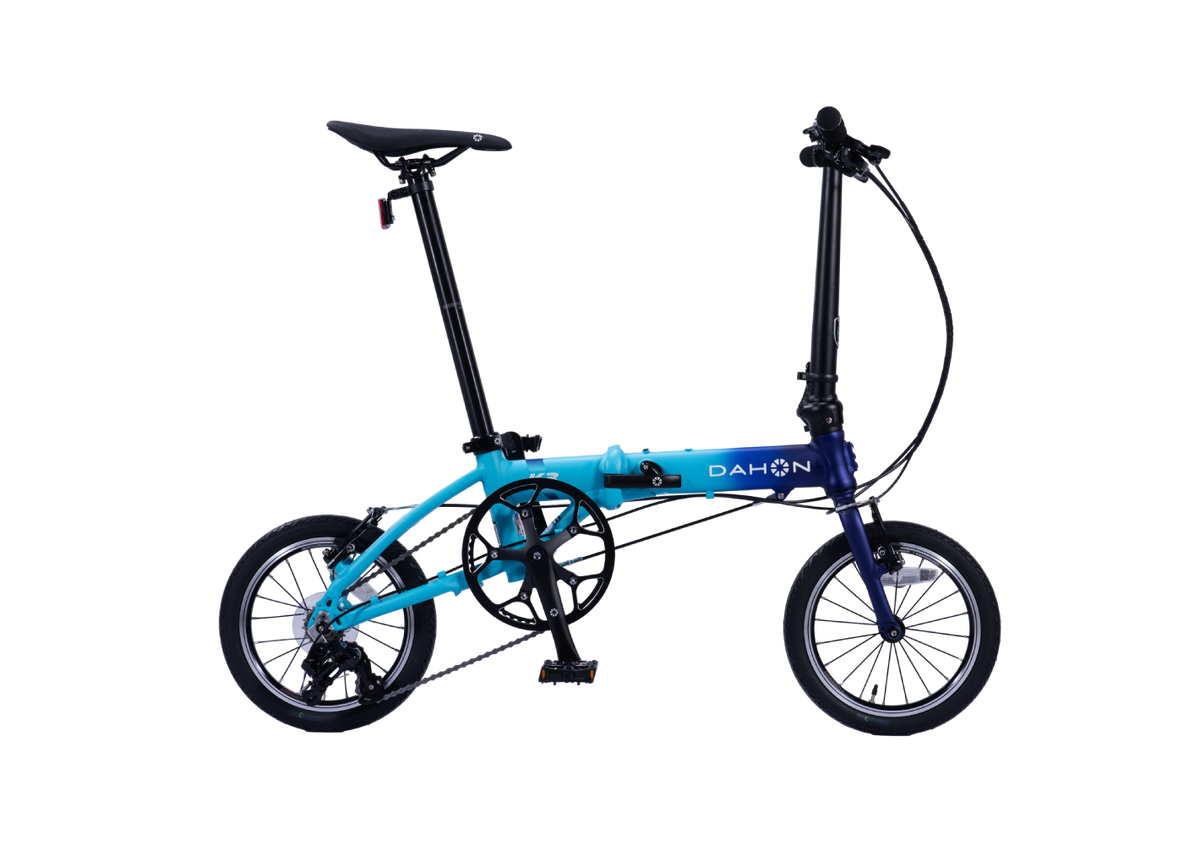
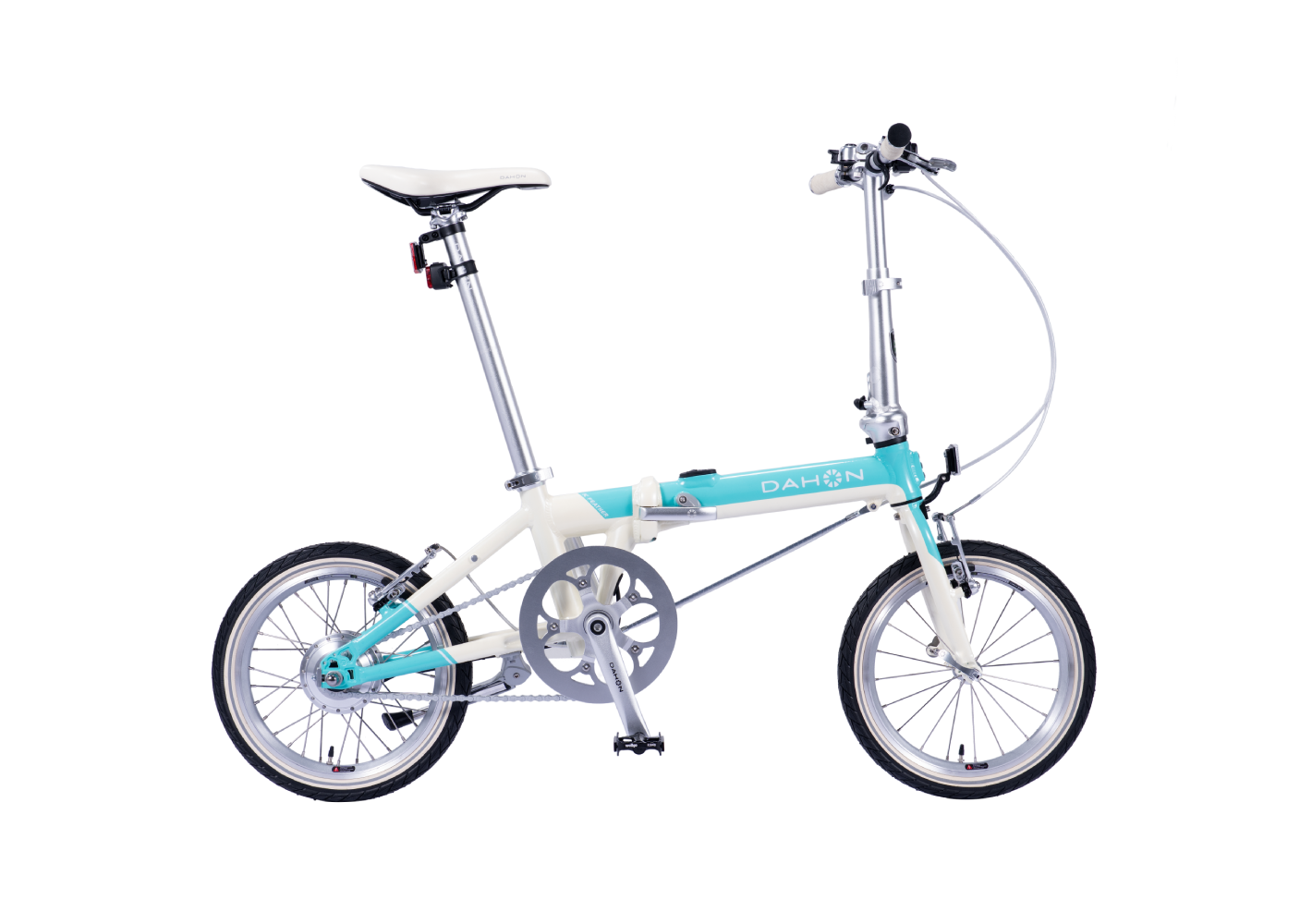
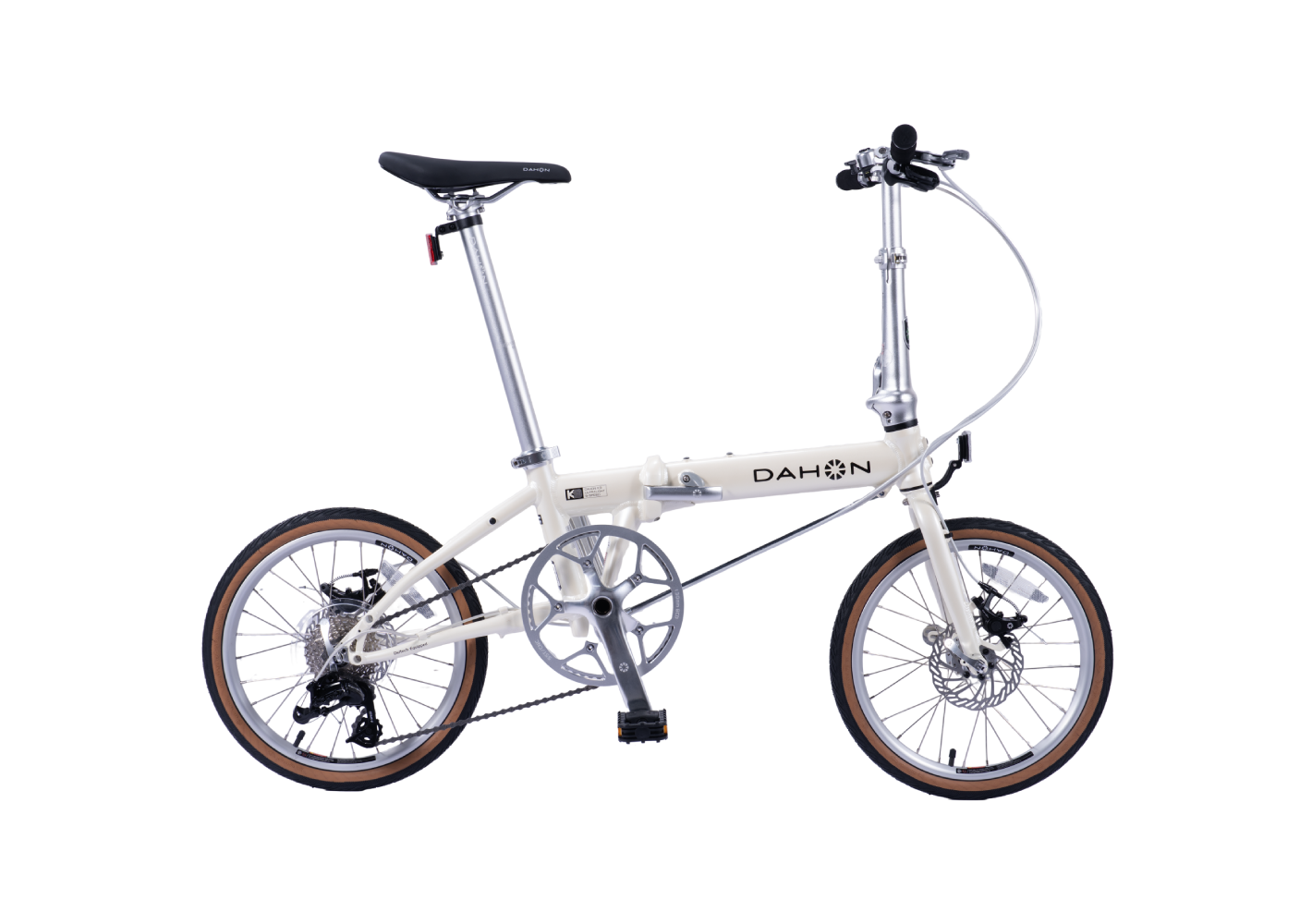
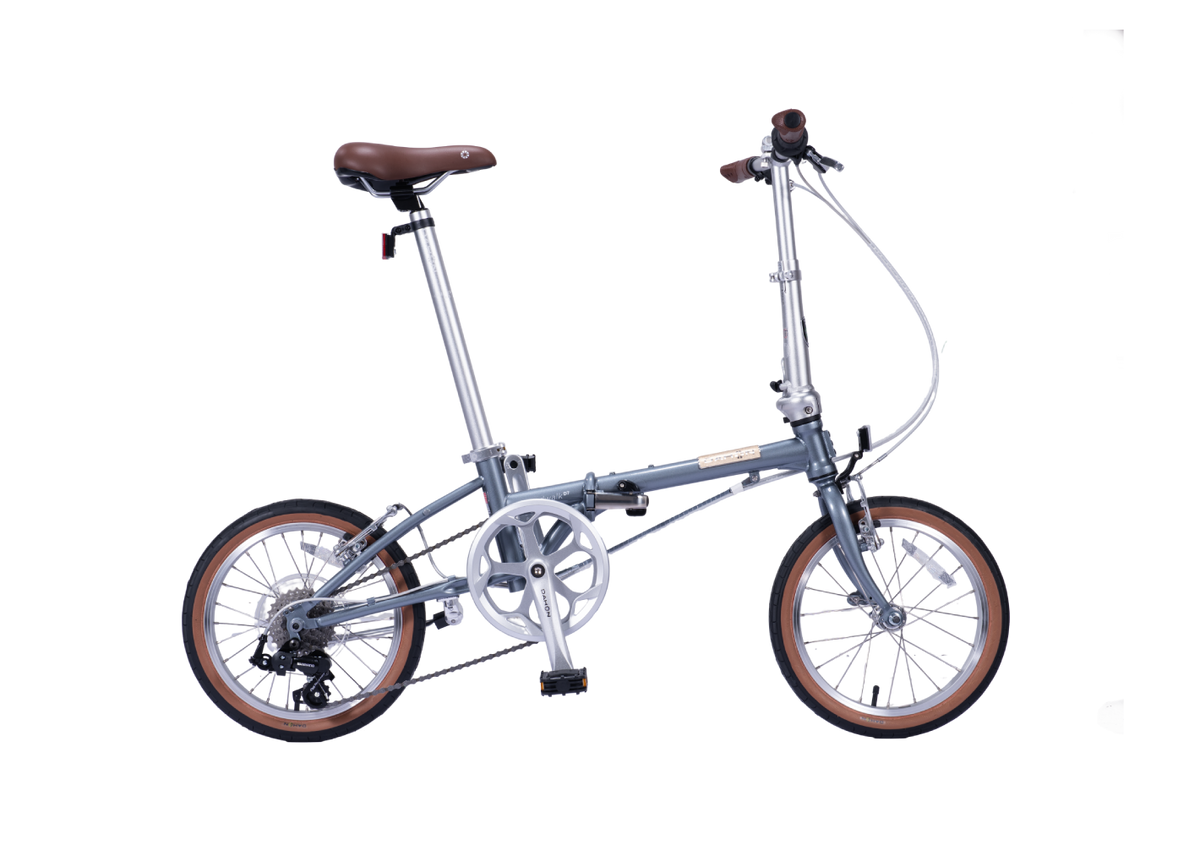
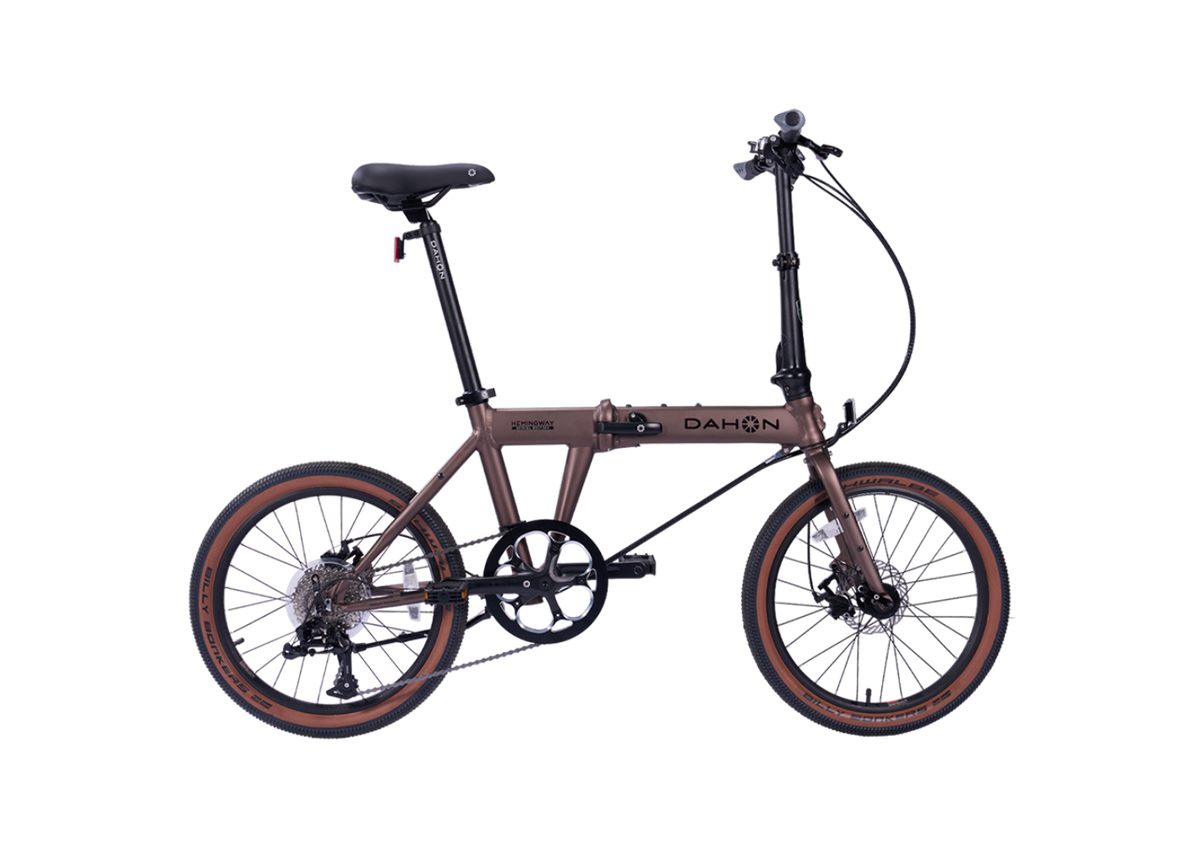
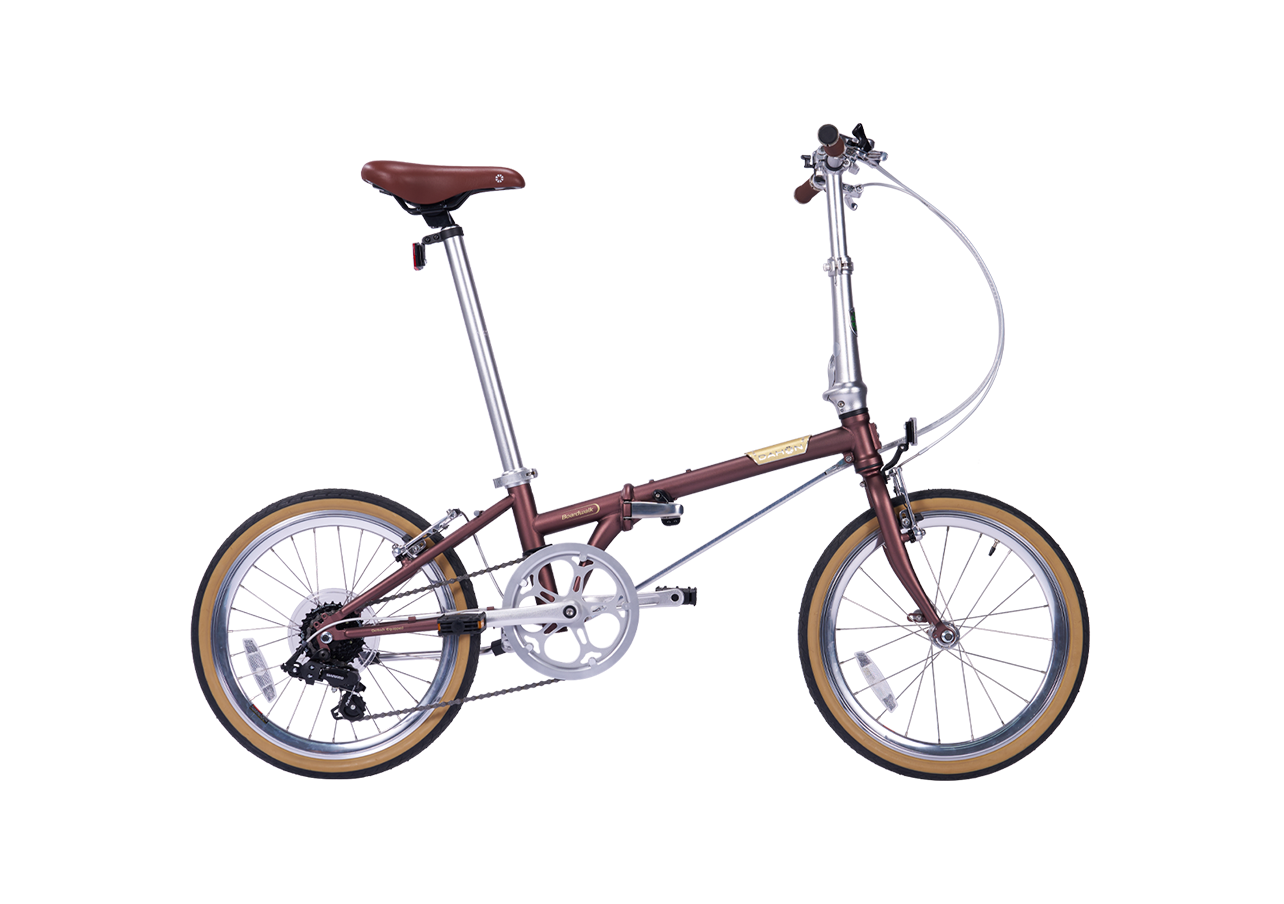
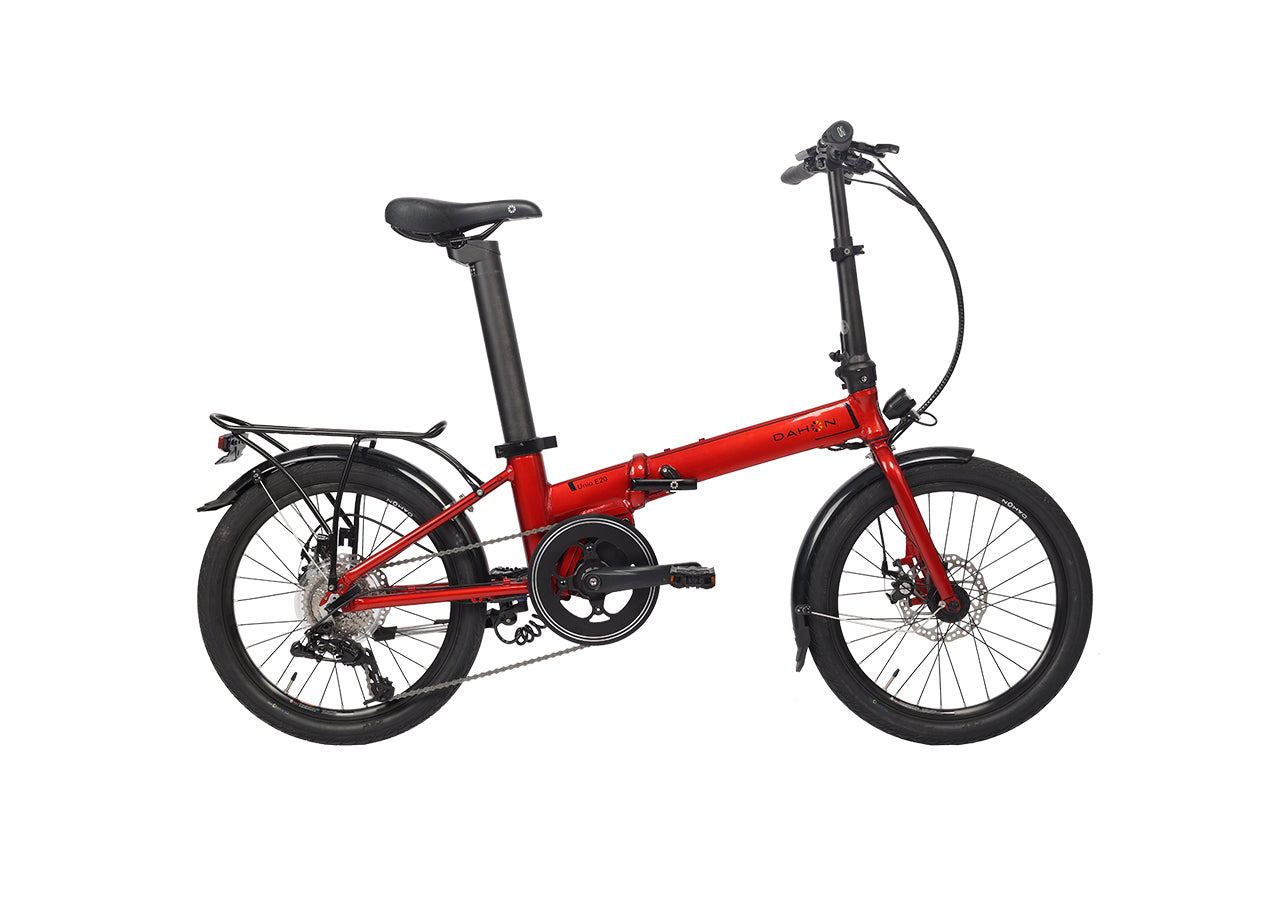
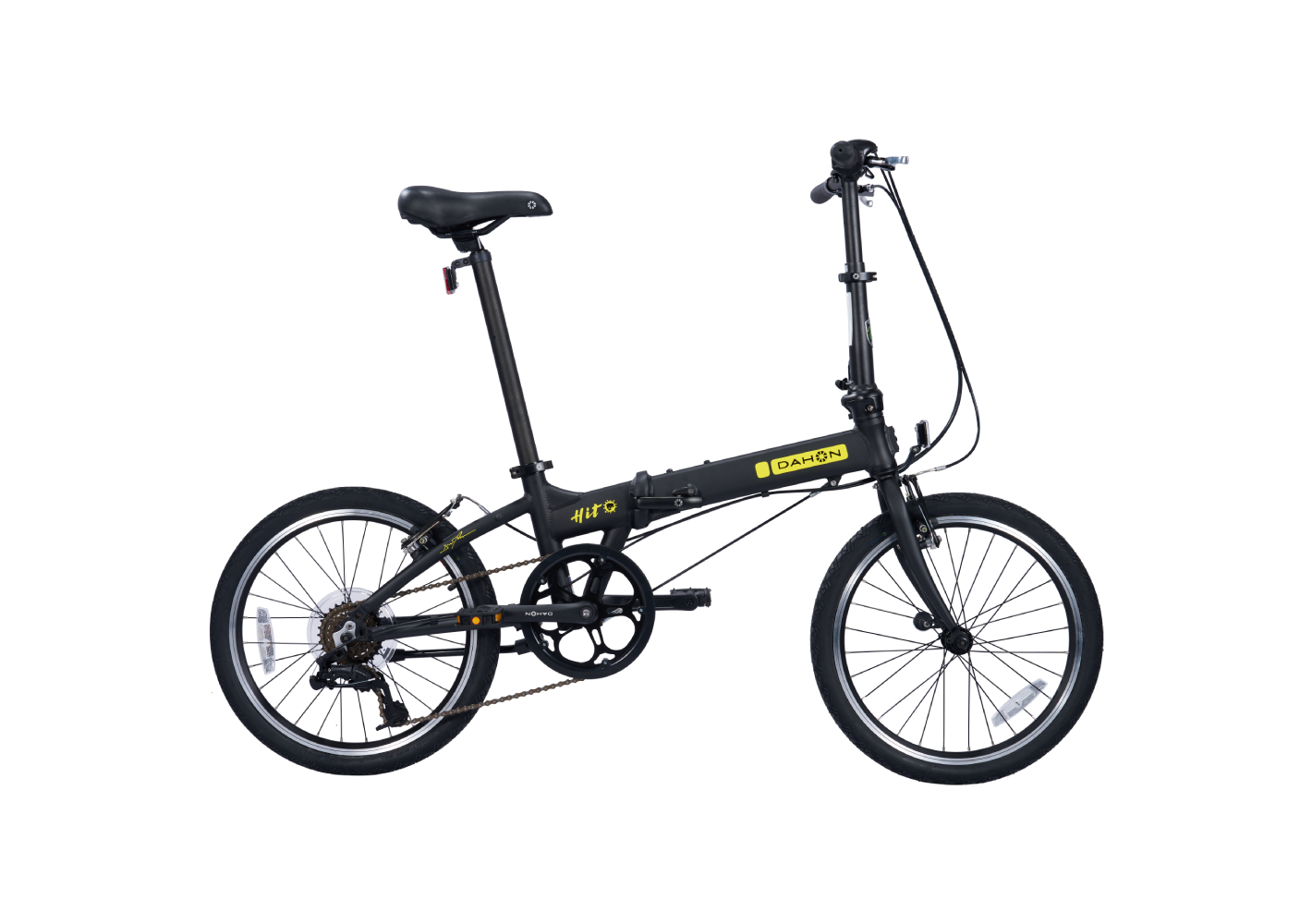
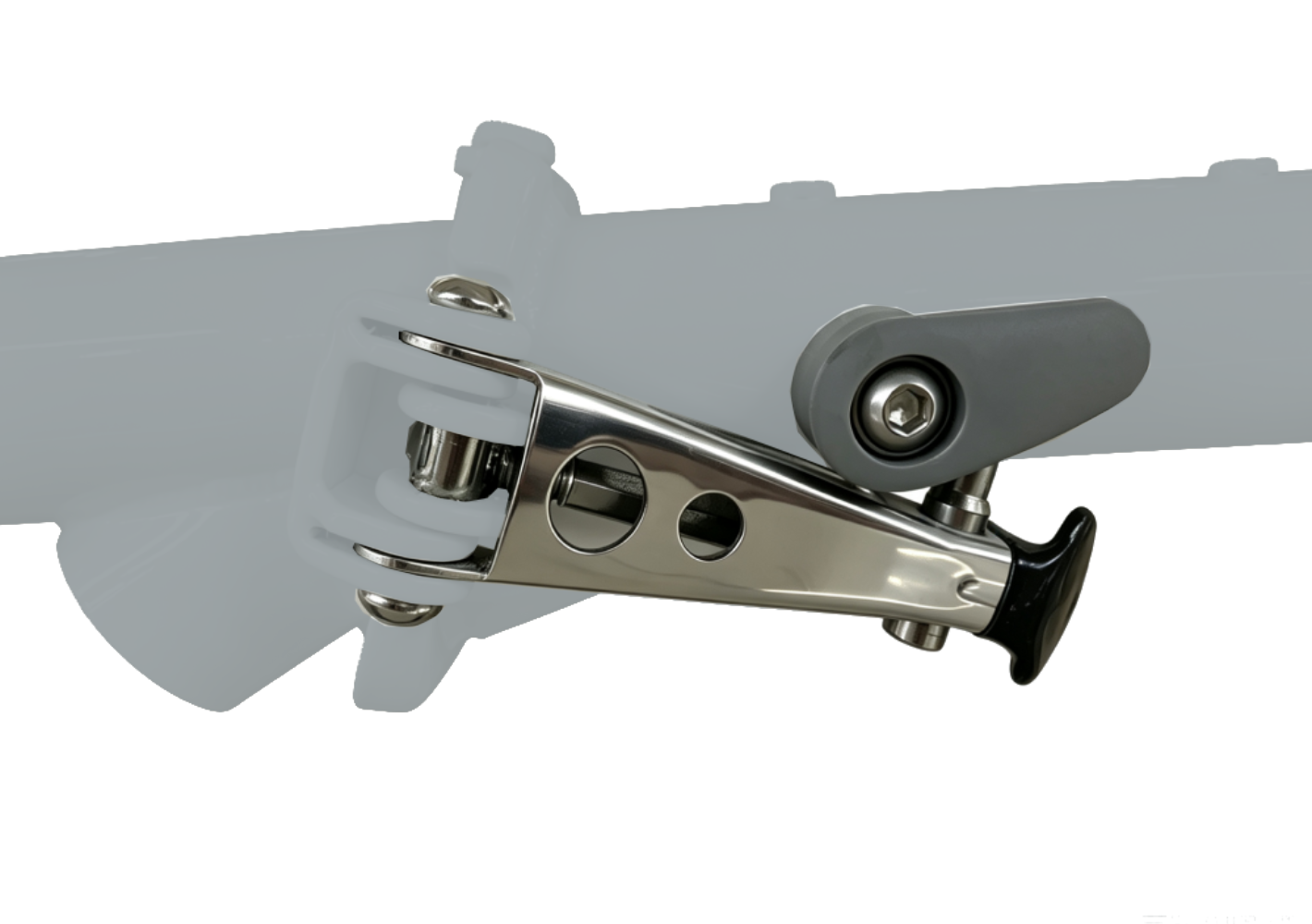
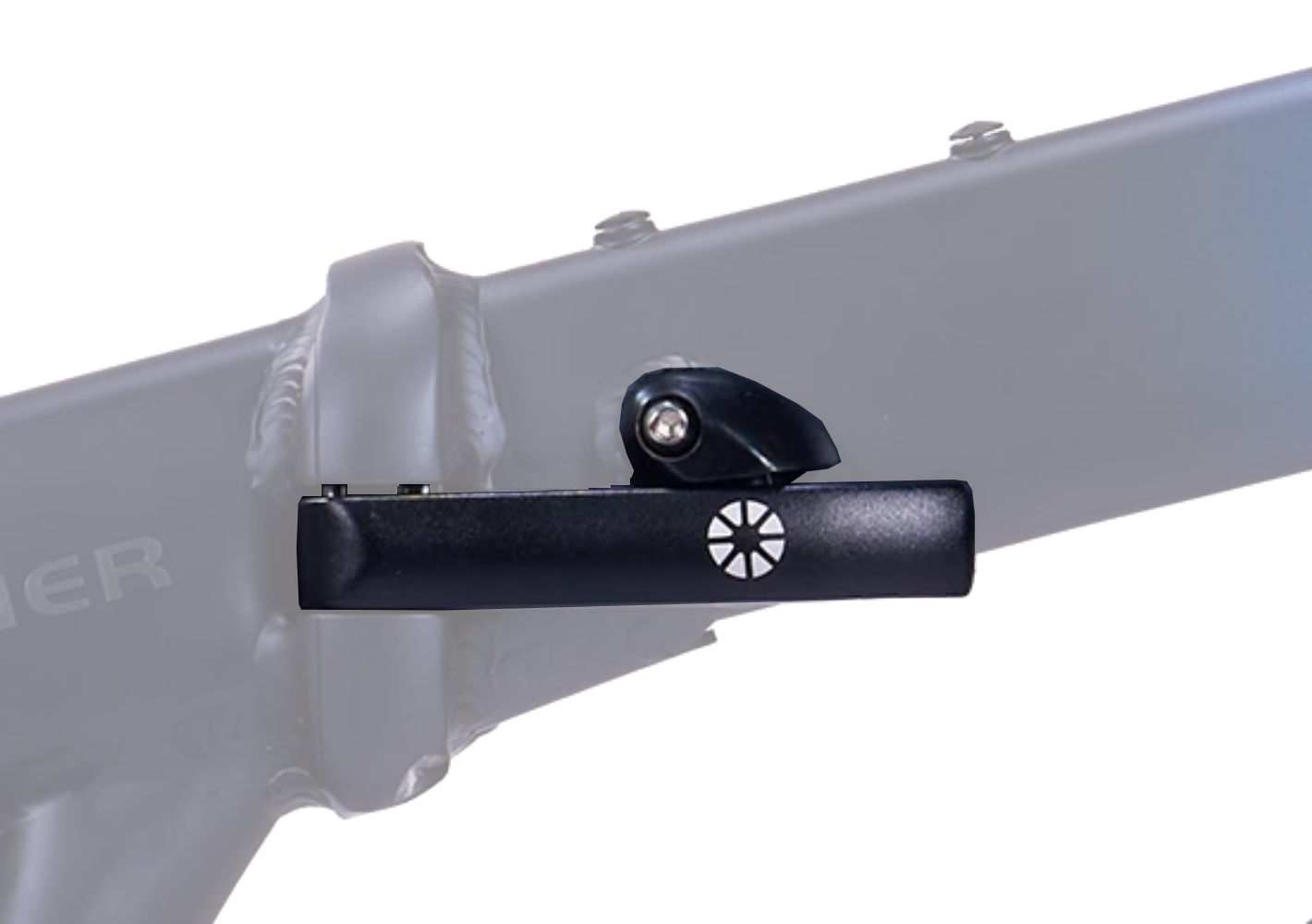
DAHON's lattice forged hinge with V-Clamp technology, found on many of the brand's aluminum-frame models, uses broad metal contact faces to distribute frame stress evenly across the joint. That design performs best when the contact surfaces stay clean and lightly lubricated. Proper maintenance lets you feel the rigidity the hinge was engineered to deliver.
Things to Avoid When Caring for Your Bike Frame
Using the wrong product with good intentions can damage a folding mechanism. These are three mistakes that are easy to make.
Spraying Standard WD-40 on the Hinge
The original WD-40 formula is a water-displacement solvent, not a long-term lubricant. Applied to a hinge, it strips out the existing lubrication and leaves the joint dry within a day or two. If you want to use a WD-40 product, choose their dedicated cycling lubricant line, which is formulated differently from the general-purpose can.
Packing the Hinge with Heavy Grease
Thick grease, such as lithium-based automotive grease, is appropriate when fully disassembling and repacking a pivot pin. For routine external maintenance, it is the wrong choice. Heavy grease is too viscous to penetrate tight tolerances, and it collects sand and grit on exterior surfaces readily. Stick with a light dry lube for day-to-day upkeep.
Forcing a Stiff Latch
If the latch is hard to close, the answer is cleaning and lubrication, not more force. Slamming a stiff latch can deform small internal components that give the mechanism its tension and tactile feedback. Once deformed, those parts do not recover. Stiffness is a maintenance signal. Respond to it accordingly.
How Often You Should Check the Latch and Hardware
Before Every Ride: A 3-Second Check
Before getting on the bike, take a quick look to confirm the main frame hinge and the handlepost hinge are both fully closed. Then hold the saddle with one hand and the handlebars with the other and give a gentle push-pull. There should be no movement at the center of the frame. This check takes about three seconds.
Monthly Maintenance for Regular Riders
If you commute daily, plan to run a full clean-and-lube cycle once a month. After riding in rain, dry the hinge as soon as you get home. Moisture left in the pin bore overnight is how corrosion starts.
When to Visit a Bike Shop
| Situation | DIY or Shop? |
|---|---|
| Routine clean and lube | DIY |
| Latch feels loose, wobble present | Shop recommended |
| Tension screw needs adjustment | Shop (if no mechanical experience) |
| Latch will not close at correct tension | Shop |
| Visible cracking or deformation | Shop immediately |
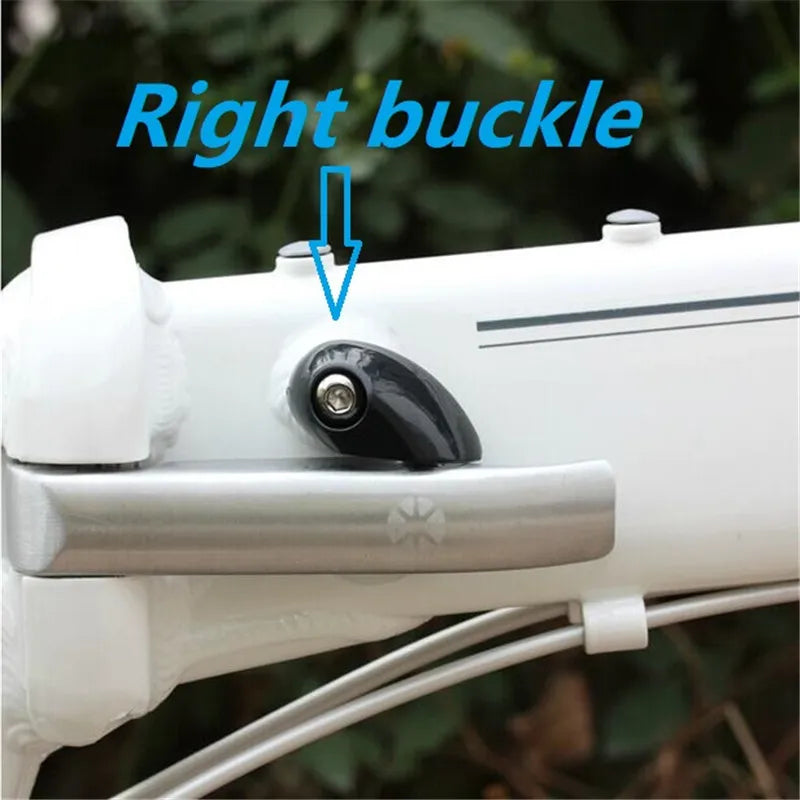
Tension adjustment involves a small screw on the latch pin that controls the resistance the lever gives when closing. Too loose and the hinge will not hold firmly; too tight and the latch wears out faster and becomes harder to operate. If you are not comfortable making this adjustment, a local bike shop can handle it quickly.
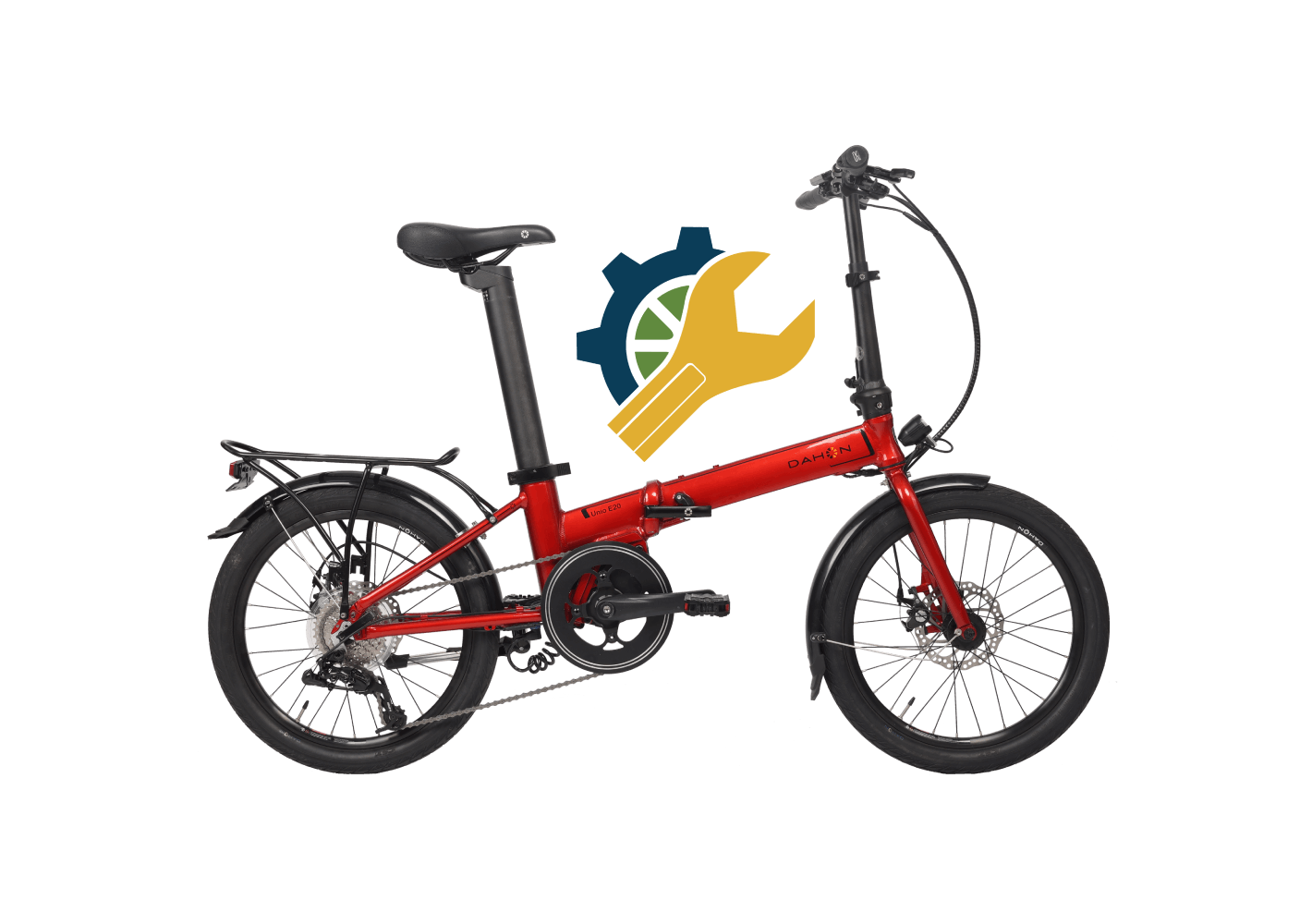
When checking your DAHON bike, confirm that the DoubleLok safety latch, the secondary catch built into the main hinge on many models, is fully engaged after the primary lever closes. Check your owner's manual to locate it on your specific model. It is the backup that keeps the hinge locked if the primary lever is disturbed mid-ride.

Ready to Ride?
The hinge takes on real mechanical stress with every single ride. Keeping it clean and lightly lubricated removes the creaking, protects the latch hardware, and keeps the frame solid when you need it most. Three minutes once a month is enough to maintain the clean, crisp fold your bike had from day one. For tension adjustment specs and recommended tools specific to your model, check your DAHON owner's manual or visit DAHON.
FAQ
Q1: What is the best lubricant to use on a folding bike hinge?
A dry PTFE (Teflon) lube or light bike-specific lubricant works well for most conditions. Once the carrier dries, they leave a thin film that reduces friction without pulling in dust. Good choice for everyday commuting and dry climates.
Q2: Why does my folding bike squeak even after I lubricate the chain?
Chain lube doesn't reach the hinge. On a folding bike, the frame hinge and handlepost hinge are separate friction points that need their own lubrication. When you push hard on the pedals, the frame flexes slightly, and a dry hinge will let you know about it. Lube the hinge separately and check if the noise goes away.
Q3: Is it normal for the folding latch to be very hard to close?
No. A well-adjusted latch should close with solid but manageable resistance and a clear click. If you're pressing with your palm to get it shut, either it needs lubrication and is binding, or the tension screw is too tight. Forcing it repeatedly will fatigue the internal parts over time. Worth fixing rather than just pushing through it.
Q4: Can I wash my folding bike with a hose?
Best to avoid it, especially around the hinge. Water pressure can push moisture into the pin bore, displace the lubrication inside, and set up rust. For the hinge area, a damp cloth followed by a dry one is the right approach. A bucket wash is fine for the rest of the bike (tires, rims, frame tubes), just keep direct water flow away from the hinge, headset, and bottom bracket.












Share:
Is It Harder to Pedal a Folding Bike?
DAHON to Join CHINA CYCLE 2026 — New Tech, New Mobility, New Horizons