

Think about the last mile.
Not the metaphor, the actual mile. The gap between the subway exit and your front door. The part of every commute where the system runs out and you're on your own, standing at a corner, checking the time, doing the math on whether it's worth calling a car.
That gap is where DAHON lives.

Passion & Grit Fueled Seven Years of Hardwork
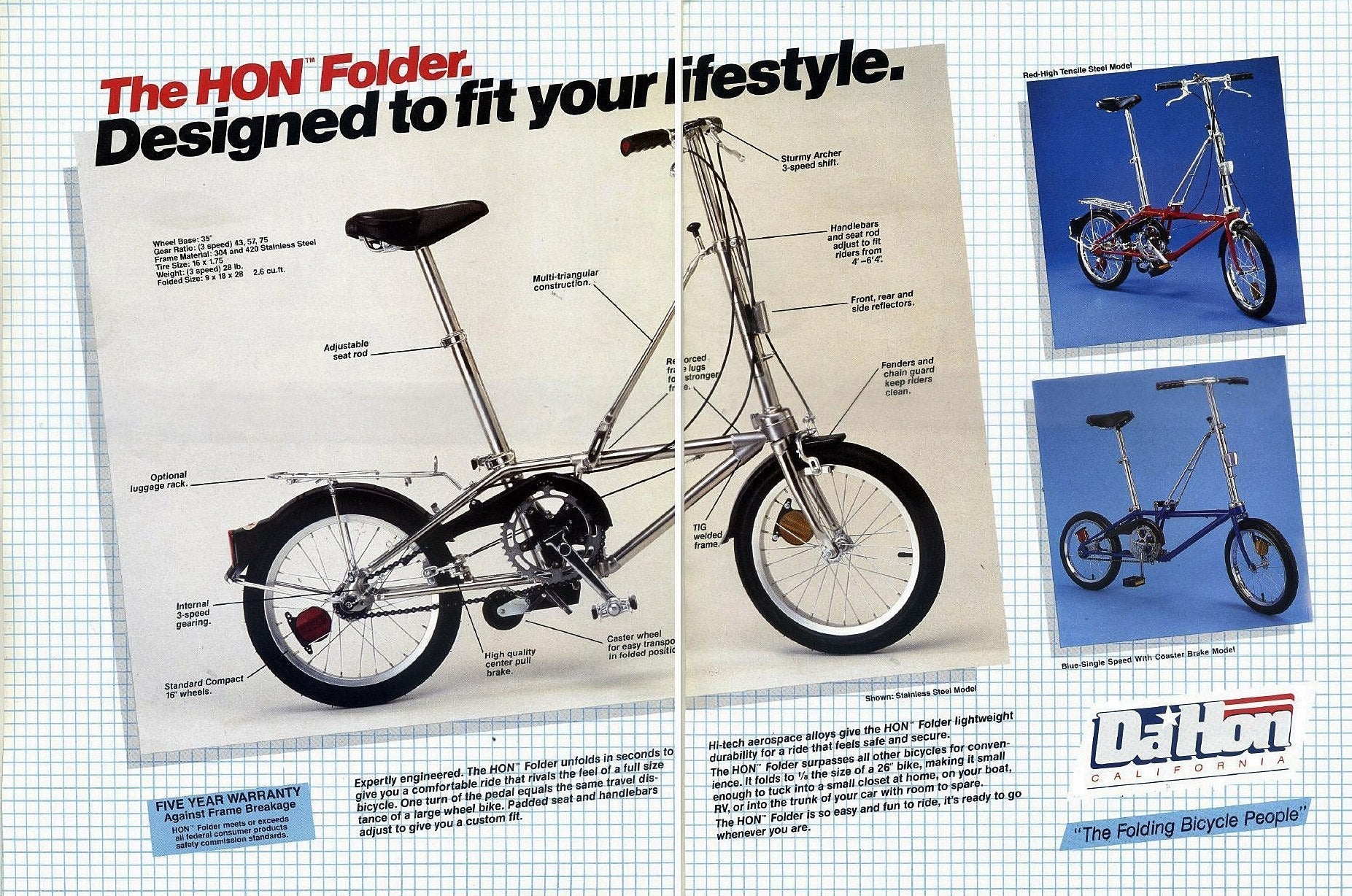
It all started with a daily struggle. In college, Dr. David Hon had to disassemble and reassemble his bike every single day just to fit it in his car. He knew the bicycle was the perfect tool for campus, but transporting it was a nightmare.
When the 1975 oil crisis hit, his personal frustration turned into a mission: Is it possible to create a bike that folds small enough to fit into the back trunk of a car, yet sturdy and affordable enough for everyone?
Sevens of hardwork in his garage, through hundreds of tests and breaking countless frames, Dr. Hon finally perfected the first folding bike design.
With the design perfected, the next hurdle was production. Dr. Hon pitched his invention to major factories in Japan, the U.S., and China, but they all turned him down. To them, the bike was too complex, too niche, and too costly to manufacture.
Unfazed, he decided to build it himself. Alongside his brother Henry, he launched a media campaign and raised $2 million from 35 private investors. With that, Dr. Hon left his career at Hughes Laser Research Labs for good.
In 1982, the brothers founded DAHON in California and established their first factory. By the end of the year, the first modern DAHON folding bike rolled off the assembly line. The market's response was immediate: by the end of 1983, every single bike from the first production run had sold out.

The First People Who Got It
In 1983, American cities ran almost entirely on cars.
There were no protected bike lanes. Cycling infrastructure meant, at best, a painted line on the edge of a road that disappeared at intersections. Public transit covered corridors — the subway got you downtown, the bus got you close — but the last stretch was yours to figure out.
The first DAHON riders were those people tired of figuring it out.
They were commuters and apartment dwellers. People who wanted a bike but had nowhere to put one. They carried their DAHONs onto trains and kept them under desks, folded them into coat closets, pulled them out at rush hour. Six thousand units sold out in six months. By 1985, that number had grown to 10,000 in a single year.
The American press noticed it. Television was interested. And in cities where cycling had never been taken seriously, a folding bike was quietly becoming the thing commuters passed along to each other by word of mouth.
The World's Largest. Once Impossible.
By the 1990s, something was shifting in cities outside of the United States.
From Amsterdam to Copenhagen, and parts of Germany, planners were making room for bikes in ways that had never been tried before. The idea that a bicycle could be a legitimate part of daily urban transport, not a hobby, not a weekend activity, was gaining ground.
In 2000, the Guinness Book of Records Millennium Edition named DAHON the world's largest producer of folding bicycles.
Sit with that for a moment.
Eighteen years earlier, no factory would touch the idea. By 2000, DAHON had out-produced every competitor on earth.
Through those years, Dr. Hon and his engineering team developed patents in frame geometry, hinge mechanisms, folding systems, and materials. Many became industry standards. In 2005, the Ciao won a Eurobike Award. In 2012, the EEZZ won the Red Dot Design Award, the same year DAHON celebrated its 30th anniversary.
These honors marked the moment a DAHON became something people wanted to own, not just something that solved a problem.

When Detroit Came Knocking
In 2013, Ford Motor Company signed a strategic cooperation agreement with DAHON.
By 2013, American cities were catching up with what European ones had started a decade earlier. New York was adding protected lanes. Chicago was expanding its bike-share. City governments were treating cycling as infrastructure, not recreation. Ford saw which way things were moving.
The following year, the partnership extended into electric bikes.
By 2018, cycling infrastructure had gone from experiment to policy in cities across four continents. That year, DAHON unveiled NuWave technology: a system that narrows any bike to 15cm wide for storage without affecting frame stiffness or safety, applicable across compact commuters, conventional bikes, and electric models.
In 2022, DAHON marked its 40th anniversary with the Anniversary 40, 249 units were sold worldwide and the industry's first double-beam carbon fiber folding bike was launched.
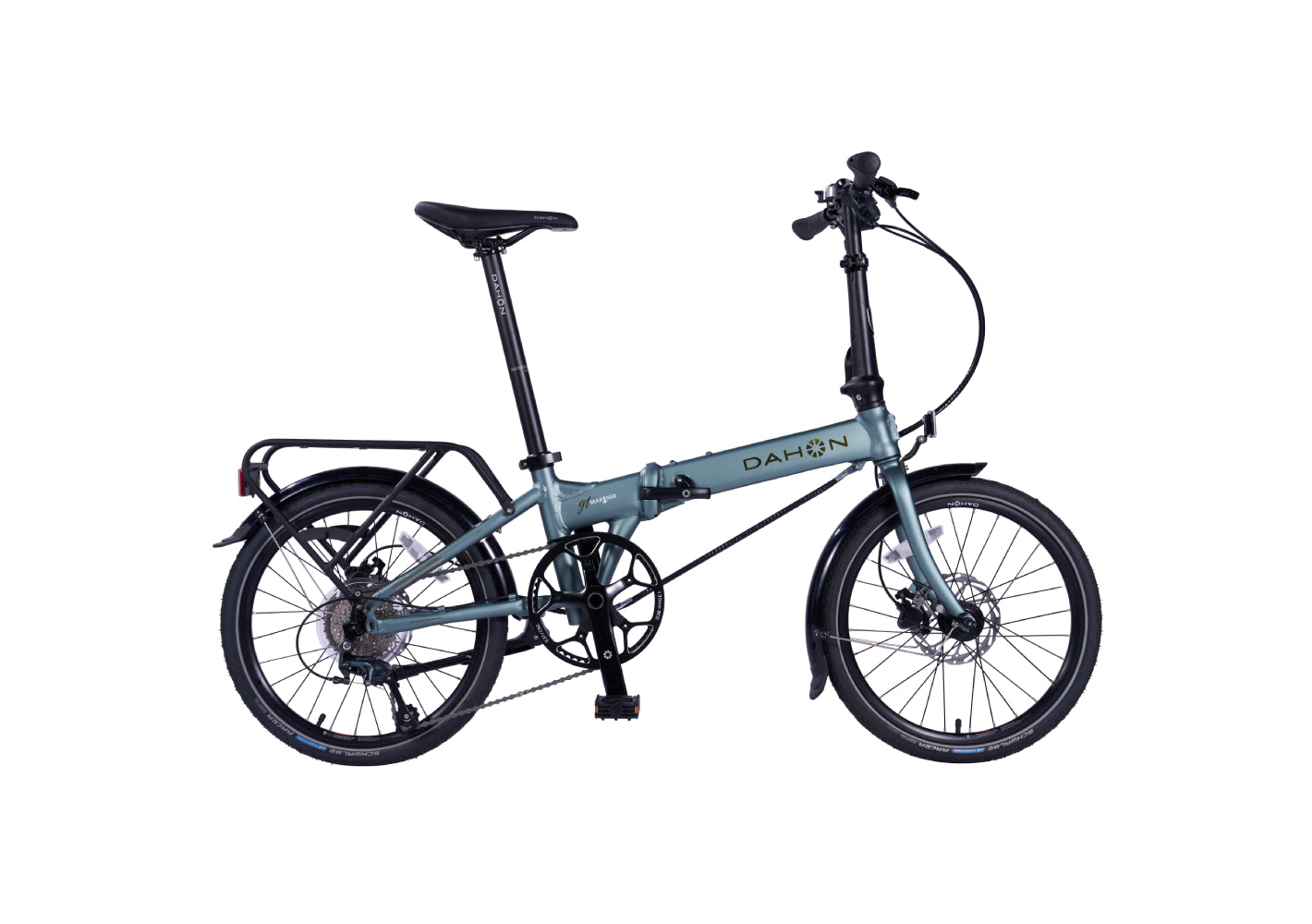
In 2023, the New York Times named the DAHON Mariner D8 the best folding bike.
For American riders who had been weighing their options, that was the one that settled it.
What Four Decades Builds
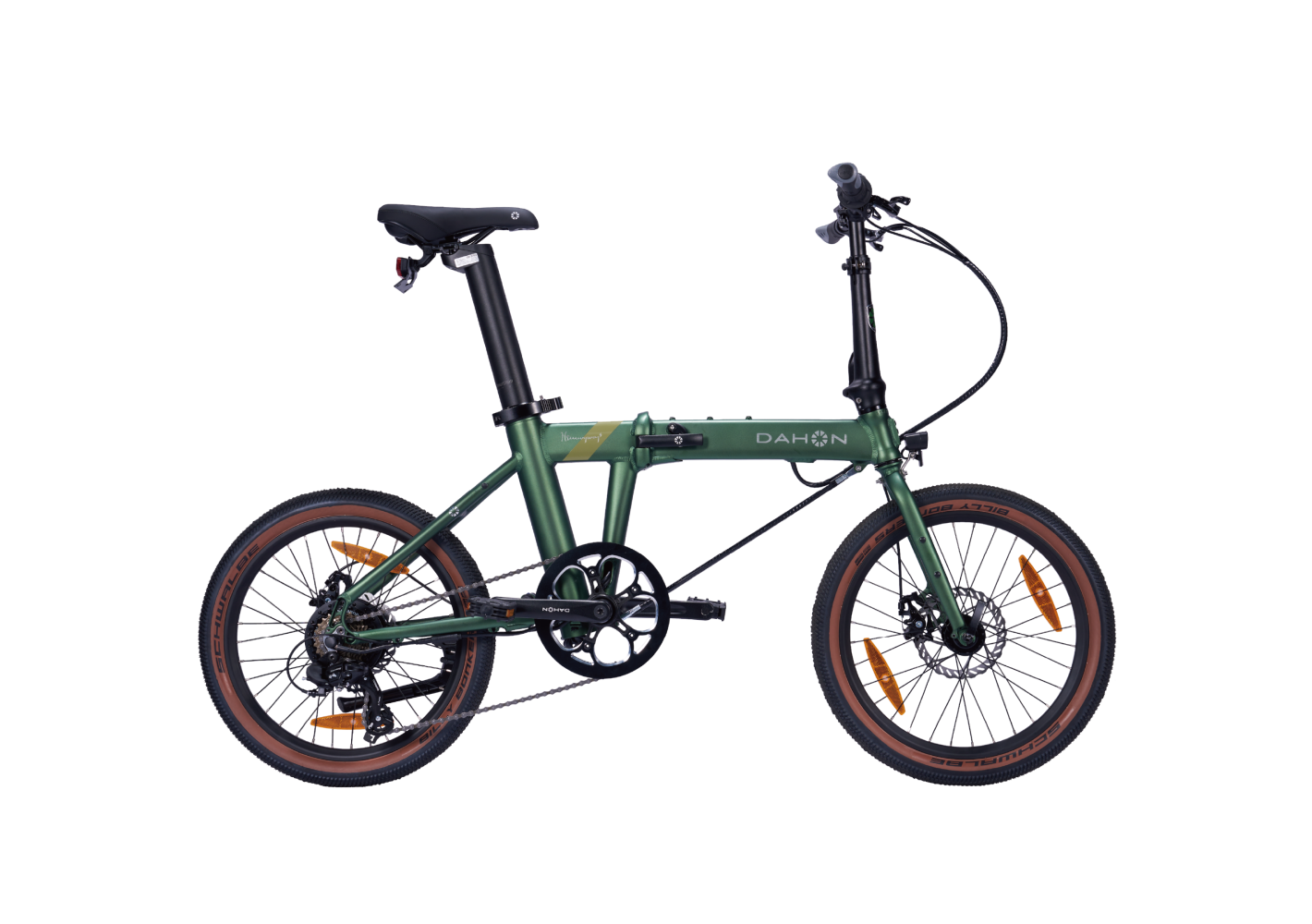
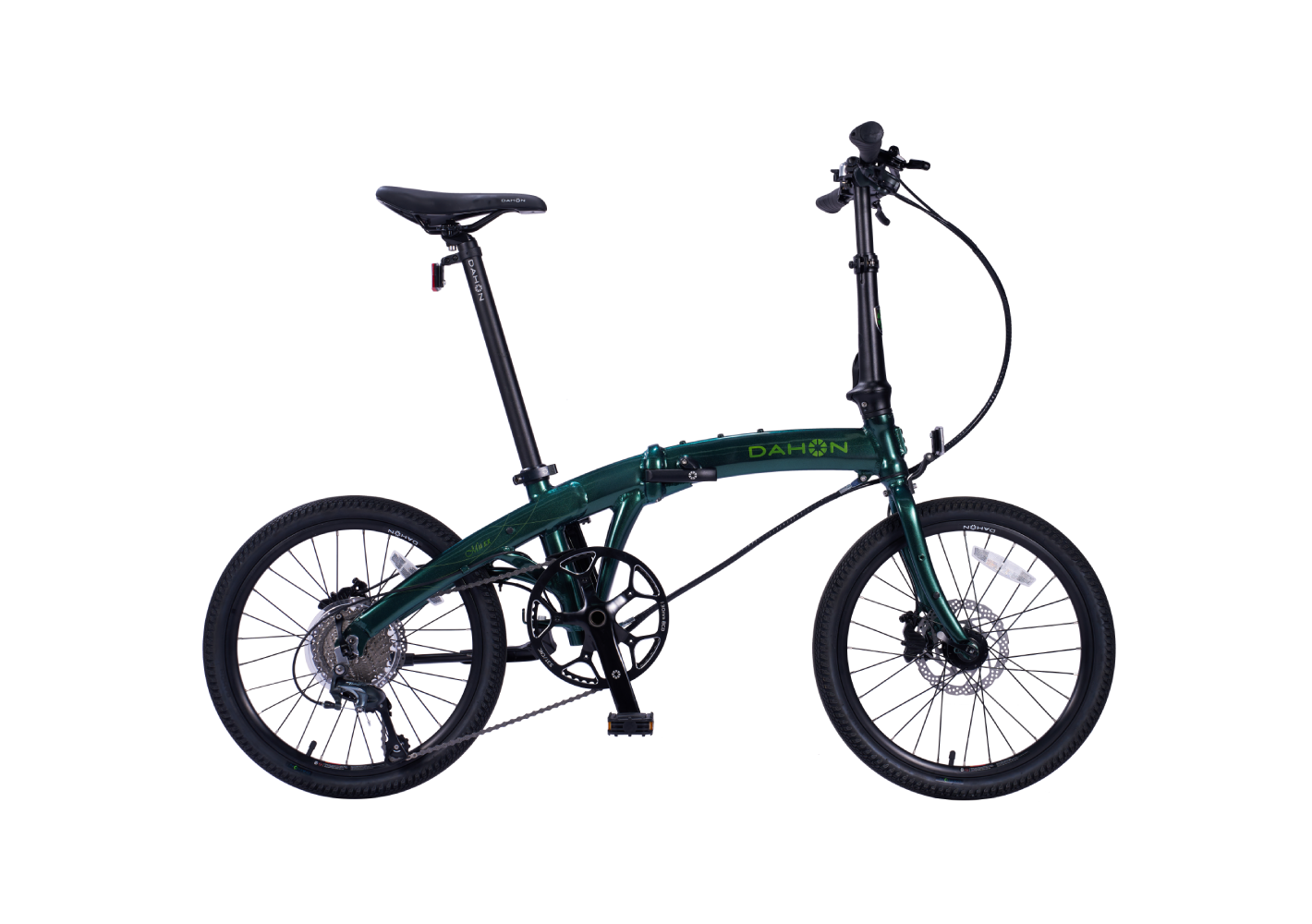
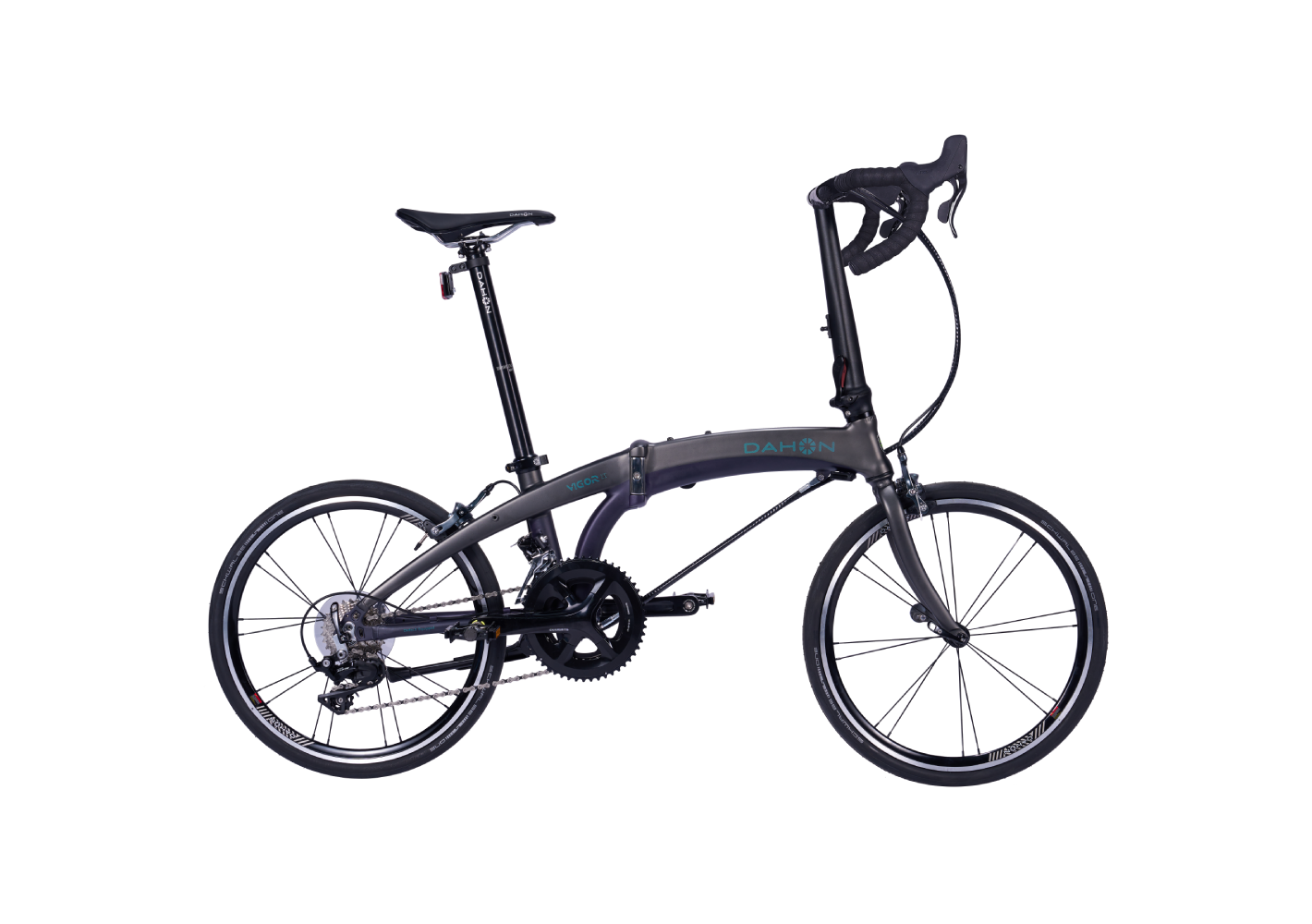
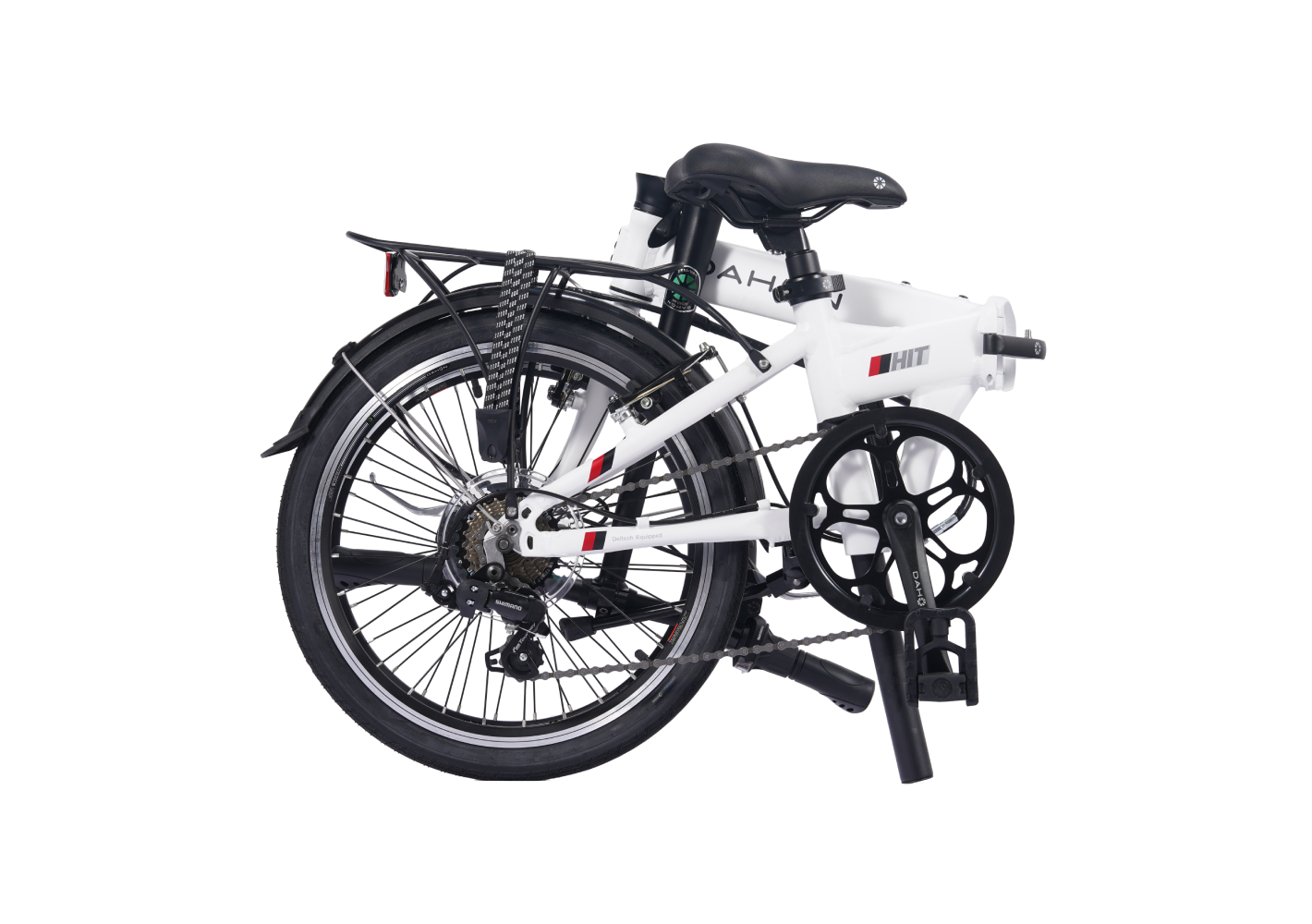
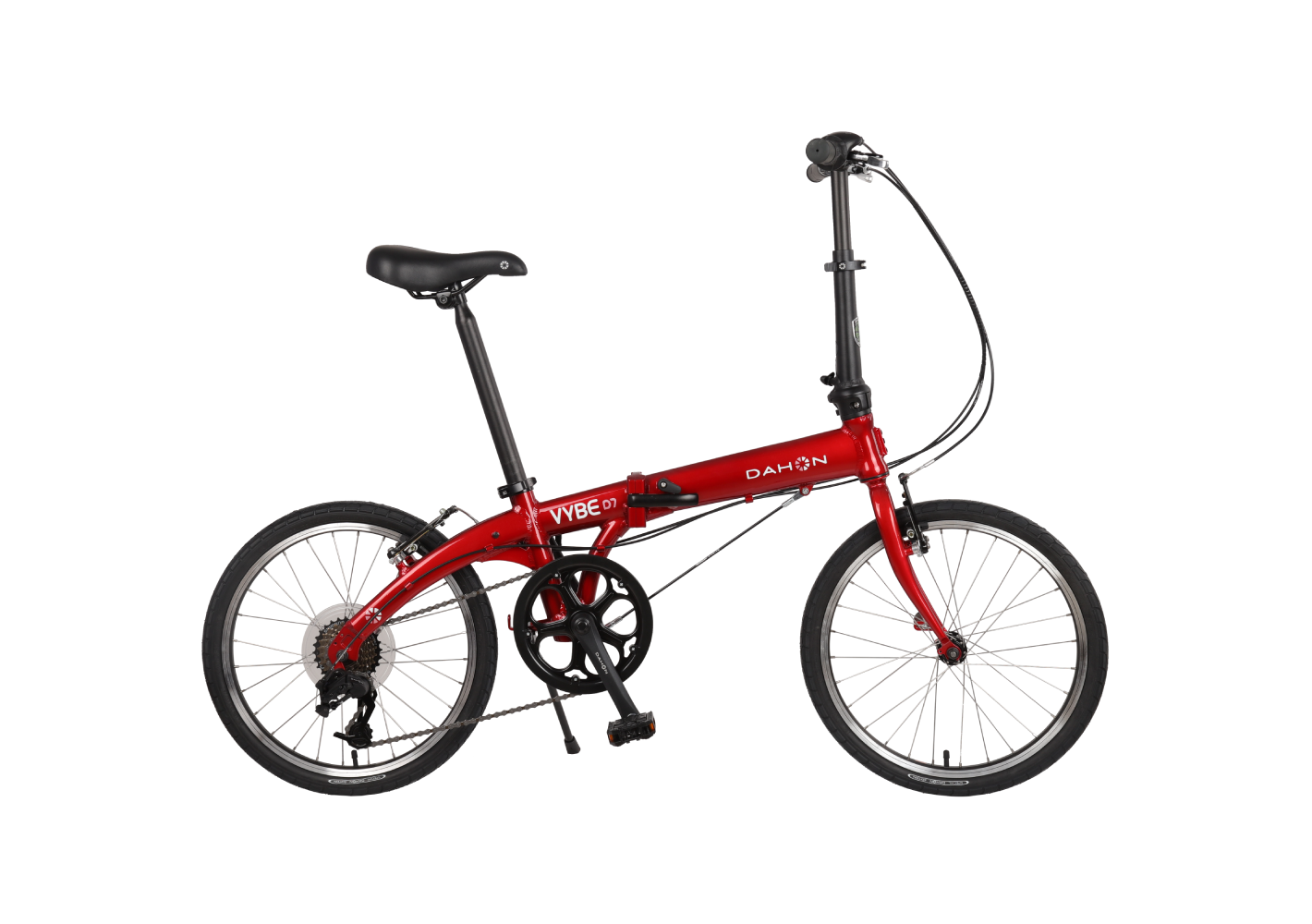
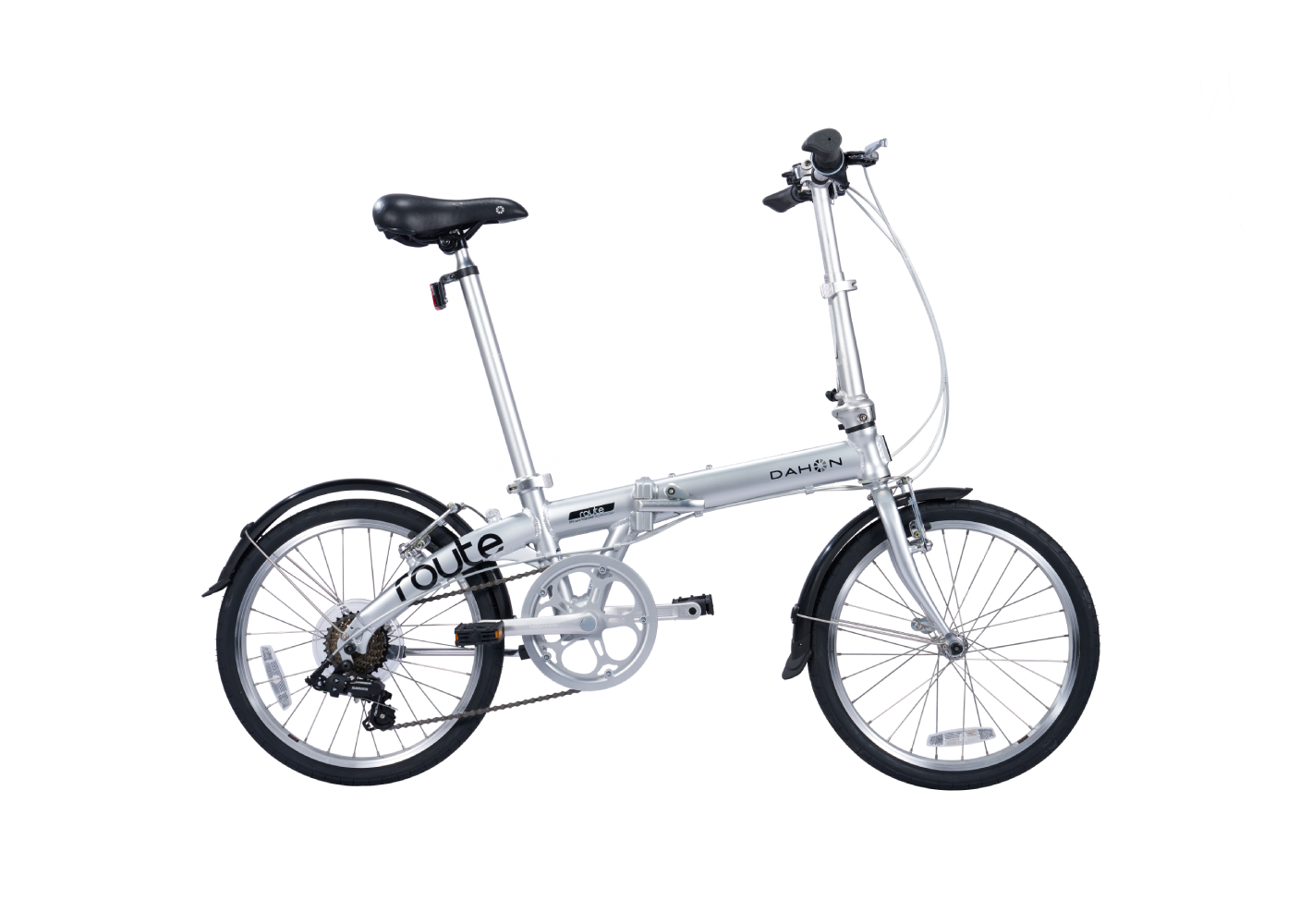
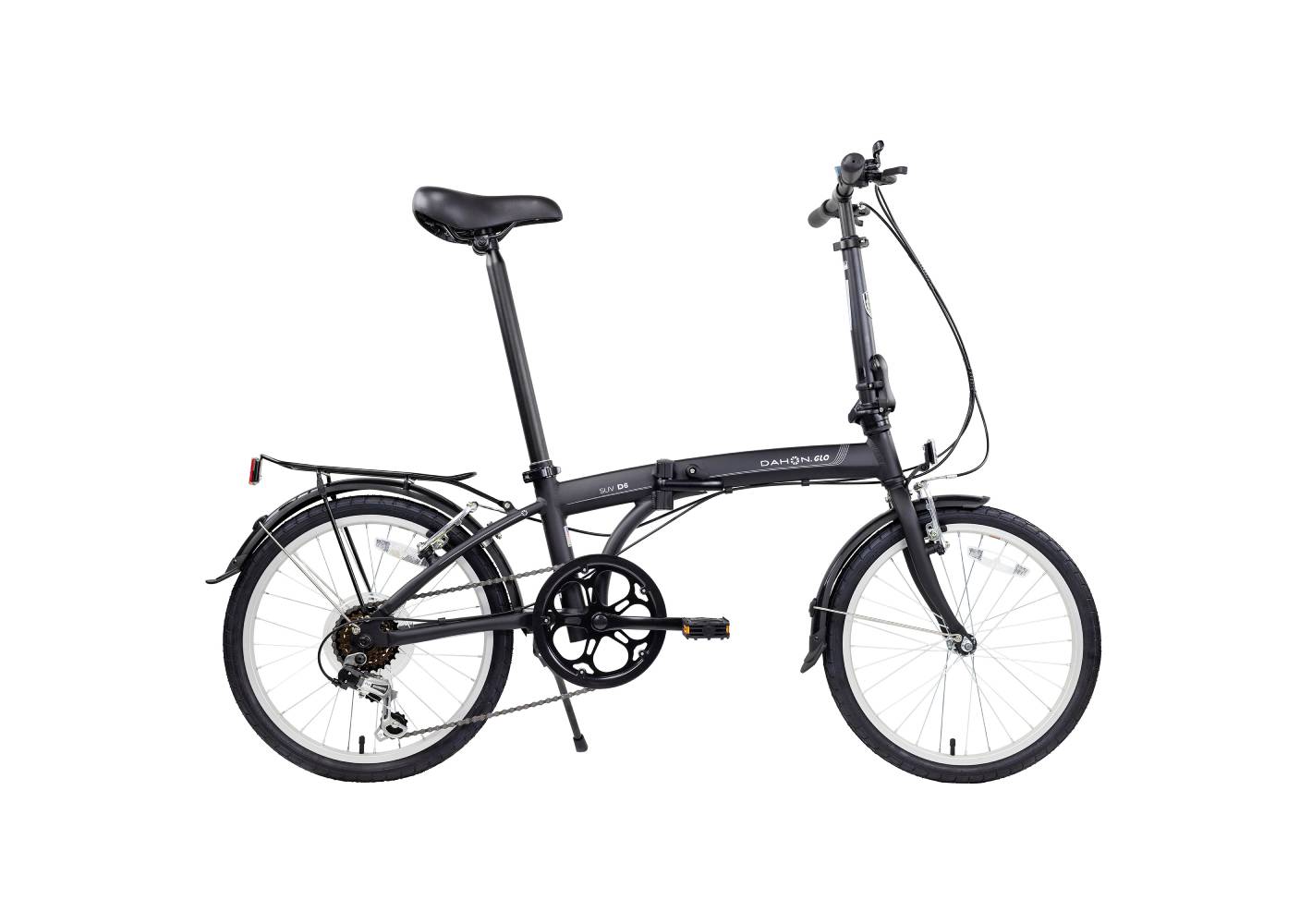
Today, DAHON offers more than 70 models: road bikes, folding bikes, and e-bikes, backed by over 600 patents, many of which have become standards across the industry.
In 2023, DAHON introduced the DAHON-V technology suite, designed to make all categories of bikes faster. Technologies including DELTECH and SUPER DOWN TUBE have enabled DAHON's high-end models to outperform established road bike brands on speed. Through the DAHON Eco 360° Program, DAHON licenses patented components to over 40 manufacturers worldwide, with each part carrying DAHON authentication and warranty coverage.

2026: From Rejection to the World Stage
In September 2025, DAHON Tech debuted on the Hong Kong Stock Exchange Main Board (Stock Code: 02543.HK). More than 222,000 investors applied for shares. The offering was oversubscribed by 7,558 times.
In 1982, not one factory would produce Dr. Hon's bicycle. Forty-three years later, 222,000 people were competing to own a piece of the company he built anyway.
The city that DAHON was designed for is finally the city most people live in: denser, more transit-dependent, less forgiving of the car as a default. The last mile, once an afterthought, is now where the commute is won or lost.
Someone is carrying a DAHON up a flight of stairs right now. Someone else just folded one onto a train. Another person locked one under a desk before a meeting and will unfold it again at five o'clock.
The brief from 1982 is still open. DAHON is still answering it.











Share:
How to Choose the Best Foldable Bike: 2026 Shoppers' Guide
Folding Bikes for Private Planes: What You Need to Know