

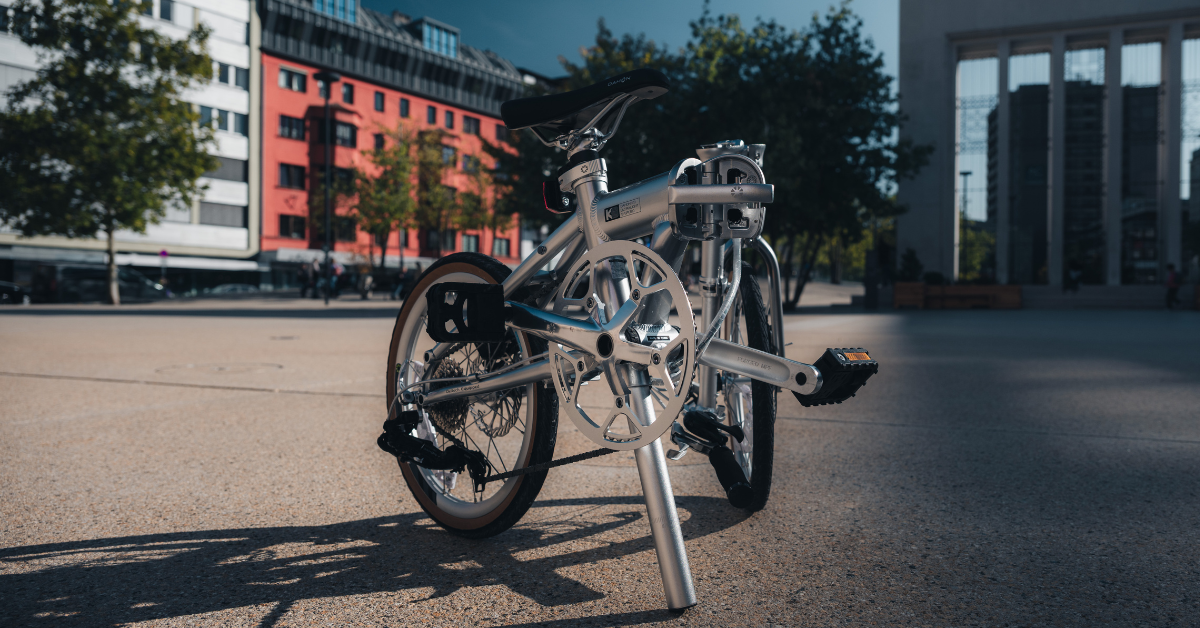
You landed at a small county airport, shut down the engine, and realized the FBO closed an hour ago. No courtesy car. No rideshare within 20 miles. The restaurant you planned on is three miles down the road. A compact folding bike in your cargo area would have solved that in ten minutes. Here is everything a GA pilot needs to know about carrying a folding bike for private plane travel.

Can You Bring a Folding Bike on a Private Plane?
Yes. The FAA has no regulation that prohibits carrying a folding bike in a general aviation aircraft. Unlike commercial airlines, there is no TSA screening or checked-baggage policy to worry about. The limits are purely practical: your aircraft's useful load, weight and balance envelope, and the physical size of your doors and cargo area.
In a Part 91 operation, you decide what goes on board. If it fits, and if your W&B numbers work, you can fly with it.
Quick Reference
| Factor | What to Check | Why It Matters |
|---|---|---|
| Useful load | POH Section 6 | A 23 lb (10.4 kg) bike uses about 2-3% of a typical Cessna 172's useful load |
| Baggage weight limit | POH limitations | Cessna 172S allows 120 lbs (54 kg) in the main baggage area |
| Baggage door size | Measure your aircraft | Cessna 172S baggage door is only about 15" x 21" (38 x 53 cm) |
| CG shift | Run W&B calculation | A bike placed aft of the rear seat shifts CG rearward |
| Securing the load | Use tie-downs or a carry bag | Loose items become hazards in turbulence |
Why More Pilots Are Traveling with Folding Bikes
The "last mile" problem at airports is real. FBOs at smaller fields often have one or two courtesy cars, and they go fast. Rental car counters are rare outside major airports. Rideshare coverage at rural strips can be unreliable or non-existent.
A folding bike fits a gap that no other ground transportation option fills for pilots.
You can ride from the ramp to a restaurant, hardware store, or hotel two to five miles away. You do not need to call ahead, wait for availability, or return keys by a certain time. When you are done, fold the bike, load it back in the aircraft, and go.
For pilots who fly regularly to unfamiliar fields, a folding bike removes the uncertainty of what ground transportation will be available after landing.
What Aviation Rules and Weight Limits You Need to Know
Useful Load and W&B
Every pound matters in a light single. A folding bike weighing 23 lbs (10.4 kg) sounds trivial until you are already near gross weight with passengers, bags, and fuel.
A Cessna 172S has a maximum useful load of roughly 878-895 lbs (398-406 kg), depending on installed equipment. With full fuel (53 usable gallons at 6 lbs per gallon = 318 lbs), you have roughly 560-577 lbs left for people and cargo.
A folding bike takes about 23-28 lbs of that budget. You will need to run your W&B calculation before every flight, especially if the bike is stored in the aft baggage area, where it shifts the CG rearward.
The Real Bottleneck: Door Size
Many pilots assume the baggage compartment itself is the limiting factor. It usually is not. The real bottleneck is the baggage door.
On a Cessna 172S, the baggage door measures roughly 15.25" wide by 21" tall (39 x 53 cm).
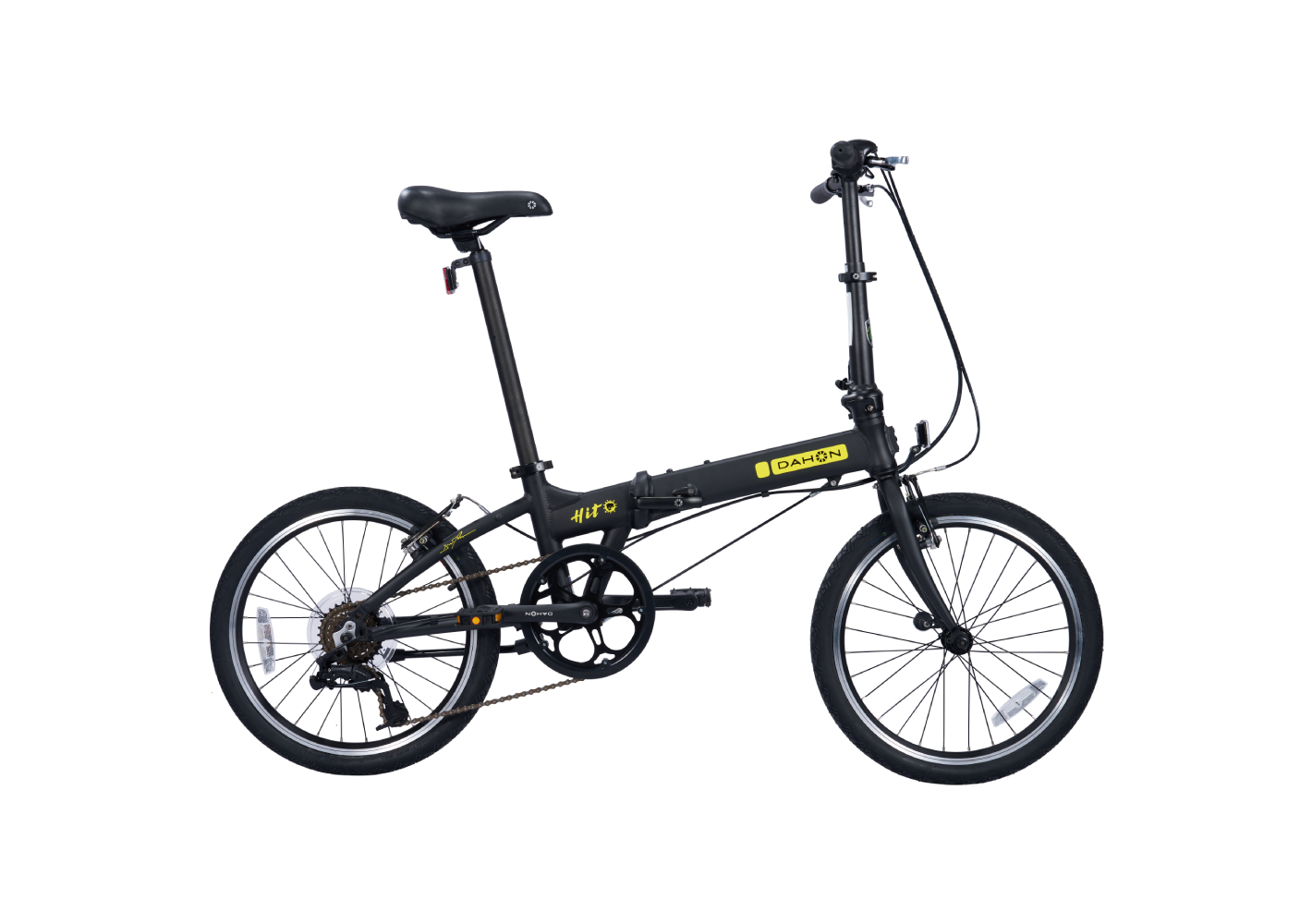
A folded 20" wheel bike will not pass through that opening. Pilots who carry 20" wheel folders typically load them through the rear cabin door onto the back seat or the rear footwell instead.
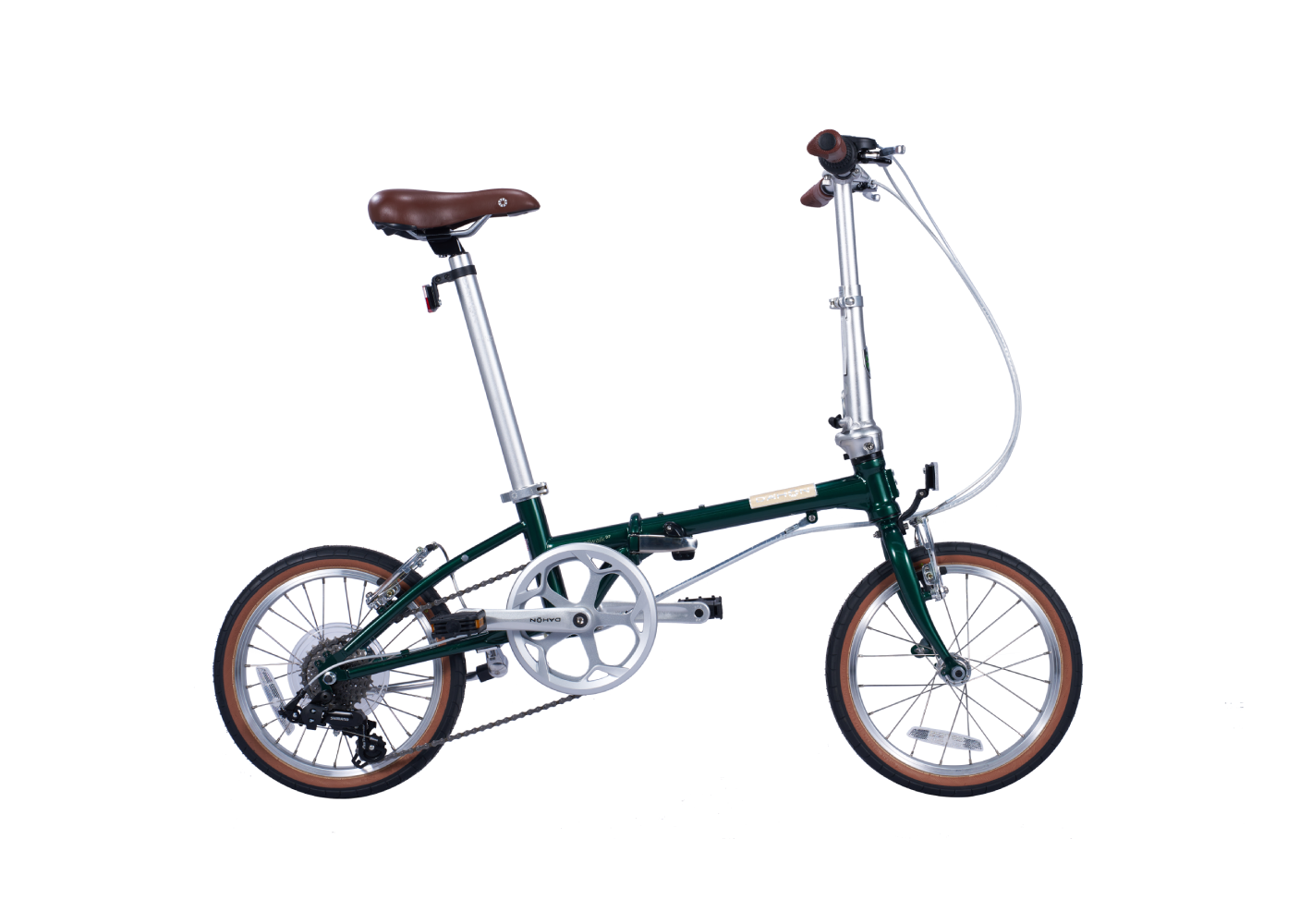
A 16" wheel foldable bike like the DAHON K9, with a folded size of approximately 28" x 16" x 20-24" (71 x 41 x 51-61 cm, varies slightly by source), can also be loaded through the cabin door and placed in the cargo area behind the rear seats.
If you fly a Cessna 182, Piper Cherokee, or Bonanza, your cabin door and cargo access will differ. Measure your own door openings before buying any bike.
What to Look for in a Folding Bike for Flying
Not every folding bike works well in an aircraft. Here are the four factors that matter most for pilots.
Folded Dimensions
Measure your aircraft's door openings and cargo area first. Then compare those numbers to the bike's folded size. Clearance of even half an inch matters when you are loading through a narrow cabin door.
Weight
For most GA aircraft, a folding bike under 25 lbs (11.3 kg) keeps the W&B impact manageable. Every pound over that is a pound less fuel or gear you can carry.
Ride Quality
A bike that folds small but rides poorly will stay in the cargo hold. Wheel size is the biggest factor.
Bikes with 16" wheels accelerate quickly and fold very compact, but they feel twitchy on longer rides.
Bikes with 20" wheels roll more smoothly and handle better over rougher surfaces. If you plan to ride more than two or three miles, 20" wheels are worth the extra folded size.
Corrosion Resistance
Aircraft spend time on open ramps in rain, coastal humidity, and salt air. A bike stored in that environment needs rust-resistant components, coated hardware, and a frame finish that can handle moisture.
Lithium Battery Rules for E-Bikes
If you are considering an electric folding bike, be aware that lithium batteries add complexity.
GA operations under Part 91 are not subject to the same strict lithium battery rules as commercial airlines, but you should still secure the battery properly, check your state's transportation regulations, and confirm with your aviation insurance provider and any airport-specific policies.
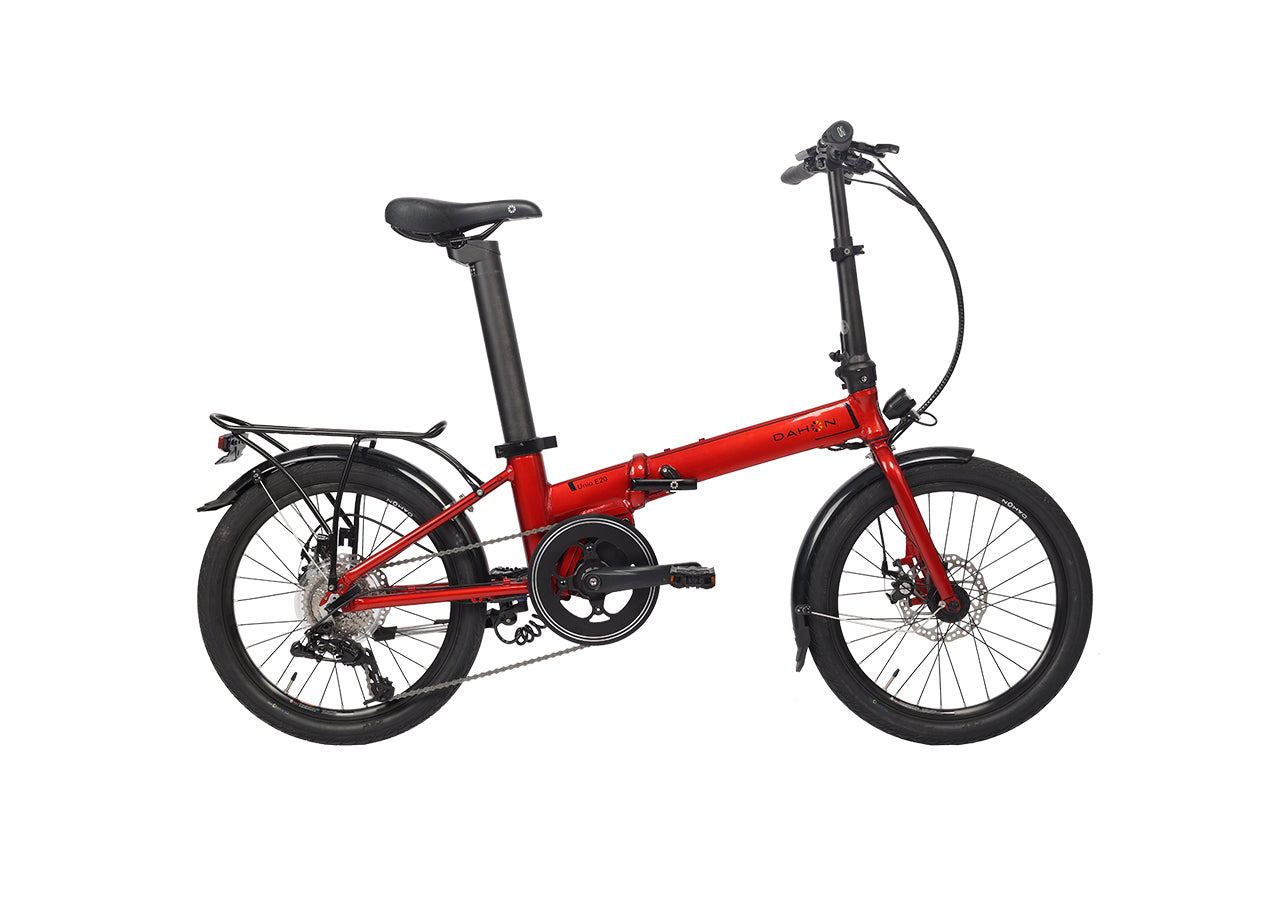
Electric folders also weigh 40-75 lbs (18-34 kg), which cuts much deeper into your useful load.

Why DAHON Is the Folding Bike Brand GA Pilots Trust
DAHON has partnered with the Aircraft Owners and Pilots Association (AOPA), and the K9 was reviewed in AOPA Pilot Magazine. In that review, AOPA staff member Elle Colbert tested the K9 at Frederick Municipal Airport (FDK) and noted that the bike provides a smooth ride, shifting through all nine gears with ease and handling both indoor and outdoor airport terrain well.
AOPA members currently get a 25% discount on select DAHON bikes and accessories.
DAHON has been building folding bikes in California since 1982 and holds more folding bike patents than any other manufacturer.
DAHON K9, Mariner D8 II, or Mariner GT: Which One Fits Your Flight Plan
| Spec | K9 | Mariner D8 II | Mariner GT |
|---|---|---|---|
| Wheel size | 16" | 20" | 20" |
| Weight | 22.9 lbs (10.4 kg) | ~28 lbs (12.8 kg) | 27.9 lbs (12.7 kg) |
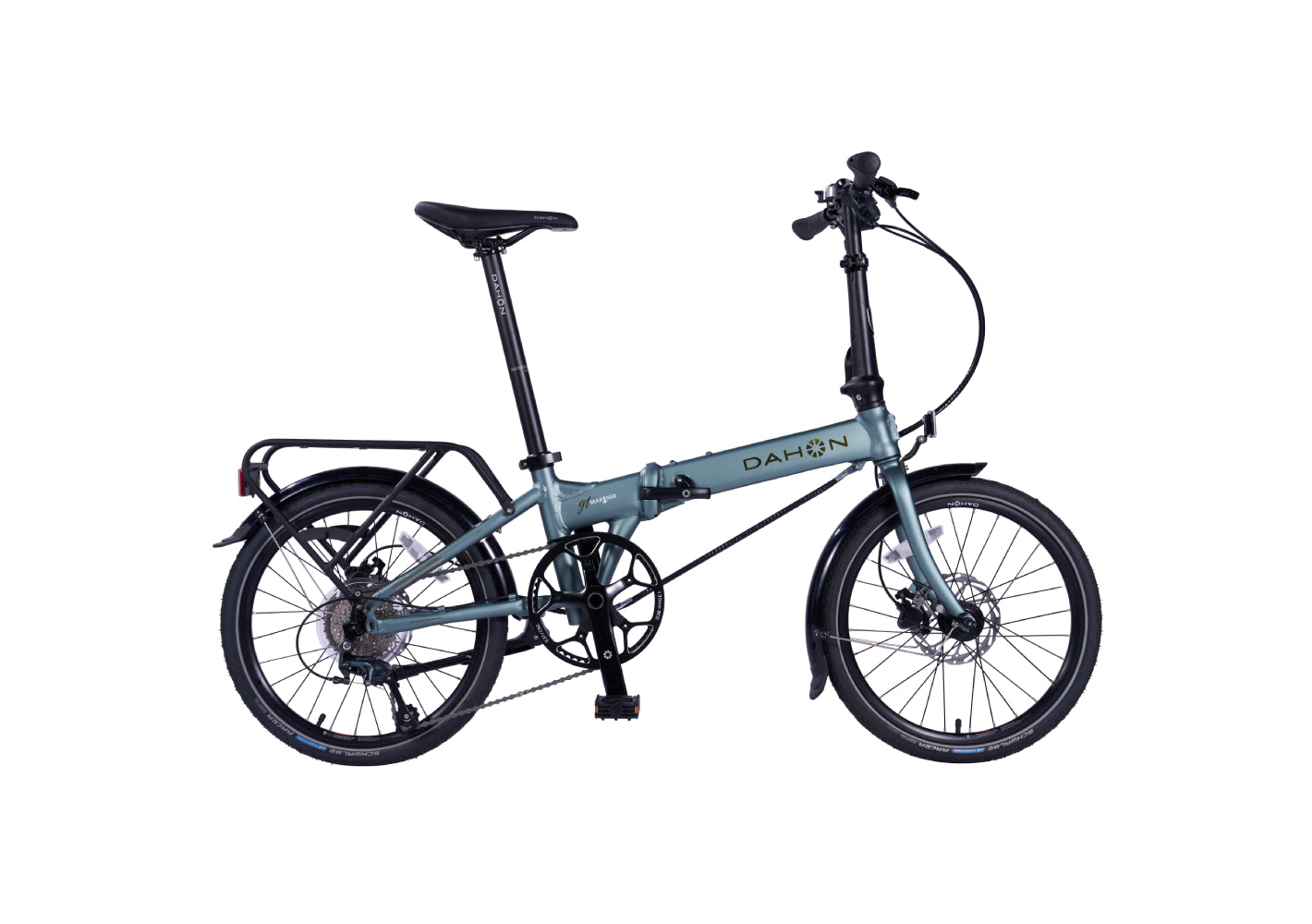
| Folded size | ~28" x 16" x 20-24" | ~31" x 12" x 25" | 32.3" x 15" x 26" |
| Speeds | 9 (Shimano) | 8 (Shimano) | 10 (Shimano Tiagra) |
| Brakes | Disc | V-brake | Disc (Tektro) |
| Anti-rust design | No | Yes | Yes |
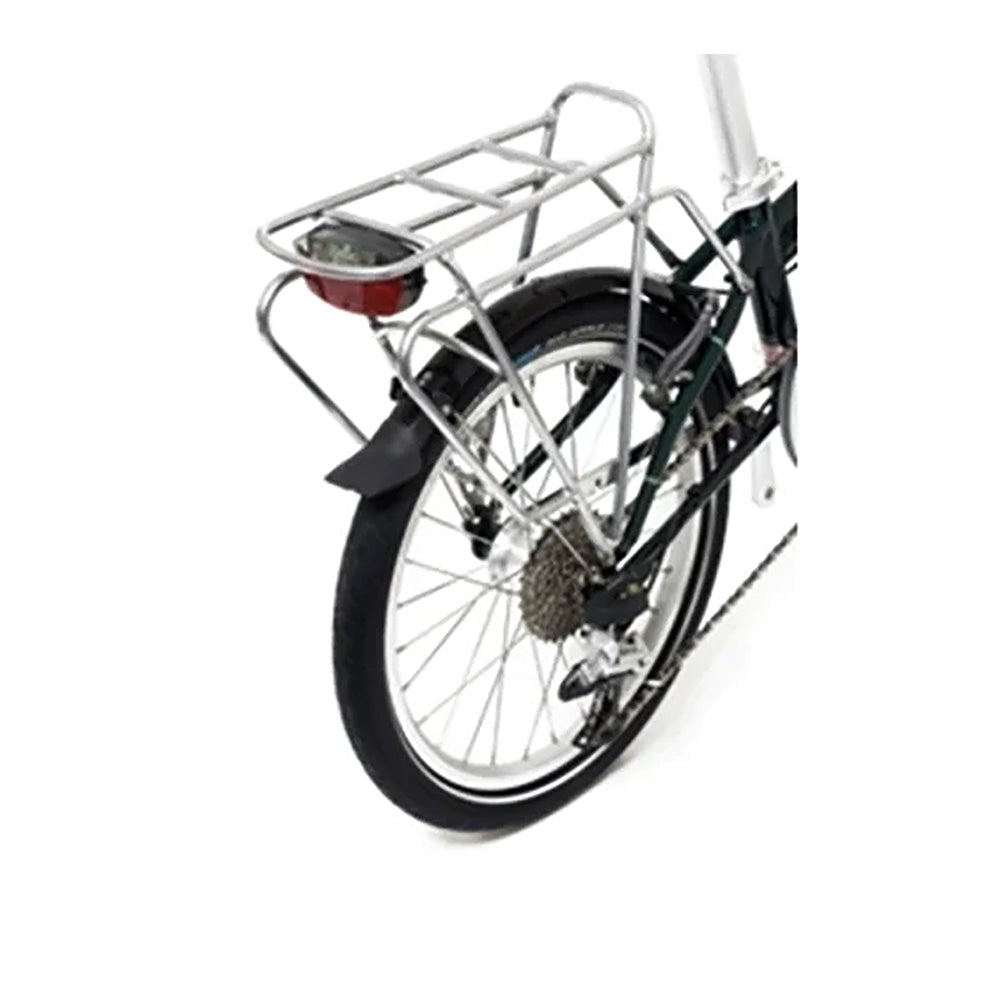
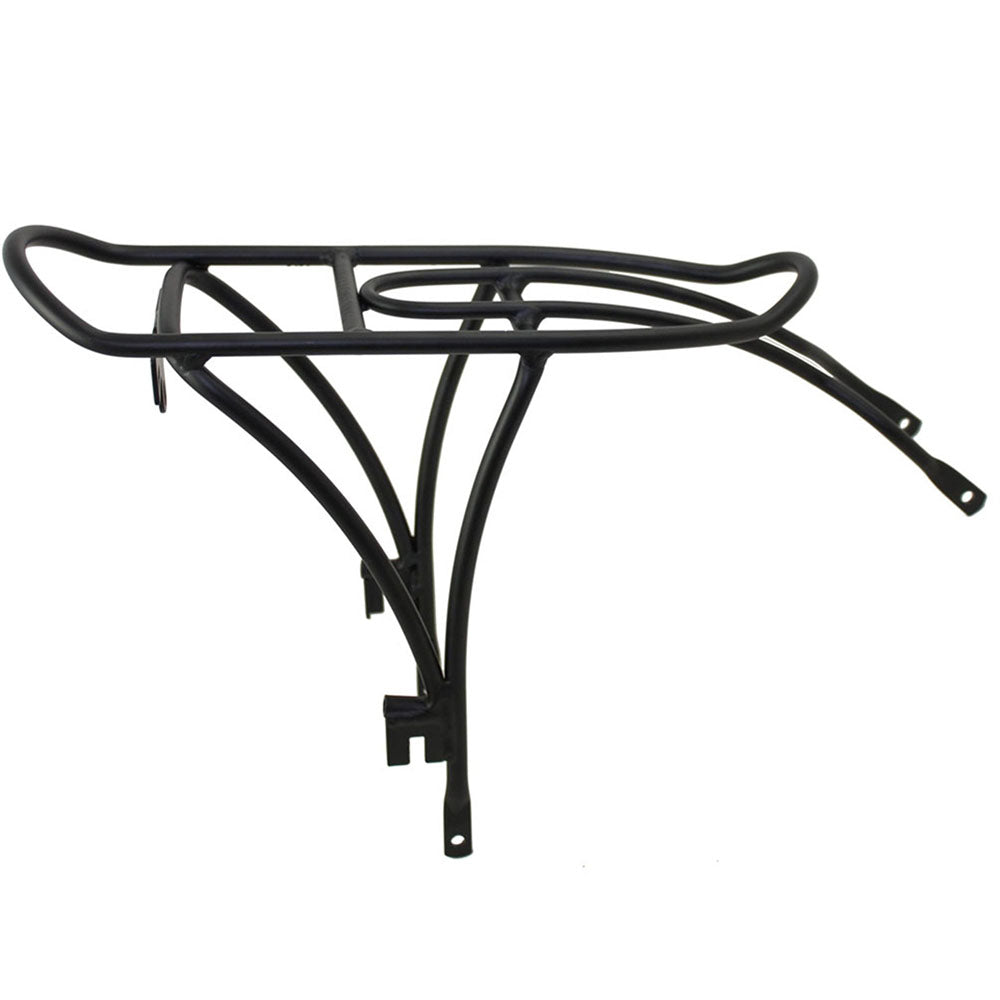
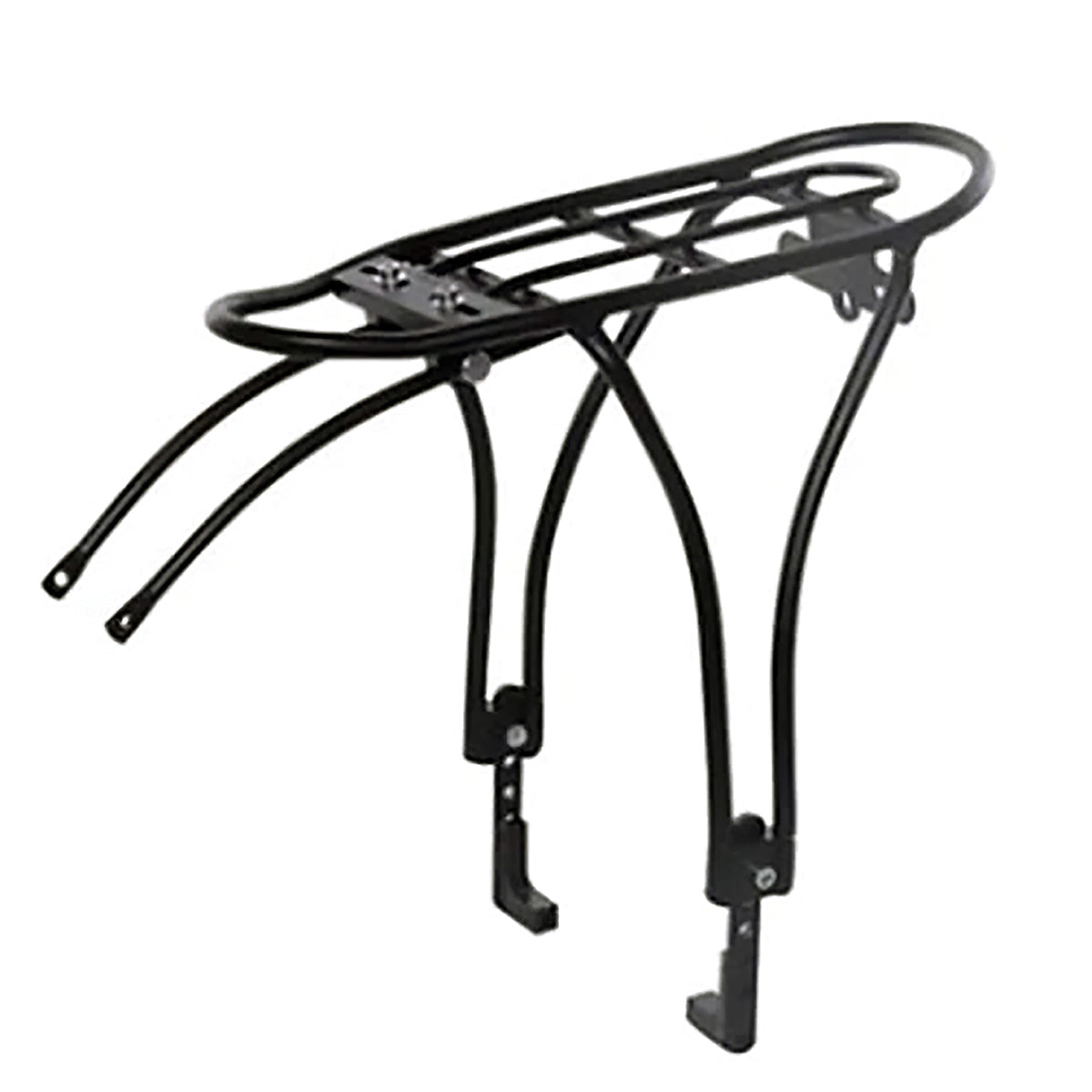
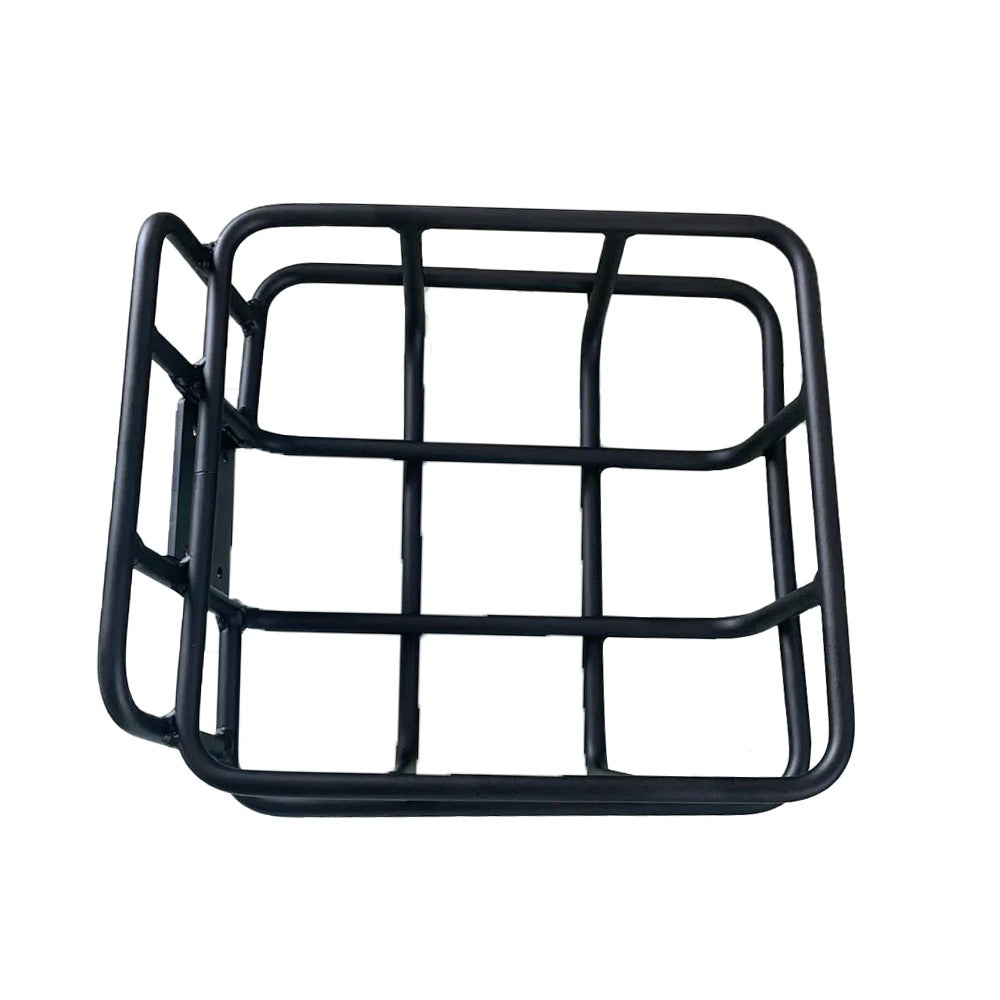
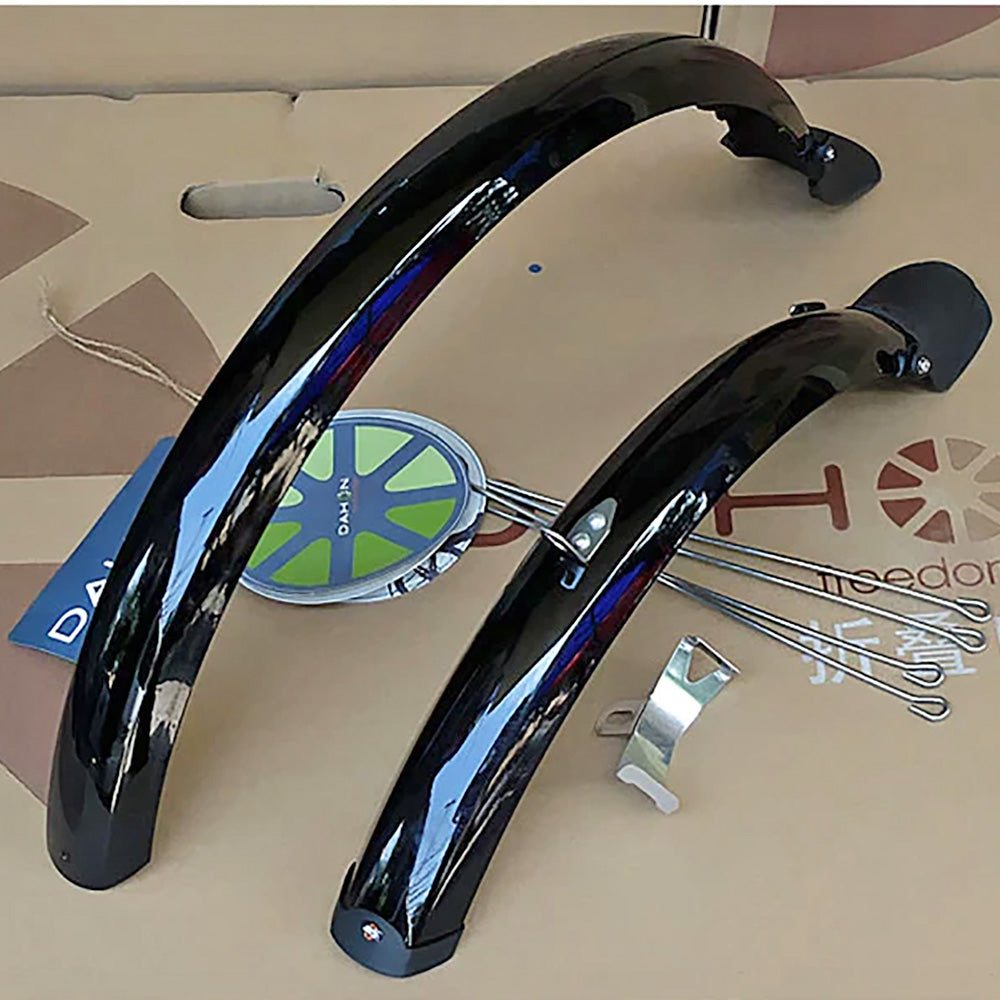
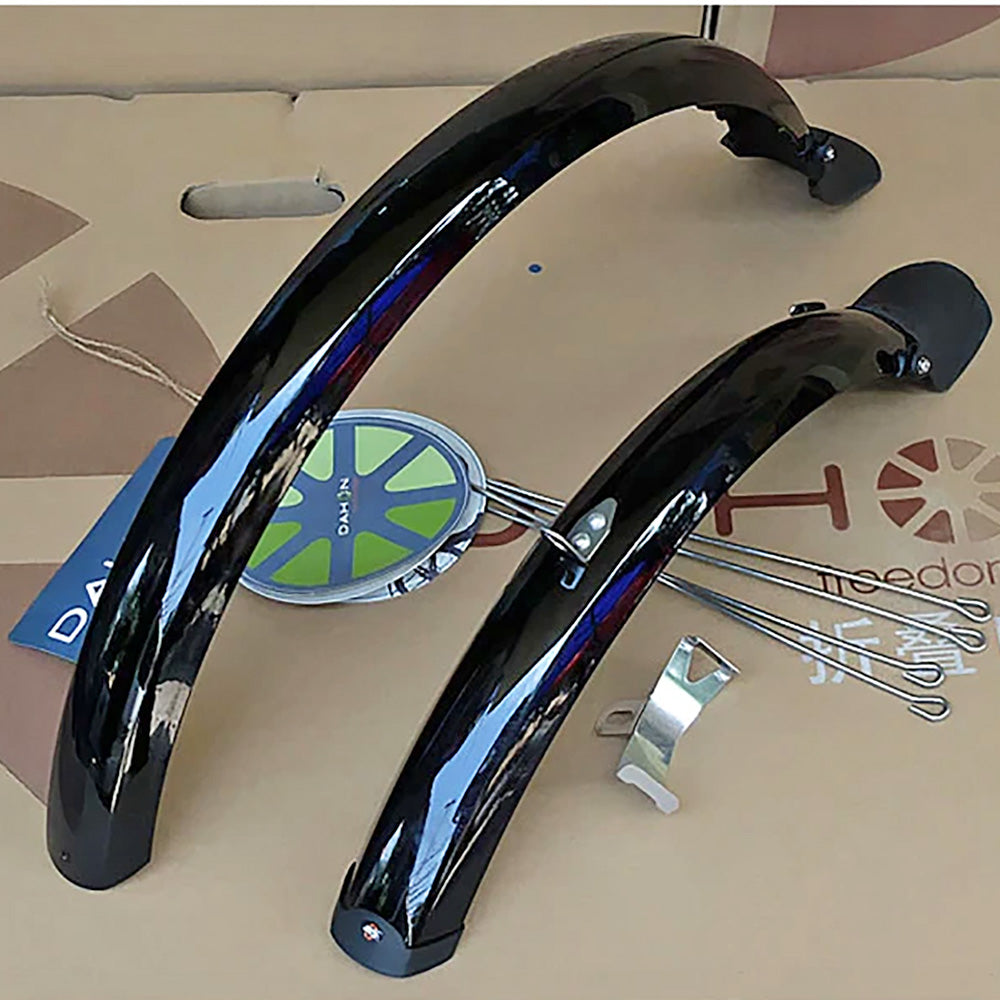
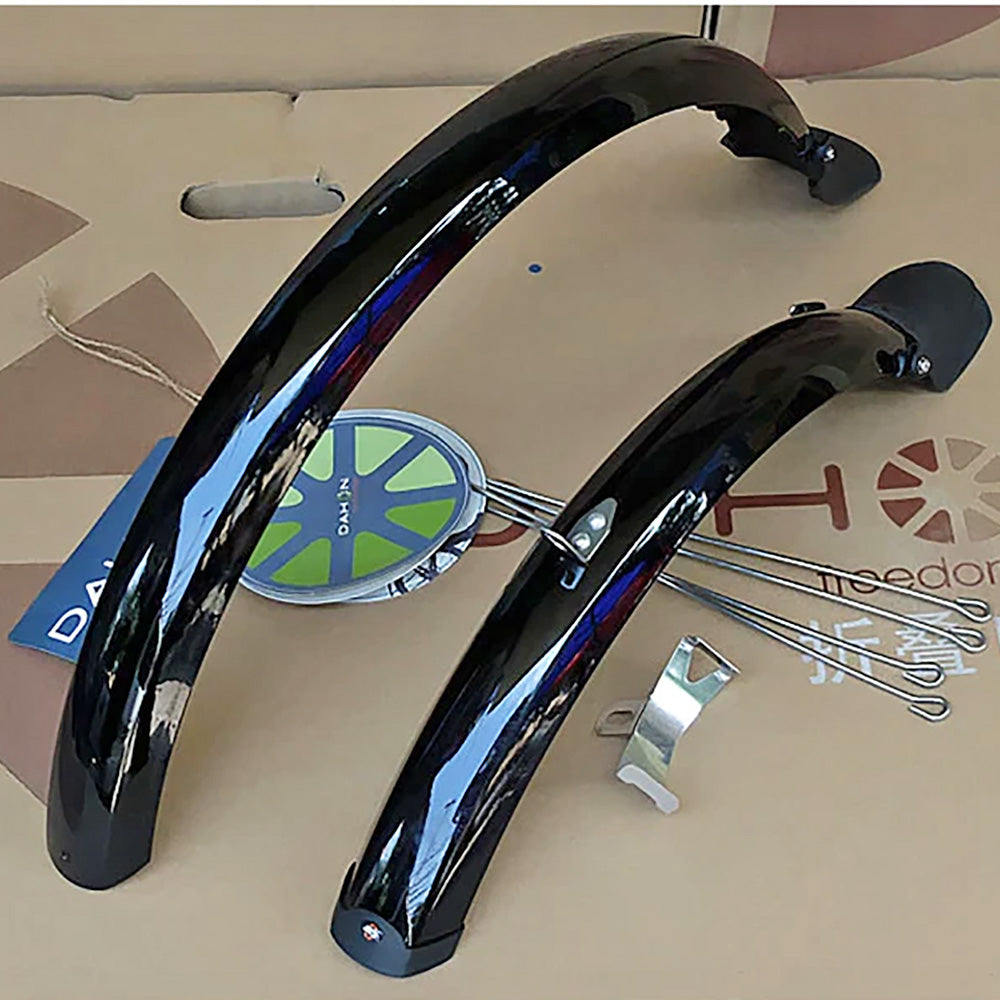
| Rack/fenders | Optional | Included | Included |
| Price | $999 | $949 | $1,199 |
How to Choose
The K9 is the lightest option and the most compact when folded. It is a strong fit for pilots who prioritize low weight and tight cargo spaces, and who plan to ride short distances (under three miles) on paved surfaces.
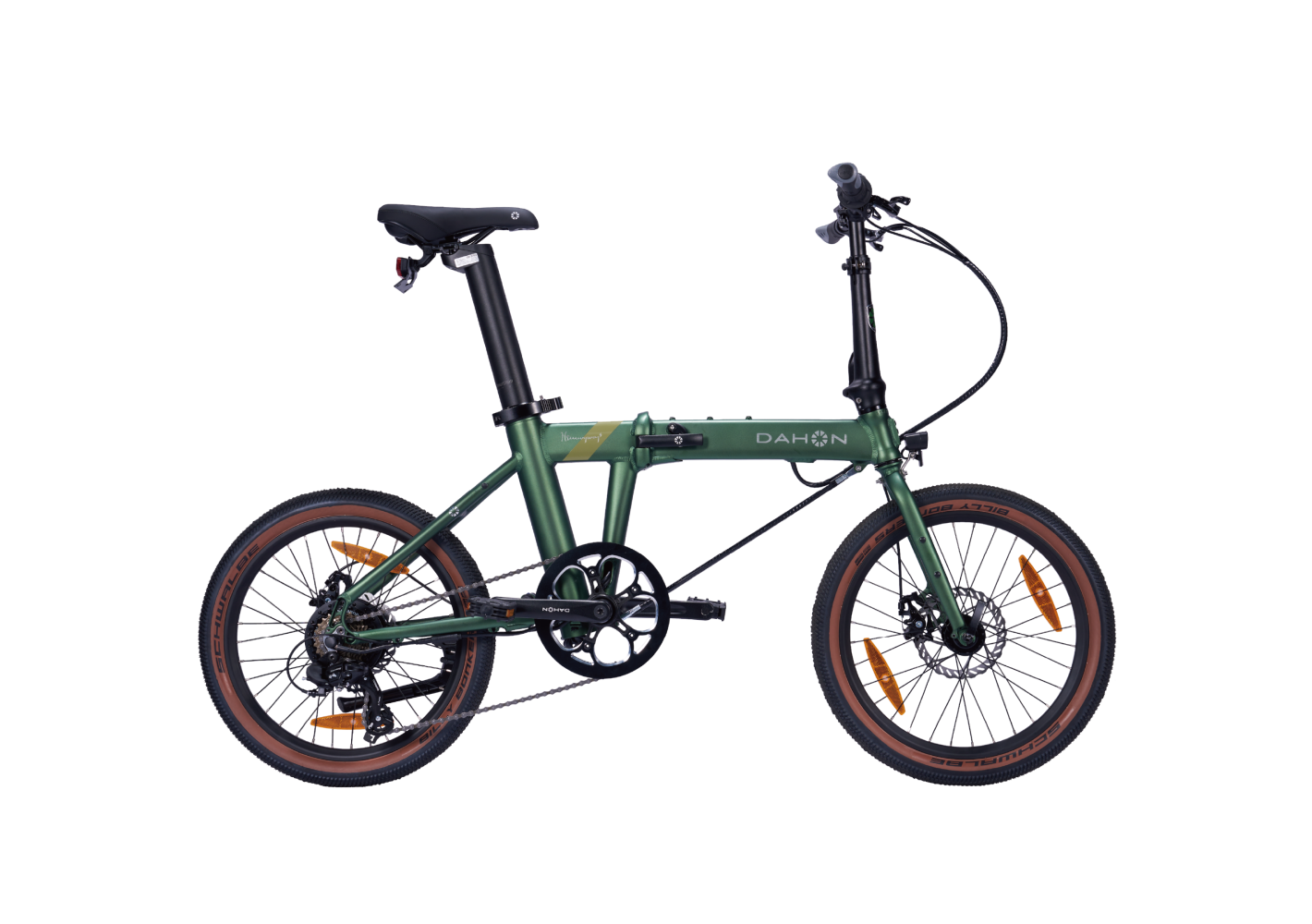
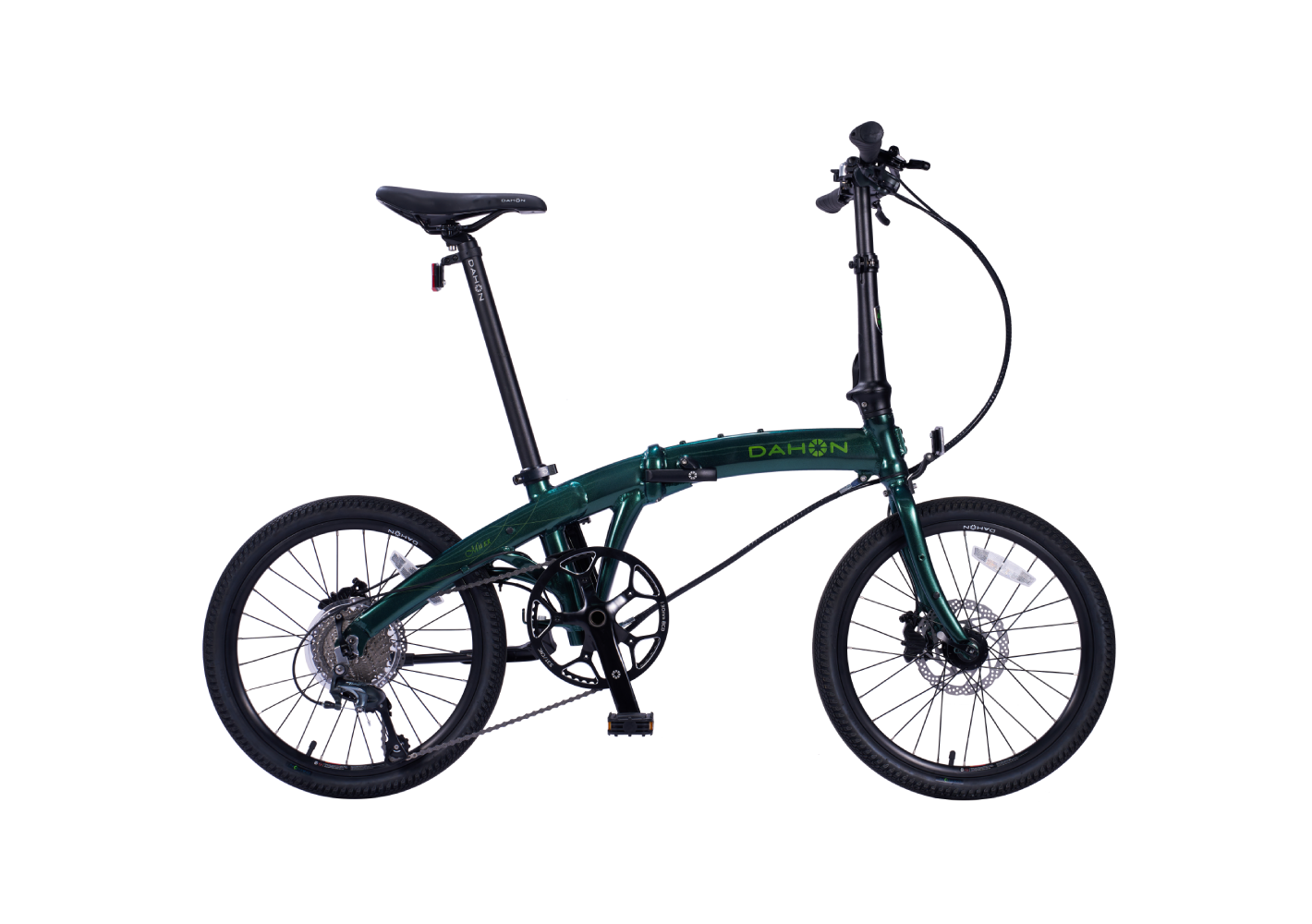
The Mariner D8 II offers 20" wheels for a smoother ride on longer trips, plus a rust-resistant finish and included fenders and rack. It is the most affordable of the three and a solid all-around pick.
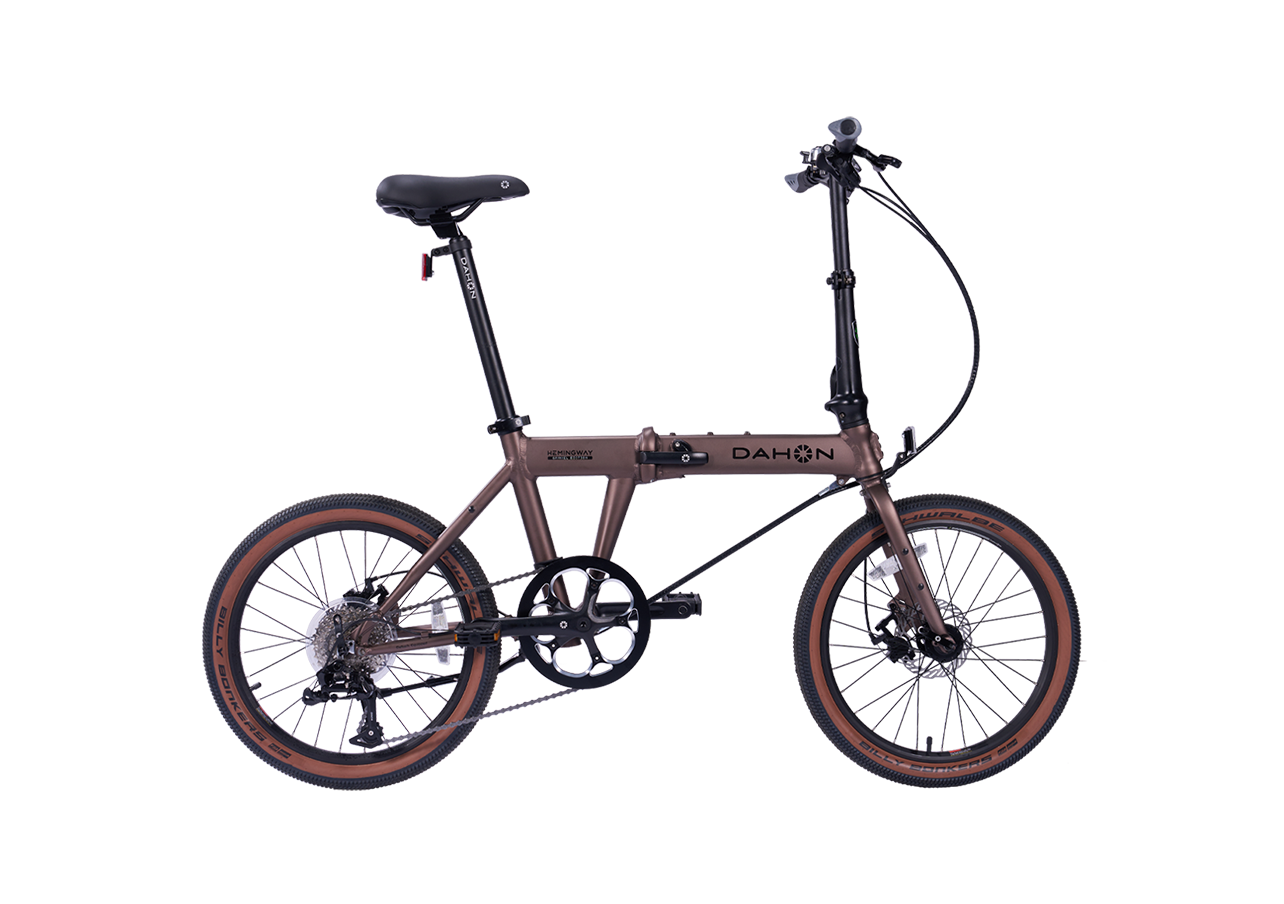
The Mariner GT is built for pilots who want to ride farther. With 10-speed Shimano Tiagra gearing, disc brakes, and Schwalbe Marathon Racer tires, it handles hills and mixed surfaces well. The anti-rust coating protects it in coastal and outdoor storage conditions.
How to Pack and Store a Folding Bike in Your Aircraft
Loading a folding bike takes a few minutes of planning. Here is a step-by-step approach.
Before You Buy
Measure your aircraft's cabin door opening and baggage door opening precisely. Compare those measurements against the folded dimensions of the bike you are considering. Do not rely on published specs alone, as manufacturing tolerances and accessories like pedals can add width.
Loading Tips
- Fold the bike completely and tuck in the pedals before approaching the aircraft.
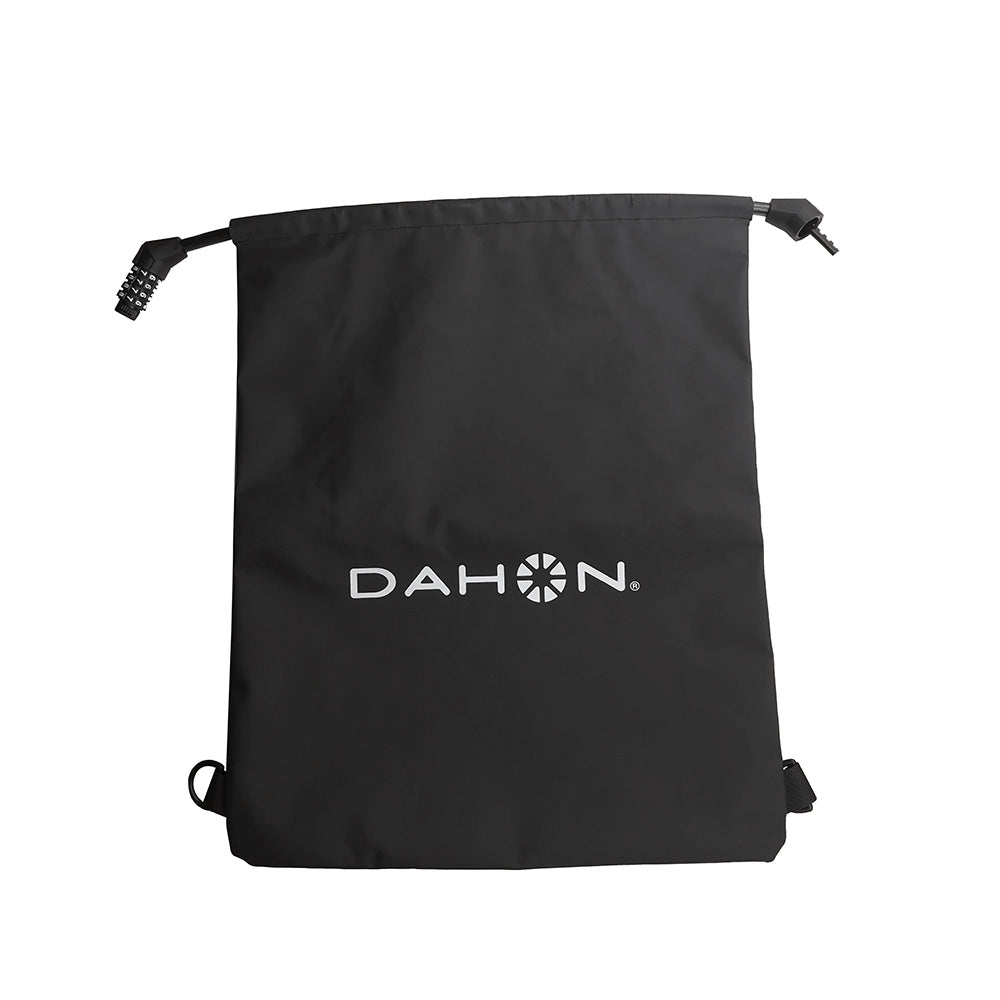
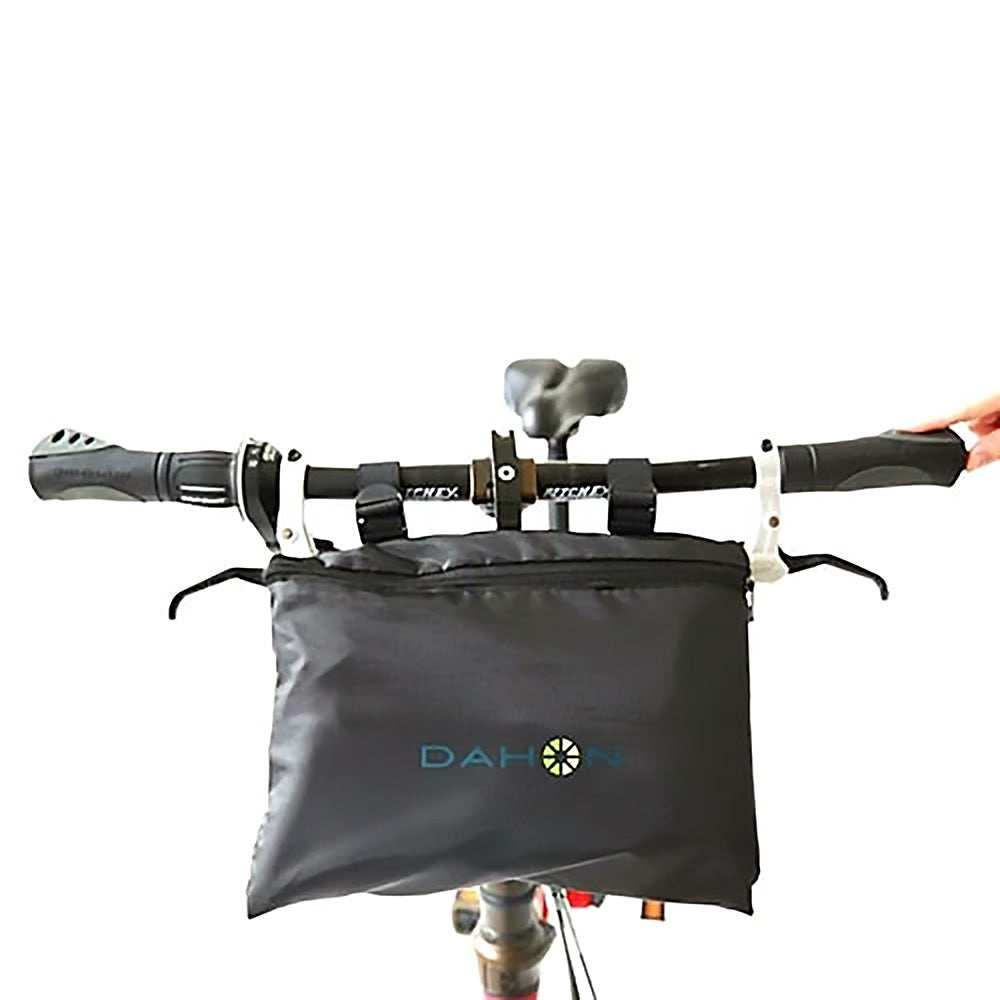
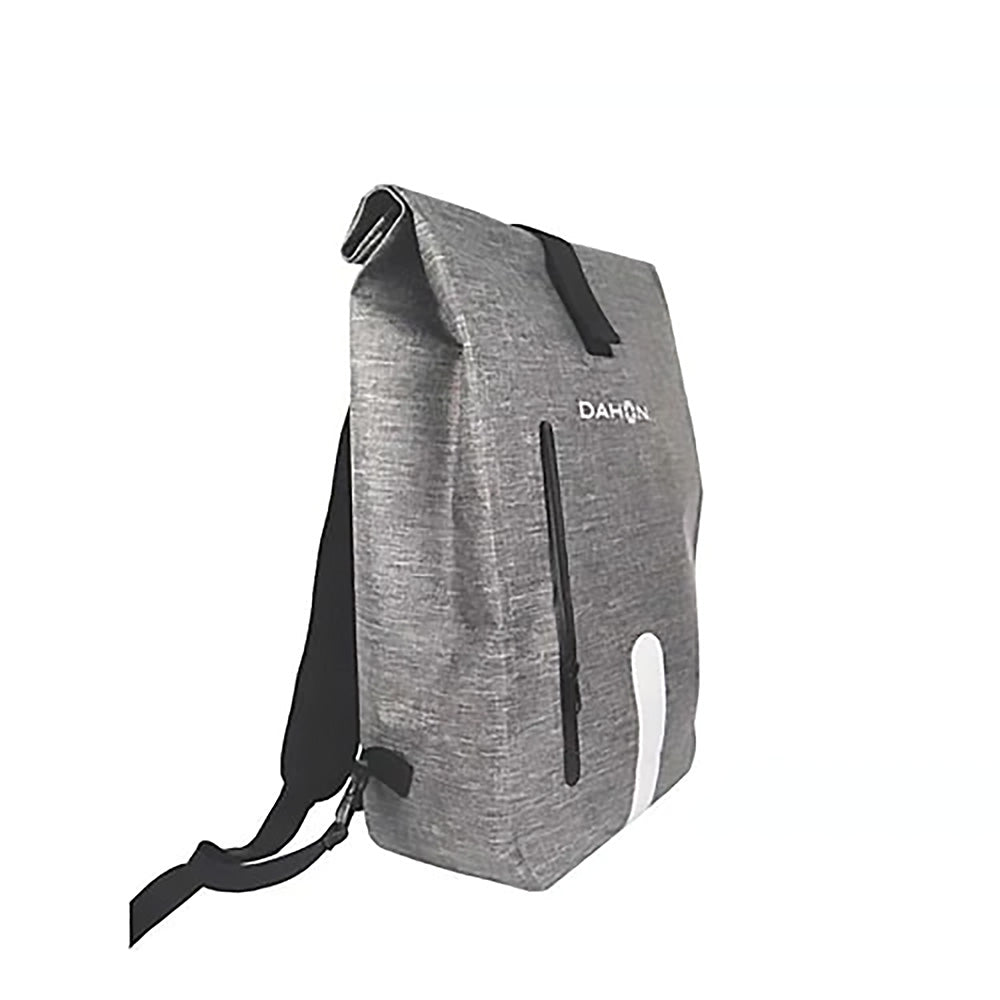
- Use a carry bag to protect your aircraft's interior from grease, chain marks, and scratches. DAHON offers a foldable carry bag sized for their bikes.
- In a Cessna 172, most pilots load through the rear cabin door and place the bike on the back seat or behind it in the cargo area. Secure it with the seatbelt or a tie-down strap.
- In larger aircraft like the Cessna 182 or Piper Cherokee Six, the baggage area and door are bigger, and a folded bike usually fits through the baggage door directly.
- Always re-run your W&B after adding the bike.
At Your Destination
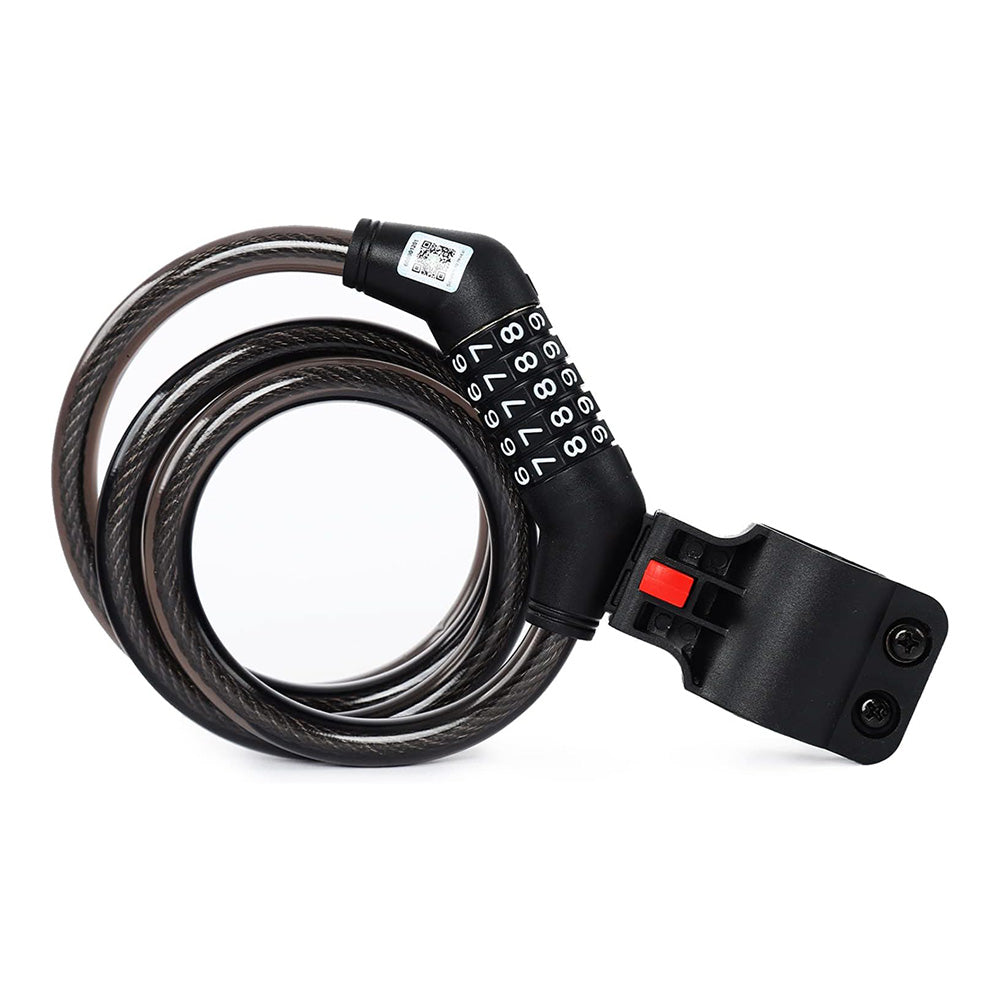
Lock the bike if you are leaving it unattended. A lightweight cable lock takes up almost no space in your flight bag. If there is no bike rack at the FBO or restaurant, fold the bike and bring it inside.

Find the Right Folding Bike for Your Aircraft
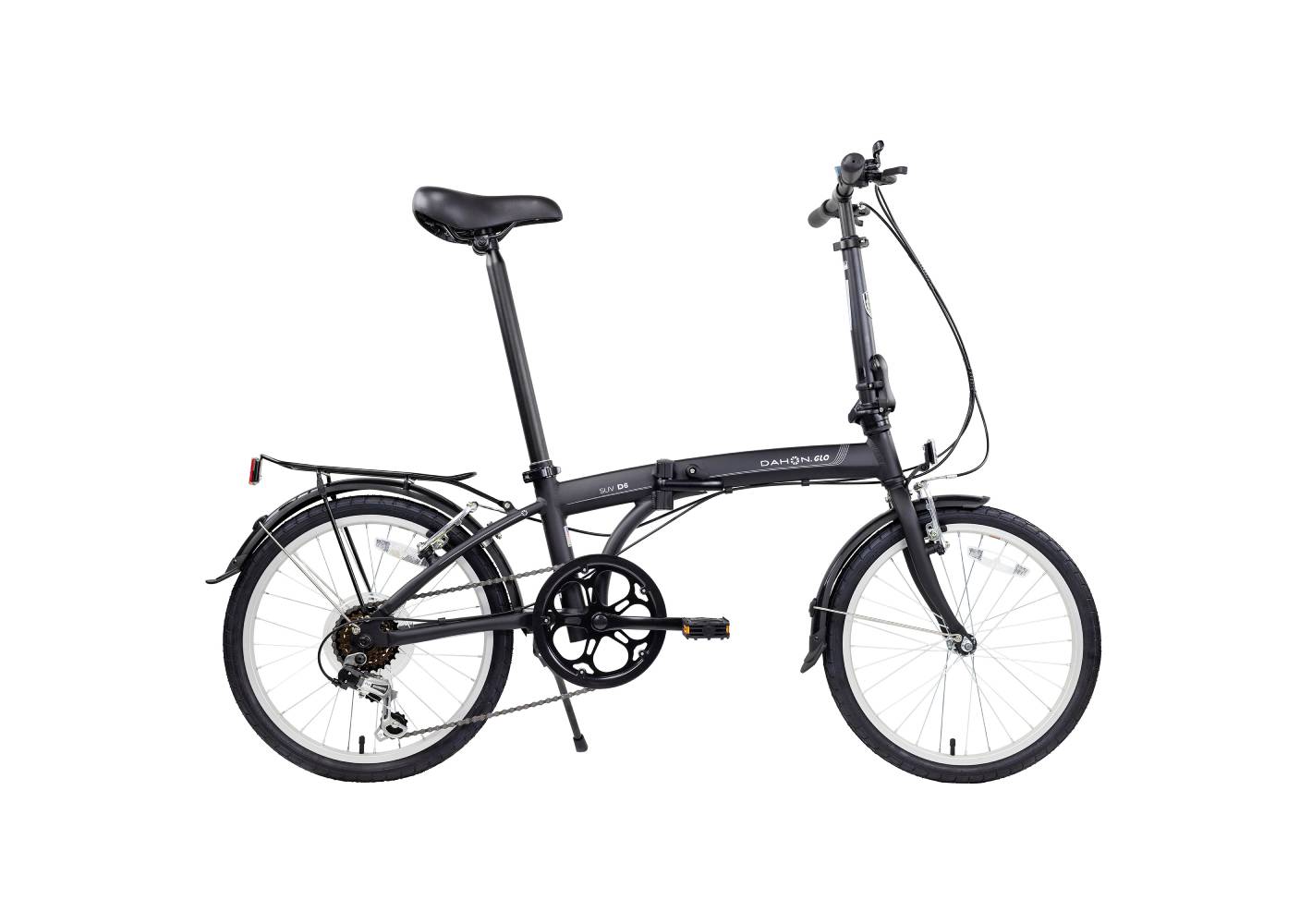
A folding bike under 28 pounds slips easily into most general aviation aircraft without throwing off your weight and balance. The best one for you really comes down to your plane's door size, how much cargo space you have, and how far you typically want to ride once you're on the ground.
DAHON's lineup — from the super-compact K9 to the capable Mariner models — gives you practical options that quietly expand what's possible after landing. Choose the one that best matches how you actually fly.
FAQs
Q1: Will a folding bike fit through my Cessna 172 baggage door?
Not likely. The Cessna 172S baggage door opening measures roughly 15.25" x 21" (39 x 53 cm), which is too narrow for most folded bikes. Most pilots load folding bikes through the rear cabin door instead, placing them on or behind the back seat. Measure your specific aircraft's openings before purchasing.
Q2: Does a folding bike count toward useful load?
Yes. A folding bike must be included in your useful load and W&B calculations, the same as any other cargo. A 23 lb (10.4 kg) folding bike uses about 2-3% of a Cessna 172's total useful load. Always recalculate before departure.
Q3: Can I fly with an electric folding bike in my private plane?
It depends. GA flights under Part 91 do not face the same lithium battery restrictions as commercial airlines. You can carry an e-bike, but you need to secure the battery firmly, account for the extra weight, and check with your insurance provider and airport authority for any specific policies. Electric folding bikes typically weigh 40-75 lbs (18-34 kg), which has a much bigger impact on useful load and CG than a standard folding bike.
Q4: Is a folding e-scooter a better option than a folding bike for pilots?
It depends on where you fly. E-scooters are lighter and more compact, but they cannot handle grass, gravel, or unpaved surfaces near rural airstrips. They also become dead weight when the battery runs out. A folding bike works on all terrain and keeps moving with or without a charge, making it the more versatile choice for pilots who visit a mix of airports.











Share:
How to Choose the Best Foldable Bike: 2026 Shoppers' Guide
From 1982 to 2026: How One Idea Changed Urban Mobility