

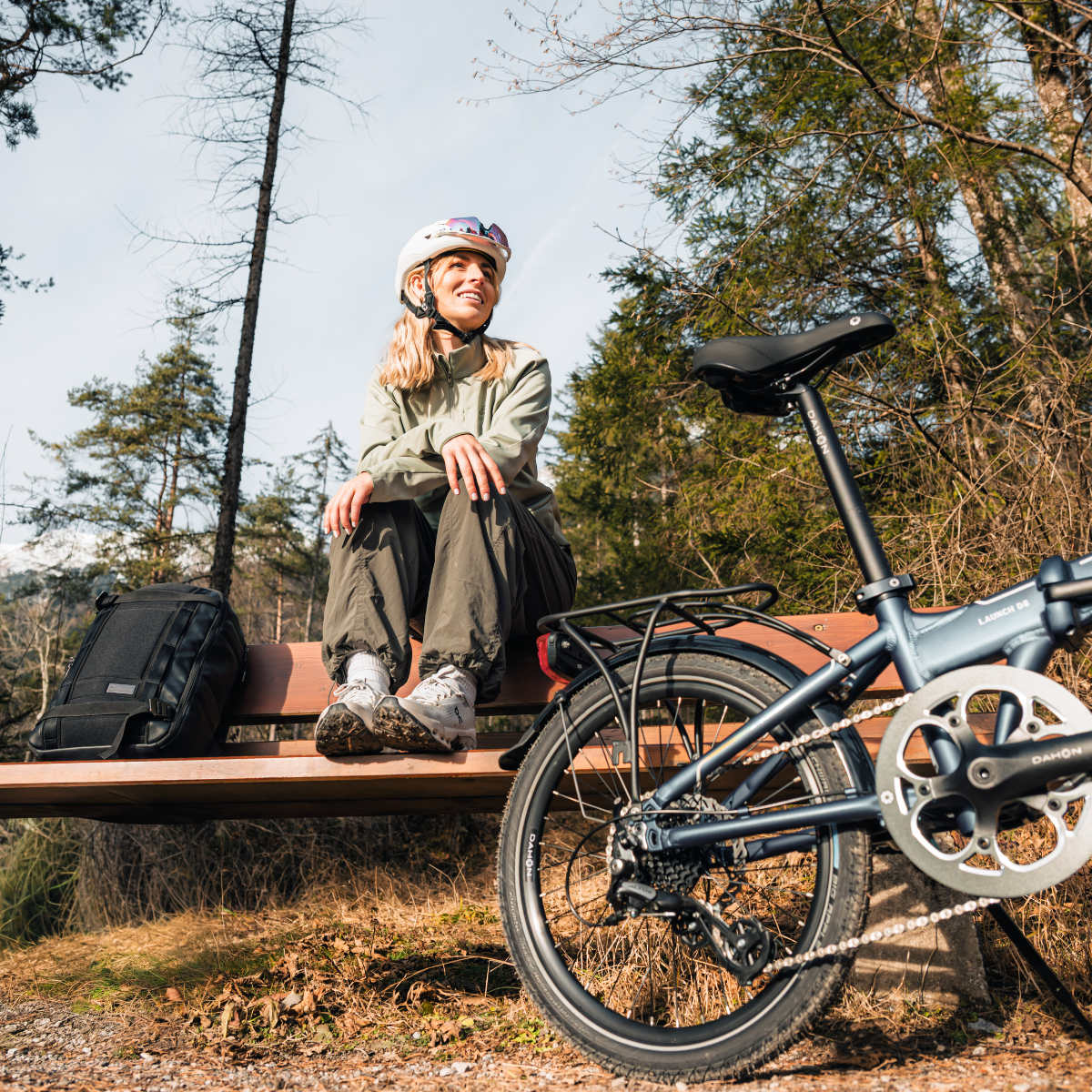
A folding bike solves the space problem. The right accessories solve everything else—how much you can carry, how safely you ride, and how smoothly the whole setup fits into your day. Here's what's worth adding, and in what order.
Racks: Start Here Before Anything Else
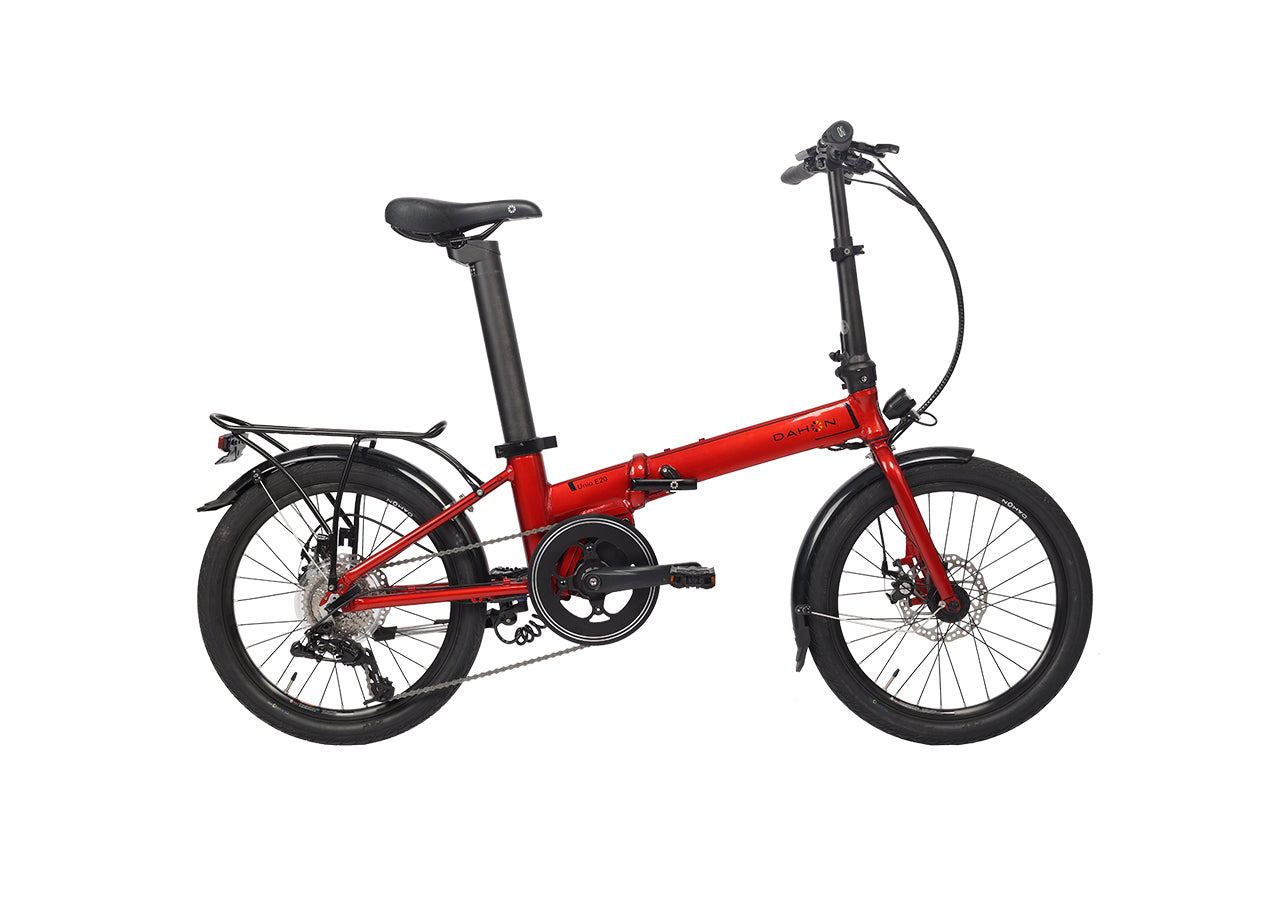
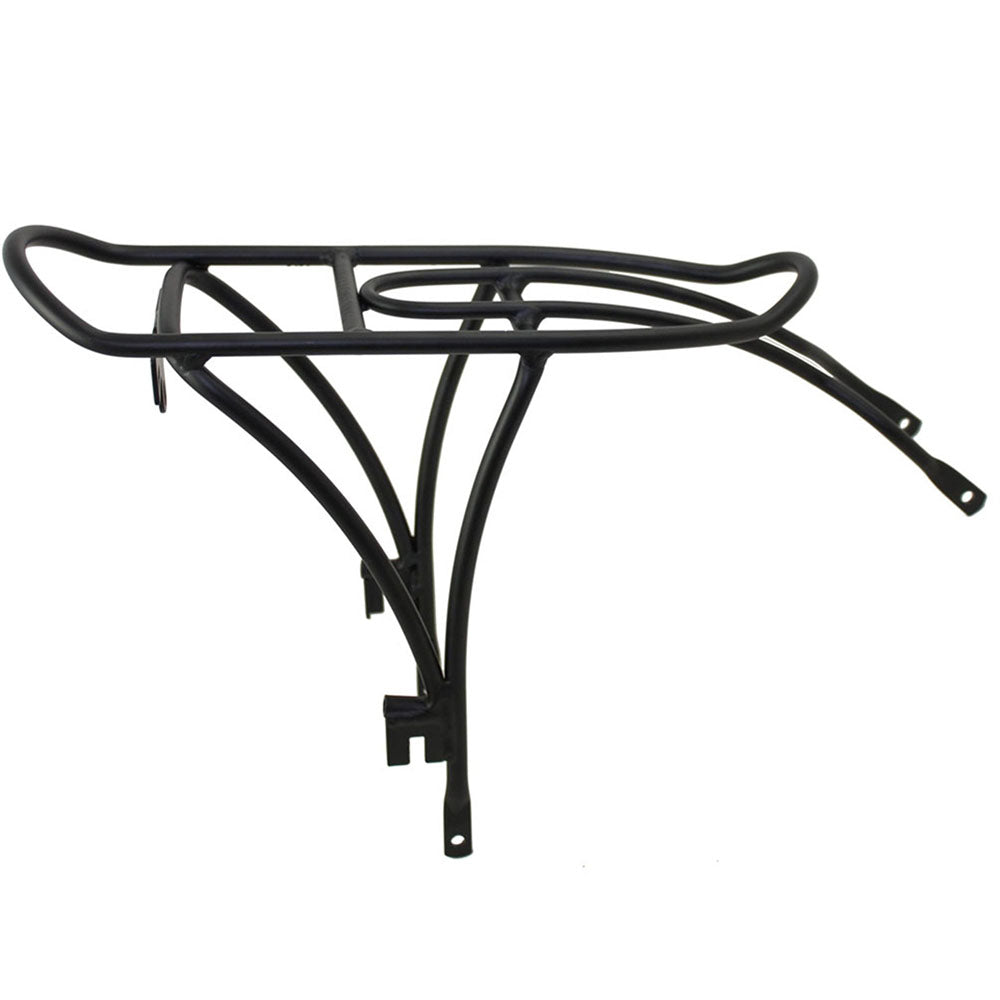
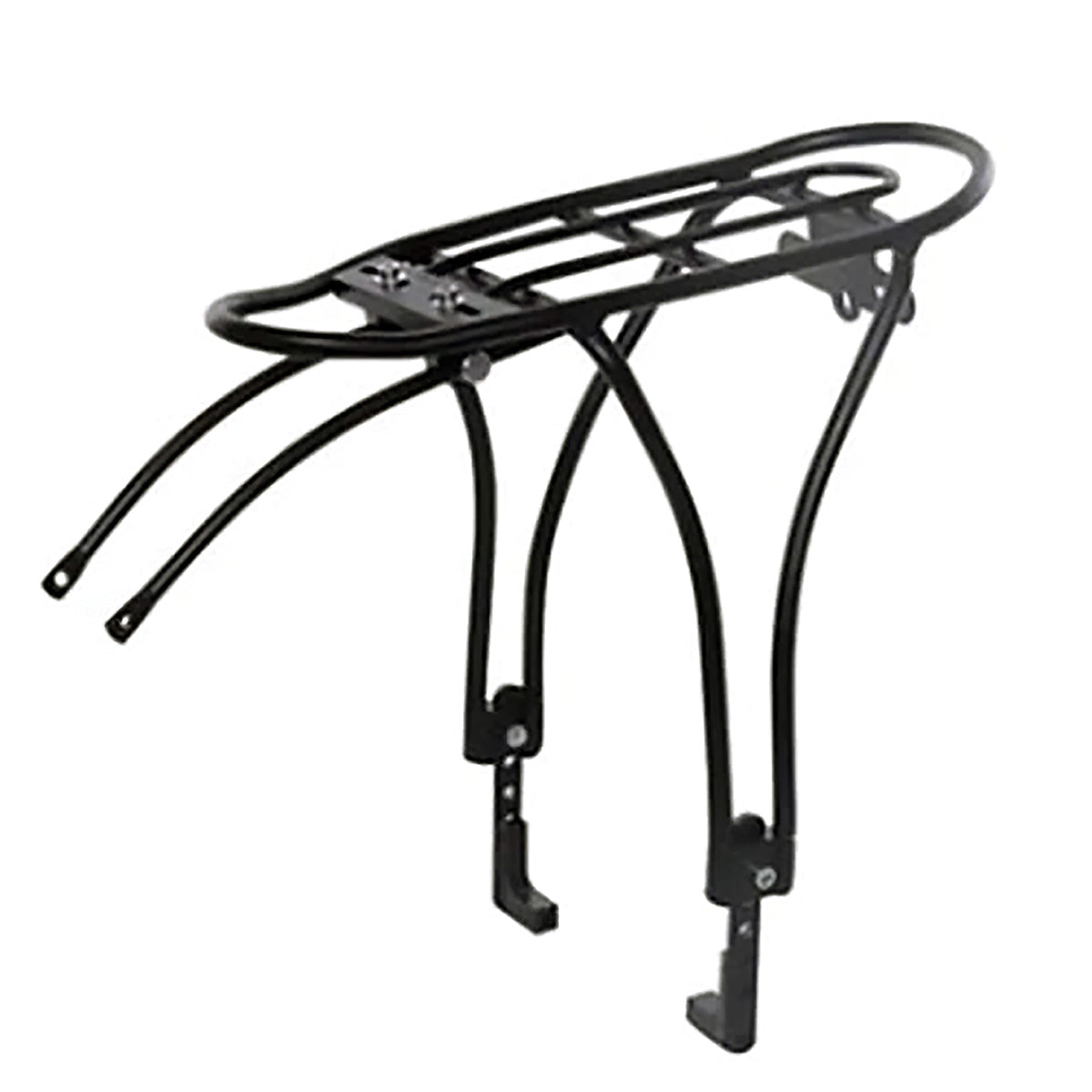
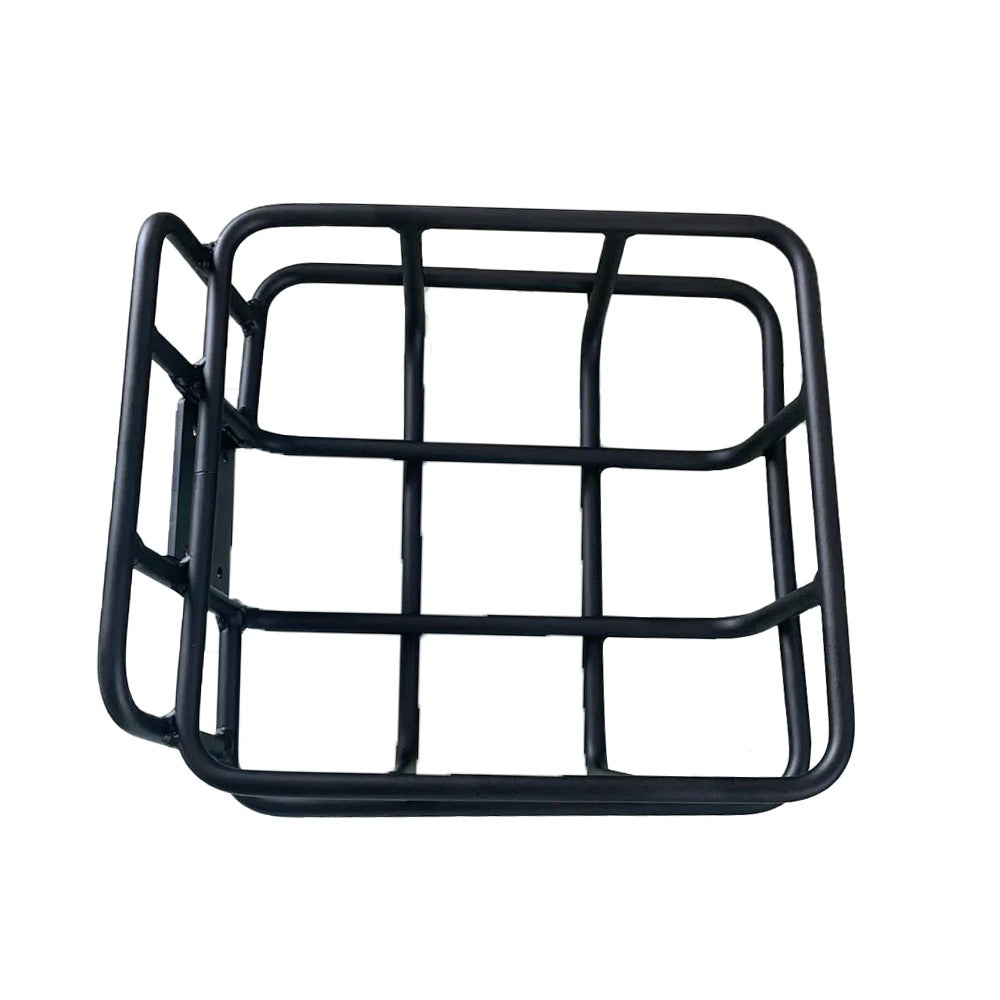
Most folding bike accessories depend on having a rack first. Panniers need somewhere to hang. Light brackets need somewhere to mount. Without a rack, your options are limited to what fits on the handlebars or under the seat.
The key compatibility checks before buying any folding bike rack:
- Brake type — V-brake and disc brake frames use different mounting points
- Wheel size — 16-inch and 20-inch bikes often require different rack designs
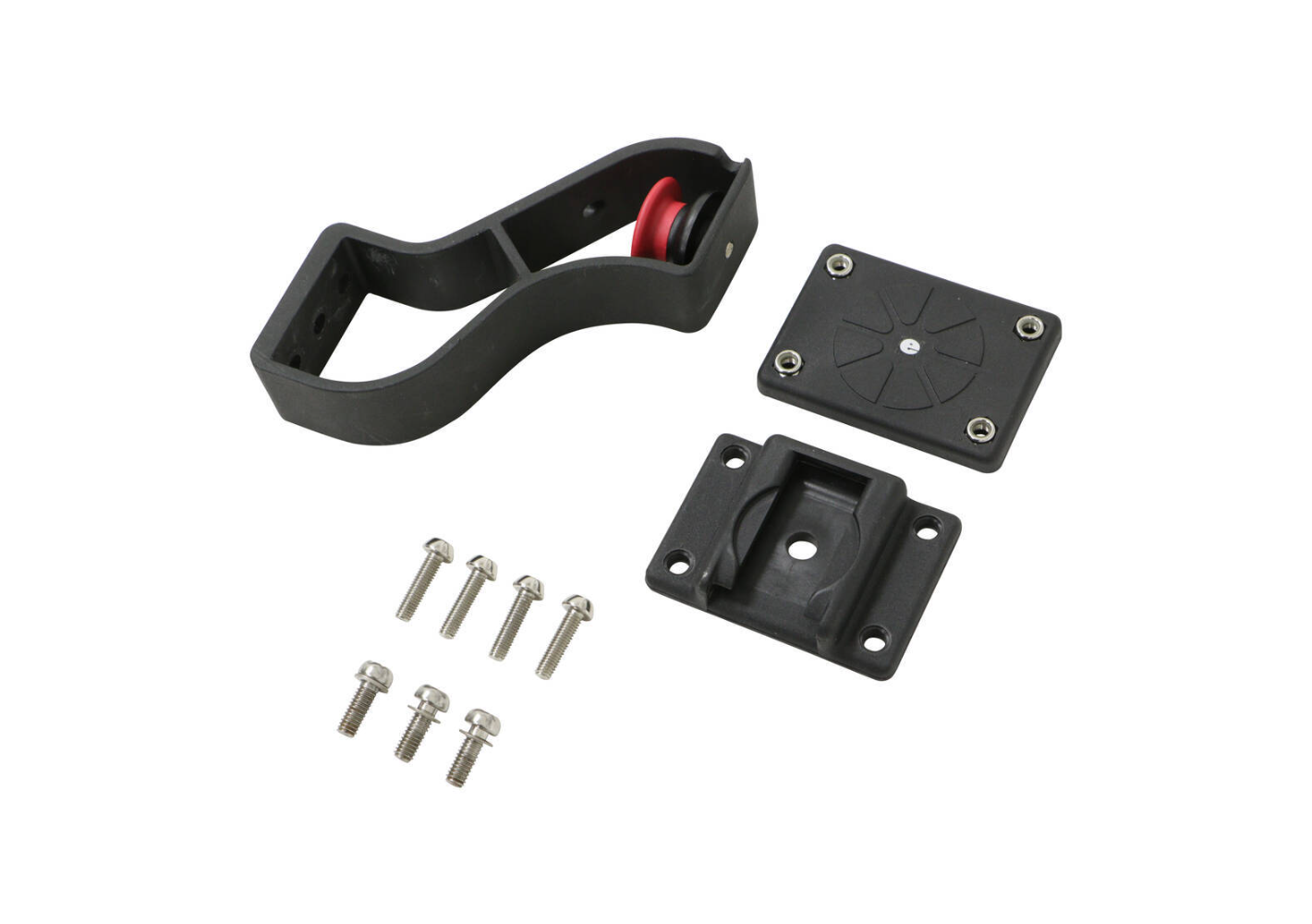
- Luggage socket — some DAHON frames have a built-in socket that specific racks are designed around
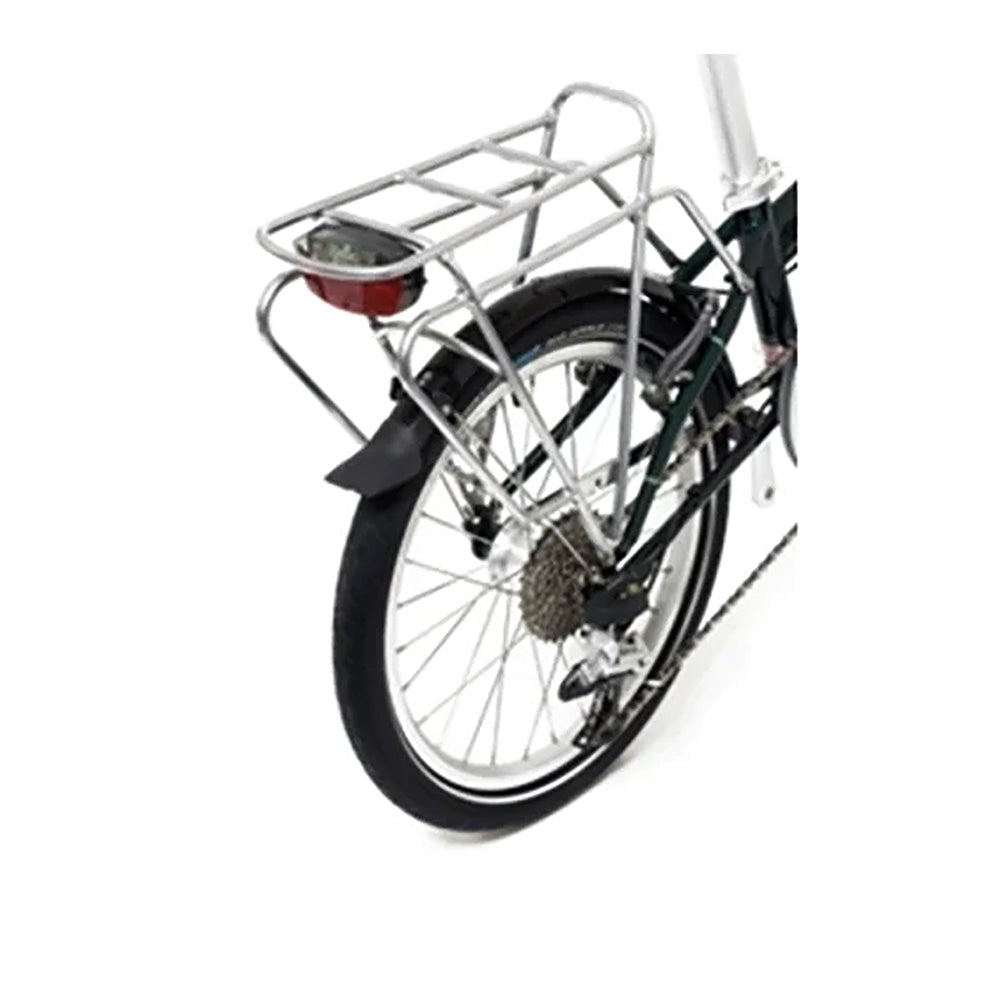
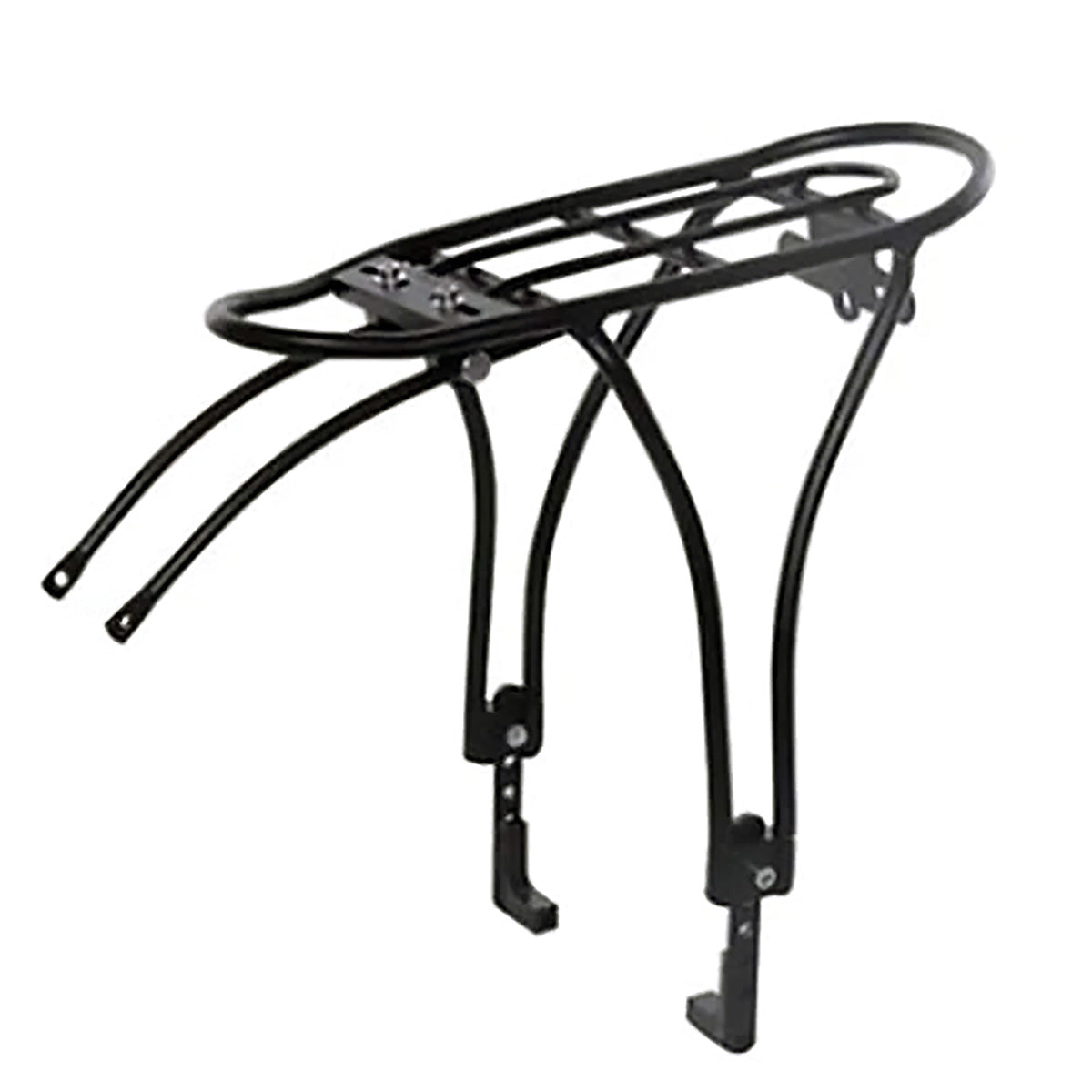
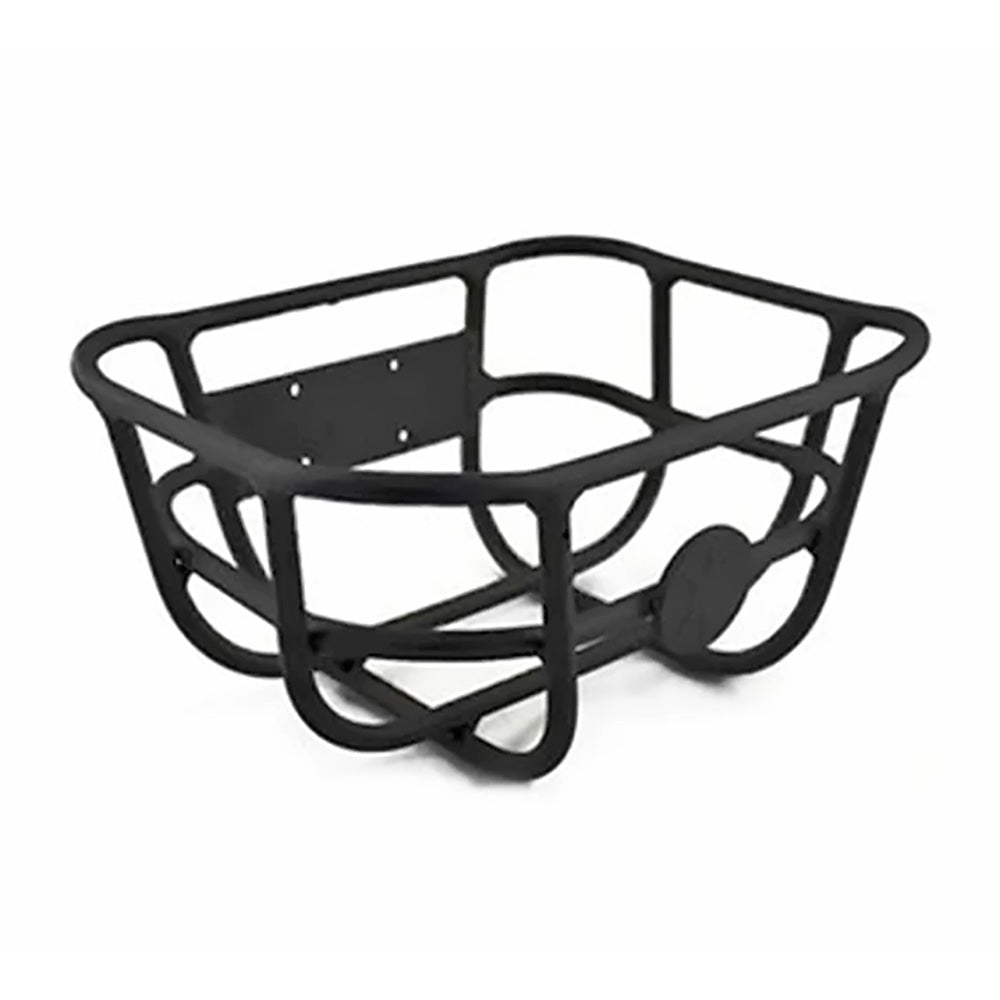
A rear rack is the most useful starting point for most riders. It opens up panniers, top bags, and a place to strap a light. Front racks add capacity but require a compatible mounting system. On folding bikes, this usually means a dedicated truss or coupler set rather than a standard fork-crown mount.
Get the rack right first. Everything else follows from it.
Pannier Bags and Front Bags
With the rack on, the next question is what kind of bag actually works on a compact frame.
The Heel Clearance Problem
On a standard bike, rear panniers hang low and wide without issue. On a folding bike with smaller wheels, a pannier that sits too far forward will catch your heel on every pedal stroke. Look for bags with a higher hang point, or check that the rack positions the bag behind the bottom bracket.
Rear Panniers
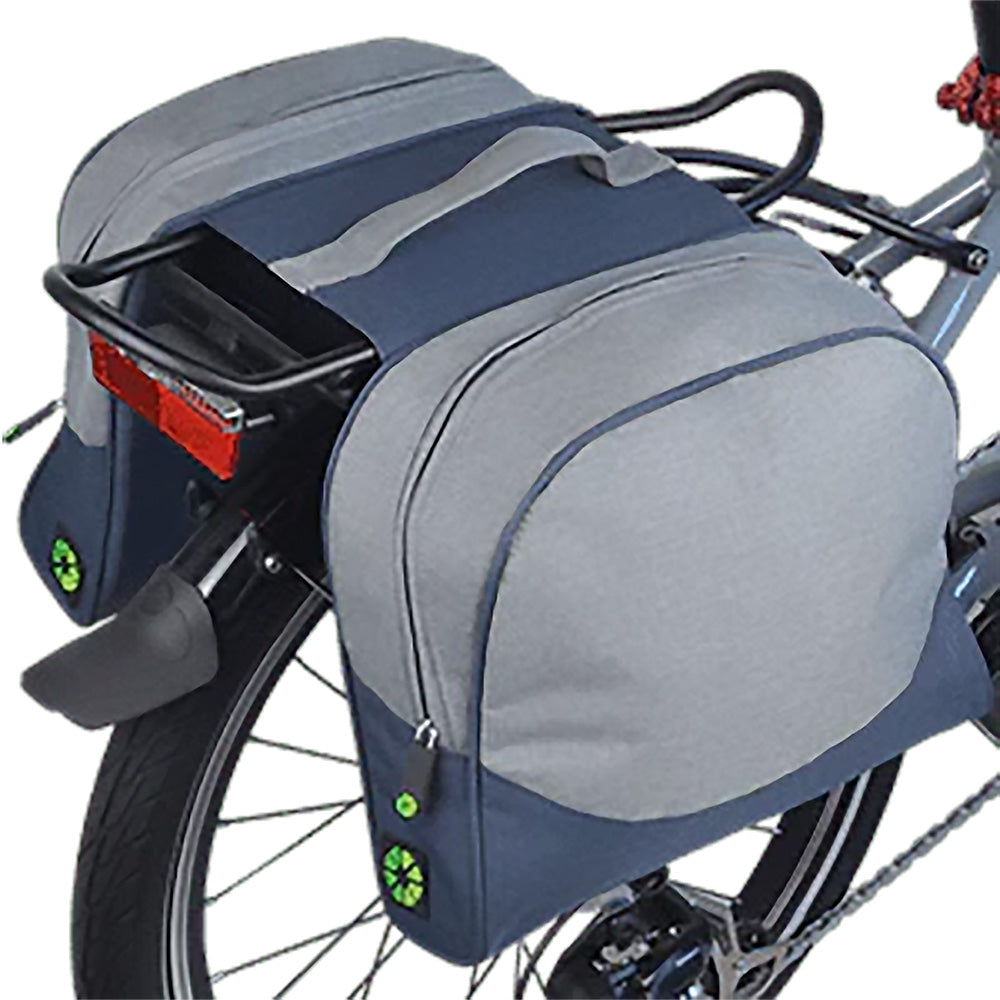
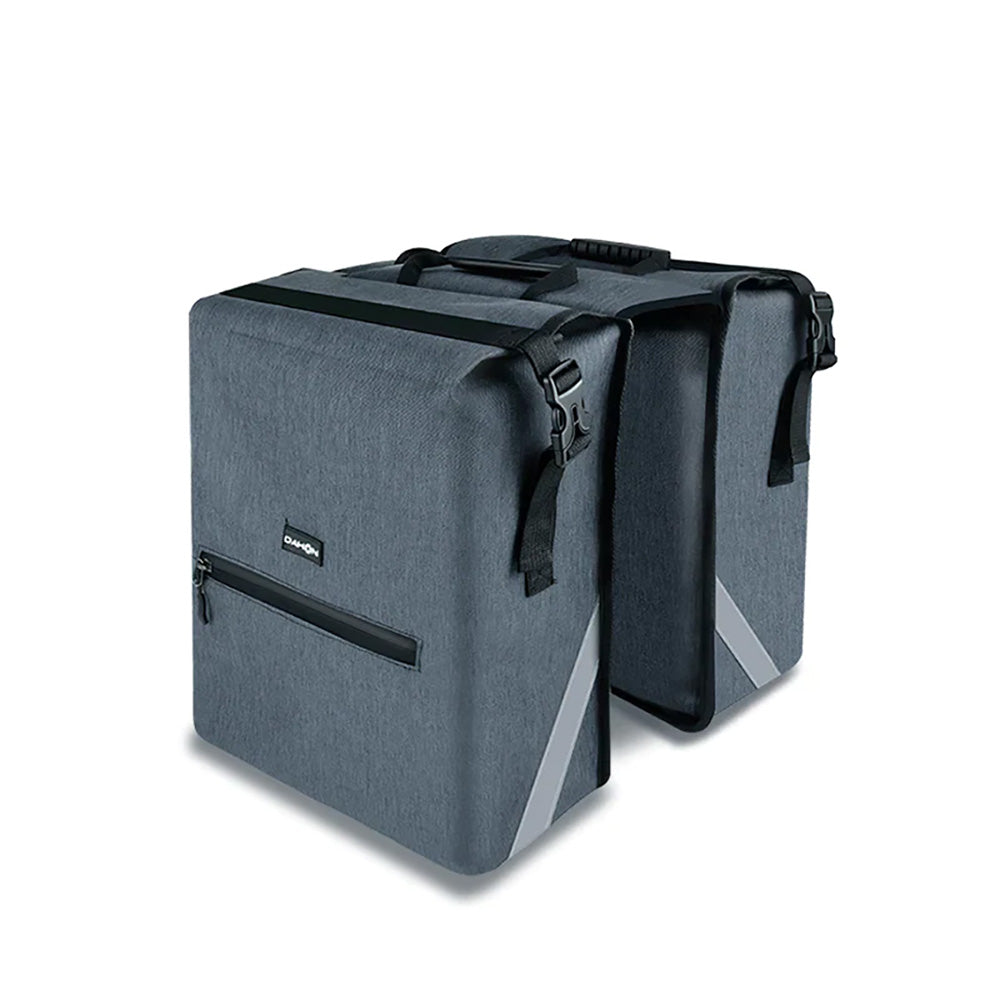
For commuting, twin panniers are the most practical option—balanced load, easy to clip on and off, enough capacity for a laptop and daily essentials. Waterproof zippers and reflective panels are worth paying for if you ride in variable weather.
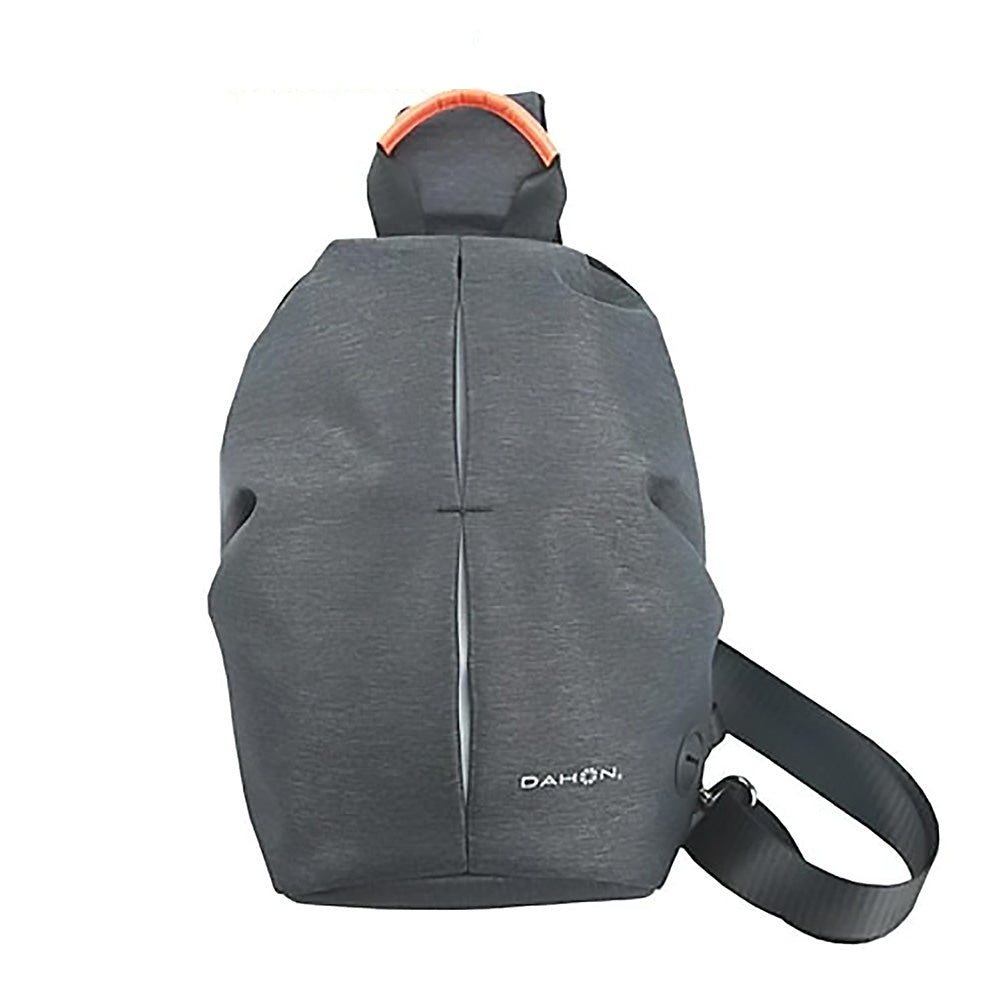
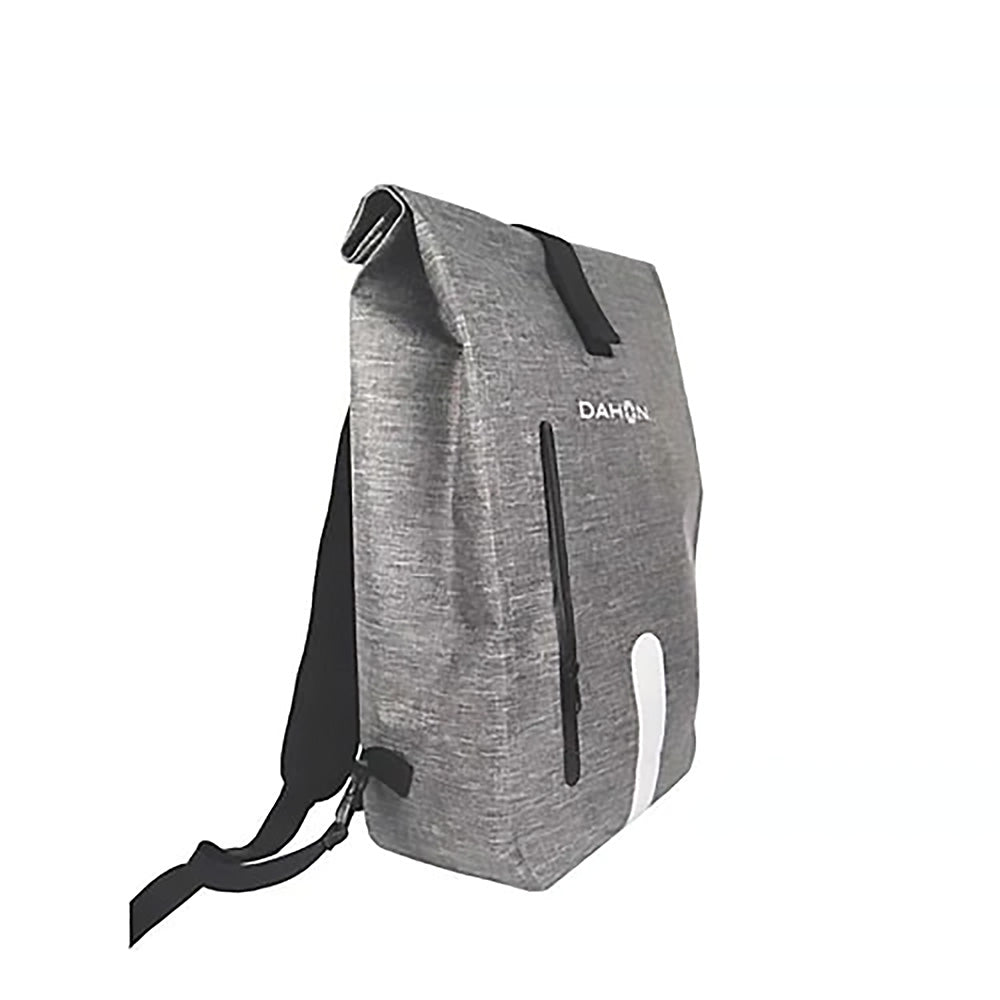
A convertible pannier-backpack is worth considering if you regularly fold the bike and continue on foot. It rides on the rack while you're cycling, then detaches and wears as a backpack once you're off the bike.
Front Bags
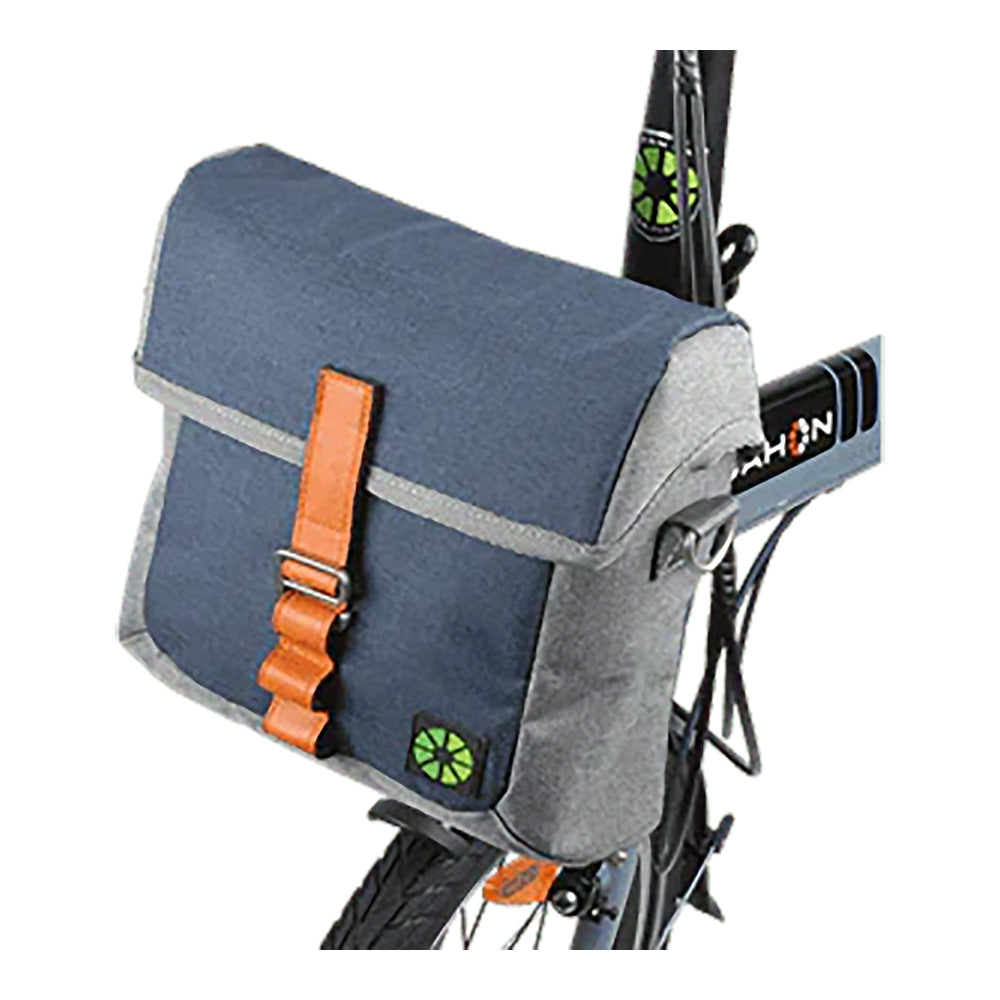
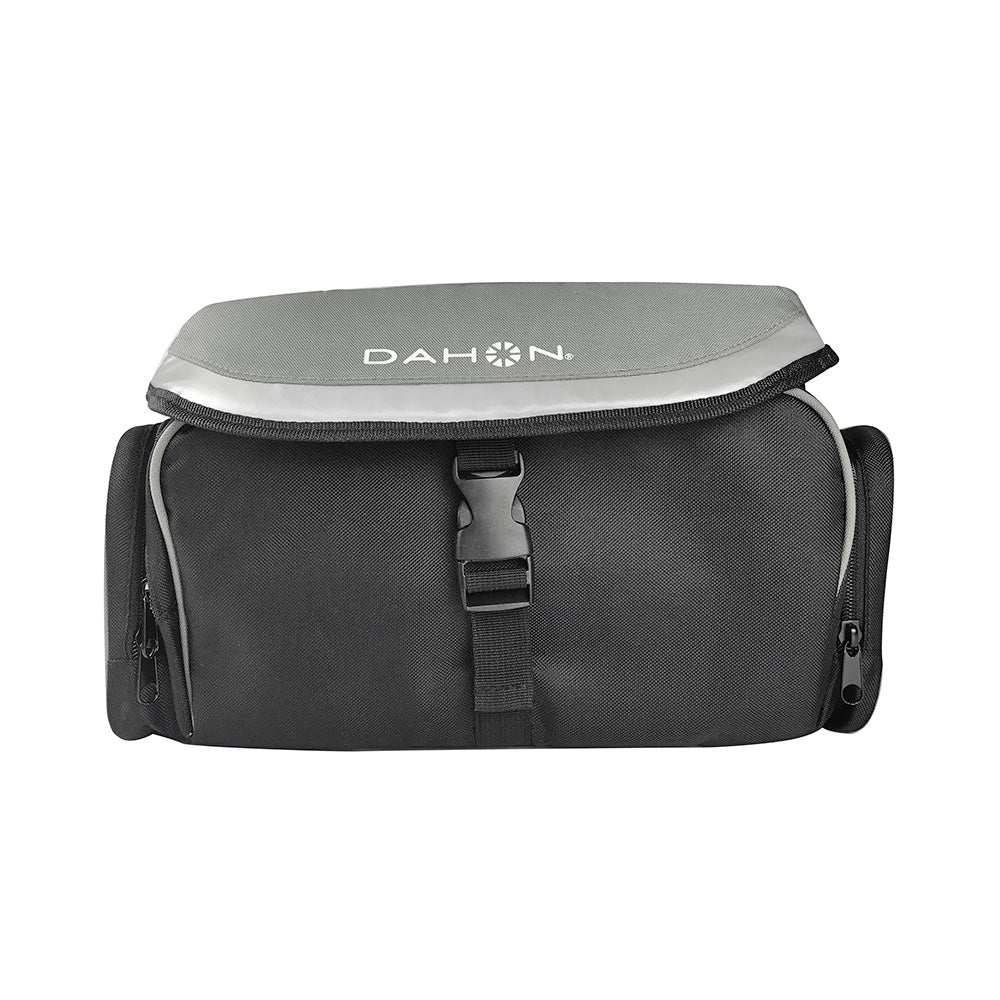
Front bags on folding bikes typically mount to a handlebar or a front rack system rather than a fork-crown rack. The advantage is weight distribution: putting some load up front makes the bike easier to handle. The trade-off is that front-heavy steering takes some adjustment.
A small 4–5L front bag handles a jacket, snacks, and a phone easily. Larger front bags work well for grocery runs or day trips.
Lights and Fenders for Everyday Riding
Neither lights nor fenders are glamorous. Both are things you wish you'd added sooner.
Lights
Folding bike lights follow the same rules as any commuter setup: a rear light is non-negotiable in traffic, a front light is essential after dark. What's different on a folding bike is where things mount.
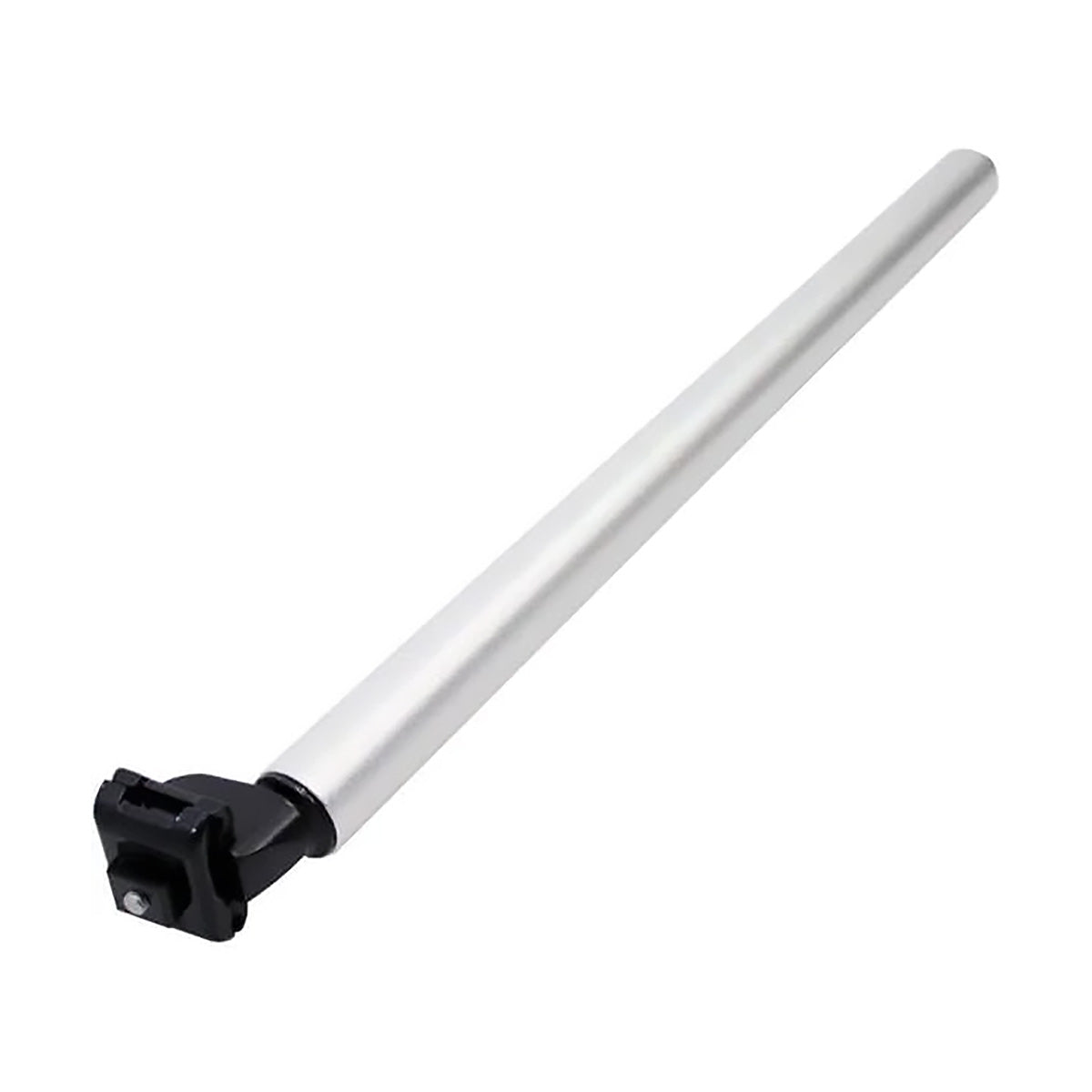
A seatpost-mounted rear light is the most universal option. It works regardless of whether you have a rack. If you do have a rear rack, a rack-mounted light sits higher and is more visible to drivers. Some rear racks include a dedicated light bracket, which simplifies the decision.
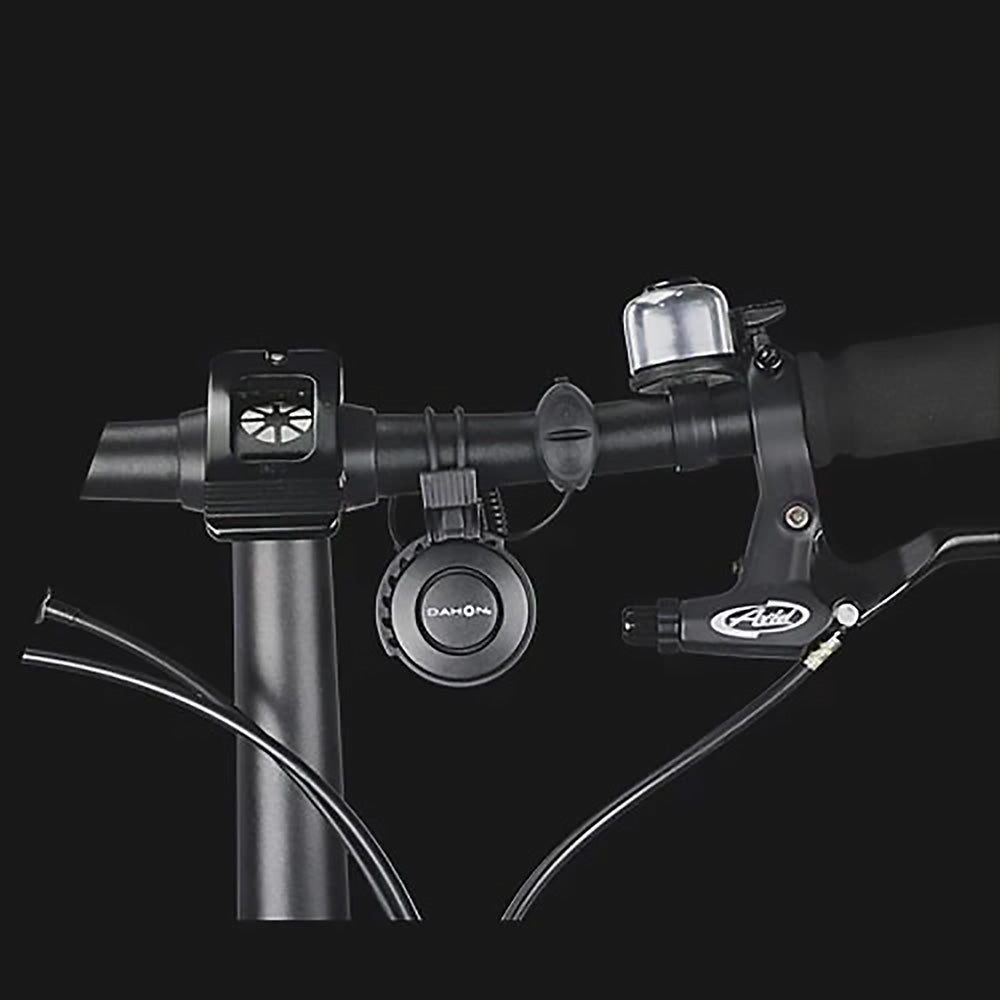
For front lights, handlebar mounting is standard. USB-rechargeable lights are easier to live with than battery-powered ones for daily commuters.
Fenders
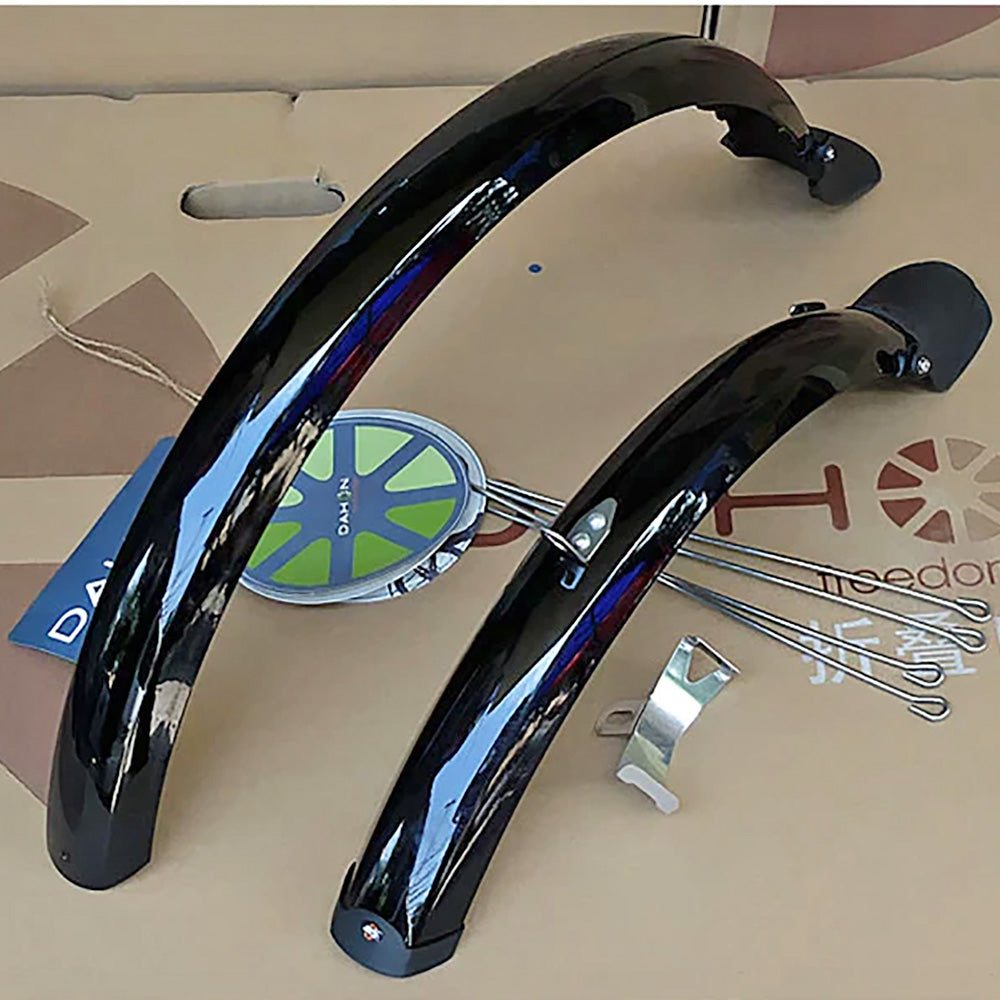
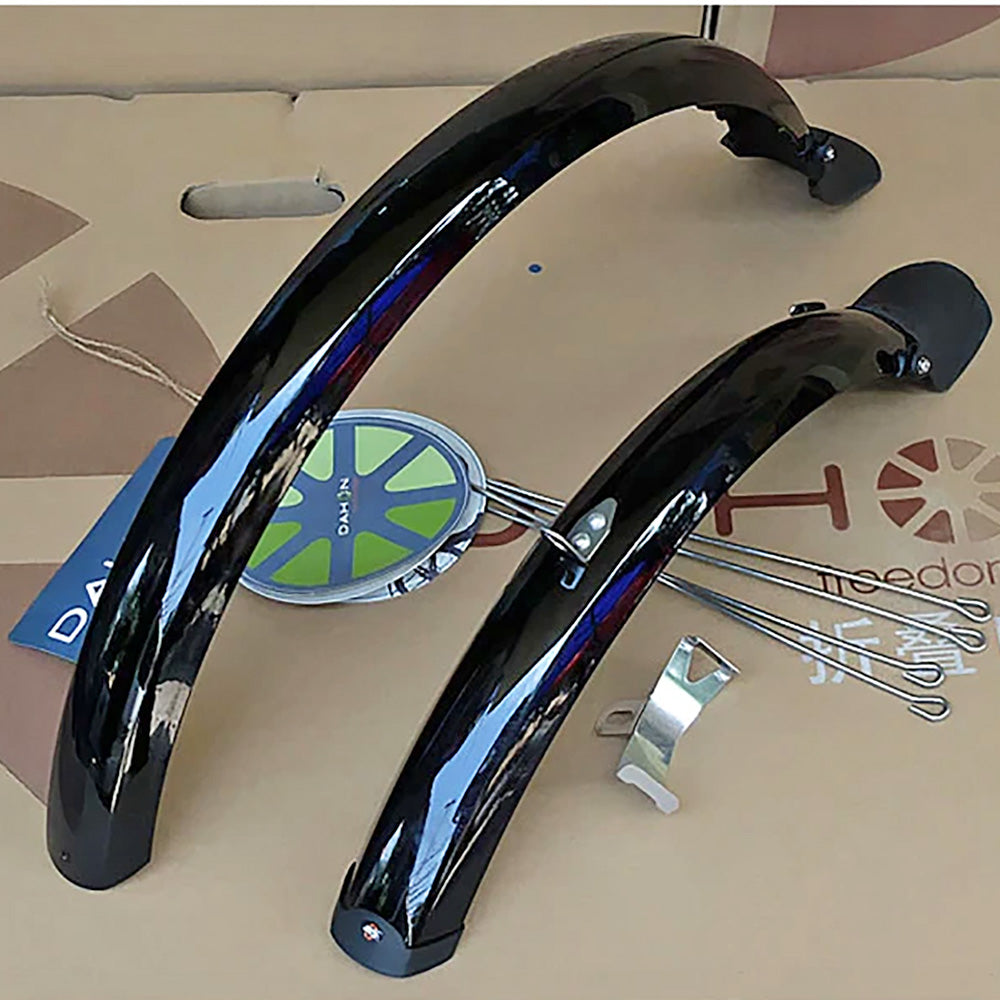
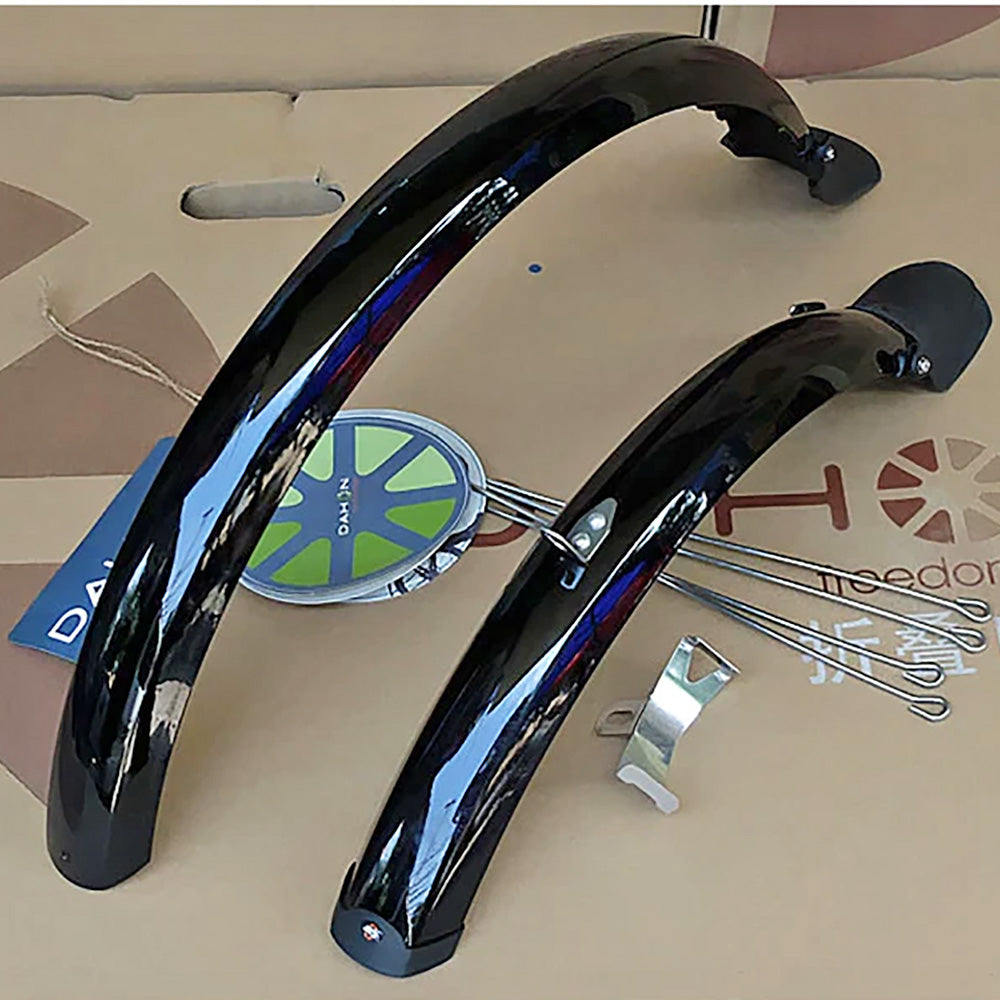
If you commute and it ever rains where you live, fenders will change your relationship with your bike. A rear fender keeps road spray off your back; a front fender keeps it off your feet and drivetrain.
On folding bikes, fender fitment is specific. The two variables are wheel size (16-inch vs. 20-inch) and brake type (V-brake vs. disc brake)—these determine which fender set actually fits your frame. Always check compatibility before buying, since universal fenders rarely work well on compact frames.

Carrying Cases: Moving Your Folded Bike
A good folding bike travels easily. A carry bag keeps it clean in transit.
The main use cases are:
- On public transit — a bag keeps grease and dirt off other passengers and often satisfies "bagged bike" policies on trains and buses.
- In a car trunk — a bag protects the bike from shifting cargo and protects your car from the bike.
- On a plane — a padded bag or hard case can be checked as oversized luggage on most airlines.
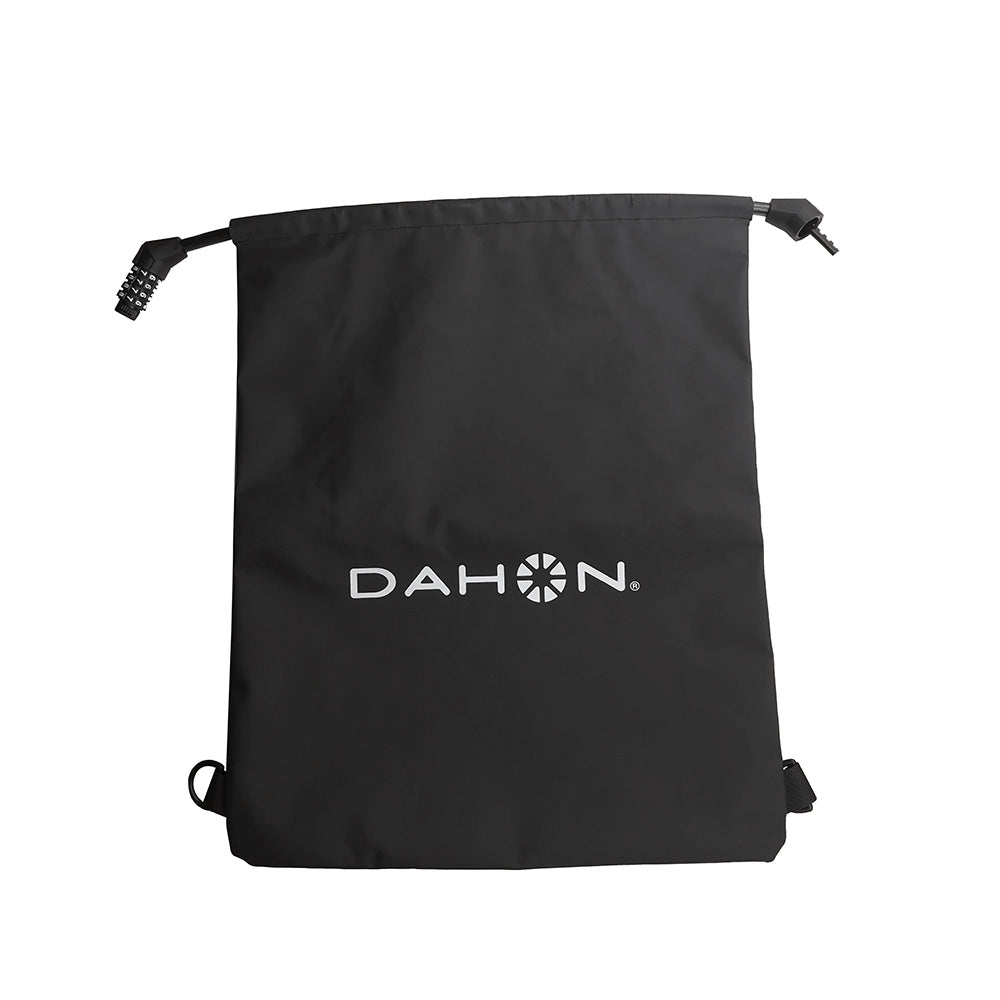
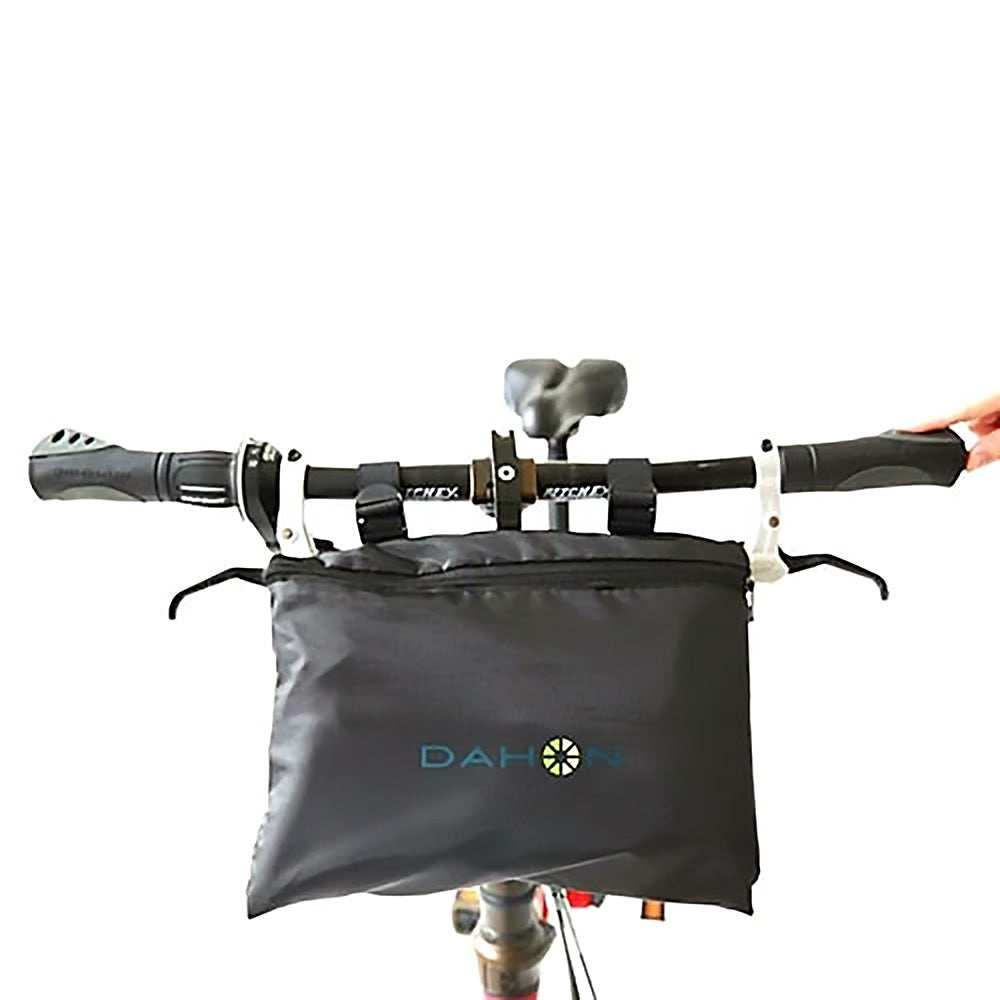
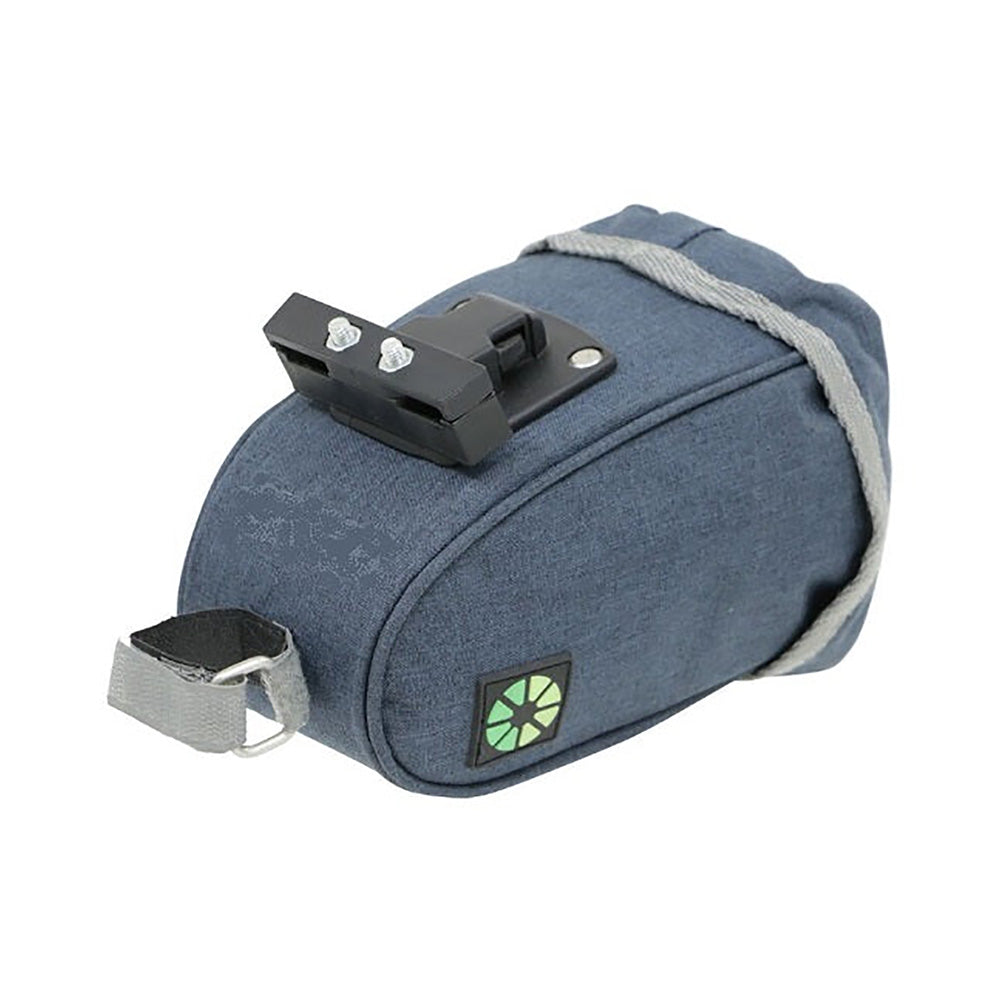
For everyday transit use, a soft carry bag that folds down into a saddle bag when not in use is the most practical option. You ride with it stored under the seat; when you fold the bike, you deploy it as a carry bag. No extra item to manage.
For air travel, check the packed dimensions against airline size limits before buying a bag. Most folding bikes in a soft bag fall under the oversized luggage threshold, but it varies, so always check your airline's policy in advance.
Accessories Designed Specifically for Folding Bikes
A few categories behave differently on folding bikes and are worth thinking about separately.
Pedals
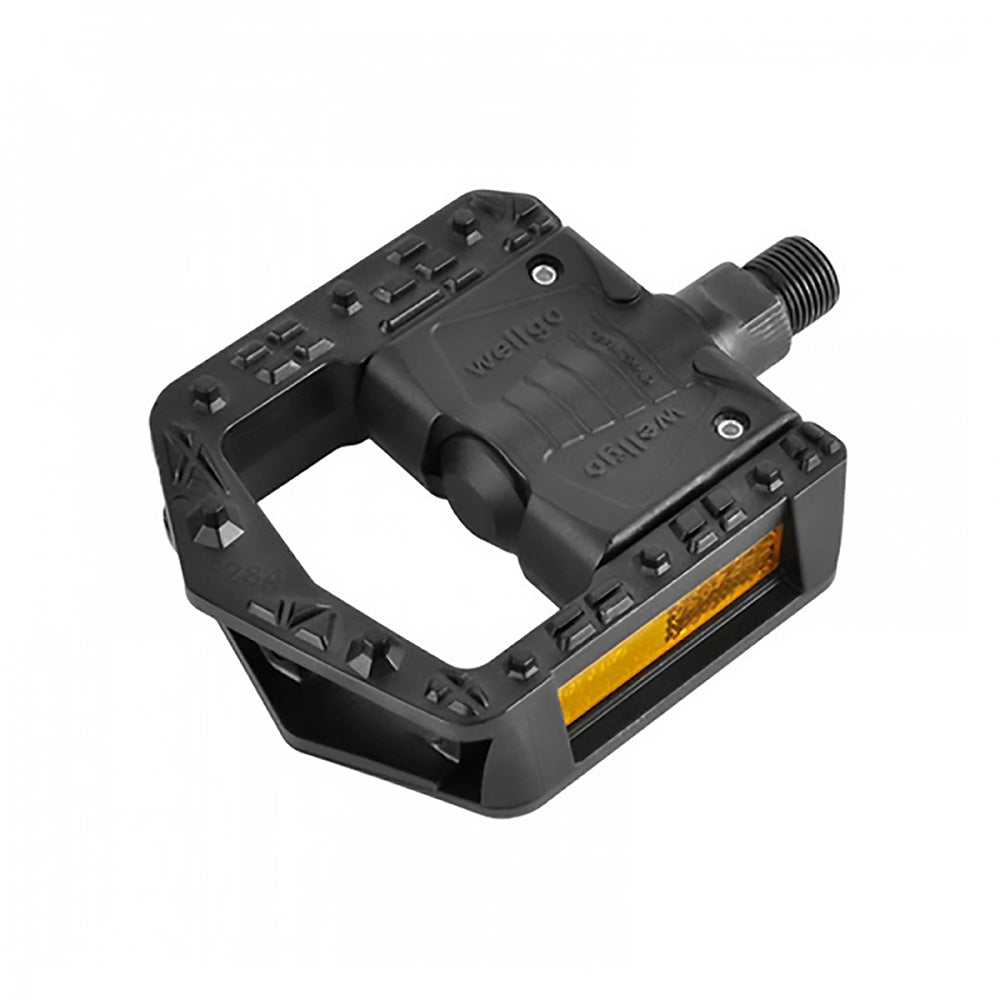
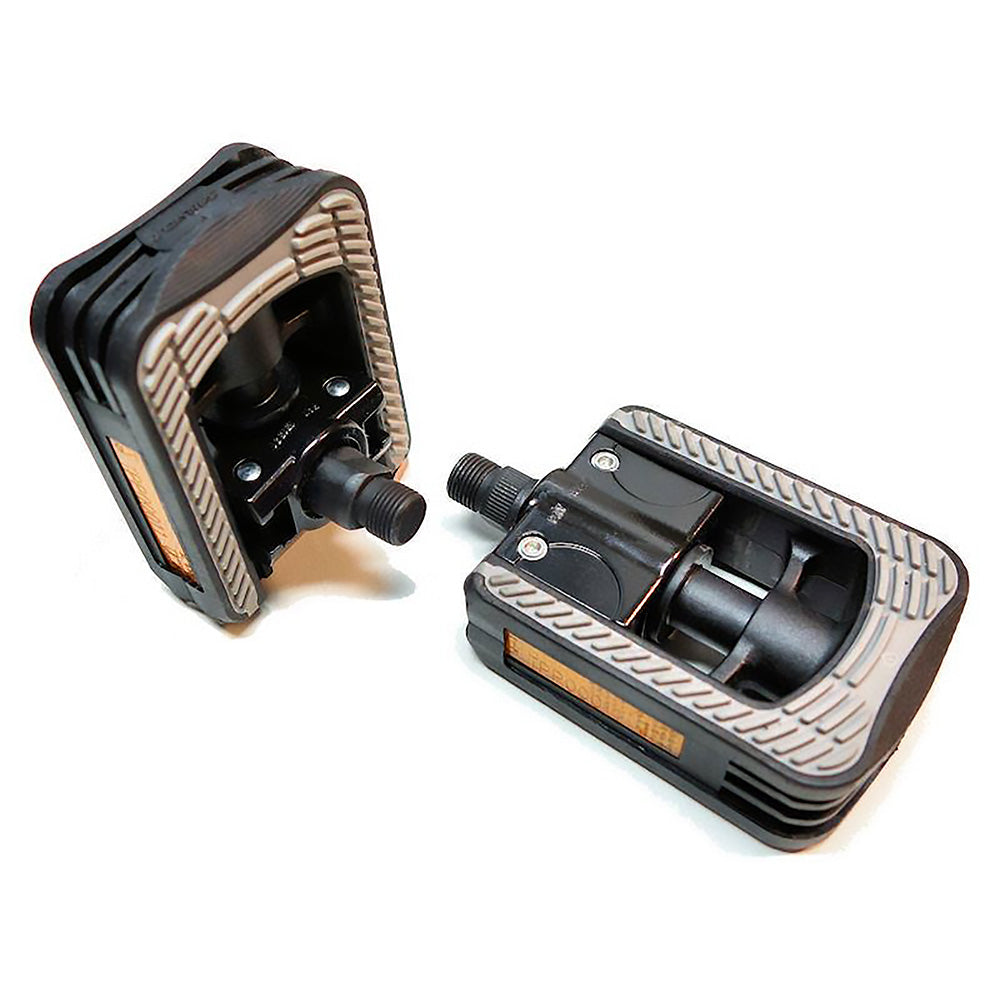
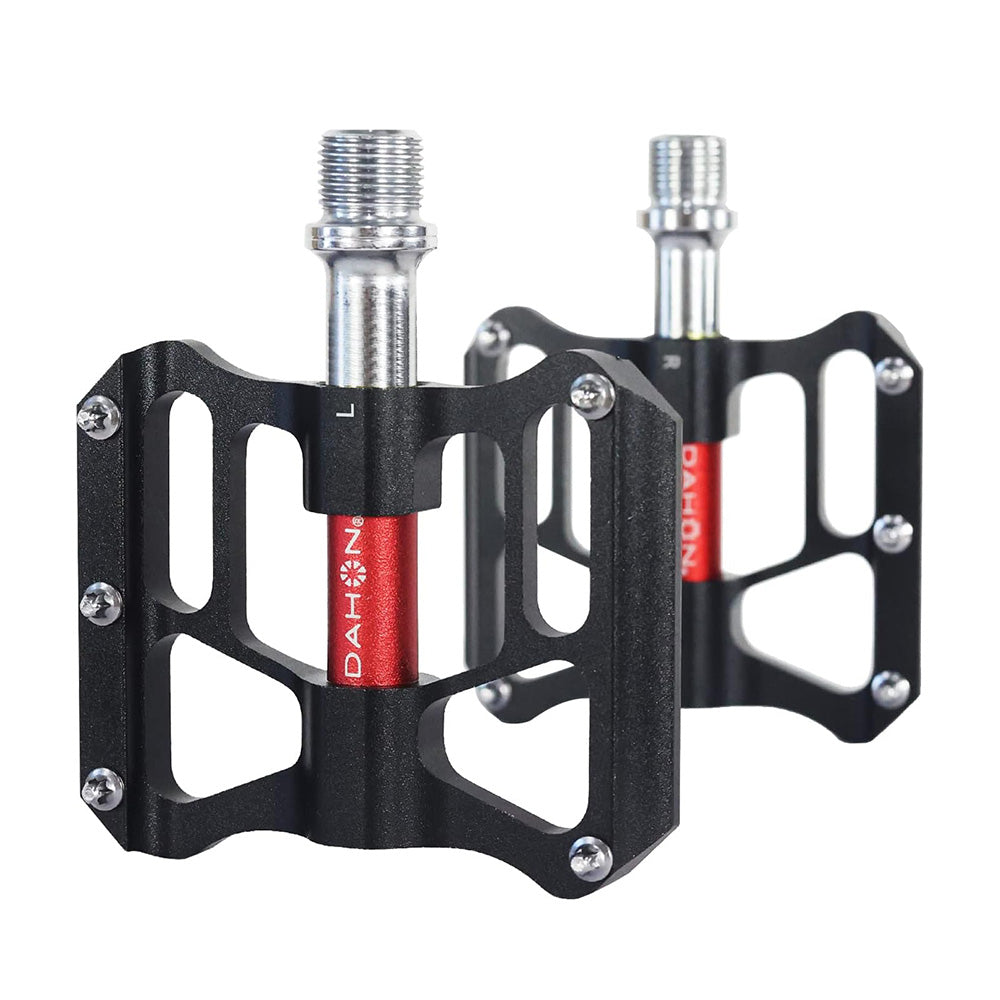
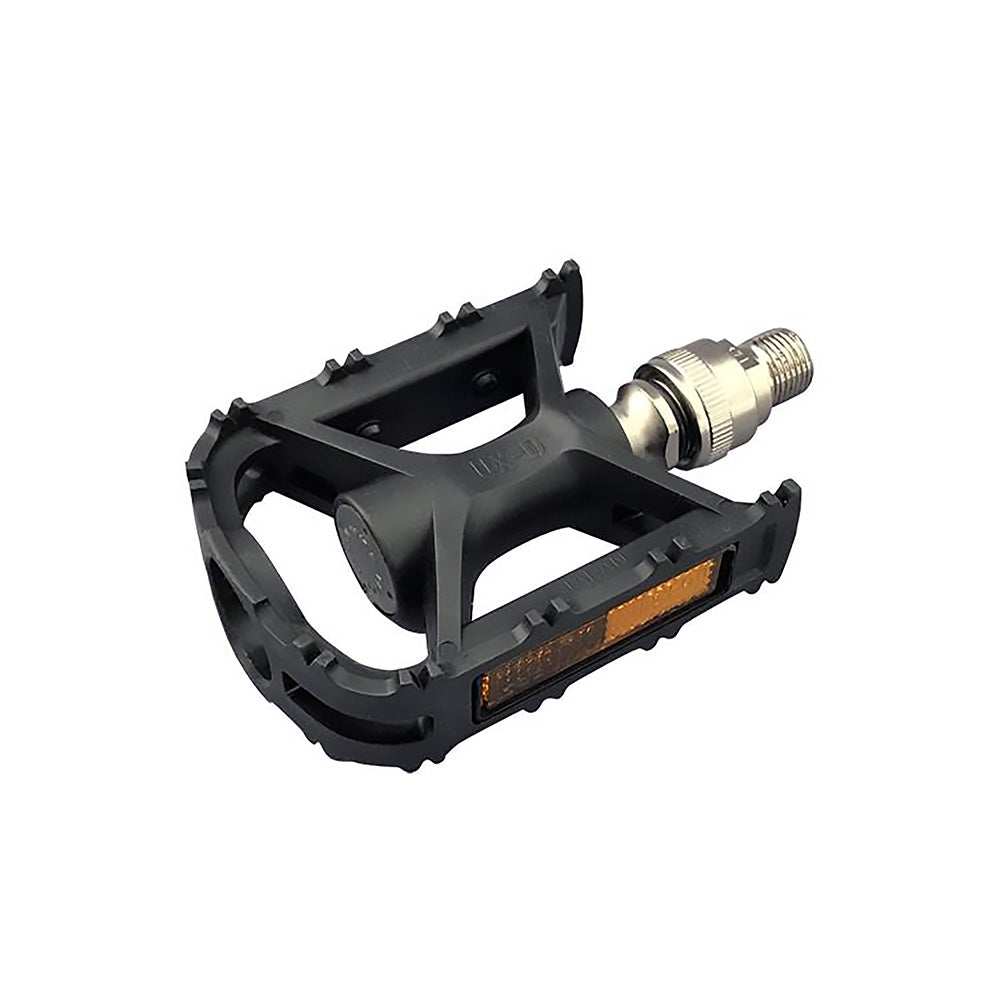
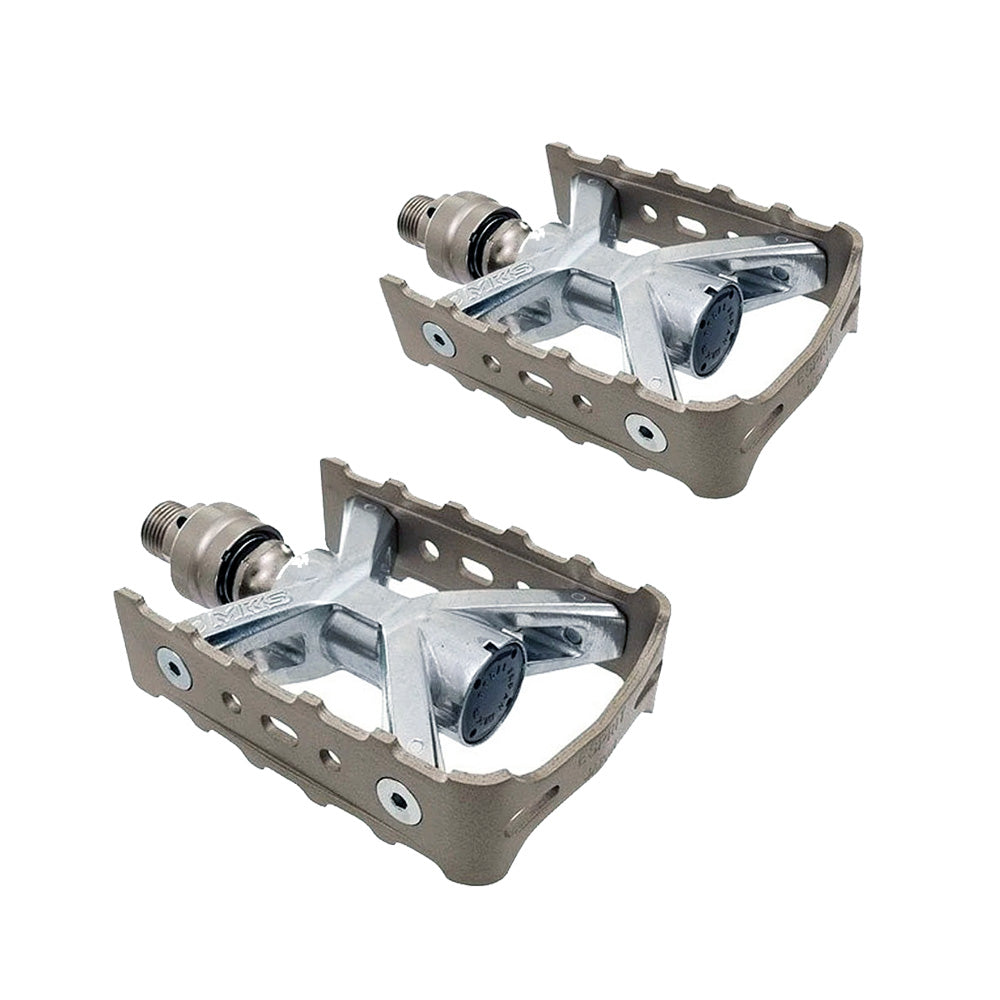
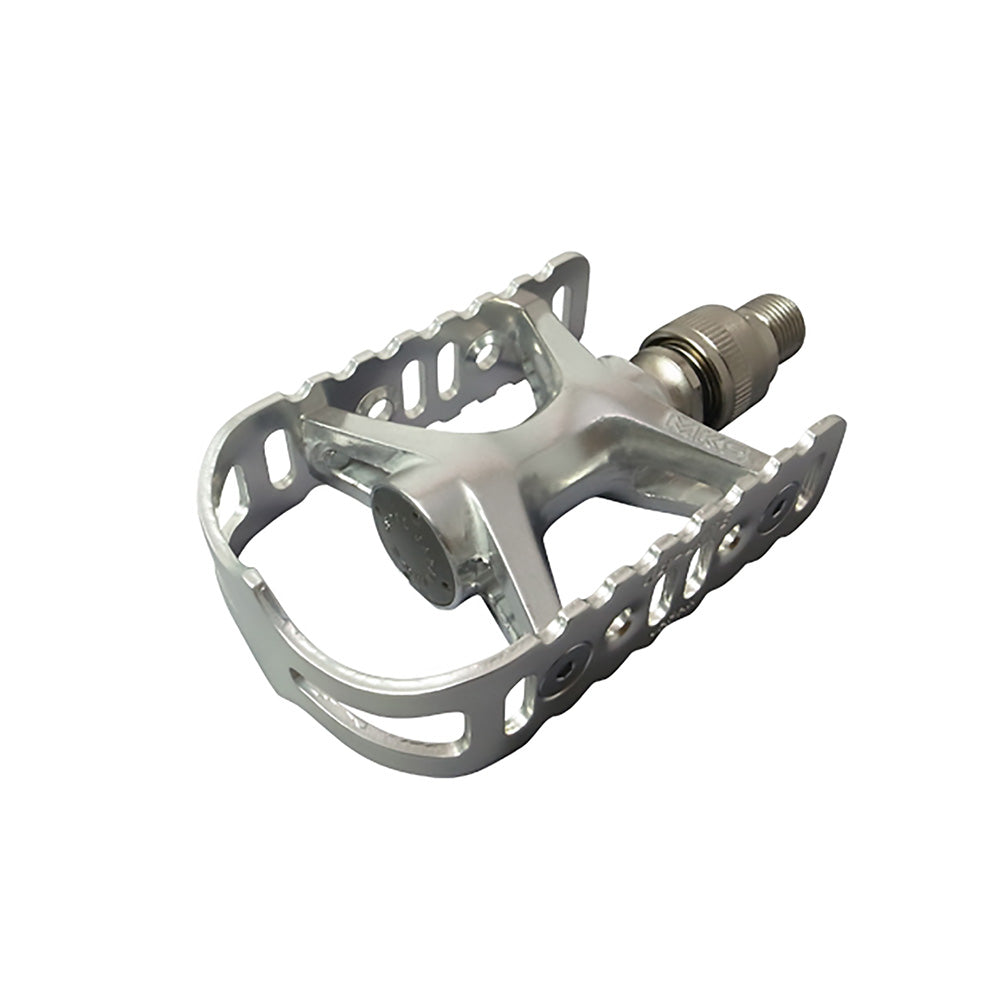
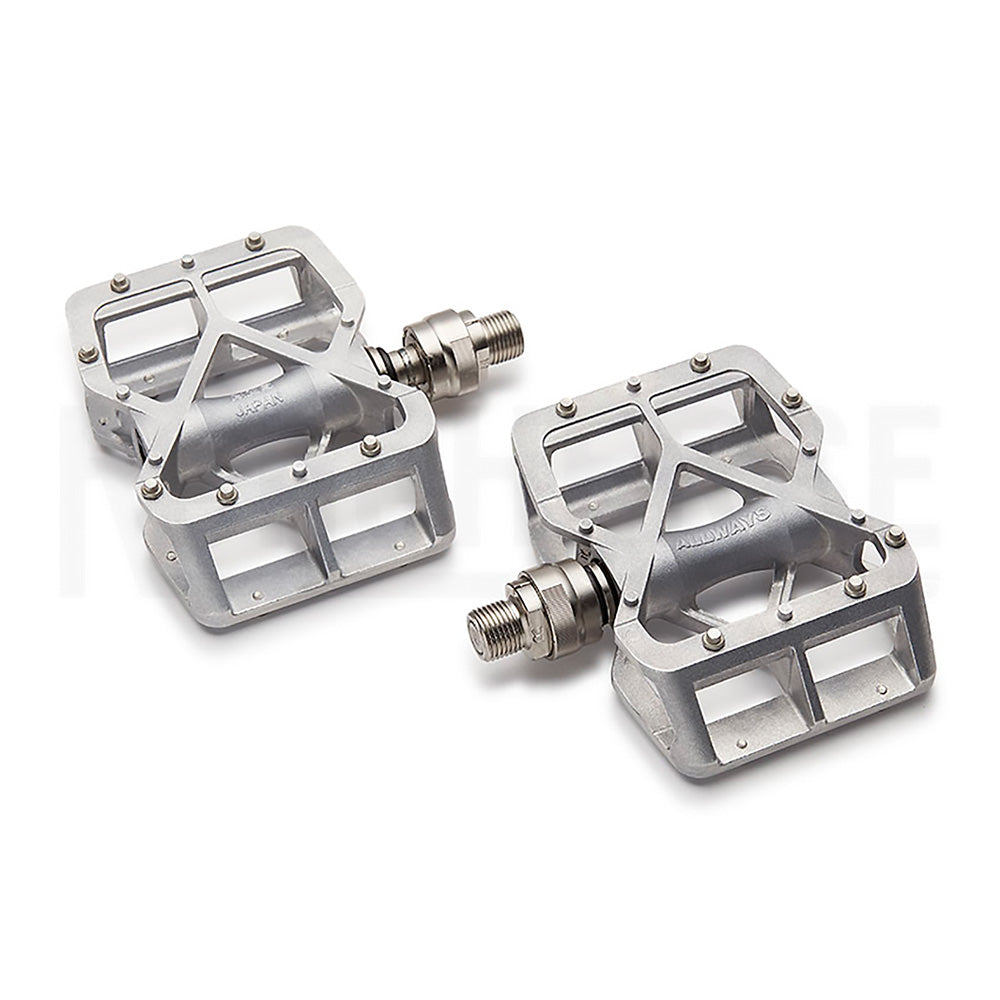
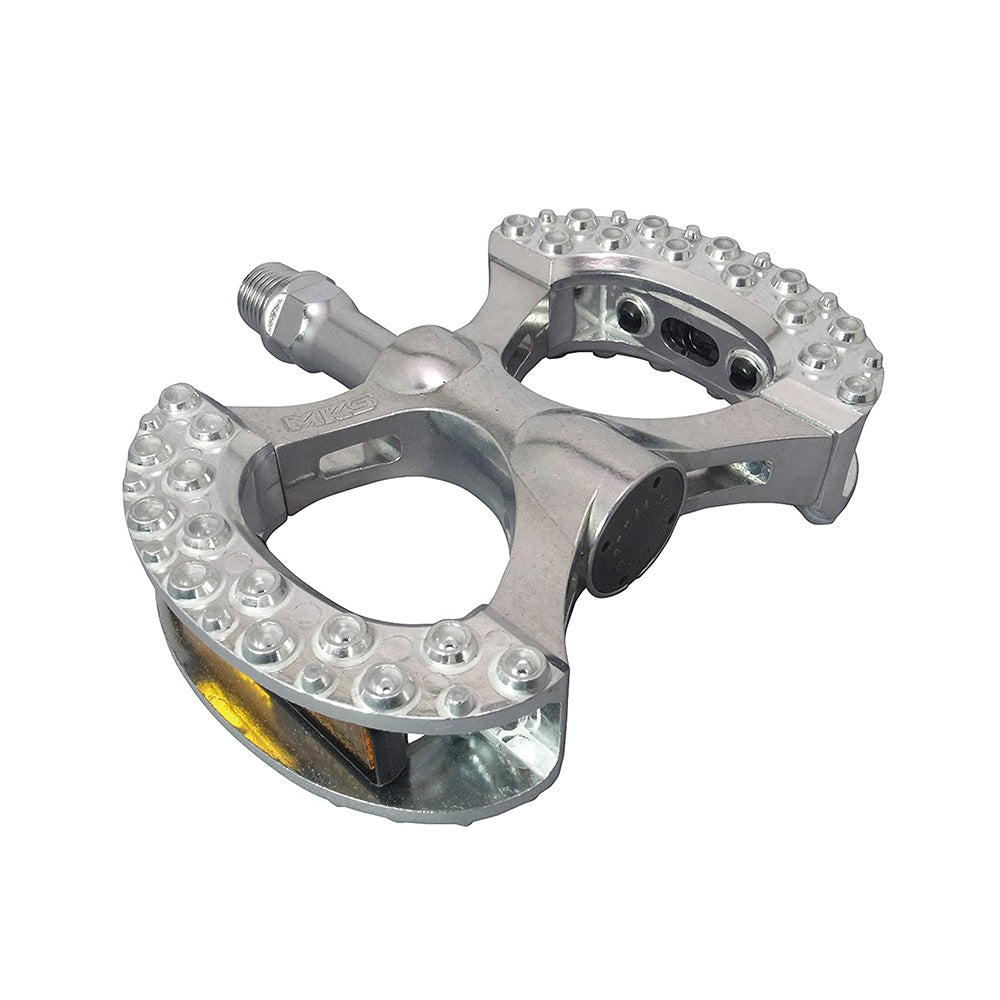
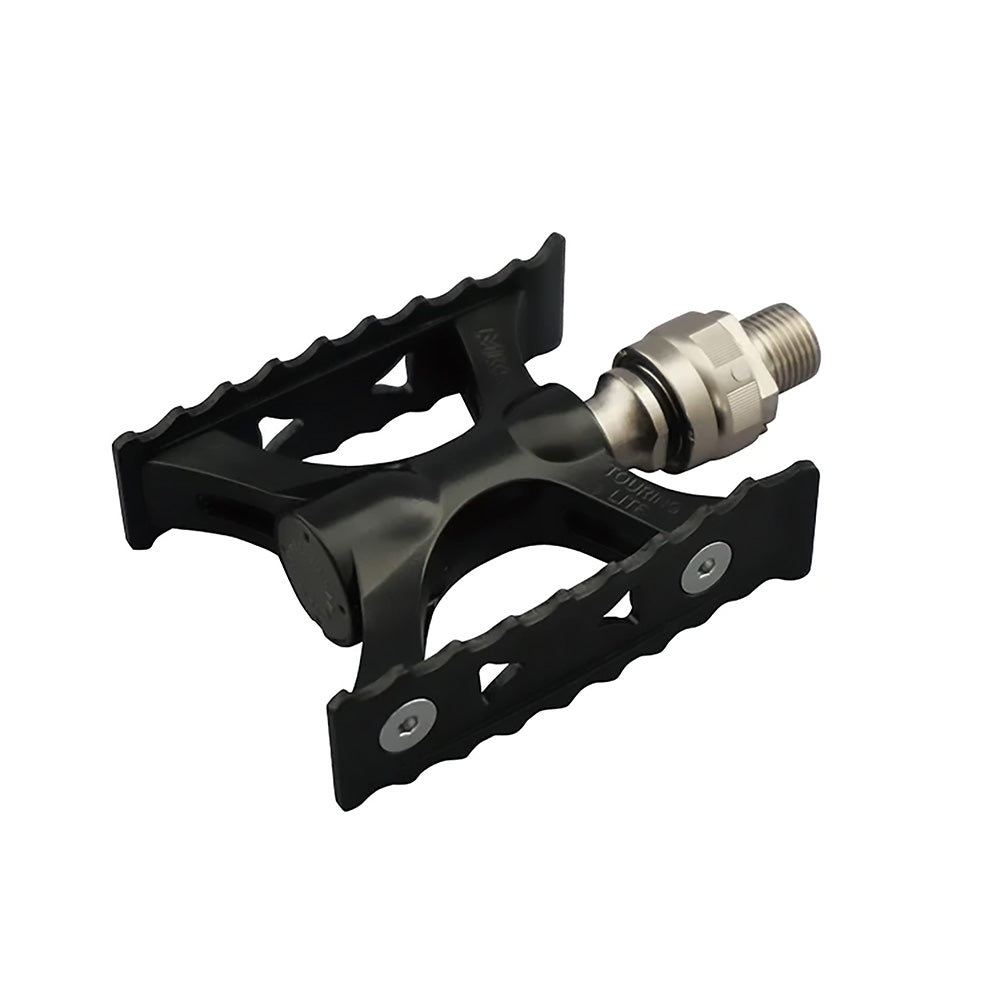
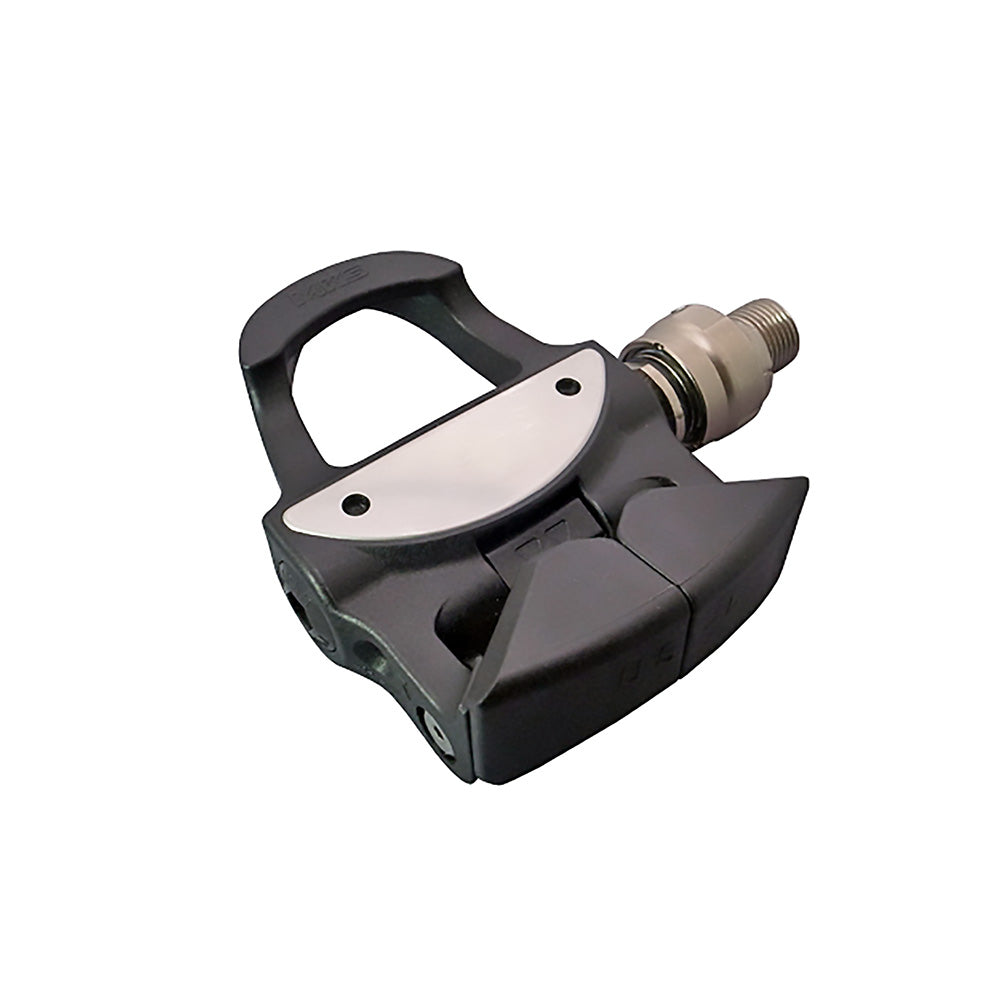
Pedals are often the widest point of a folded bike. Quick-release pedals (ones that twist off without tools) reduce the folded width and make the bike easier to carry through tight spaces. If you use your bike on public transit regularly, this is one of the more impactful upgrades you can make.
Kickstand
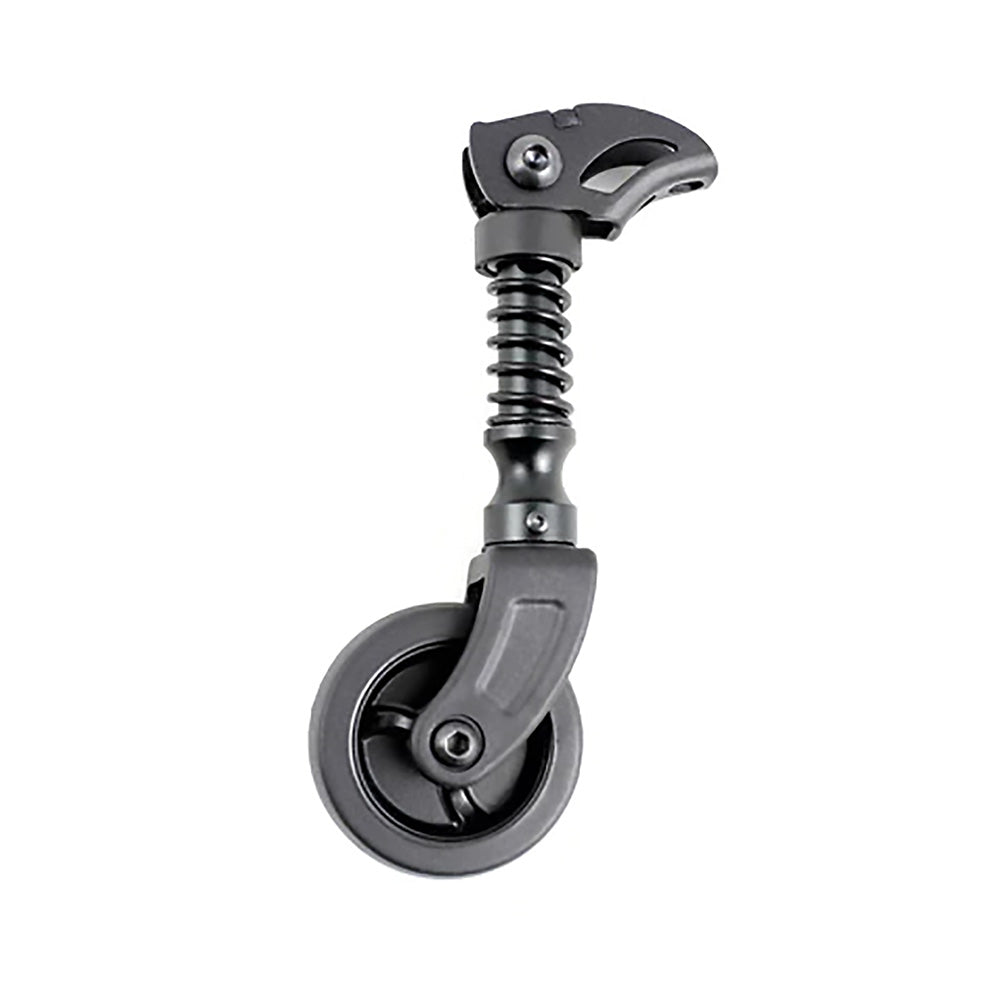
A kickstand seems minor until you're trying to lean a folded bike against a wall that keeps sliding. A flip-down kickstand lets you roll the folded bike on its wheels instead of carrying it, which is useful across long station platforms or parking lots.
Phone Mount
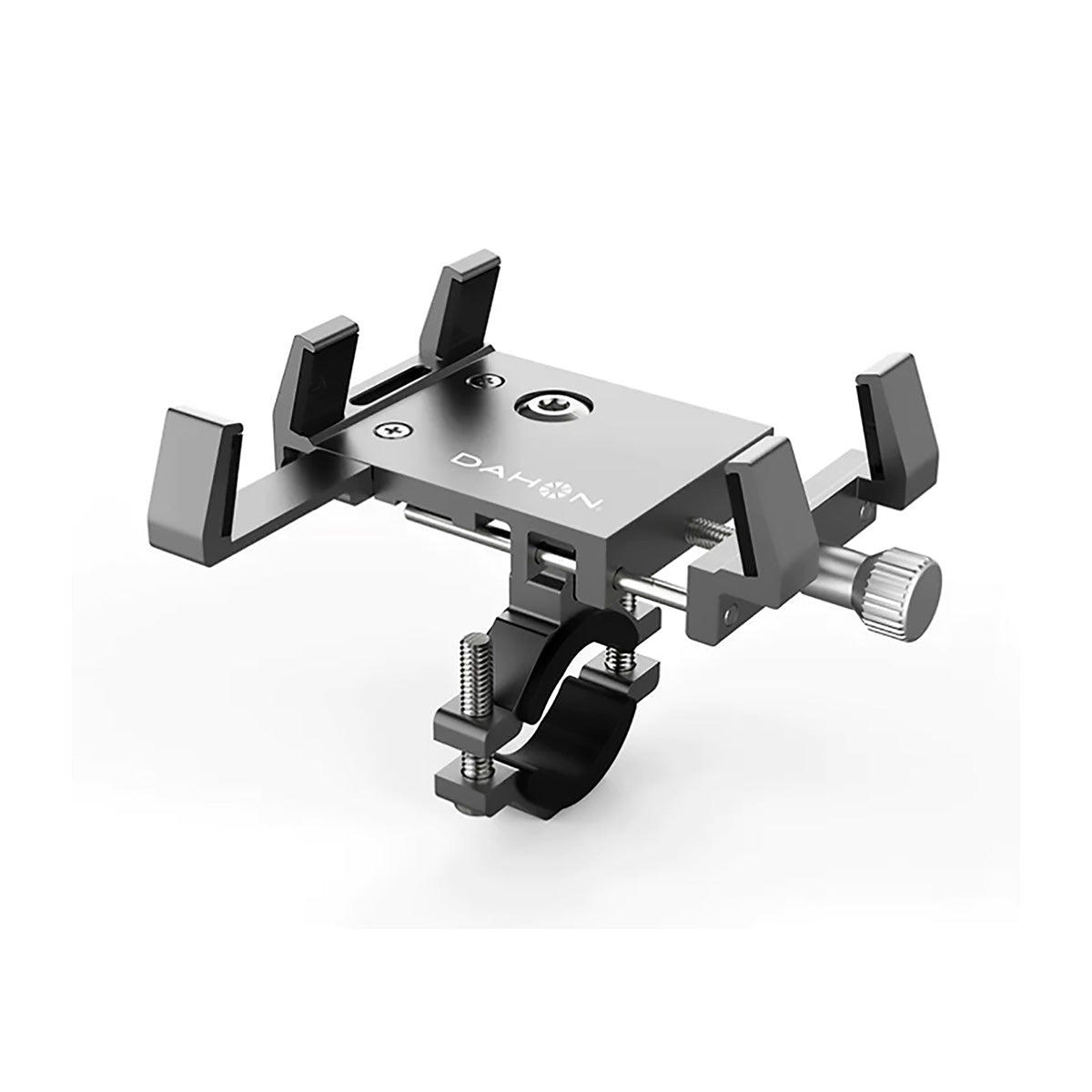
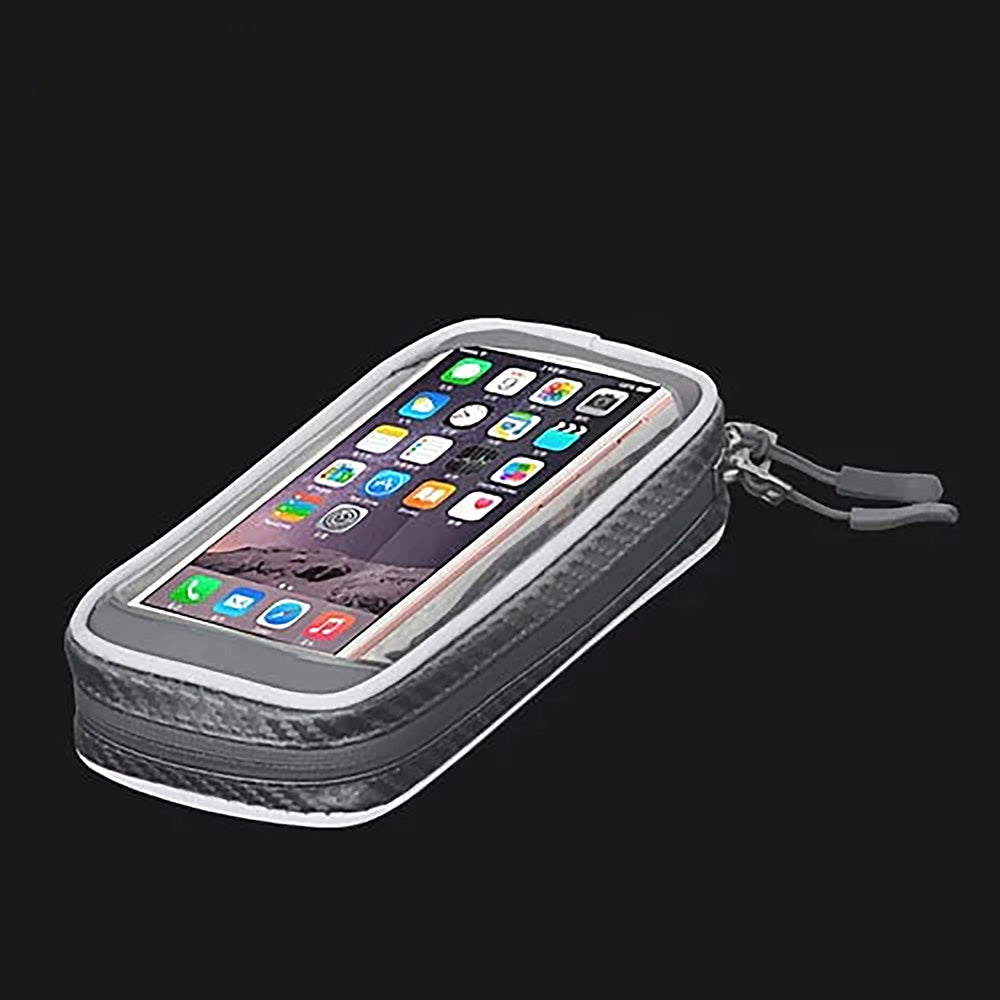
A handlebar phone mount is more useful on a folding bike than on a regular one, because folding bike commuters tend to navigate actively between transit modes. Waterproof and touch-sensitive are the specs that matter; make sure the clamp fits your handlebar diameter.
Lock
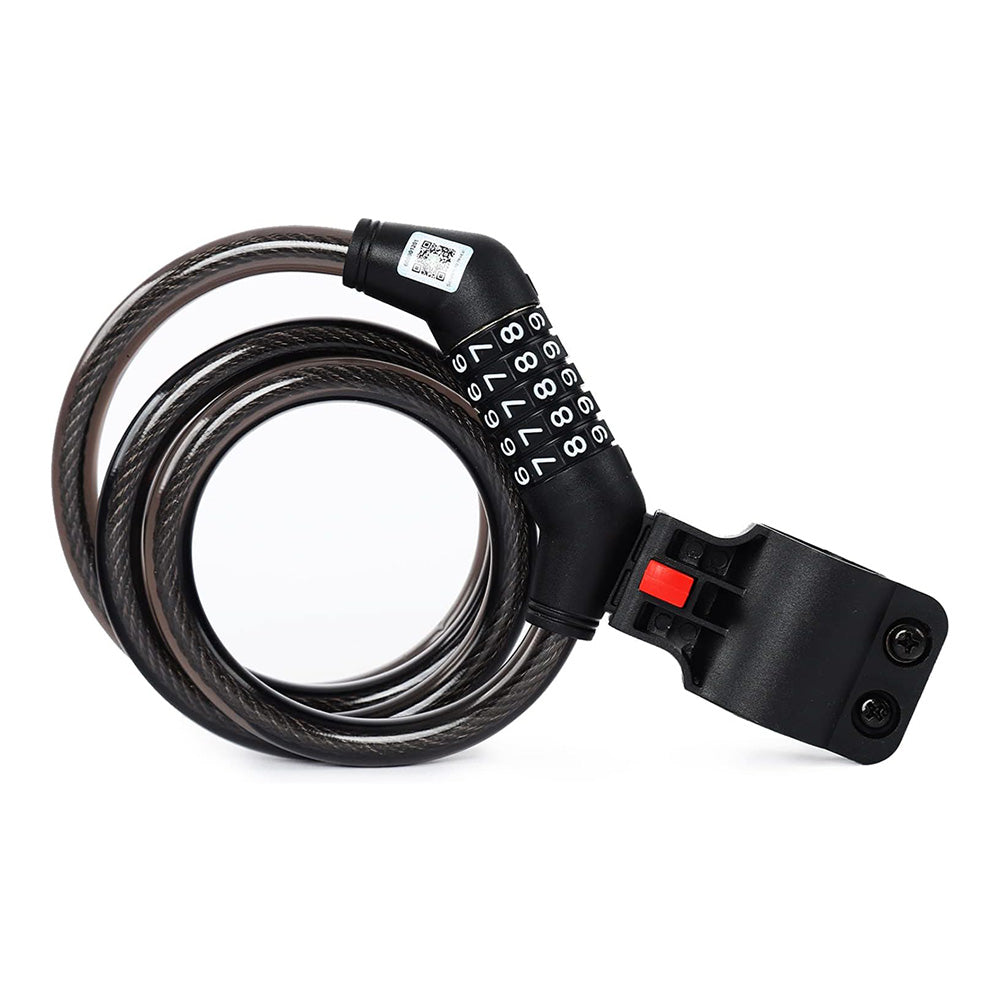
A cable lock is the minimum for quick stops. For folding bike commuters, a self-coiling cable is easier to manage than a loose cable, as it stores neatly and doesn't tangle with the frame when you fold.
Build Your Setup in the Right Order
The most common mistake with folding bike accessories is buying them in the wrong sequence and discovering compatibility problems too late.
A practical order:
- Rack first — confirms fitment and unlocks everything else
- Bags second — choose based on what you carry and how far you ride
- Lights and fenders third — safety and weather protection
- Carry case and fold-specific add-ons last — once you know your daily routine
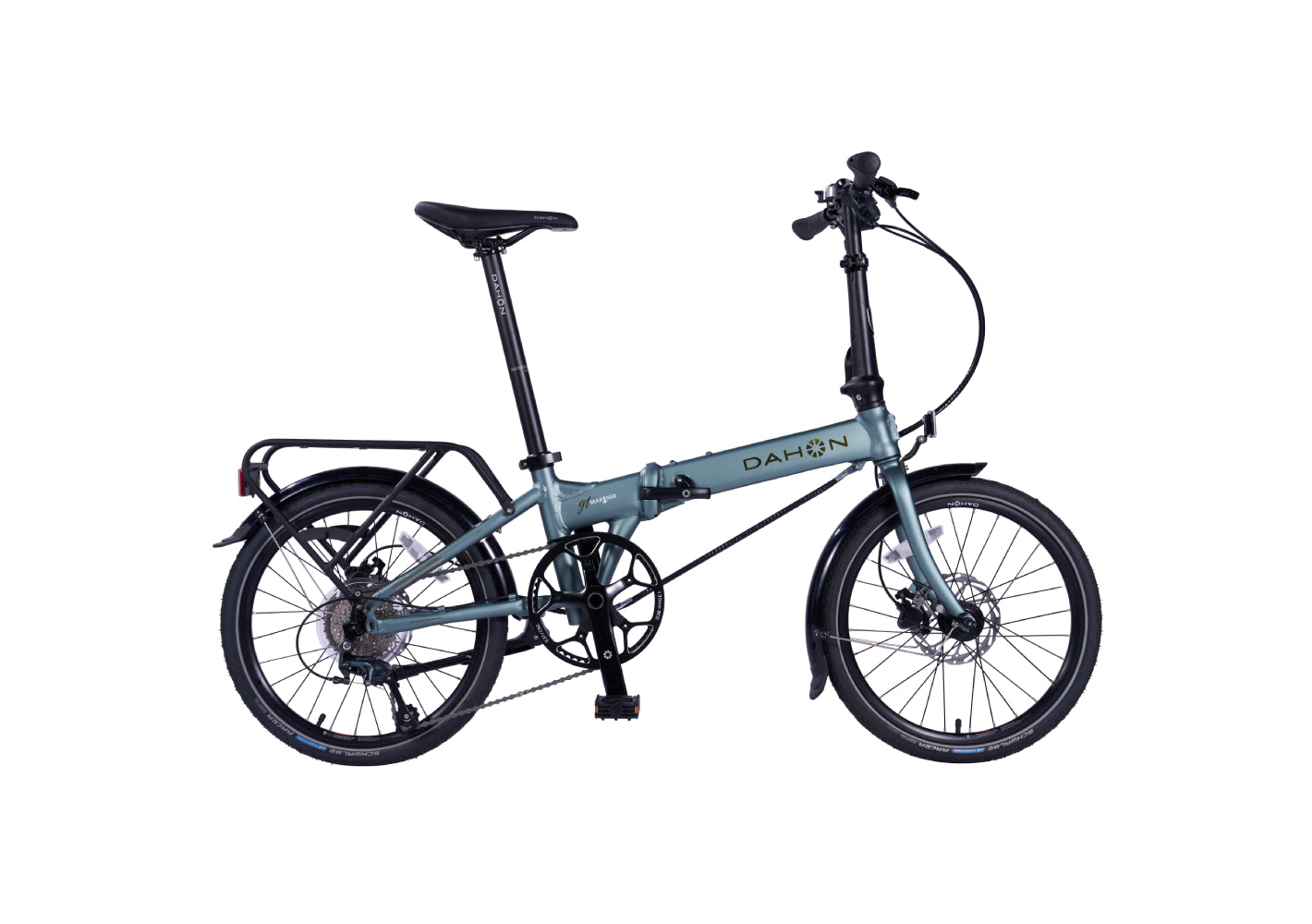
DAHON designs its accessories around its own frame specs, which takes most of the fitment guesswork out of the equation. You can browse the full range: racks, bags, lights, fenders, and more at DAHON.








Share:
How Much CO₂ Does a Folding Bike Actually Save?
DAHON Echoes Earth Day with New Lineup at Sea Otter Classic 2026