

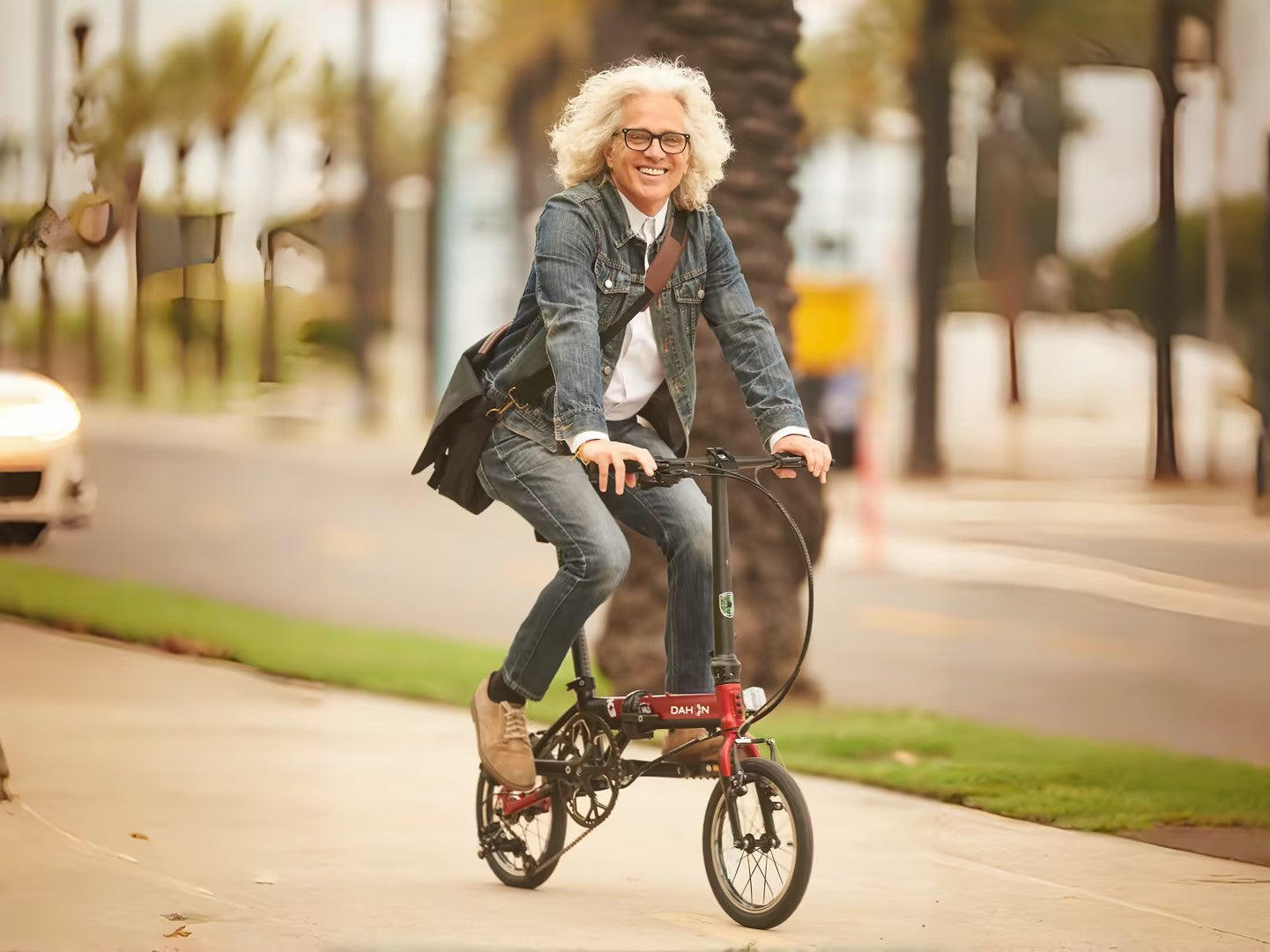
Getting on and off a bike changes as you reach 60s. Knees feel hills more, your back protests after twenty minutes, and swinging a leg over a high frame isn't automatic anymore. The right bike, however, makes all of that easier. This guide explains exactly what to look for so you can ride comfortably and confidently again.
What Seniors Over 60 Actually Need From a Bike
Four things come up consistently among older riders:
- Easy mounting and dismounting. Getting on and off without straining your hips or losing balance is one of the most important considerations. Frame design matters here more than almost anything else.
- Upright riding position. Leaning forward stresses the neck, shoulders, and lower back. A bike that lets you sit up straight reduces fatigue on longer rides.
- Shock absorption. Vibration from rough roads reaches your hands, wrists, and lower back. A comfortable ride needs something to absorb it.
- Simple, low-effort gearing. The right gearing makes hills manageable. A system that is easy to use and wide enough in range turns a hard climb into a comfortable one.
If a bike checks all four, it is worth considering.
Step-Through Frames and Why They Matter for Seniors
A step-through frame has a low or completely open top tube. Instead of swinging your leg up and over, you simply step through the frame, sit down, and go.
Why it matters: Hip flexibility decreases with age, and balance is less automatic than it used to be. A traditional high crossbar requires lifting the leg high while balancing on one foot. For many older riders, that moment is when falls happen, and it happens before the ride even starts.
Step-through frames are now available across many categories including multi-speed commuters, hybrids, and folding bikes, without sacrificing gearing or build quality. When test-riding, try mounting and dismounting at a full stop.
The Right Seat Height and Handlebar Position for Comfort
Bike fit affects comfort, efficiency, and joint strain. Three adjustments matter most:
- Seat height. At the bottom of the pedal stroke, your leg should have a slight bend at the knee, not fully extended, not cramped. Too low stresses the knees. Too high causes hip rocking and lower back pain on longer rides.
- Handlebar height. For most seniors, handlebars at or slightly above seat level allow an upright posture without strain. Handlebars that are too low force you to hunch forward, causing neck and shoulder fatigue quickly.
- Handlebar shape. Wider, swept-back handlebars place the wrists and shoulders in a more neutral position than narrow drop bars, and are standard on most hybrid and city bikes.
Before buying, confirm the adjustment range works for your height. A bike that cannot be properly fitted is uncomfortable regardless of its other features. Ask the retailer to set the saddle and handlebars before your first ride.
Shock Absorption and Seat Comfort for Joint-Friendly Rides
Vibration is one of the main reasons older riders stop riding.
Front suspension forks absorb bumps before they reach the handlebars. They add some weight but make a meaningful difference on uneven roads. Many hybrid and comfort bikes include a basic suspension fork as standard.
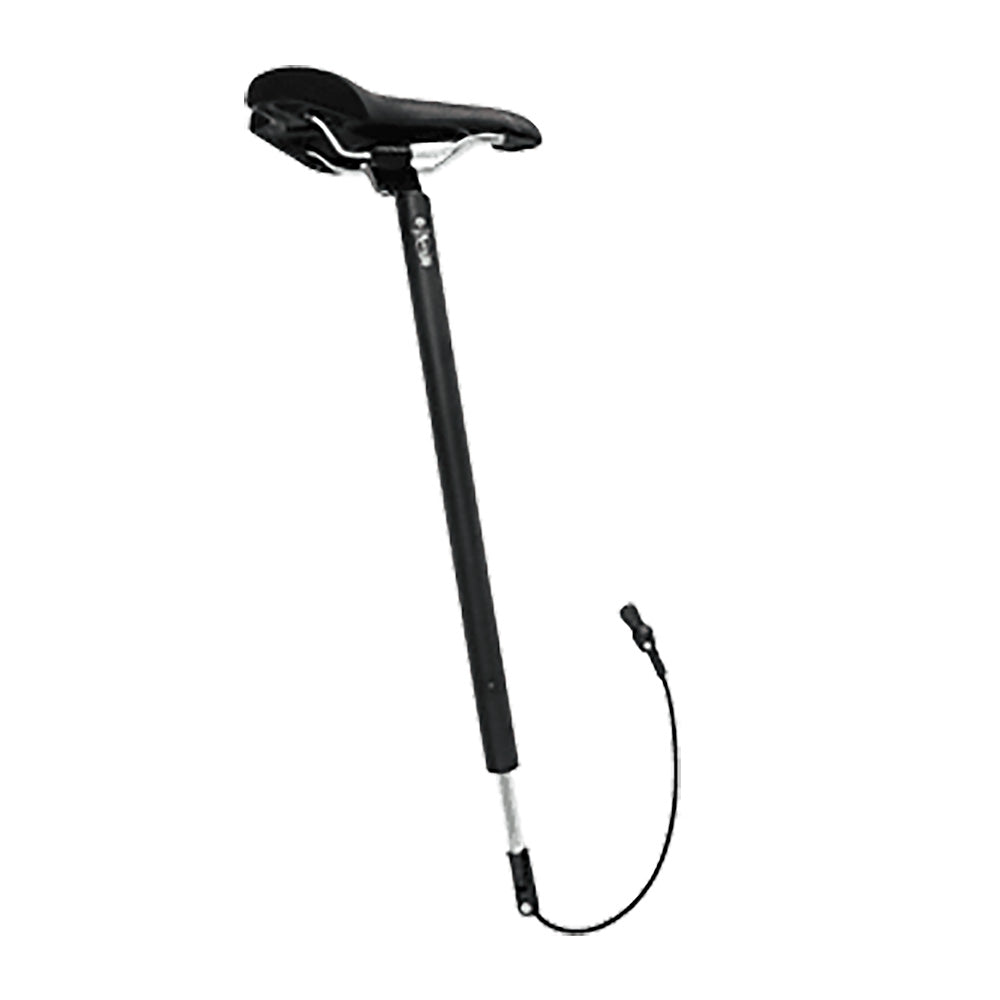
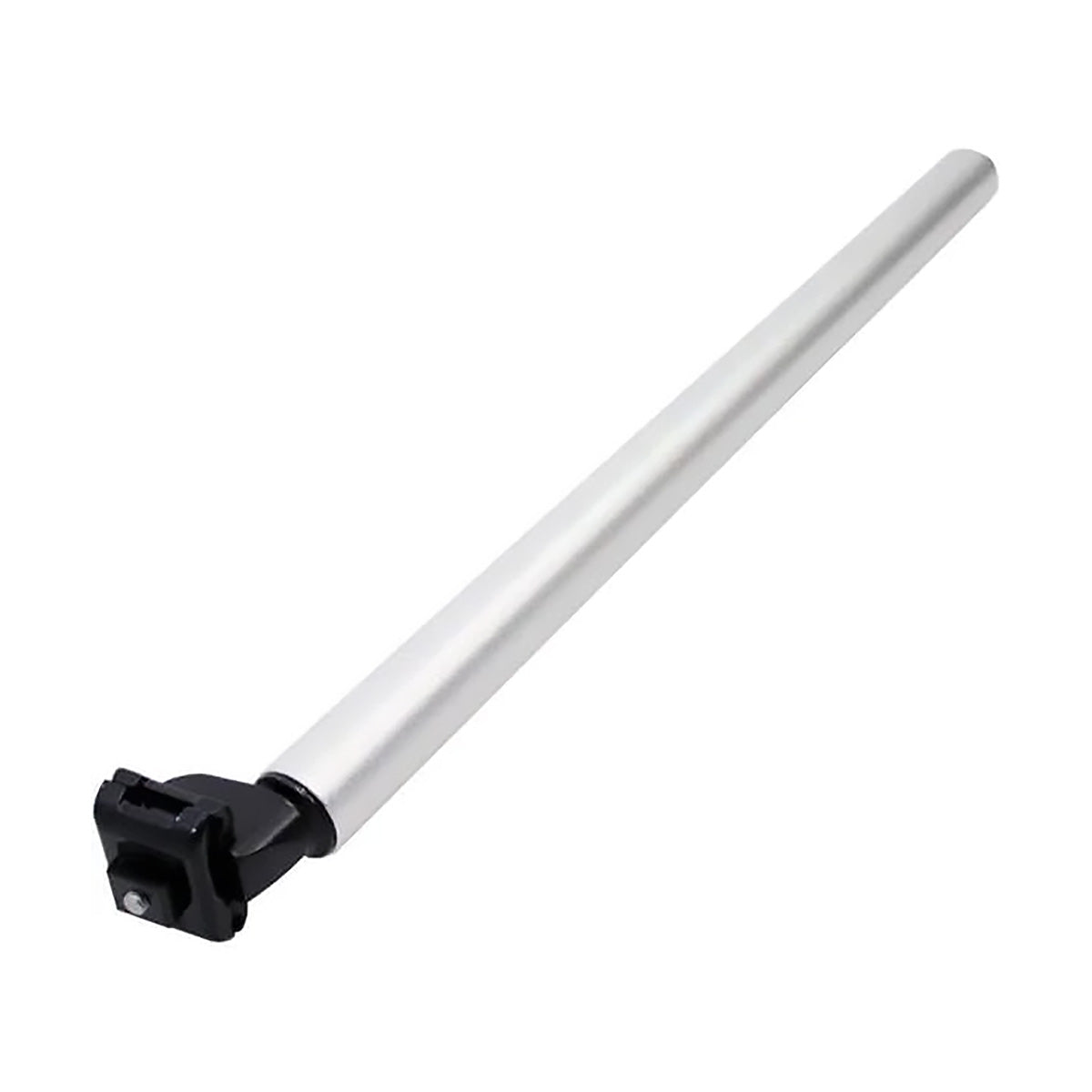
Suspension seat posts add a spring or elastomer inside the seat post, isolating the saddle from road vibration. This upgrade can often be added to a bike you already own.
Saddle choice matters more than most people expect. A saddle that is too narrow or too firm causes discomfort within the first few miles. Wider, more padded saddles designed for upright riding are typically more comfortable than the narrow saddles on road bikes. If the stock saddle is uncomfortable after a few rides, replacing it is the first and most cost-effective fix.
Tire width and pressure affect ride smoothness more than most riders realize. Wider tires at slightly lower pressure absorb road texture noticeably better than narrow, firm tires.
Low-Effort Gearing that Makes Hills Feel Easy
How many speeds do you need? For flat routes, 3 to 6 speeds is simple and adequate. For moderate hills, 7 to 8 speeds gives enough range. For varied terrain or longer rides, 9 to 11 speeds offers the most flexibility. More gears mean smaller steps between them, making it easier to find the right effort level at any point in a ride.
Hub gears vs. derailleur gears. Internal hub gears are enclosed inside the rear wheel. They require almost no maintenance, work in all weather, and can be shifted while stopped. Derailleur systems offer a wider range and lighter weight but need more regular adjustments. For low-maintenance riding, hub gears are often the more practical choice.
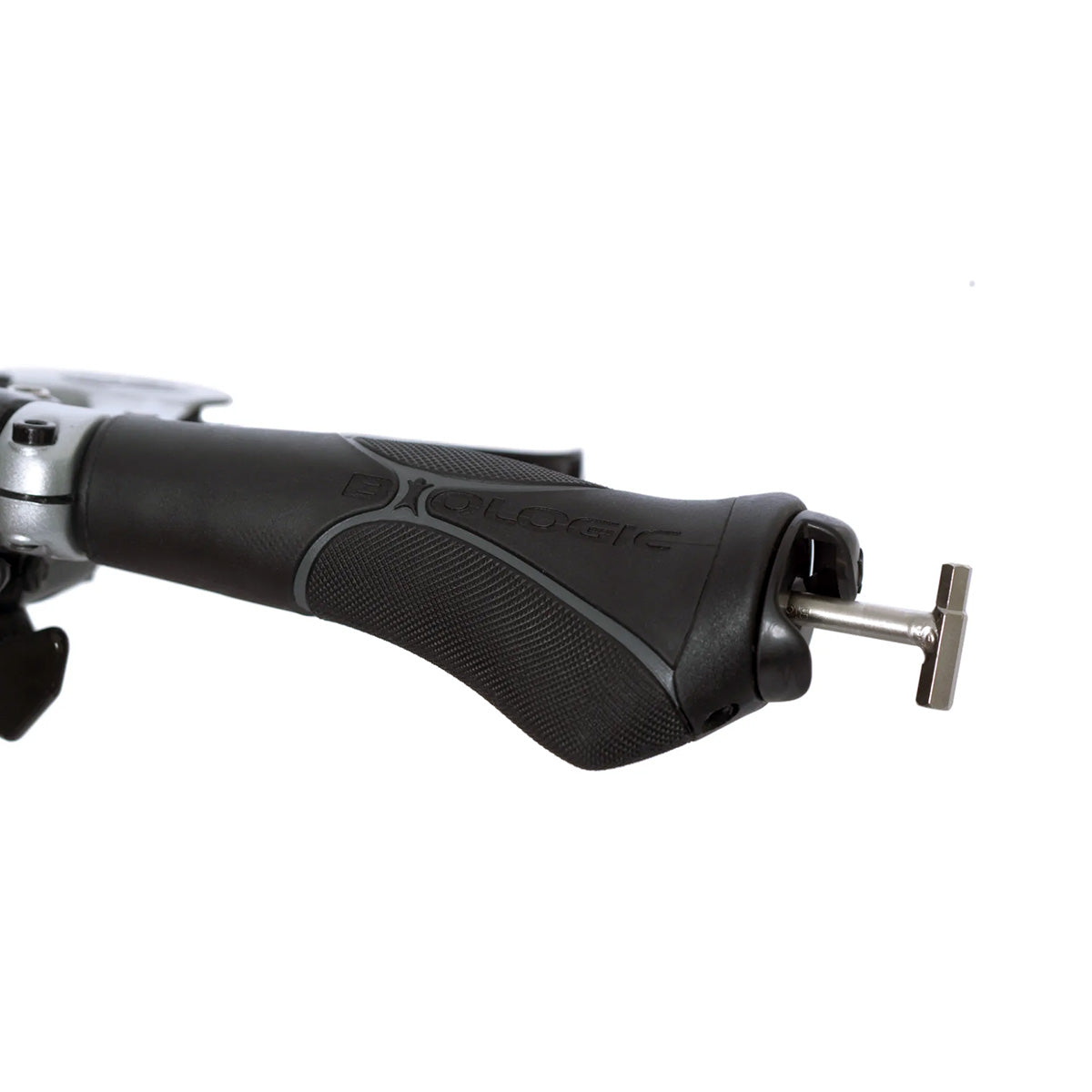
Shifter type matters too. Twist shifters and trigger shifters are both straightforward to operate. Avoid systems that require a strong grip or very precise finger pressure, particularly if you have any arthritis in your hands.

Four Bike Types Recommended for Seniors
1. Cruisers are designed for comfort from the ground up: wide saddles, swept-back handlebars, upright geometry, and often a step-through frame. They work well for short, flat rides at a relaxed pace. The trade-off is limited gearing on hills and a heavier frame that can be awkward to lift into a car.
2. Hybrid bikes sit between a cruiser and a road bike. You get the upright position and comfort of a cruiser, with more gearing and better rolling efficiency for longer or hillier routes. A practical choice if you want one bike that handles varied terrain without sacrificing comfort.
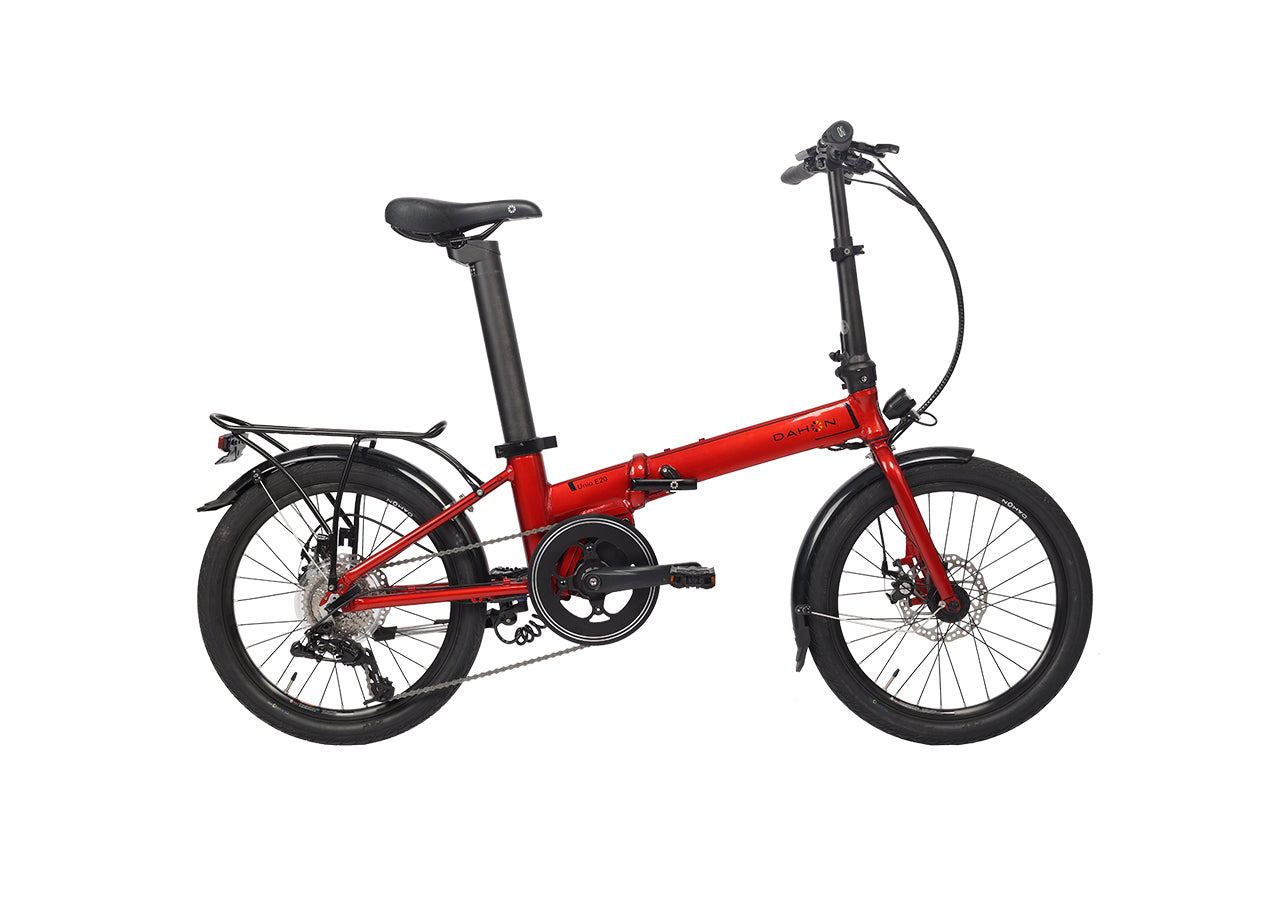
3. E-bikes add electric pedal assist, reducing effort on hills and letting you ride further without arriving exhausted. The assist level is adjustable, so you decide how hard to work on any given day. They are heavier and more expensive than standard bikes, but for riders managing joint pain or reduced stamina, the assist meaningfully changes what is possible.
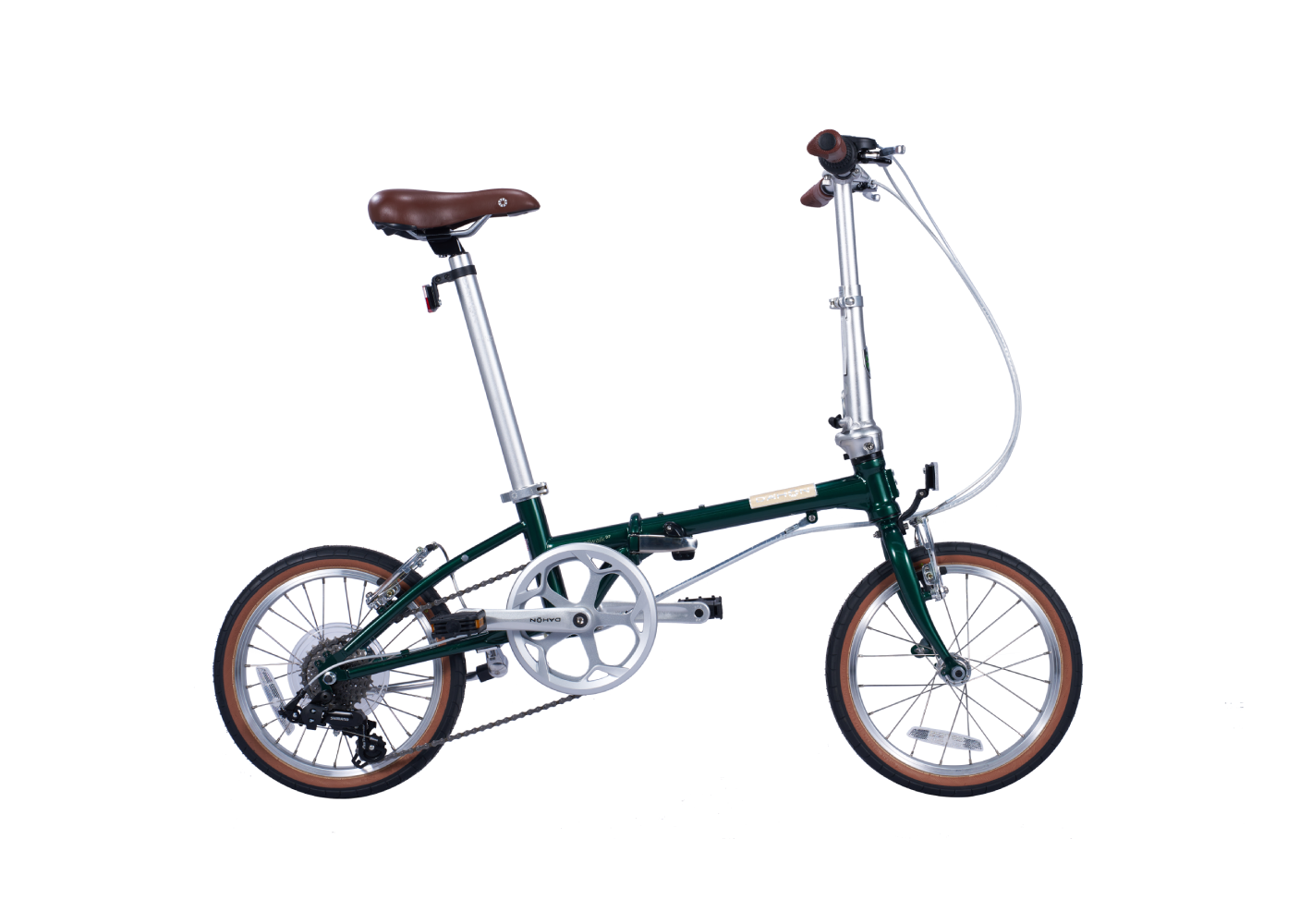
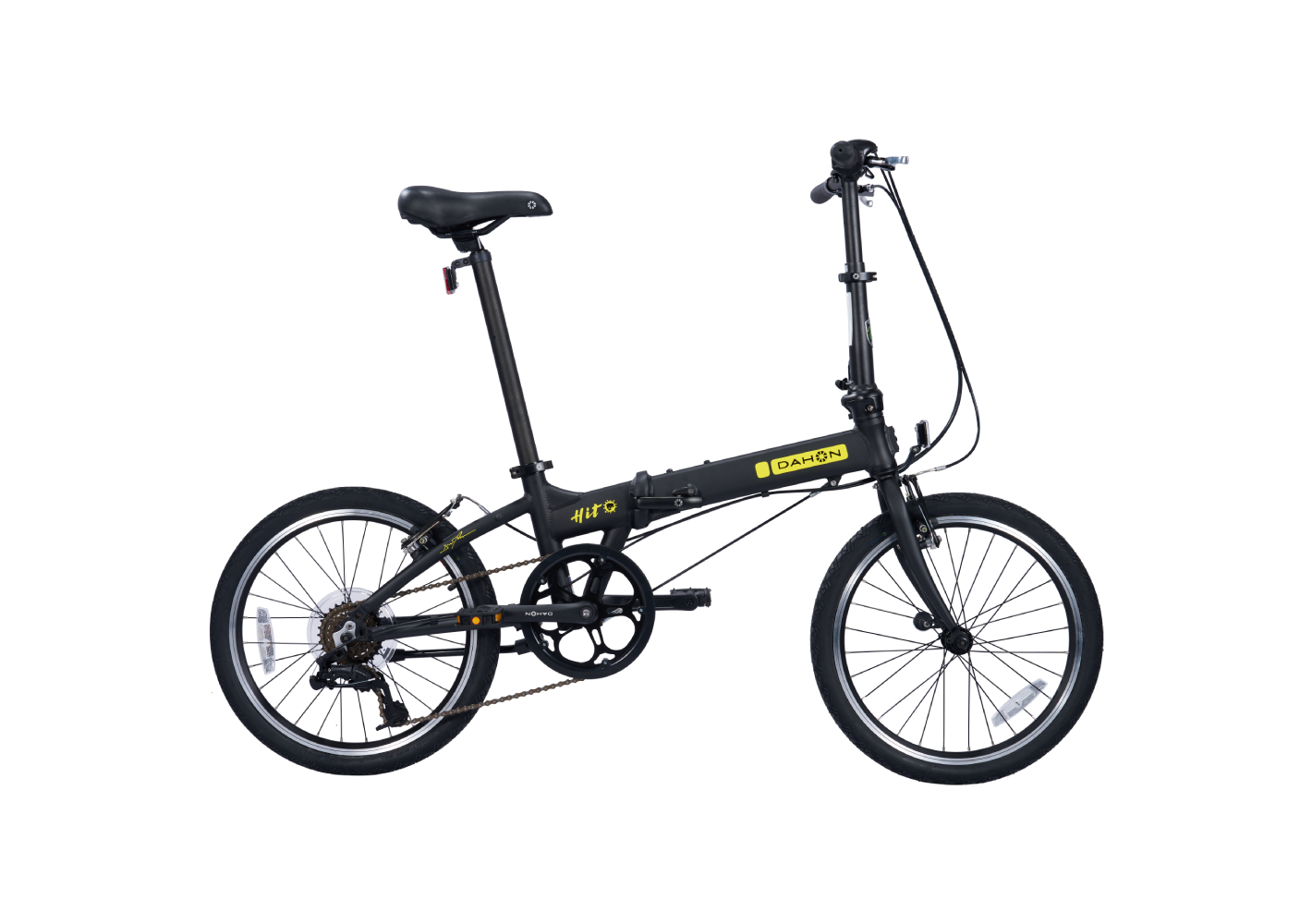
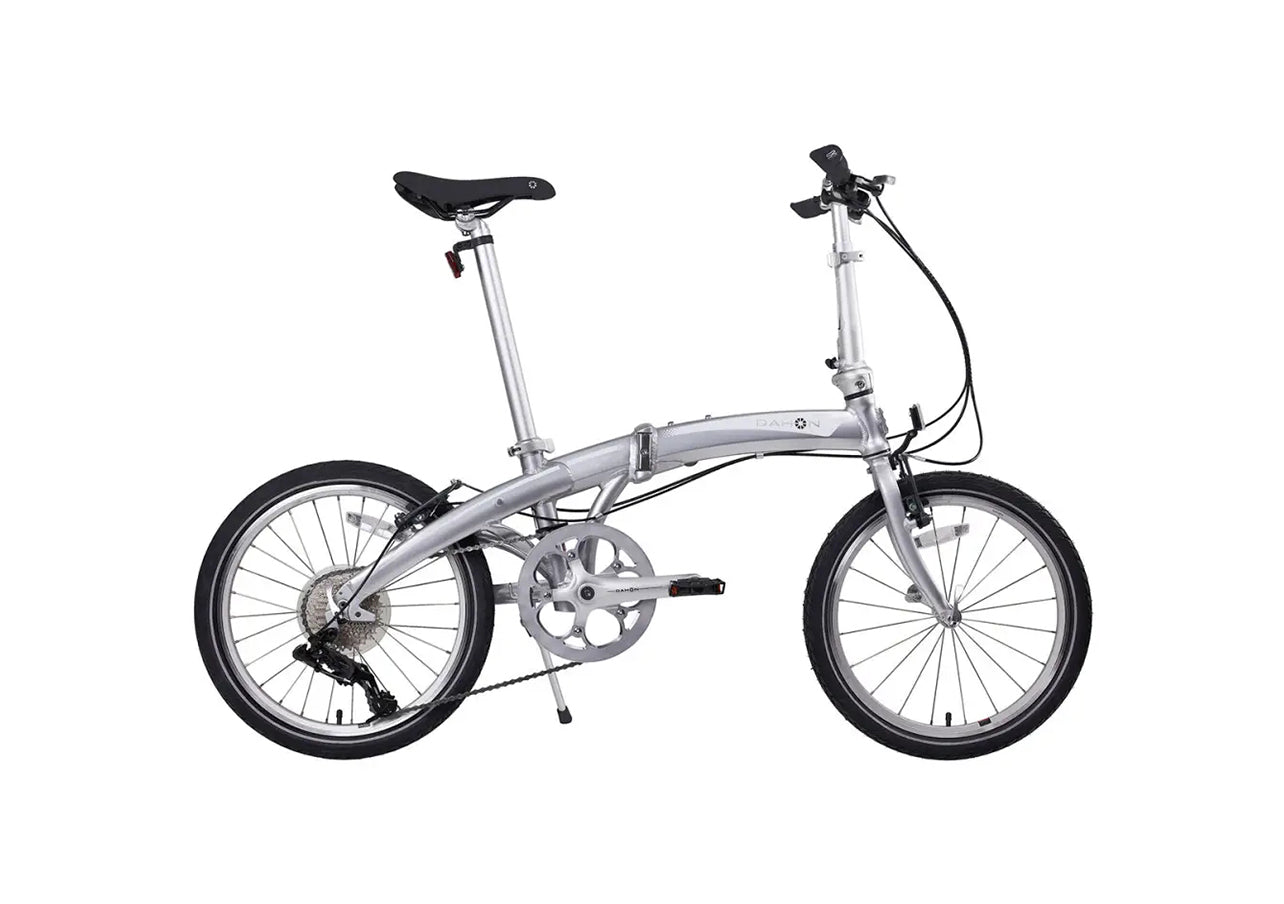
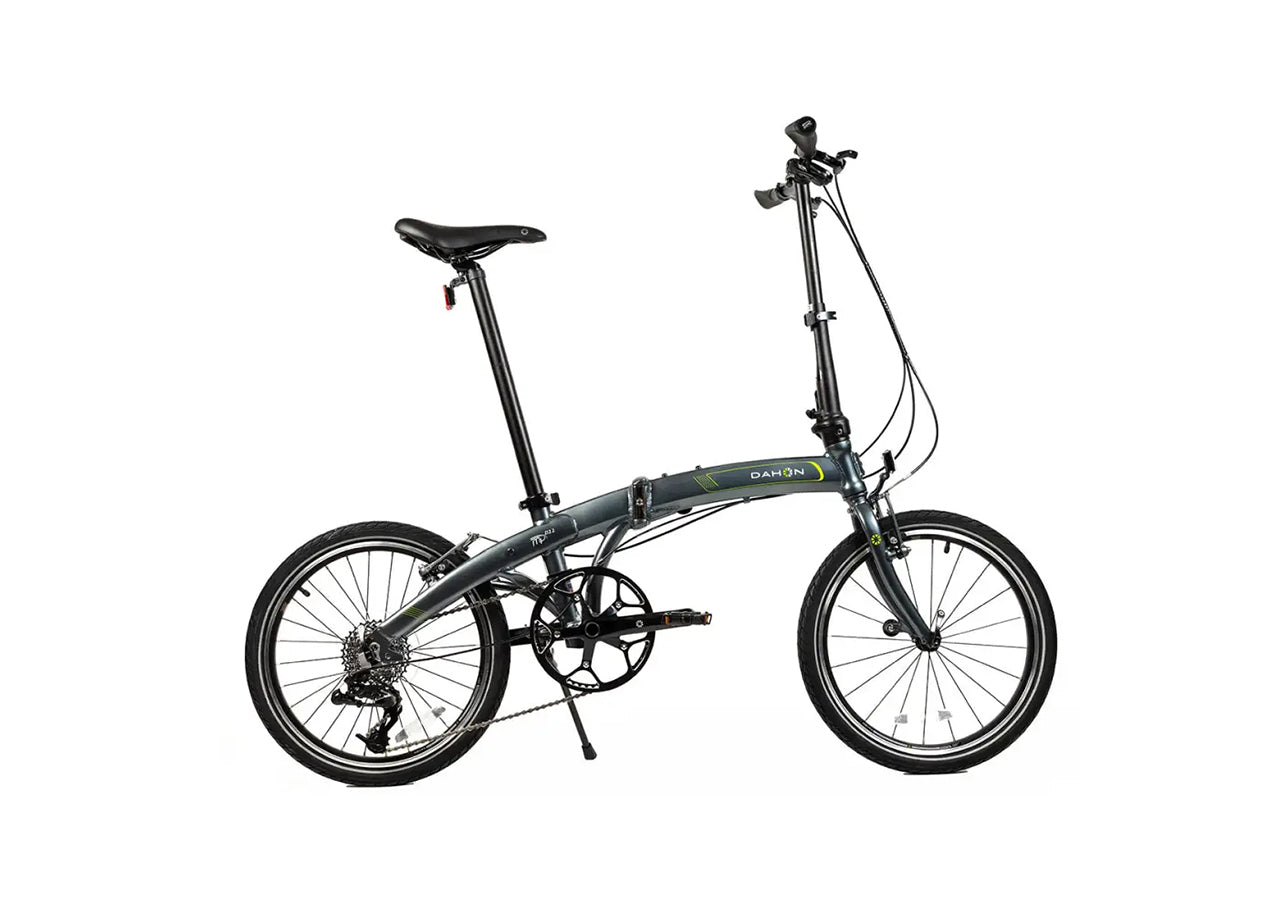
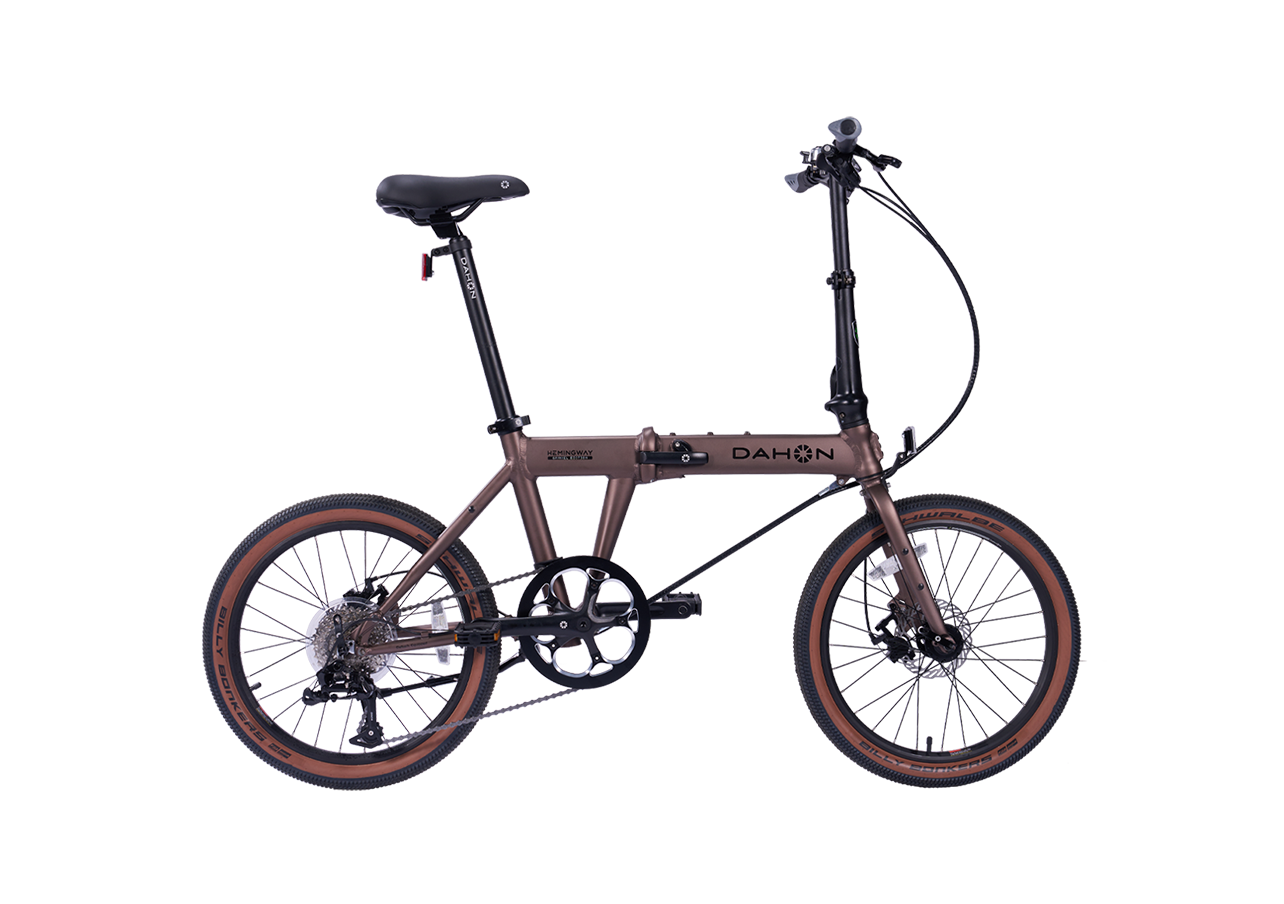
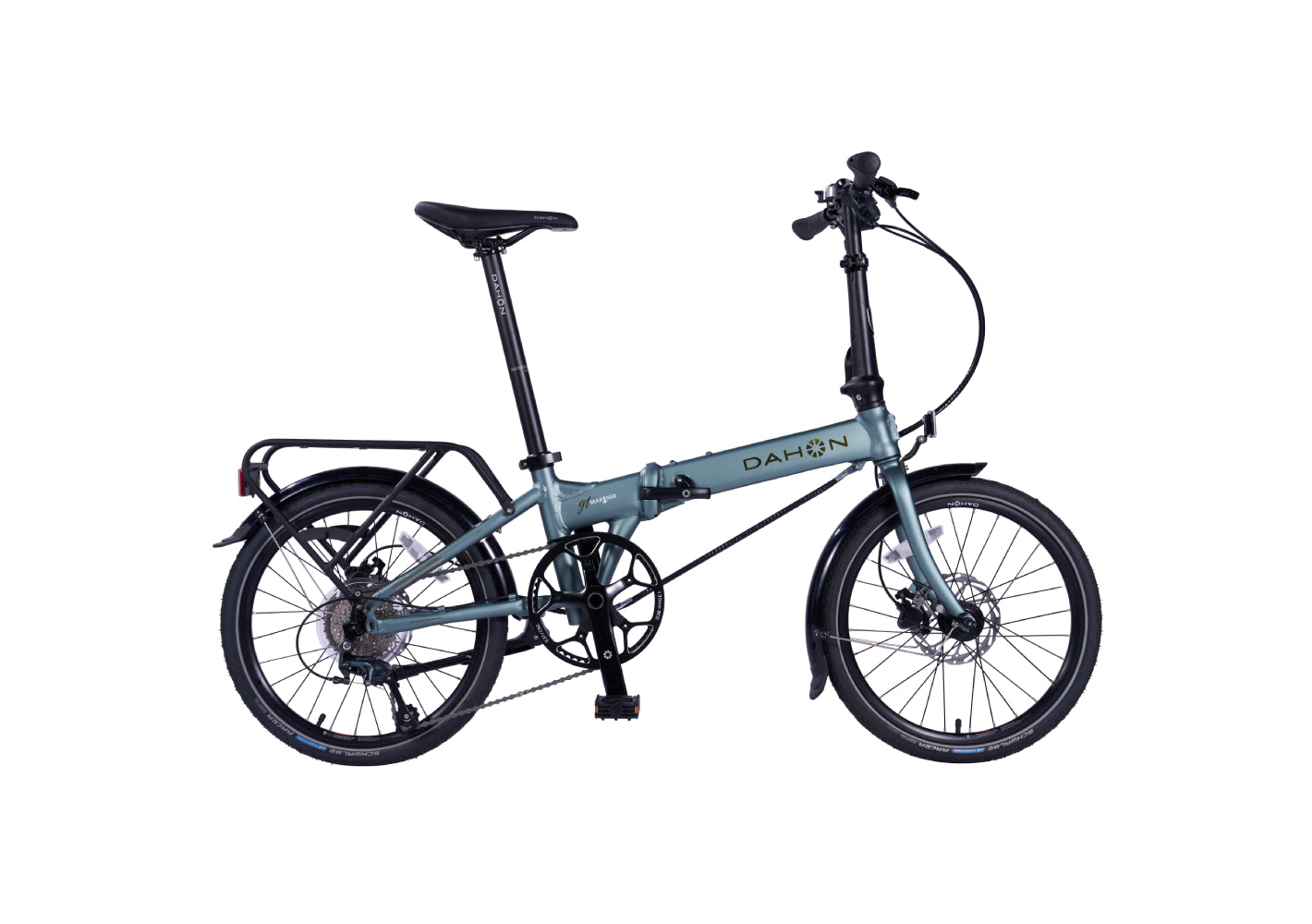
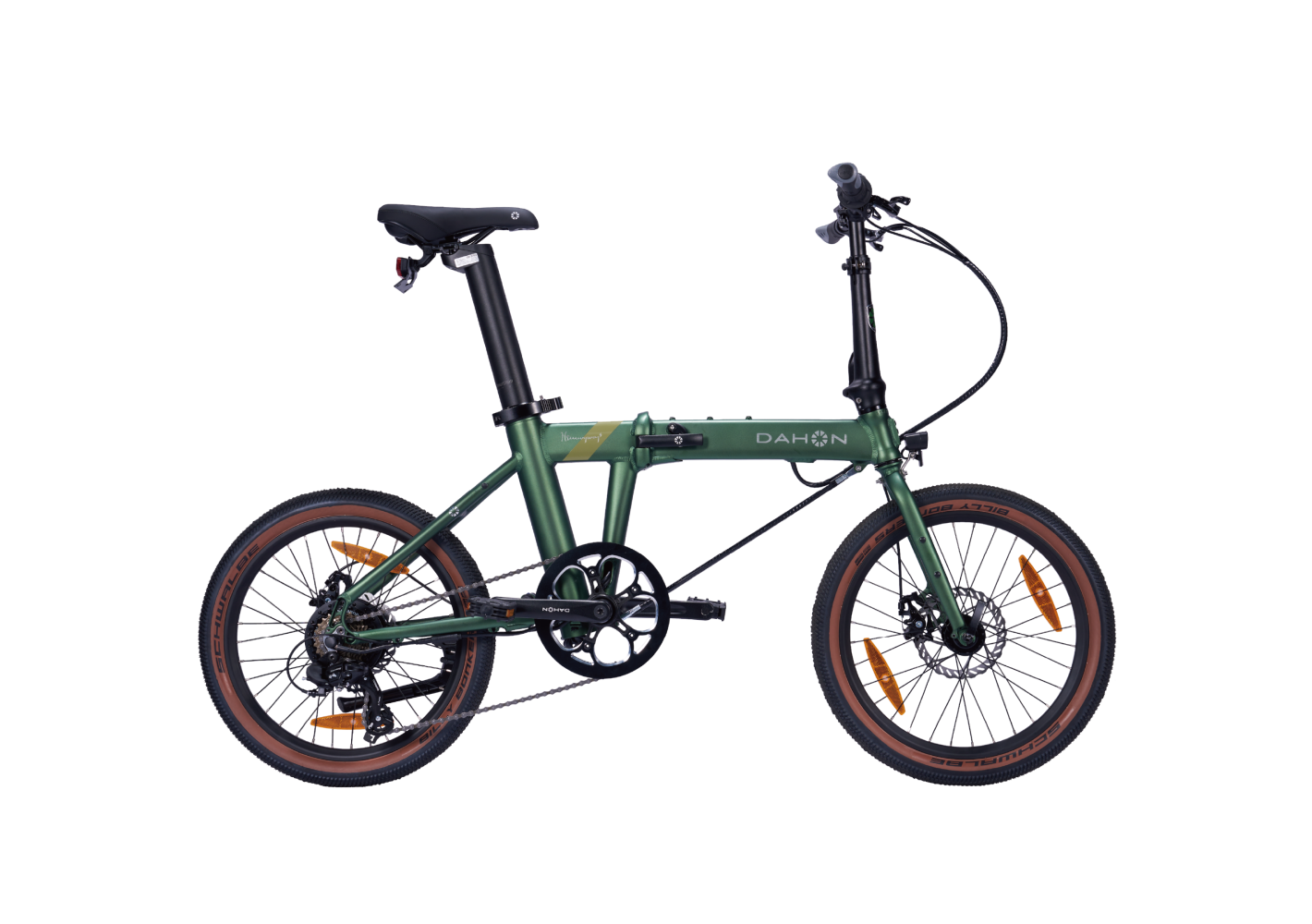
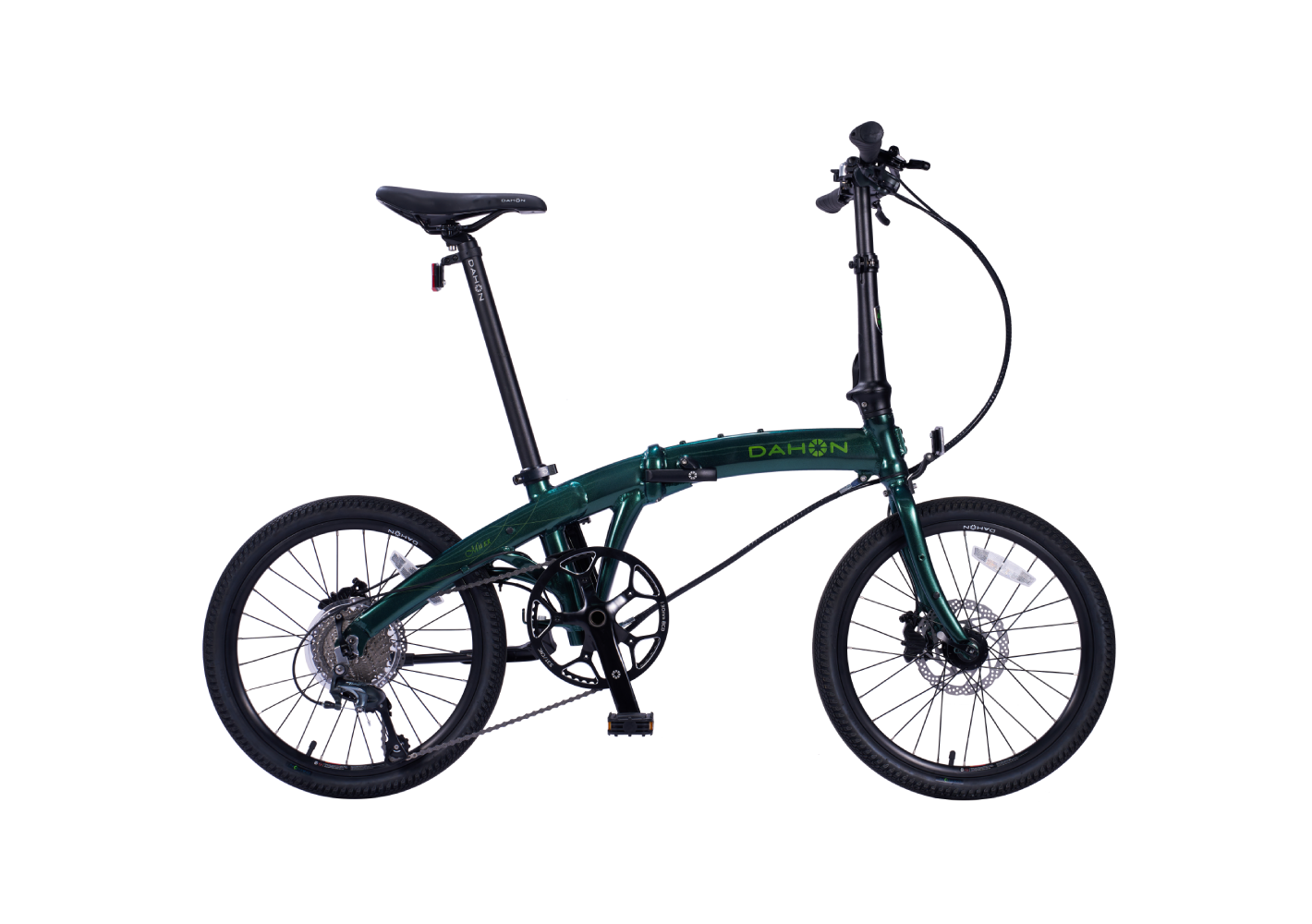
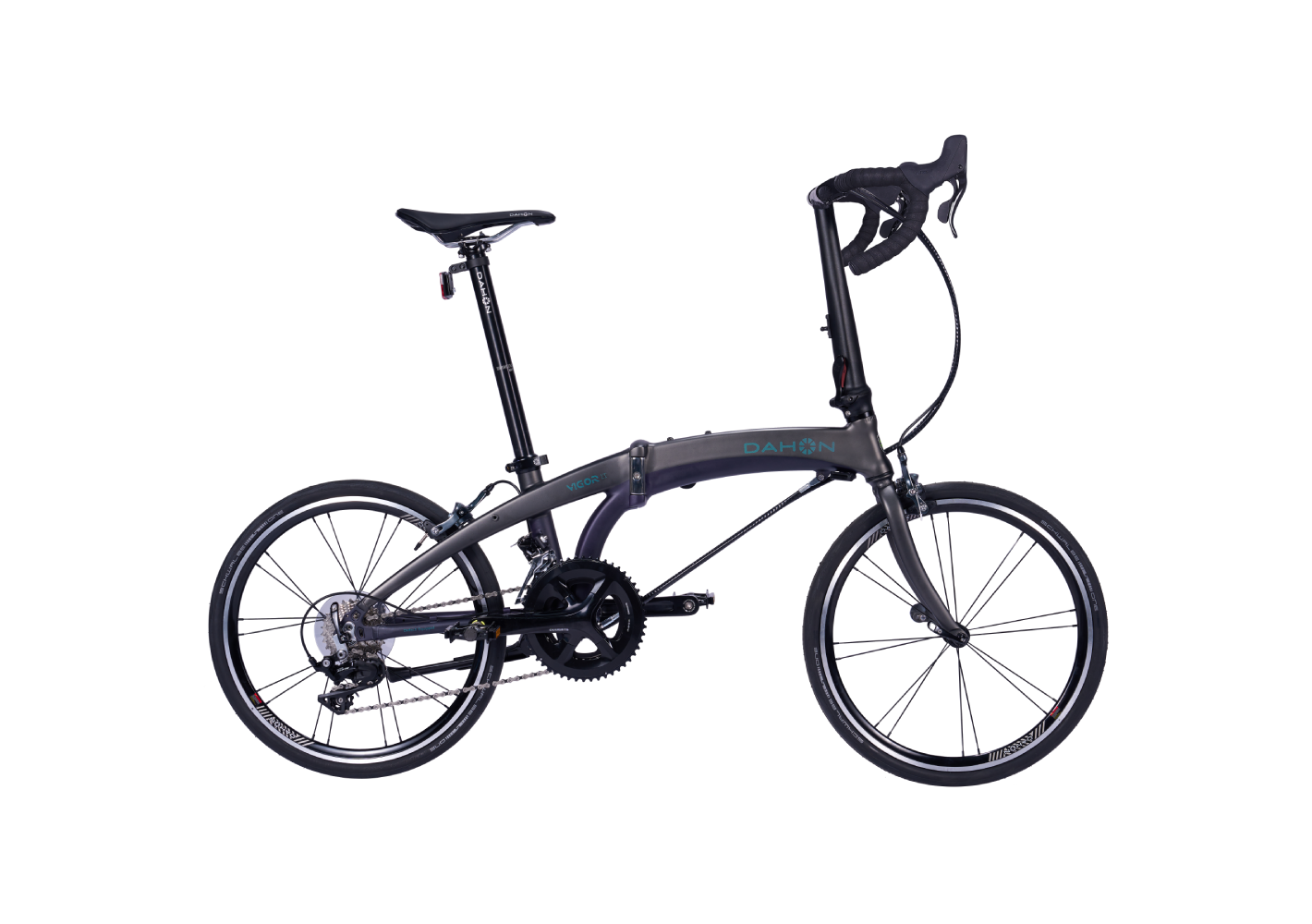
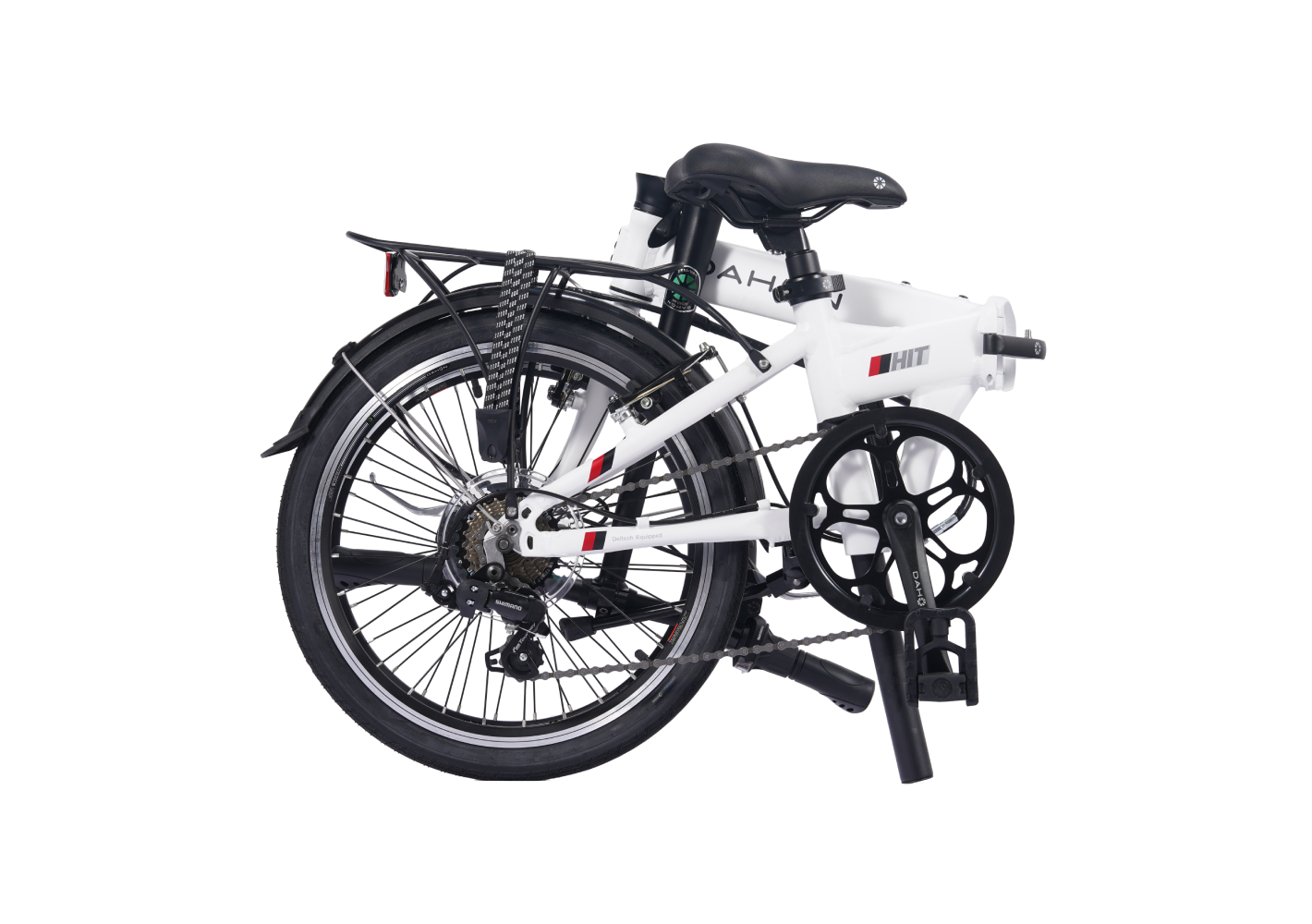
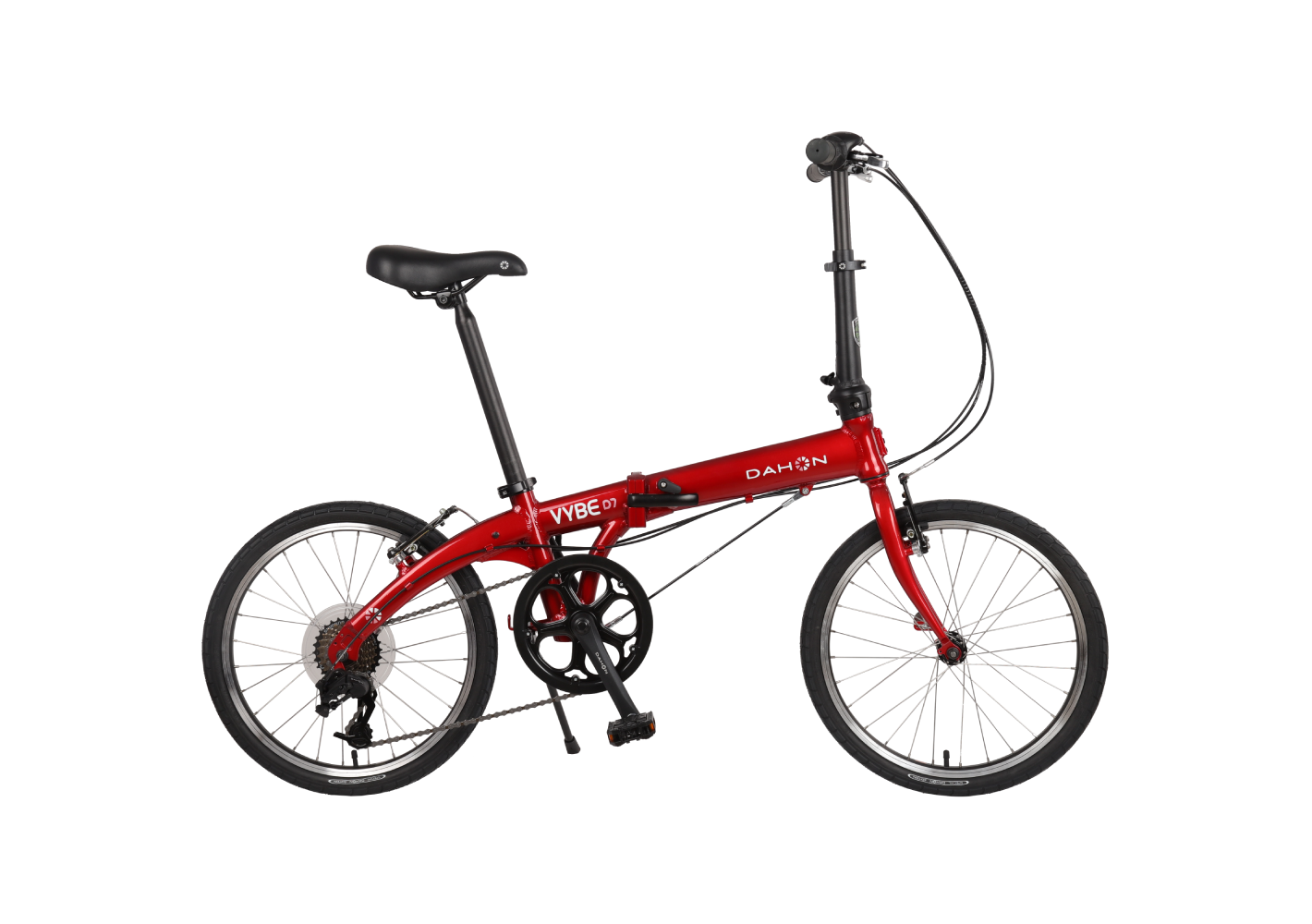
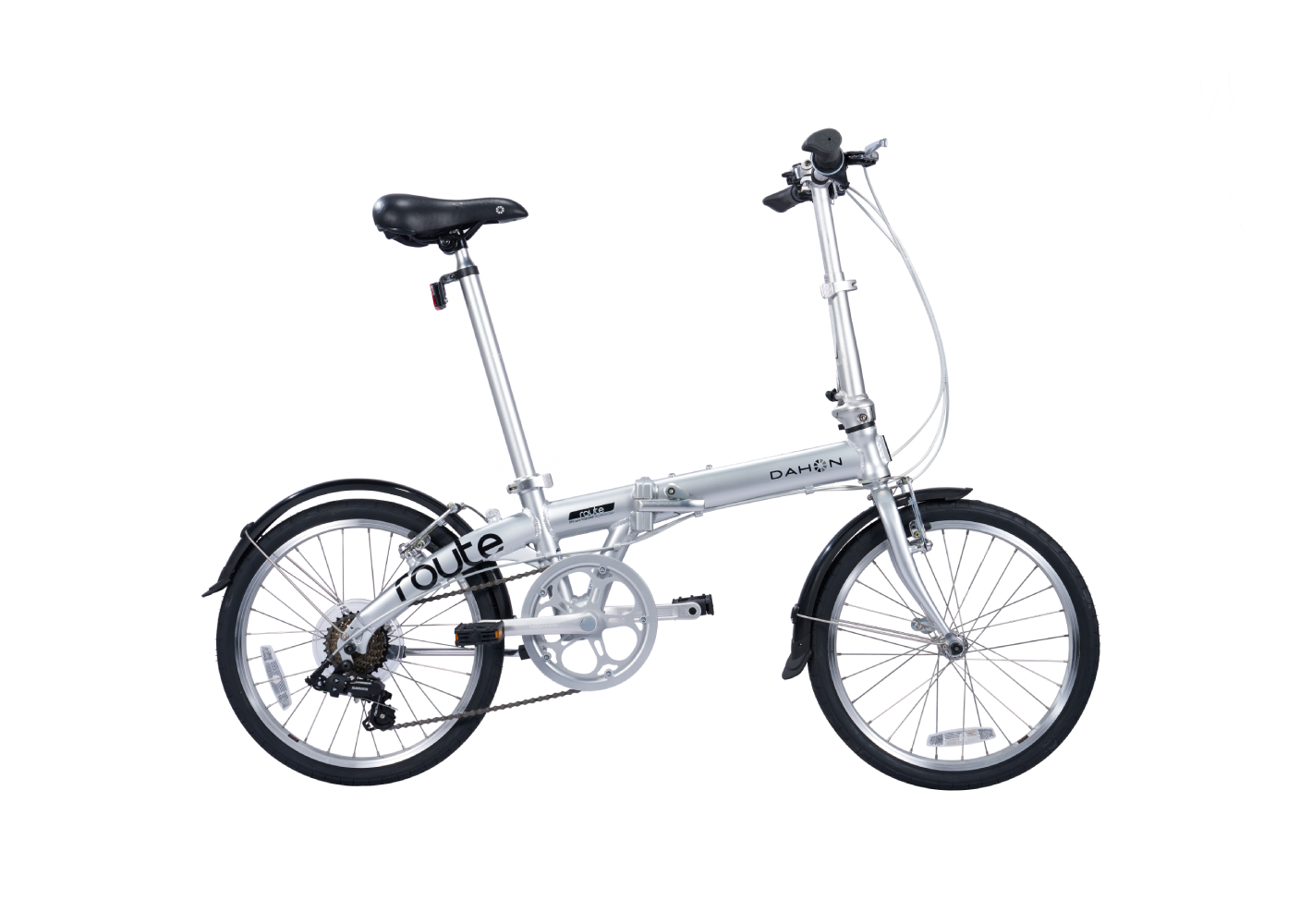
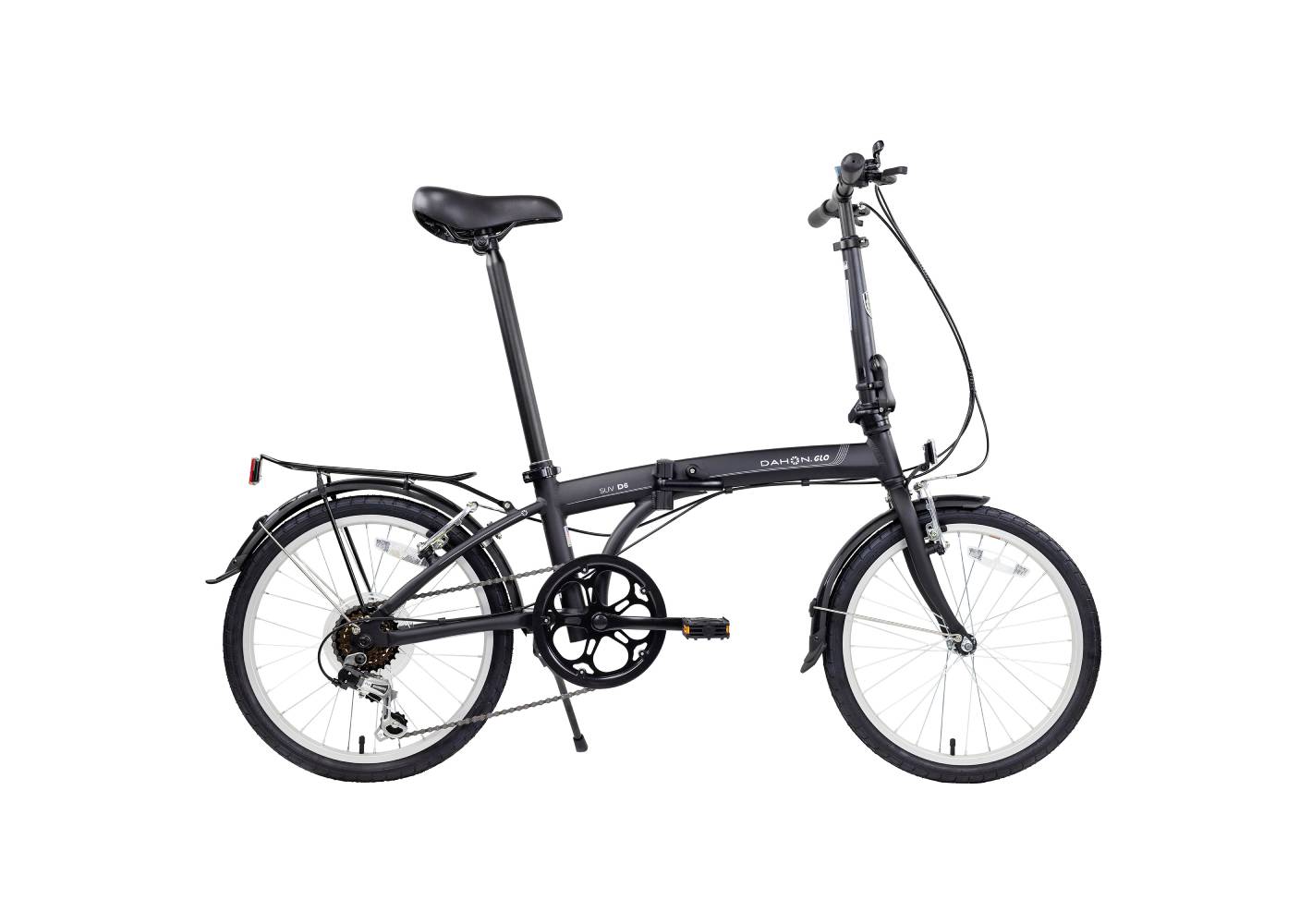
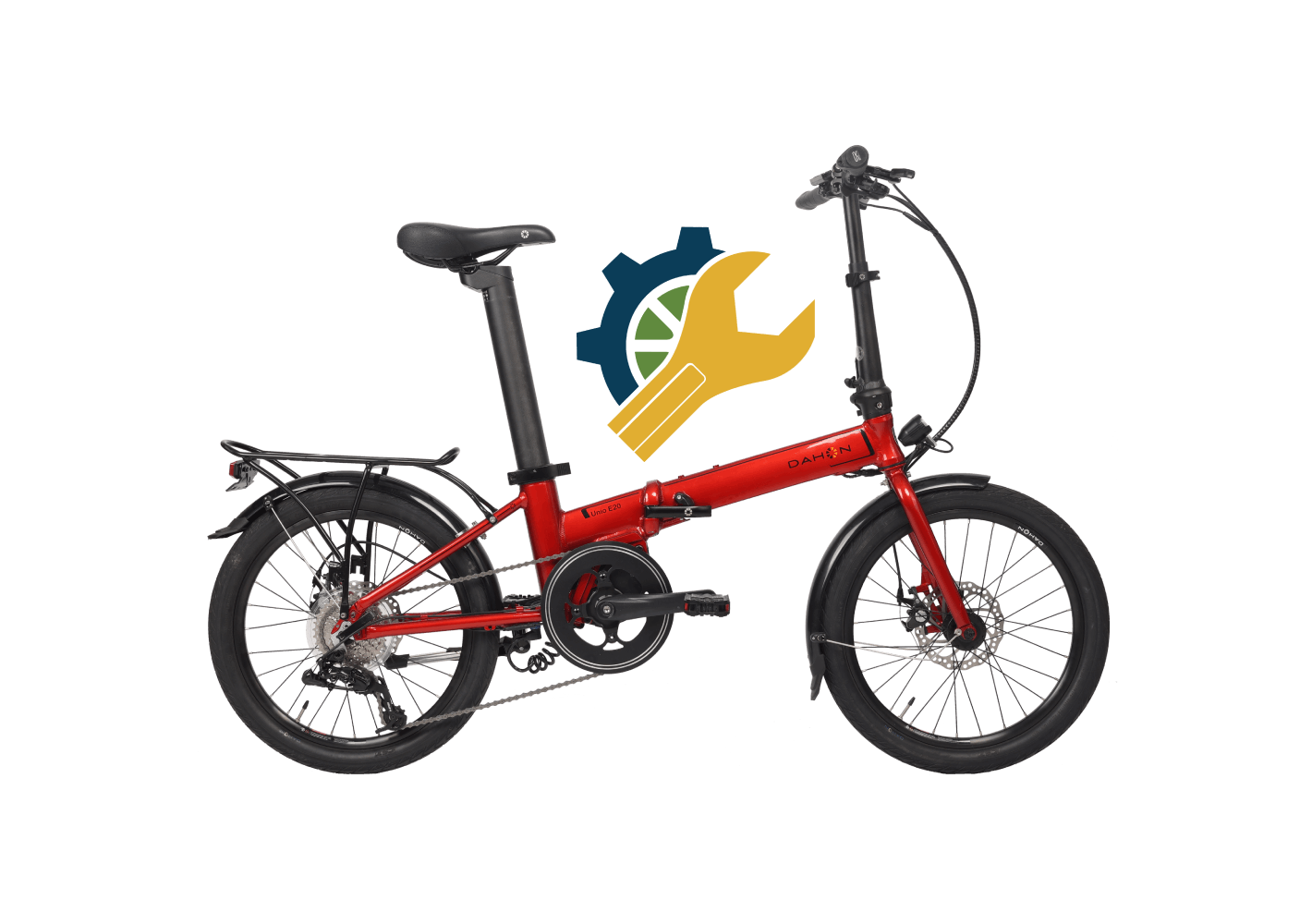
4. Folding bikes are the most practical option for seniors who live in apartments, use public transit, or travel. They store in a closet, fit in a car trunk, and can board a train without issue. Quality models are available with 6 to 11-speed drivetrains and lightweight aluminum frames, covering real riding needs rather than just short errands.
| Cruiser | Hybrid | E-Bike | Folding Bike | |
|---|---|---|---|---|
| Can I get on and off easily? | Yes — low frame standard | Depends on model | Depends on model | Yes — low frame standard |
| Will my back and neck be comfortable? | Yes | Yes | Yes | Yes |
| Can it handle the hills in my neighborhood? | Flat only | Moderate hills | Any terrain | Moderate hills |
| Is it light enough to put into my car? | No — usually 35–50 lbs | Manageable — 25–35 lbs | No — 45–70 lbs | Yes — 20–28 lbs |
| Can I store it in a small apartment? | No | No | No | Yes — folds to half size |
How to Test a Bike Before You Buy
Test the brakes with one hand. Arthritis or reduced grip strength affects how much stopping power you can generate. Squeeze each brake lever with just one hand at moderate speed. If you have to squeeze hard to feel confident stopping, the brake lever reach may be too wide, or the cable tension too loose. Both are adjustable, but you need to know before you commit.
Check your feet at a stop. When seated at your normal riding position, you should be able to touch the ground with at least the balls of both feet when stopped. If you have to lean the bike significantly to reach the ground, the bike is likely too tall for comfortable stopping at intersections. This is separate from saddle height for pedaling. Both need to work.
Shift through every gear while moving. Shifting while stopped tells you almost nothing. Shift up and down through the full range while riding. Notice whether the transitions are smooth, whether the shifter requires awkward finger positions, and whether you can shift without taking your eyes off the road.
Ride for at least 15 minutes before deciding. The first five minutes on any new bike feel unfamiliar. Discomfort that appears after 10 to 15 minutes (in the lower back, wrists, or sit bones) is meaningful. Discomfort in the first two minutes usually is not.
Common Mistakes to Avoid
- ❌️ Choosing a smaller bike thinking it will be easier to handle. A bike that is too small forces you into a hunched, cramped position that puts more strain on your back and wrists than a properly sized bike.
- ❌️ Buying online without a test ride. Return policies on bikes are complicated, and reassembling a shipped bike correctly requires tools and experience. For a first purchase or a new category, an in-store test ride is worth the difference in price. What feels right in a photo often feels wrong in a parking lot.
- ❌️ Prioritizing a low price over a low weight. Entry-level bikes under $300 are typically heavy steel frames with basic components. The weight difference between a $300 bike and a $700 bike can be 8 to 10 lbs (3.6 to 4.5 kg), which shows up every time you lift the bike into a car, carry it up a step, or maneuver it at slow speed. For seniors, that weight difference is not minor.
- ❌️ Ignoring where the bike will live. A bike that does not have a clear, accessible storage spot gets ridden less. Before buying, decide exactly where it will be stored, how you will get it there, and whether it needs to fit through a narrow doorway or into a car trunk.
Conclusion
A comfortable bike for seniors over 60 comes down to four things: a frame you can mount easily, a riding position that does not strain your back or neck, gearing that takes the work out of hills, and enough vibration damping to make the road feel smooth. Get those right and the ride starts to feel natural and effortless. Ready to find the right fit? Explore DAHON's full bike lineup — practical, well-engineered bikes built for wherever life takes you next.
Frequently Asked Questions
Q1: Is a 3-speed or 7-speed bike better for seniors?
It depends on your terrain. A 3-speed hub gear is simple, maintenance-free, and works well on flat routes. A 7-speed gives more range for hills and varied terrain. If your routes include noticeable inclines, the extra gears make a real difference in effort. 7 speeds is a practical starting point for most riders.
Q2: What is the safest bike type for seniors with balance issues?
A low step-through frame with a stable wheelbase is the safest starting point. Mounting and dismounting is when many cycling injuries occur, and a step-through frame removes the hardest part of that movement. For riders with significant balance concerns, adult tricycles remove the need to balance the bike entirely, which is the most reliable solution.
Q3: How heavy is too heavy for a senior-friendly bike?
Under 30 lbs (13.6 kg) is a practical target. A lighter bike is easier to handle at slow speeds and load into a car. Aluminum frames are lighter than steel and are common in quality bikes across most price ranges. If you transport the bike regularly or carry it up stairs, weight should be near the top of your checklist.
Q4: Can seniors with knee problems still ride a bike comfortably?
Yes, and cycling is often recommended because it is low-impact. Unlike running, cycling moves the knee through its range of motion without repetitive ground impact. Two adjustments matter most: seat height (too low puts the greatest strain on the knee) and gearing (a lower gear lets you pedal faster with less force, which is much easier on the joint than grinding a high gear slowly). If you have a specific knee condition, check with your doctor before starting a new routine.











Share:
Are Foldable Bikes Good for Long Rides? Real Riders Weigh In
Are Foldable Bikes Good for Long Rides? Real Riders Weigh In