

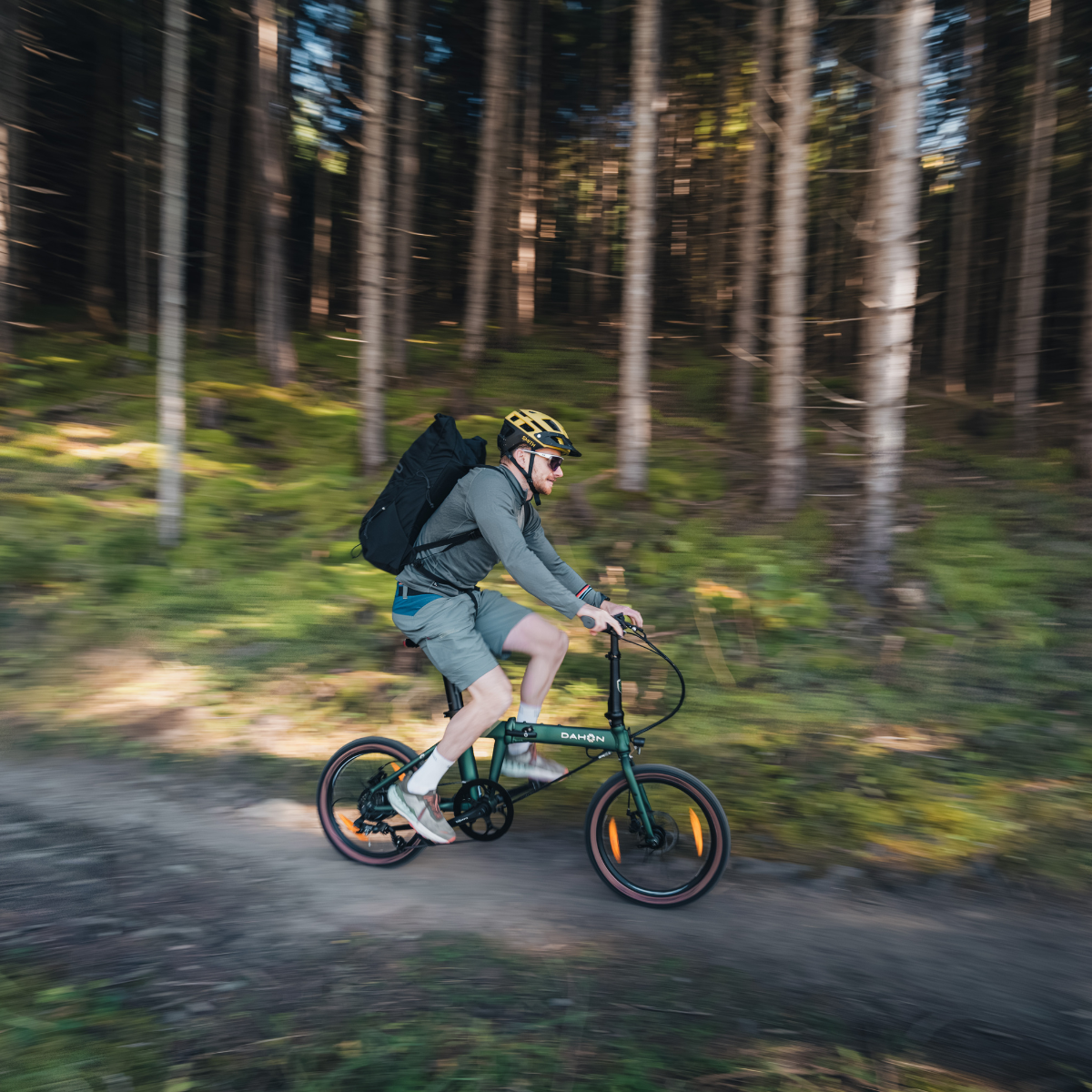
You look down at your folding bike and wonder: Can this thing handle 50 miles? Foldable bikes were built for city streets, subway stairs, and trunk storage, not century rides. But more and more riders are pushing them way past their original job description. What actually happens when you take one on a long ride?
The Short Answer — Yes, But It Depends on These Factors
Are foldable bikes good for long rides? Yes, with the right setup and realistic expectations.
Folding bikes for long distance riding work best when three things line up: wheel size (20 inches is the sweet spot), gear range (more speeds means more flexibility on hills), and rider fit (saddle height and handlebar position matter a lot over many miles). A well-spec’d foldable bike on smooth roads can log serious miles, while a poorly fitted one on rough pavement will wear you out quickly.
Your legs matter more than your wheel size.
What Counts as a "Long Ride" for Folding Bike Riders
First, what counts as "long"? For many commuters, 10 miles is a long ride. For weekend riders, 30 to 50 miles is a solid challenge. For touring cyclists, 60 to 100 miles in a day is the goal.
A folding bike can handle all three scenarios, but the experience shifts at each level.
- Under 20 miles (32 km): Almost any folding bike handles this comfortably.
- 20 to 50 miles (32 to 80 km): Doable with proper gearing and a comfortable saddle. Rider fitness becomes a bigger factor.
- 50 to 100 miles (80 to 160 km): Possible on 20-inch wheel bikes with wide gear ranges. Setup, pacing, and terrain matter a lot here.
The key takeaway: it is less about the bike's limits and more about fit and preparation.
Is Small Wheel Challenge Real?
Small wheels of folding bikes may pose some disadvantage, but it's often overstated. Smaller wheels, typically 16 or 20 inches, have slightly higher rolling resistance than a 700c road bike wheel. But they also spin up faster, weigh less, and perform surprisingly well on smooth pavement.
The bigger challenge is cadence. A 20-inch wheel covers less ground per rotation than a larger wheel, so you spin your legs more often to hold the same speed. Over the course of a 50-mile ride, that adds up. Your legs may feel it more than you expect, especially if the gearing is not wide enough to find a comfortable rhythm.
The other factor is road feel. Smaller wheels transmit more surface texture. On smooth asphalt that's fine; on cracked pavement or chip-seal, you may expect more vibration. Something to plan around, not a reason to rule out a folder entirely.
What Riders Actually Experience on Long Rides
Long distance does not stop a well-built folder. A rider who departed from Leicester, England on a loaded Dahon Speed TR completed a nine-month tour across France, Portugal, Spain, and Belgium on 20-inch wheels with full camping gear, accumulating thousands of miles over the journey. His conclusion: the tires and brake pads lasted the entire trip, the wheels absorbed severe road impacts without rim or spoke damage, and the bike did not fail. The main limiting factors were gear range on steep climbs and load distribution. Both are solvable with planning. (Source: The Folding Society, Phil Chappell, 2009)
Long-term durability holds up. Riders who have owned Dahon folding bikes for 10 to 15 years consistently report that the drivetrain stays dependable with standard maintenance. (Source: r/foldingbikes)
The consistent thread: fit, load management, and preparation beat wheel size every time.
When Folding Bikes Work Best
Multi-modal travel is a genuine advantage. When a nine-month European tour hits a broken-down train and the replacement is an express that doesn't take bikes, being able to fold and board is not a minor perk. It is what keeps the trip moving. (Source: The Folding Society, Phil Chappell, 2009)
Touring flexibility opens new options. A folding bike packs into a bag or standard luggage case. No oversized fees, no fragile bike boxes when flying to a starting point.
Storage anywhere. Hotels and hostels that turn away full-size bikes will usually take a folded one without a second thought.
For distance riding, the folding bike's compact form is not a limitation to work around. For many routes and travel styles, it is the better tool.
Where Folding Bikes Struggle on Long Rides
Rough roads hurt more. Without suspension, every pothole and road crack goes straight to your hands, seat, and feet. High-pressure narrow tires (great for speed on smooth roads) make this noticeably worse on rough ones.
Certain surfaces demand more attention. Riders using narrow-tired folding bikes report that grooved pavement and metal grates require more active handling than wider-tired bikes. Road awareness becomes part of the ride. (Source: BikeForums)
Gear range on loaded climbs. Riders who have toured with full gear report that standard folding bike gearing can feel insufficient on extended steep climbs, especially compared to dedicated touring bikes with wider ranges. A wider cassette helps significantly. (Source: The Folding Society, Phil Chappell, 2009)
Fit requires more deliberate effort. Most folding bikes come in a single frame size with no size options. Seatpost height, stem, and handlebar angle all need to be dialed in carefully. Their impact grows with every mile added to the ride.

How to Make Long Rides More Comfortable
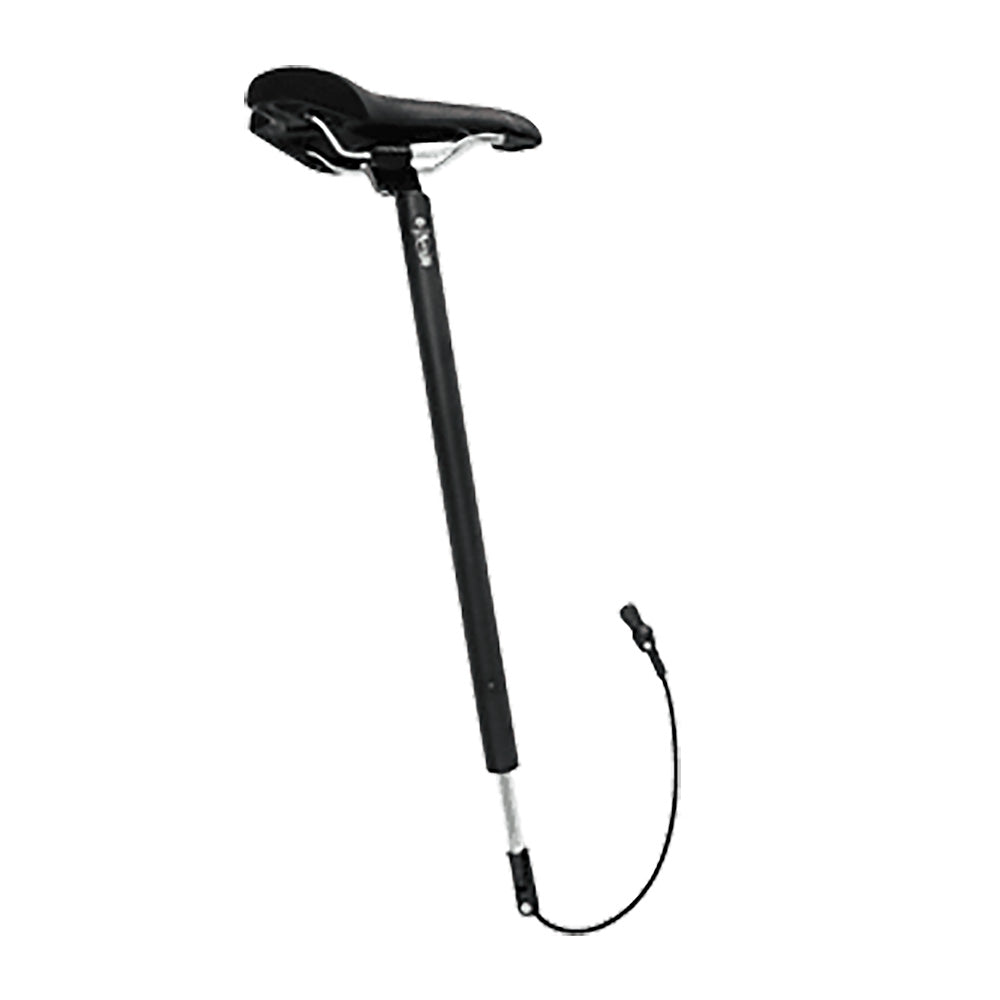
Upgrade the saddle first. Stock saddles are built for short commutes. A saddle that fits your sit bones properly makes a huge difference beyond 20 miles.
Address the road feel with your tires. Slightly lower tire pressure (but not too low) smooths out vibration on rough surfaces. Some riders also swap to a slightly wider tire for long-distance comfort, accepting a small speed trade-off for a smoother ride.
Manage your load distribution. Weight placed too far behind the rear axle lightens the front wheel dangerously on slippery surfaces. Keep heavy items centered and low, shifted toward the front. This is one of the most consistent lessons from real touring experience. (Source: The Folding Society, Phil Chappell, 2009)
Dial in your fit before the ride. Saddle height is the most critical adjustment. On a folding bike, also check handlebar height. A position that's even slightly off causes fatigue faster, and small adjustments matter a lot over 40-plus miles.
Pace differently than a full-size bike. Higher cadence means more leg turnover. Riding slightly easier and taking short breaks more often lets you cover big miles without burning out.
Conclusion
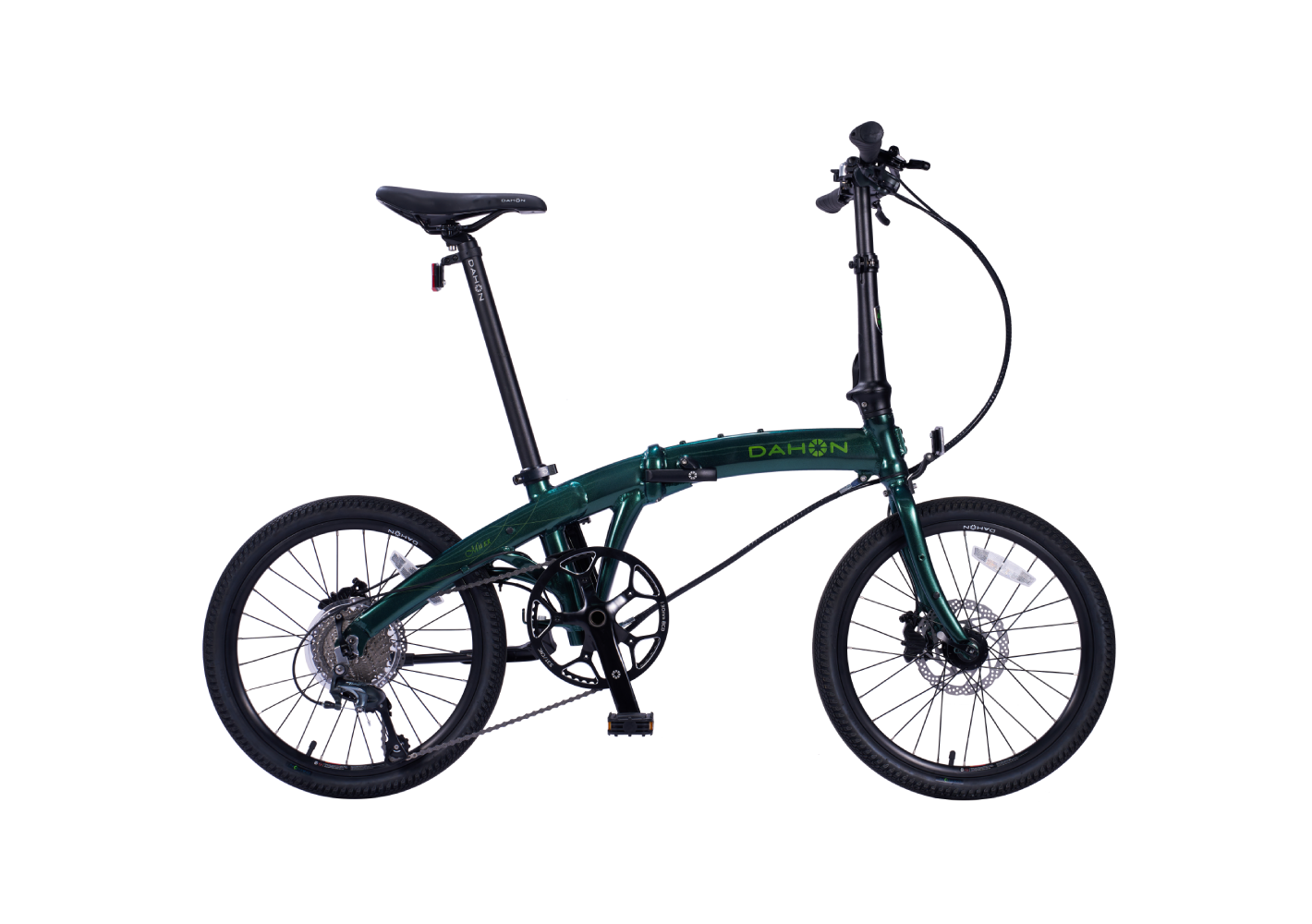
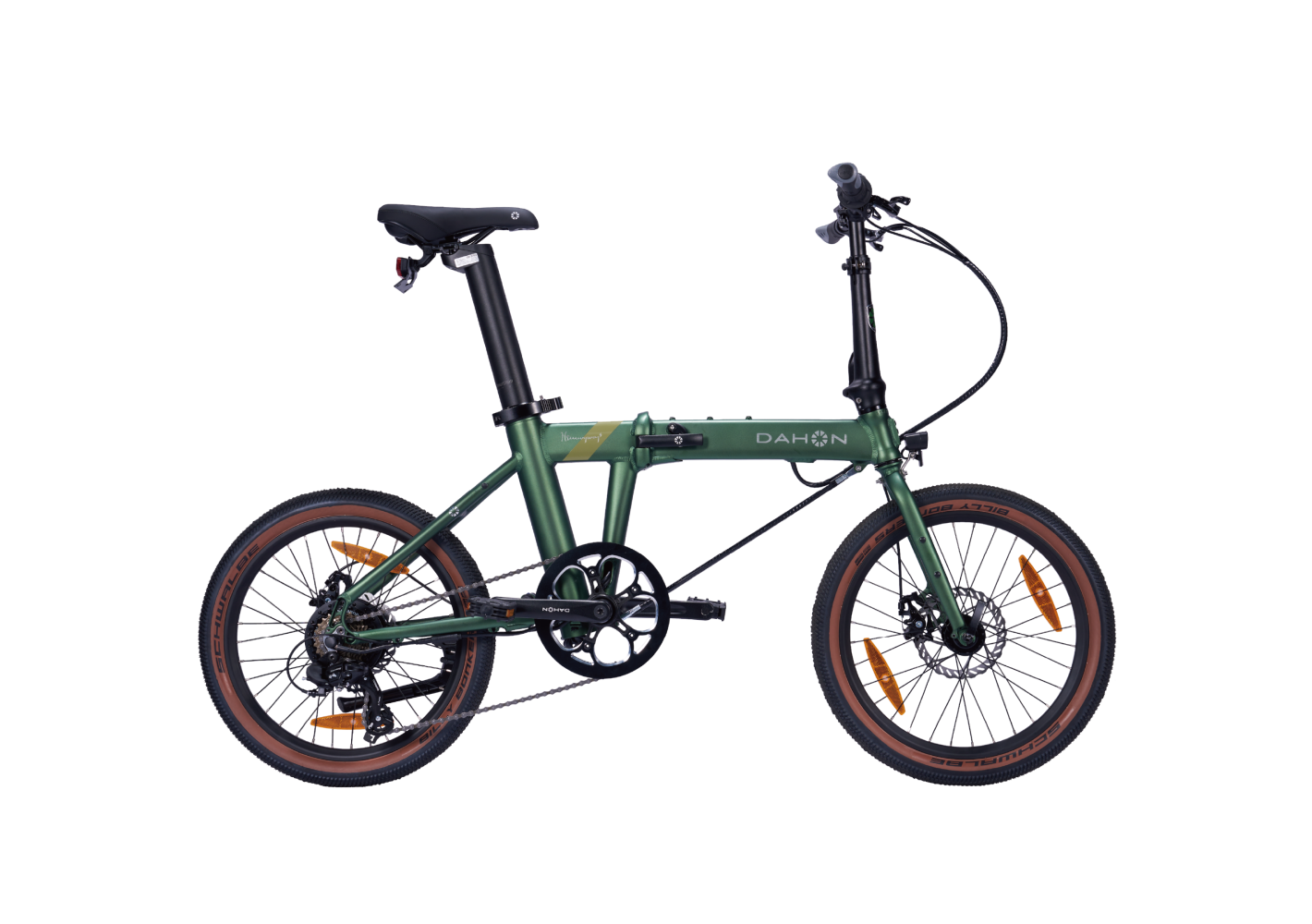
What actually happens when you take a folding bike on a long ride? More often than not, the answer surprises people. The right gearing, a quality saddle, smart load management, and proper fit take a compact folder a very long way. Real-world touring records confirm it. Ready to find yours? The DAHON MU D11 (20-inch wheels, 11 speeds, 23 lbs / 10.4 kg) is built for riders who want to go further. Explore DAHON folding bikes.
Frequently Asked Questions
Q1: How far can a folding bike realistically go in one ride?
There is no hard ceiling. Most well-equipped 20-inch folding bikes handle 30 to 50 miles (48 to 80 km) comfortably. With proper preparation, 75 miles (120 km) or more is achievable. Real-world touring records document multi-month, multi-country journeys on loaded 20-inch folding bikes.
Q2: Do folding bikes slow you down compared to regular bikes?
Somewhat, but less than most people expect. Folding bikes have a higher cadence demand and typically top out at a lower comfortable speed than a road bike. Riders upgrading to a higher-spec folding bike often report meaningful real-world time savings on regular routes. The bigger factors are gearing, tire quality, and fit, not wheel size alone.
Q3: Can I add panniers or a rack to a folding bike for touring?
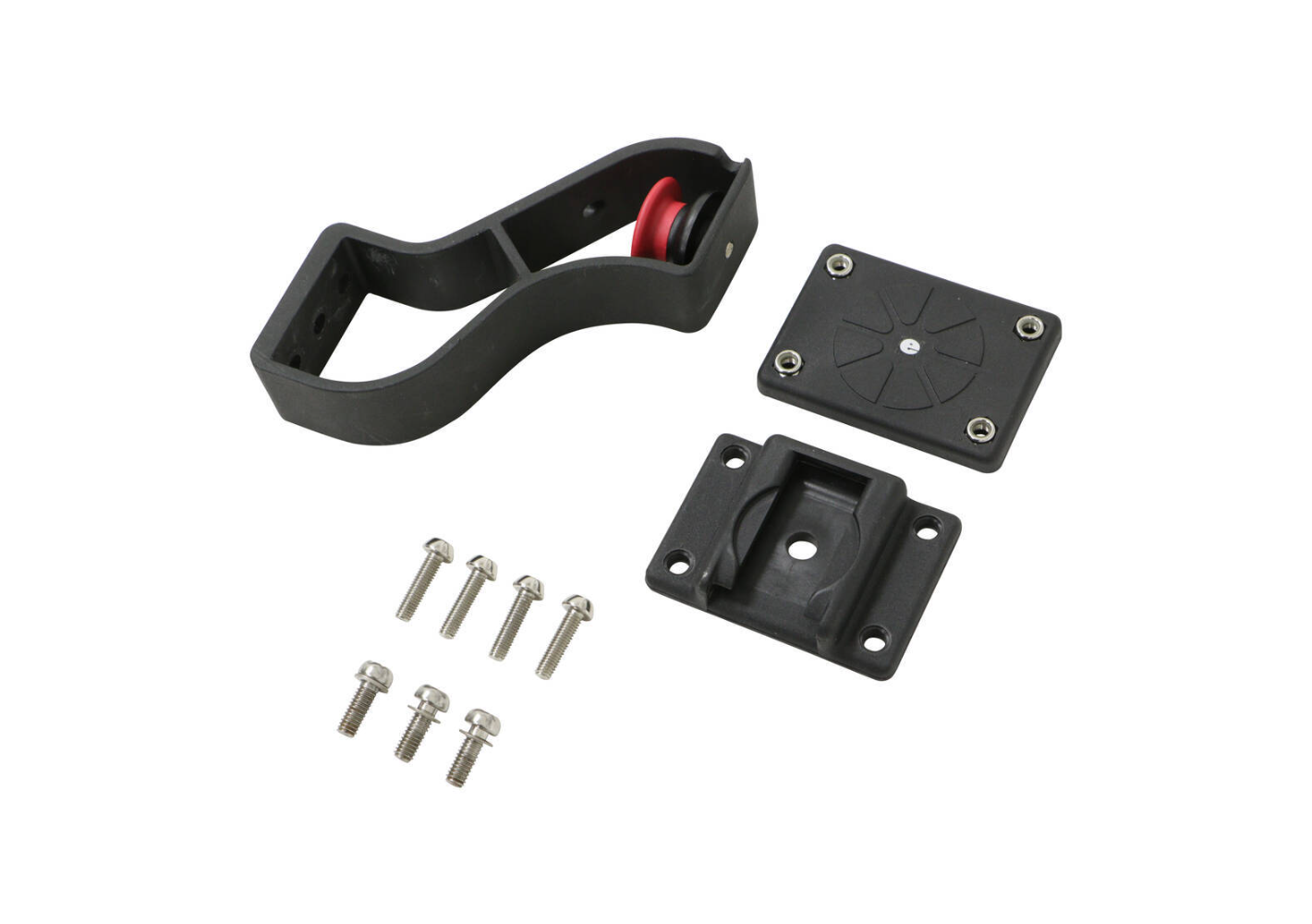
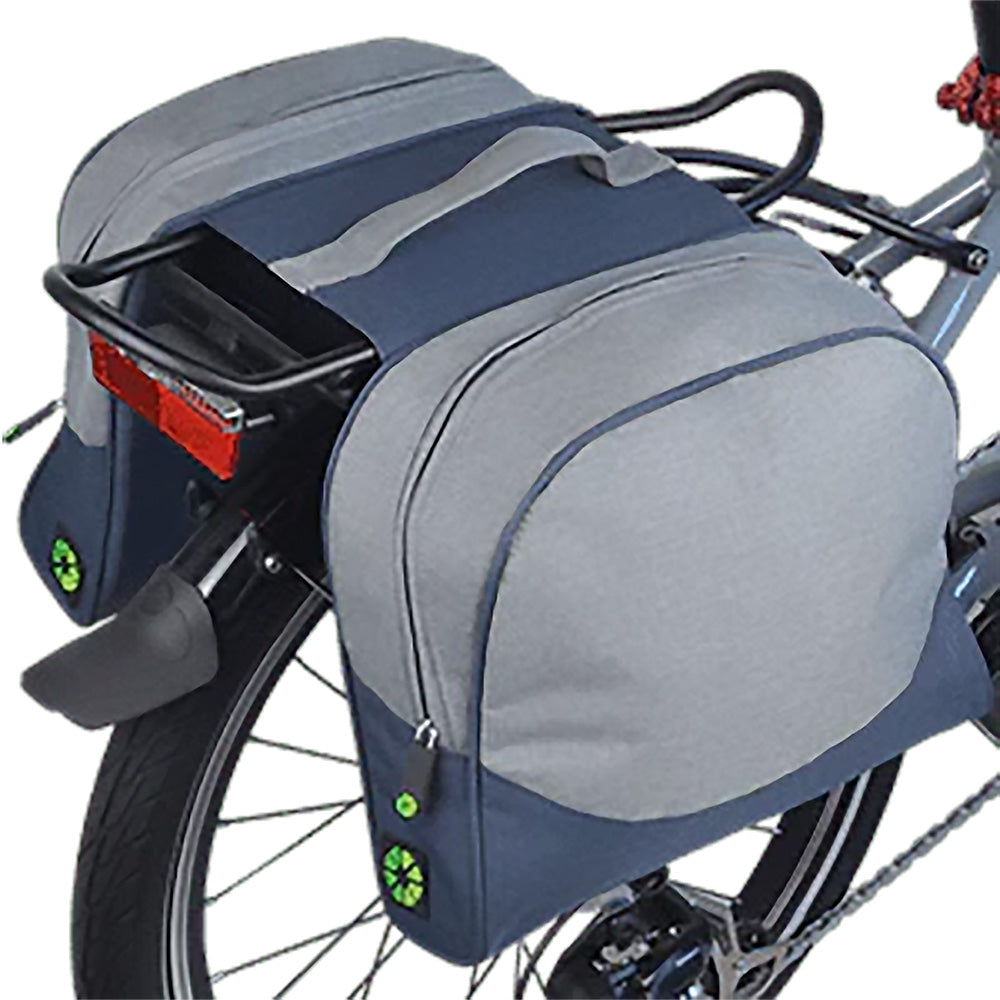
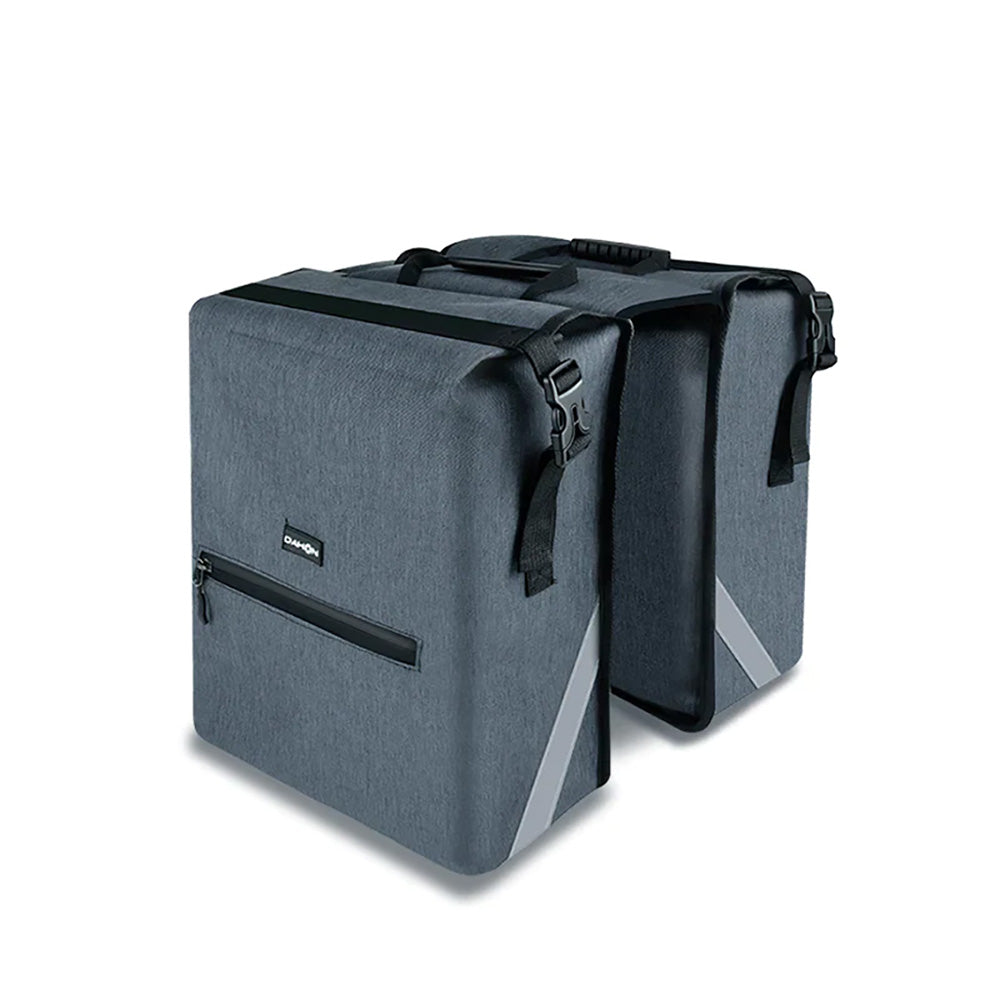
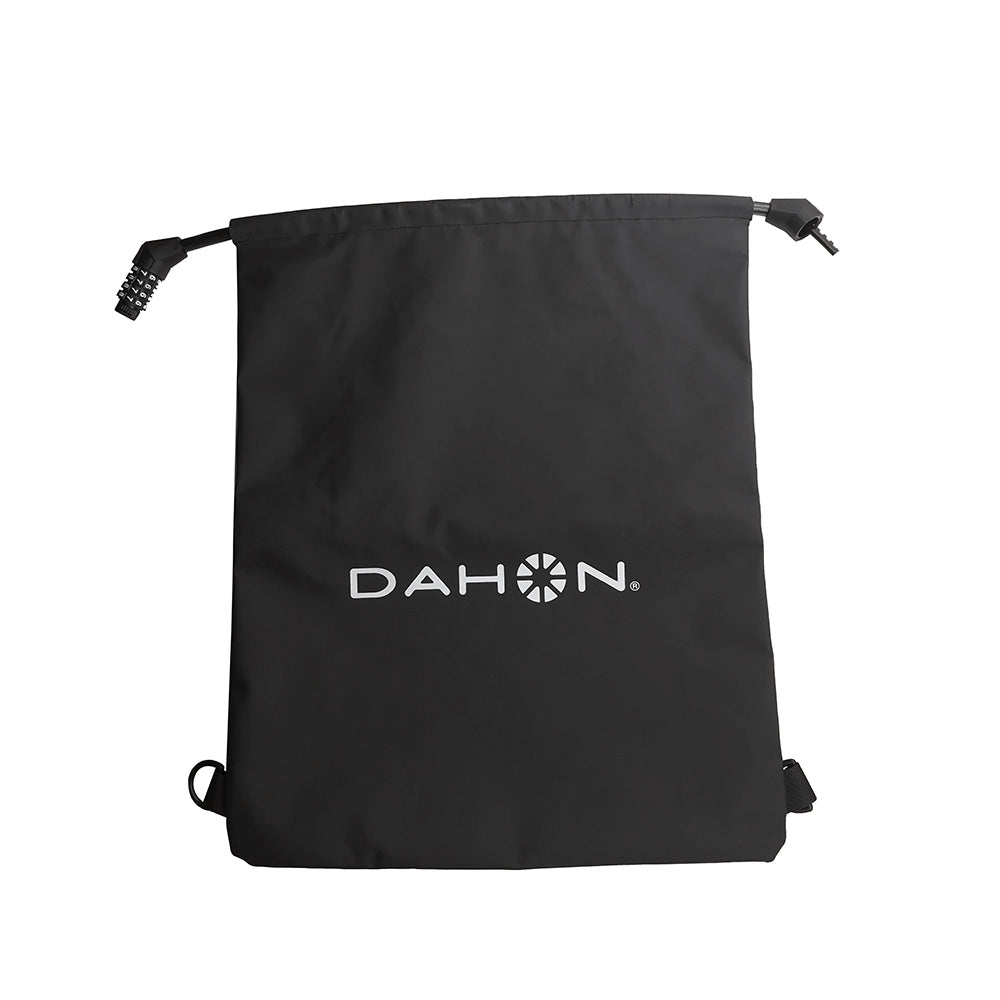
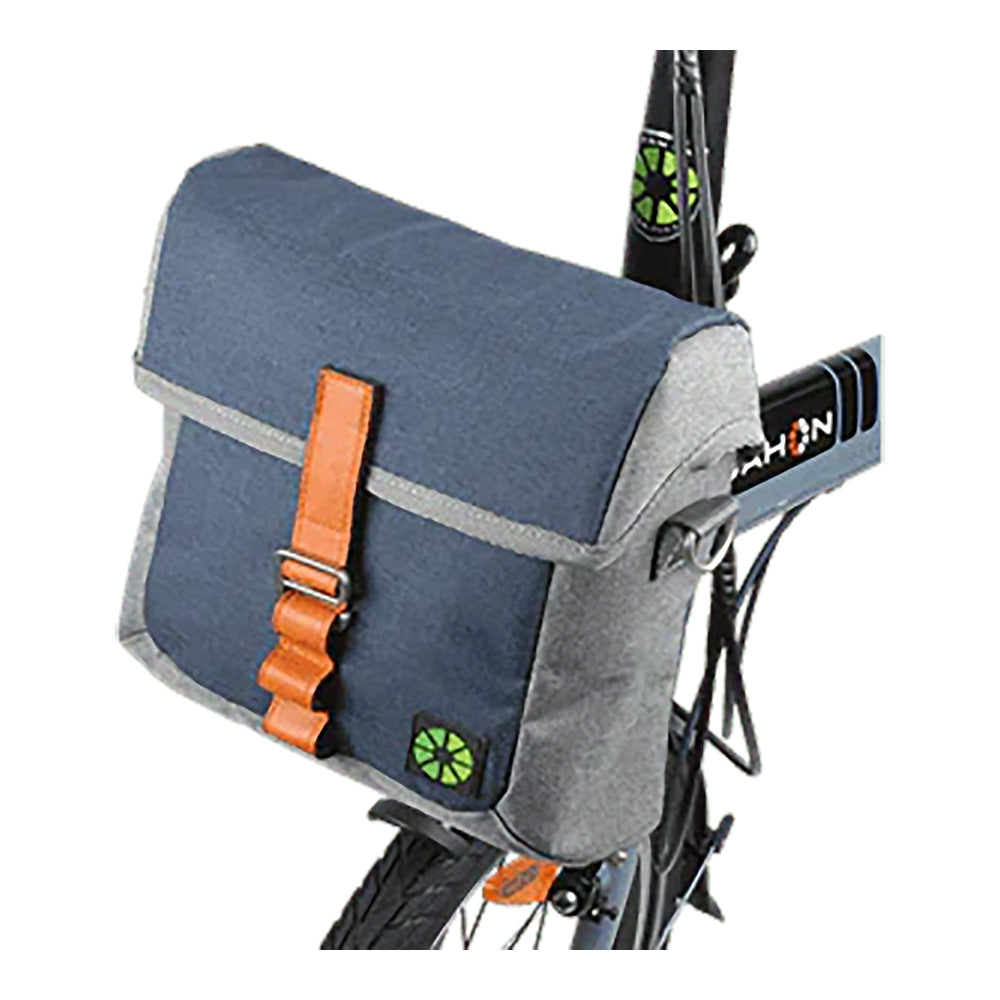
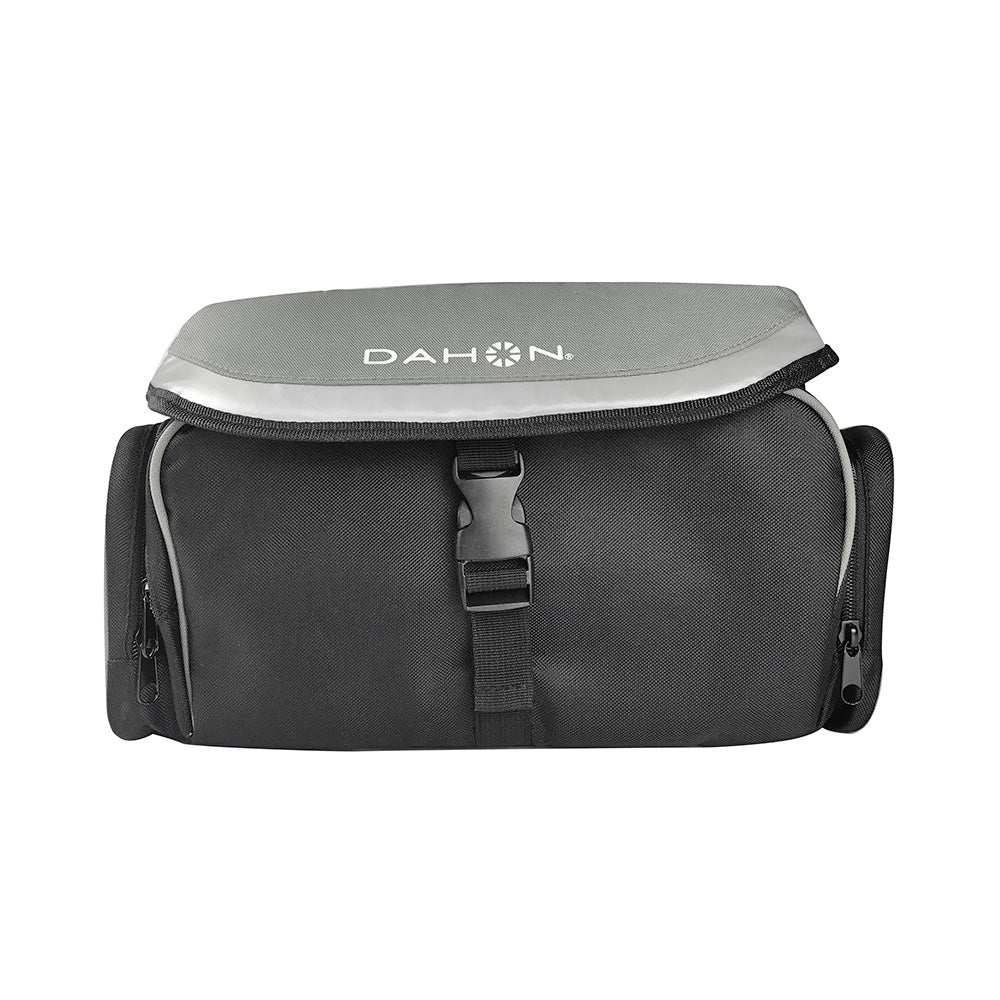
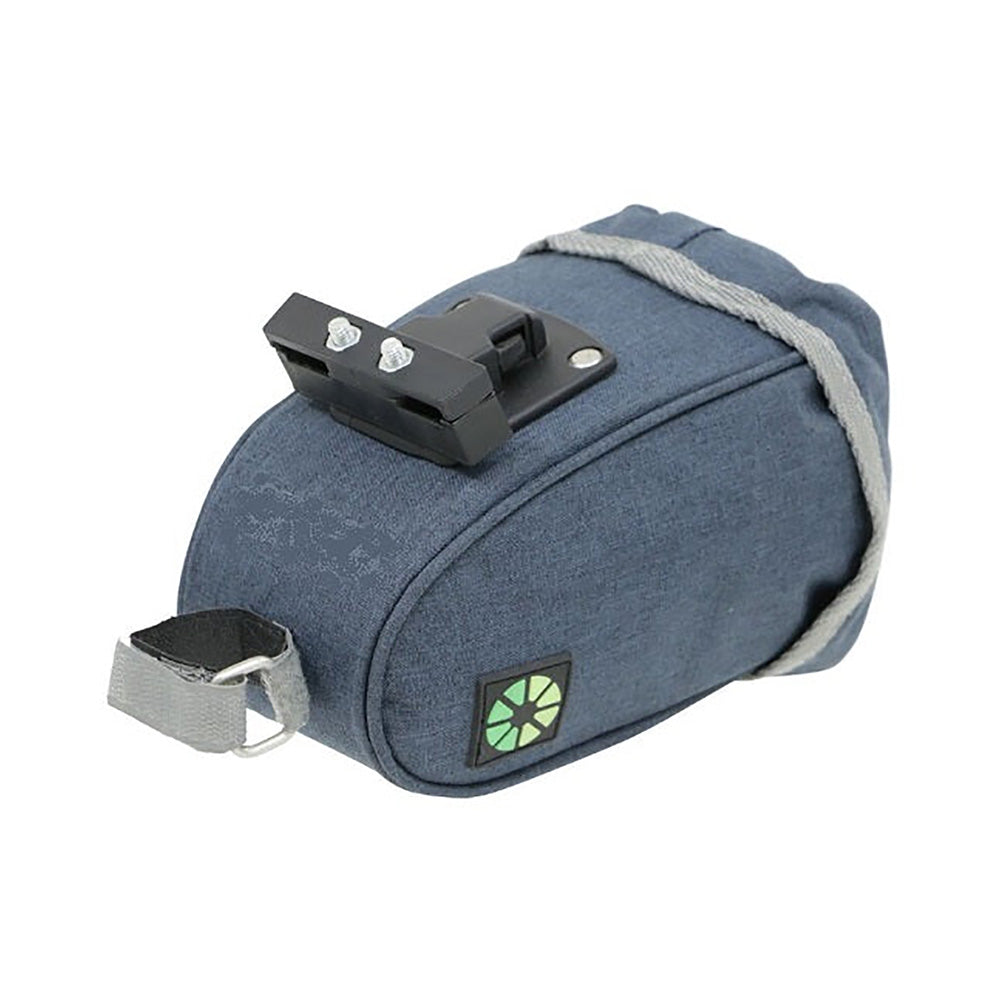
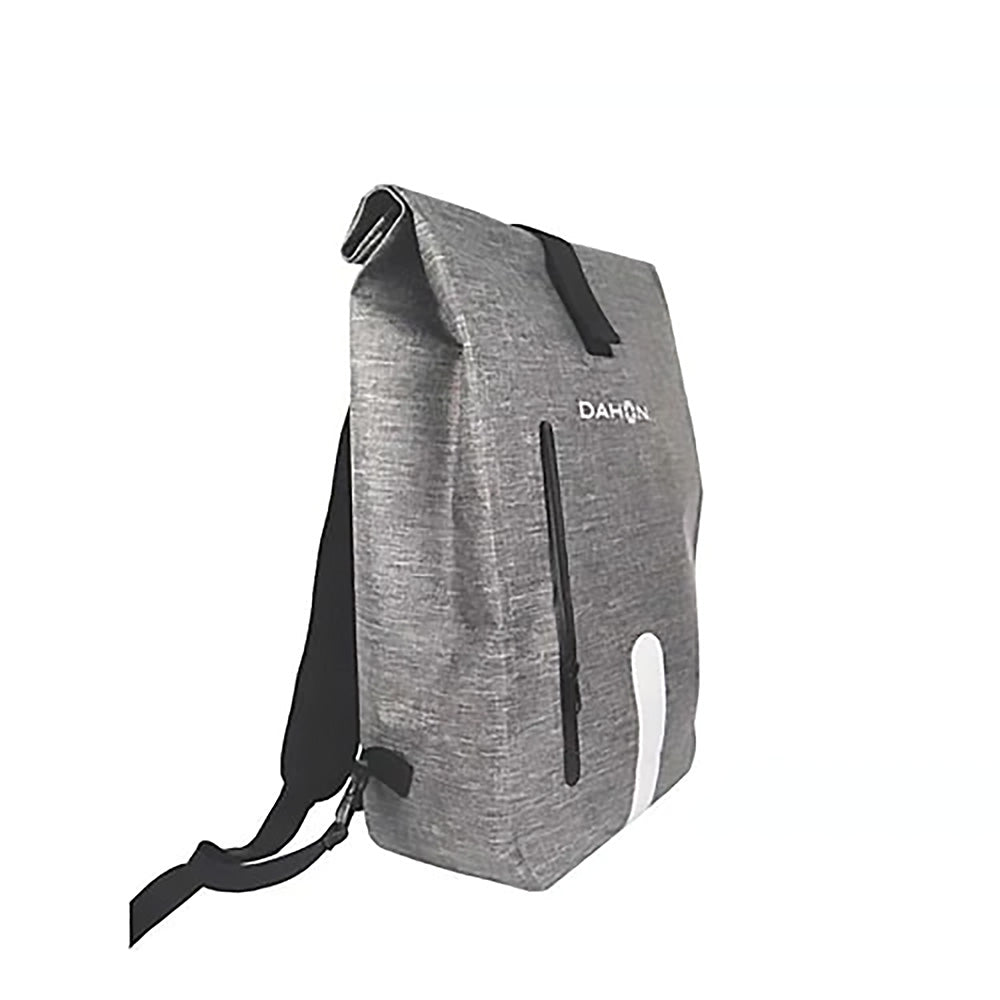
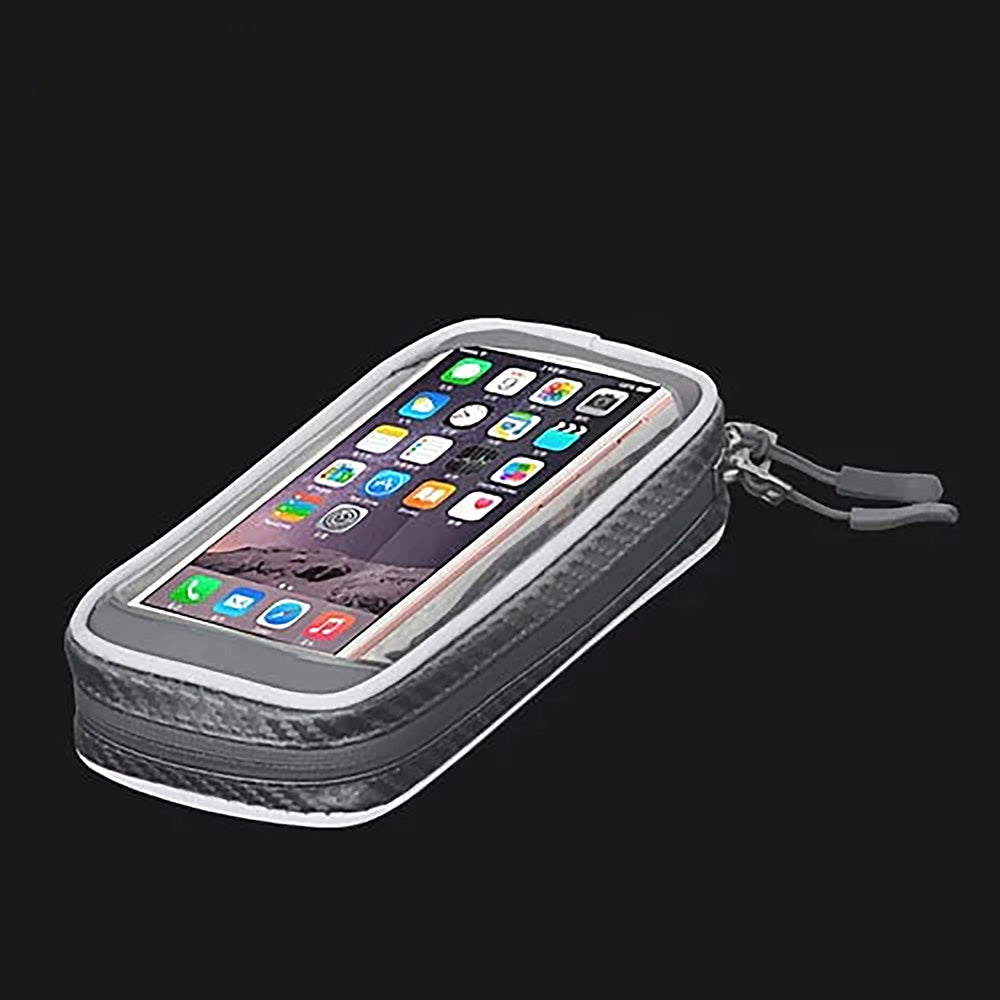
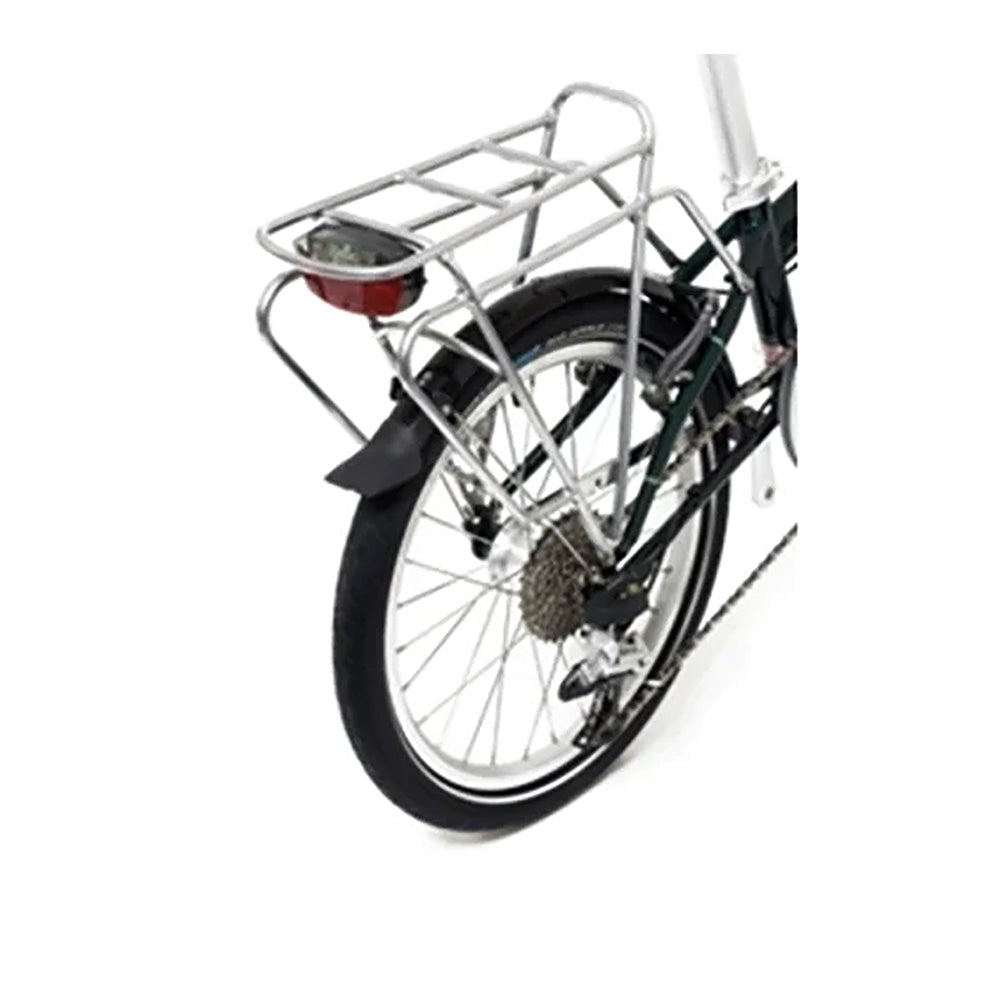
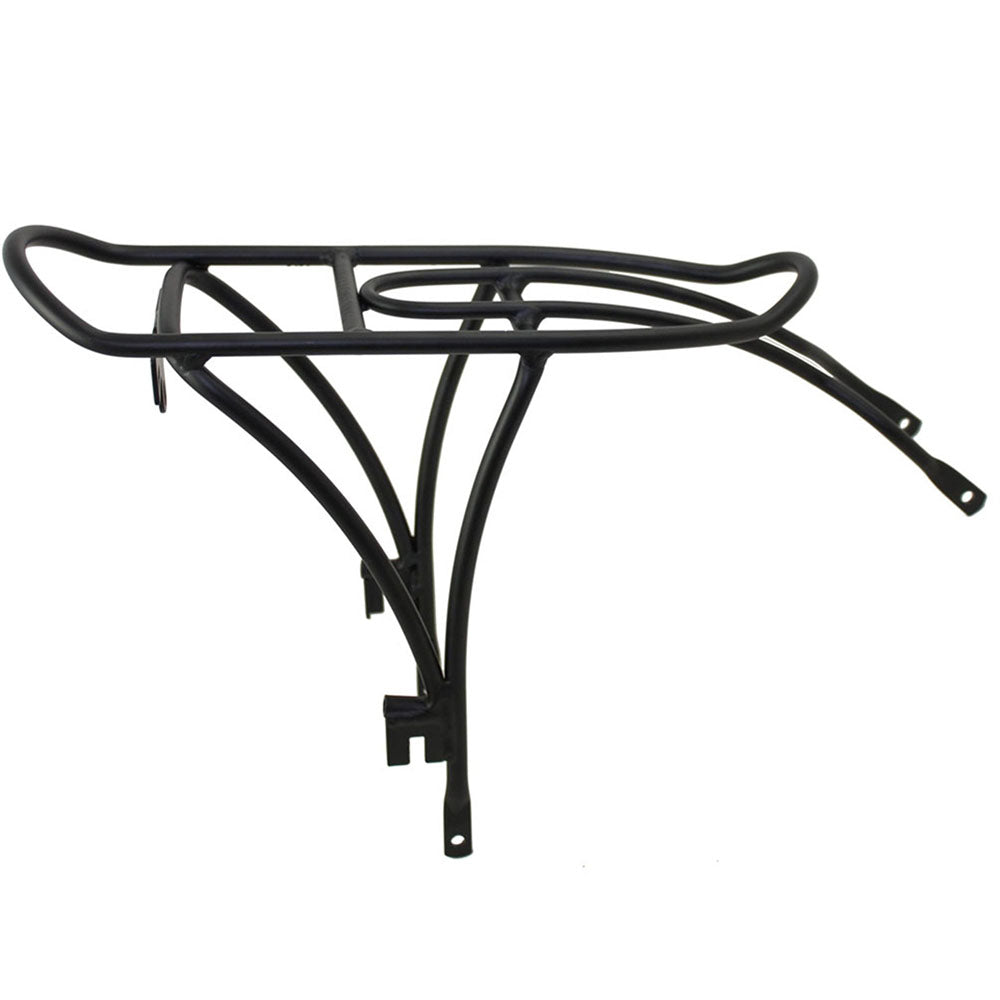
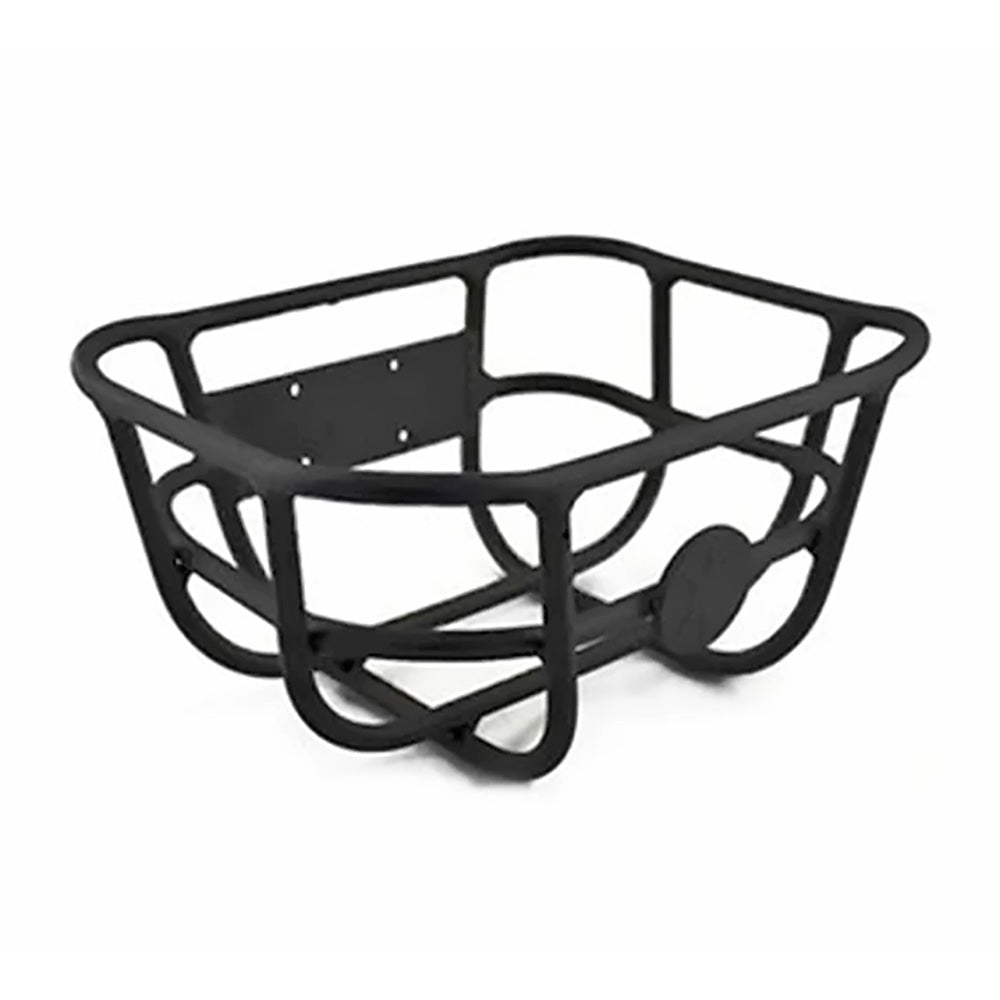
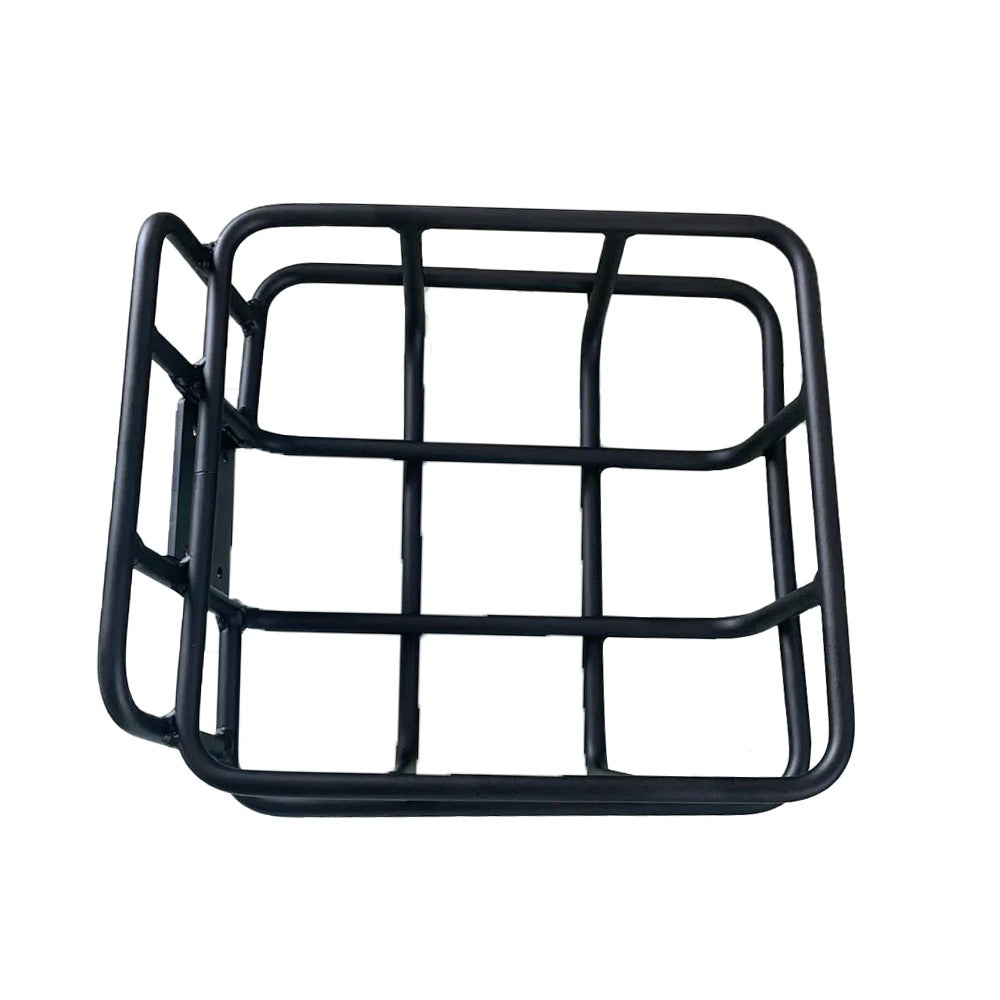
Yes, but check compatibility before buying. Some folding bikes have standard rack mounts; others need brand-specific solutions. Load distribution matters especially on folding frames. If you are planning a DAHON folding bike touring setup, DAHON offers rack and pannier accessories designed specifically for its bikes.
Q4: Which gear count is recommended for long-distance folding bike rides?
More gears mean more options, especially on hills. A minimum of 8 speeds is recommended for varied terrain; 11 speeds give you the best range to climb comfortably and cruise efficiently on flat roads. Riders who have toured on folders with limited gearing consistently identify this as the first thing they would upgrade, particularly for loaded climbing on longer routes.















Share:
Comfortable Bike for Seniors Over 60: Guide for Easy Riding
Comfortable Bike for Seniors Over 60: Guide for Easy Riding