

Quick Comparison: Regular Bikes vs. Folding Bikes
With gas prices rising and traffic getting worse, more people are looking for the best bike for commuting. But should you stick with a traditional, full-sized bicycle, or is it time to consider a folding bike? The answer depends on your daily routine, your storage space, and how you plan to ride.
If you have two so called “city bikes” in front of you, it helps to understand the fundamental differences between a regular bike and a folding bike. While both will get you from Point A to Point B, they do it in very different ways.
| Regular Bike | Folding Bike | |
|---|---|---|
| Pros |
|
|
| Cons |
|
|
Size and Storage: A regular bike has a fixed frame and large wheels (usually 26 inches to 29 inches). It requires a bike rack, garage, or a large wall mount for storage. A folding bike, with smaller wheel size ( typically from 16” to 20” ), however, collapses down to the size of a large suitcase in seconds, allowing it to fit under a desk, in a closet, or in a car trunk.
Portability: You generally cannot take a regular bike on a bus or a train during rush hour. A folding bike is designed for "multi-modal" commuting—meaning you can ride to the station, fold the bike up, hop on the train, and then unfold it to ride the last mile to work.
Ride Feel: Regular bikes offer a familiar, stable ride with large wheels that roll easily over big potholes. Modern folding bikes have engineered geometries that mimic this feel, but their smaller wheels offer faster acceleration and sharper maneuverability in tight city streets.
Theft Risk: Regular bikes must often be locked outside, making them targets for theft. Folding bikes can be brought inside with you, virtually eliminating the risk of having your bike stolen.

The Pros and Cons of Folding Bikes
Folding technology has come a long way since the early days. Today, they are high-performance machines. However, they aren't for everyone. Here is an honest look at the good and the bad.
The Pros
1. Ultimate Portability
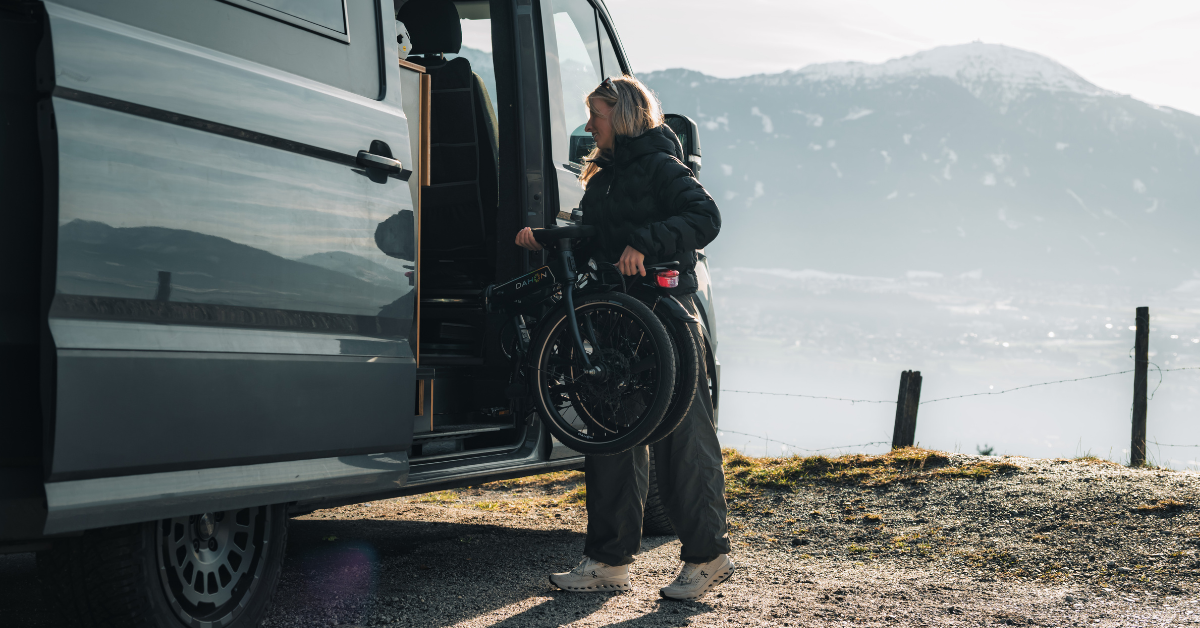
If you need to mix cycling with public transit, a folding commuter bike is by far the easiest option. There are no rush-hour blackouts, no hunting for bike racks, no permit headaches. Also, you don’t need a bike rack on your car; you can simply toss the bike in the trunk. This makes it perfect for road trips or camping.
2. Theft Protection
In many major US cities, bike theft is a serious issue. High-quality locks can be cut. The safest place for a bike is indoors. Because a folding bike compacts so small, you can bring it into your office, your apartment, or a coffee shop without annoying the staff.
3. Acceleration
Smaller wheels require less energy to get moving. In a city environment where you are constantly stopping and starting at traffic lights, a folding bike often feels zippier and quicker off the line than a heavy city bike.
4. Adjustability
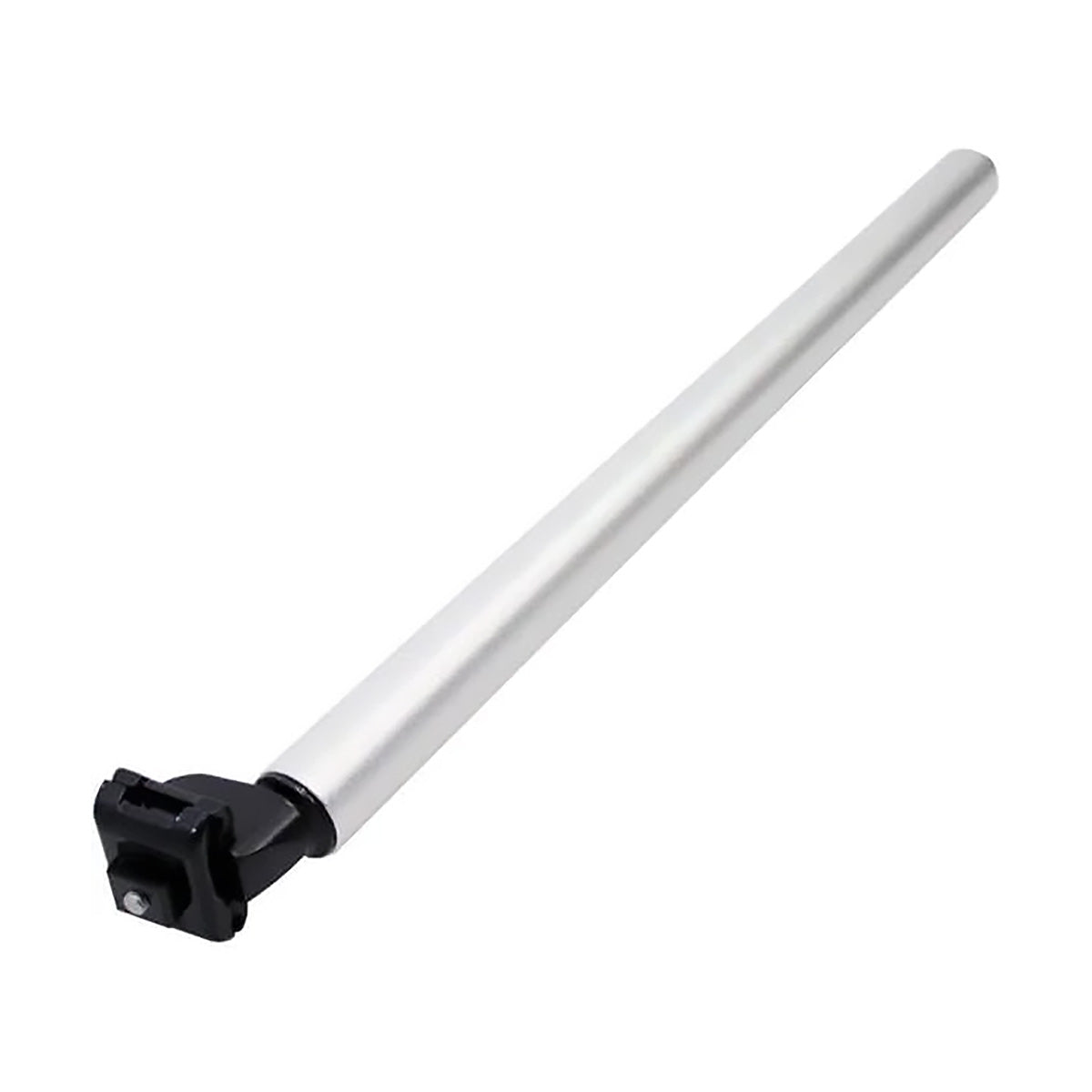
Most folding bikes have very long seat posts and adjustable handle stems. This means one bike can easily be adjusted to fit different family members, from a teenager to a tall adult.
The Cons
1. Road Vibration
Smaller wheels can feel bumps more than large wheels. While high-quality tires and suspension systems (found on some models) help, you might feel the cracks in the pavement more than you would on a mountain bike.
2. Perception
Some riders simply prefer the classic look of a diamond-frame bicycle. It takes a moment to get used to the look and feel of a smaller bike.
The Pros and Cons of Regular Bikes
The traditional bicycle has been around for over a century for a reason. It is a reliable tool for many, but it has limitations in a modern urban environment.
The Pros
1. Rolling Momentum
Once you get a big-wheeled bike up to speed, it maintains that speed well. The larger wheels have an easier time rolling over significant obstacles like curbs or deep potholes.
2. Standard Parts
If you break a spoke or need a new tube in the middle of nowhere, any bike shop in the country will have parts for a standard 26-inch or 700c wheel.
3. Familiarity
Most people learned to ride on a regular bike. The handling is predictable and stable, which can be comforting for new riders who are nervous about balancing.
The Cons
1. Storage Nightmares
If you live in a city apartment, finding space for a full-sized bike is difficult. It often ends up blocking a hallway or dirtying the wall.
2. Travel Limitations
Want to take your bike on a weekend trip? You will need to buy and install a bike rack for your car. Want to take an Uber home because it started raining? You can’t do that with a full-sized bike.
3. The "Last Mile" Problem
Regular bikes are great for the whole journey, but bad for part of a journey. They don't integrate well with subways, buses, or trains, limiting how far you can realistically commute.

Which Bike Fits Your Lifestyle?
To choose the best bike for commuting, you need to look at your specific situation. Here are four common scenarios to help you decide.
1. The Apartment Dweller
You live in a walk-up apartment or a condo with limited square footage. You don't have a garage.
Verdict: Folding Bike.
You can store it in a closet or under your bed. You won't have to leave it locked on the street overnight where it might get stripped for parts.
2. The Mixed-Commuter
Your office is 15 miles away. That is too far to ride comfortably in a suit, but the train station is 2 miles from your house, and your office is 1 mile from the downtown station.
Verdict: Folding Bike.
This is the classic "first mile/last mile" solution. You ride to the train, fold the bike, ride the train, unfold, and ride to work. It saves time and money on parking.
3. The Long-Distance Suburban Rider
You have a garage, you work close to home, or you have a secure bike room at work. Your ride involves long stretches of open road without many stops.
Verdict: Regular Urban Bike.
If storage and portability aren't issues, the momentum of large wheels on open roads is a nice benefit. For those in the city, urban models are often the preferred choice.
4. The RV and Boat Owner
You love to travel on weekends. You have an RV, a boat, or a small car and want a bike to explore your destination.
Verdict: Folding Bike.
You can easily fit two folding bikes in the storage compartment of an RV or the hold of a boat. No rust from external racks, and you have instant transportation wherever you dock or park.
How to Care for and Maintain City Bikes
Whether you choose a folding bike or a standard urban bike, maintenance is key to safety and longevity. City riding can be tough on gear due to grime and potholes.
- Keep Tires Inflated: This is the number one rule. Properly inflated tires prevent "pinch flats" and make pedaling much easier. Check your pressure once a week.
- Lubricate the Chain: A dry, rusty chain will ruin your gears. Apply a bicycle-specific lubricant once a month (or after rain) and wipe off the excess.
- Check the Brakes: City riding involves a lot of stopping. Ensure your brake pads are not worn down and that the levers don't pull all the way to the handlebar.
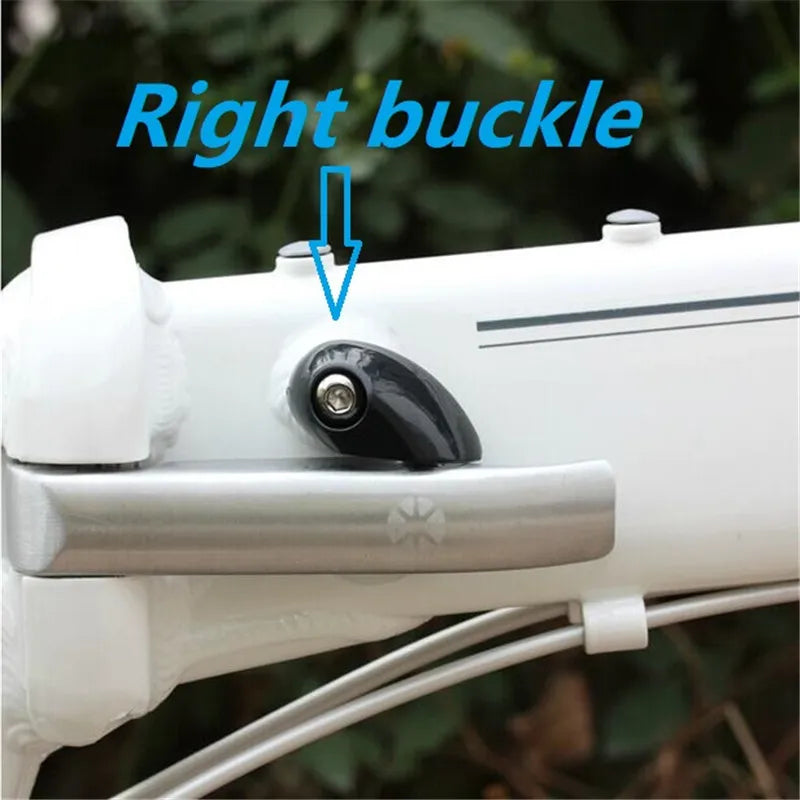
- The Hinge Check (For Folders): If you ride a folding bike, occasionally check the main frame hinge and handlepost hinge. They should be tight and secure. If they feel loose, a simple adjustment is usually all that is needed to make the frame feel stiff and solid again.
The Best Bike is the One You Ride
The best urban bike is the one that removes barriers to riding. If a bike is too heavy to carry down your stairs, or you are too afraid to leave it locked outside, you won't ride it. Folding bikes offer a unique sense of freedom because they fit seamlessly into your life, rather than forcing you to arrange your life around them.
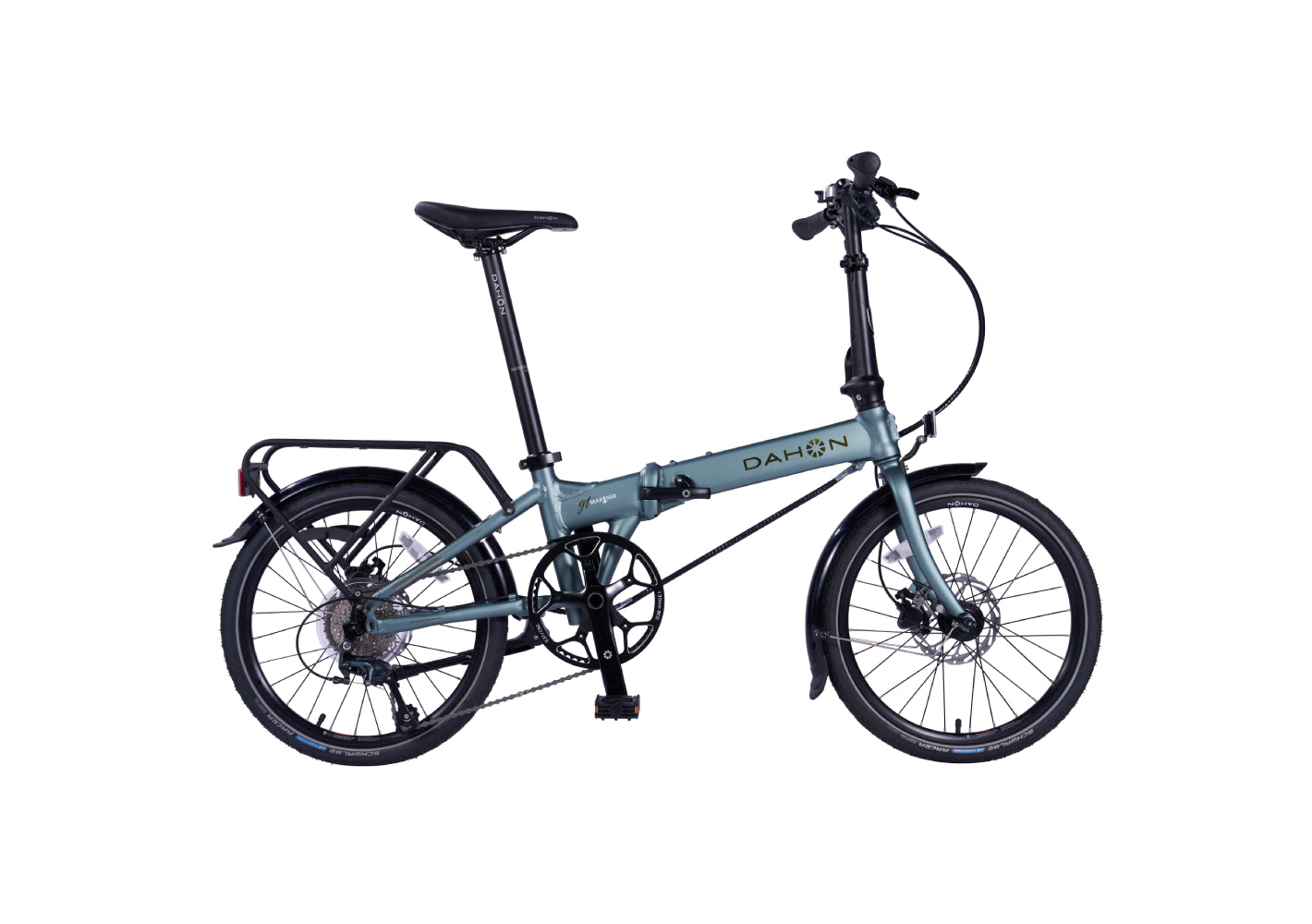
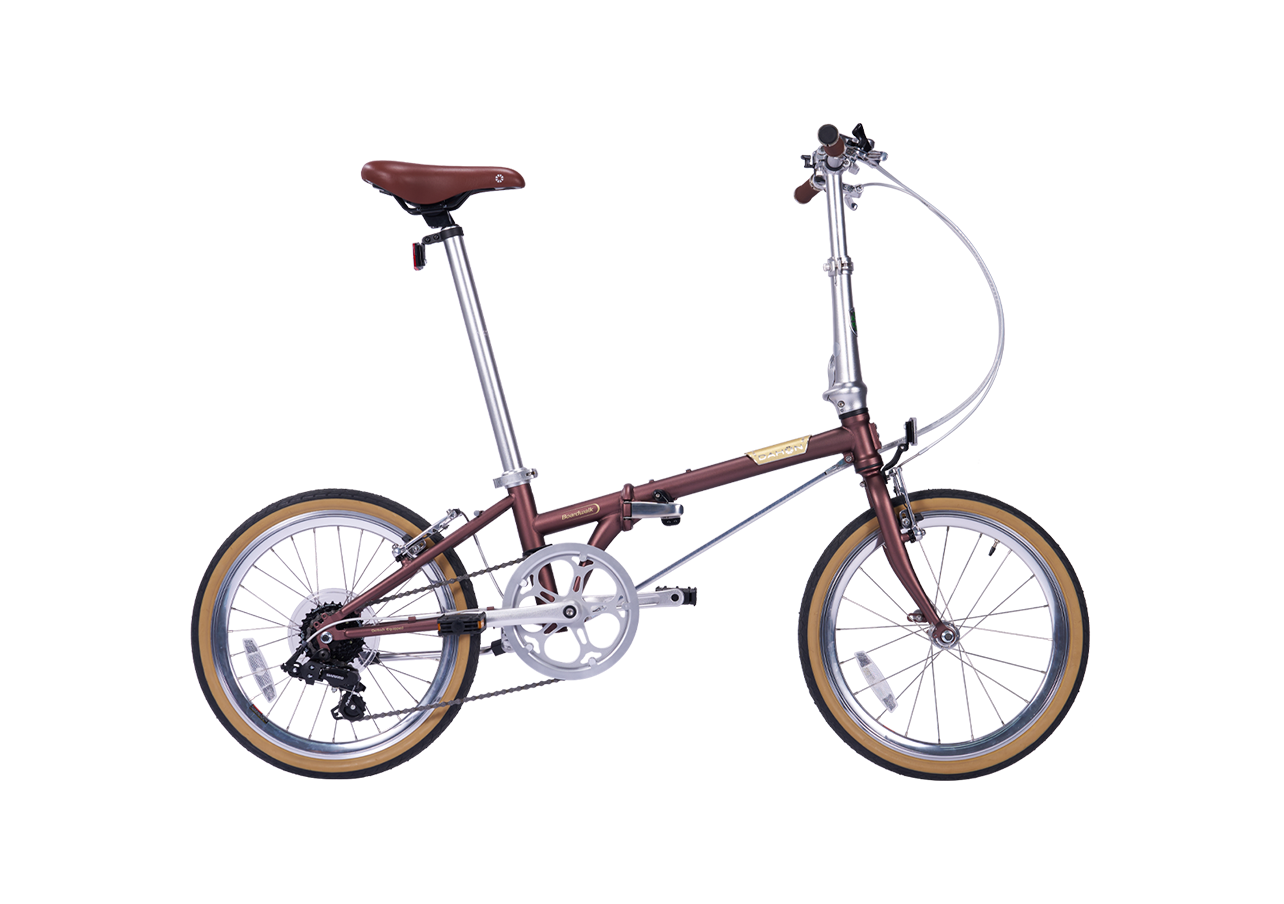
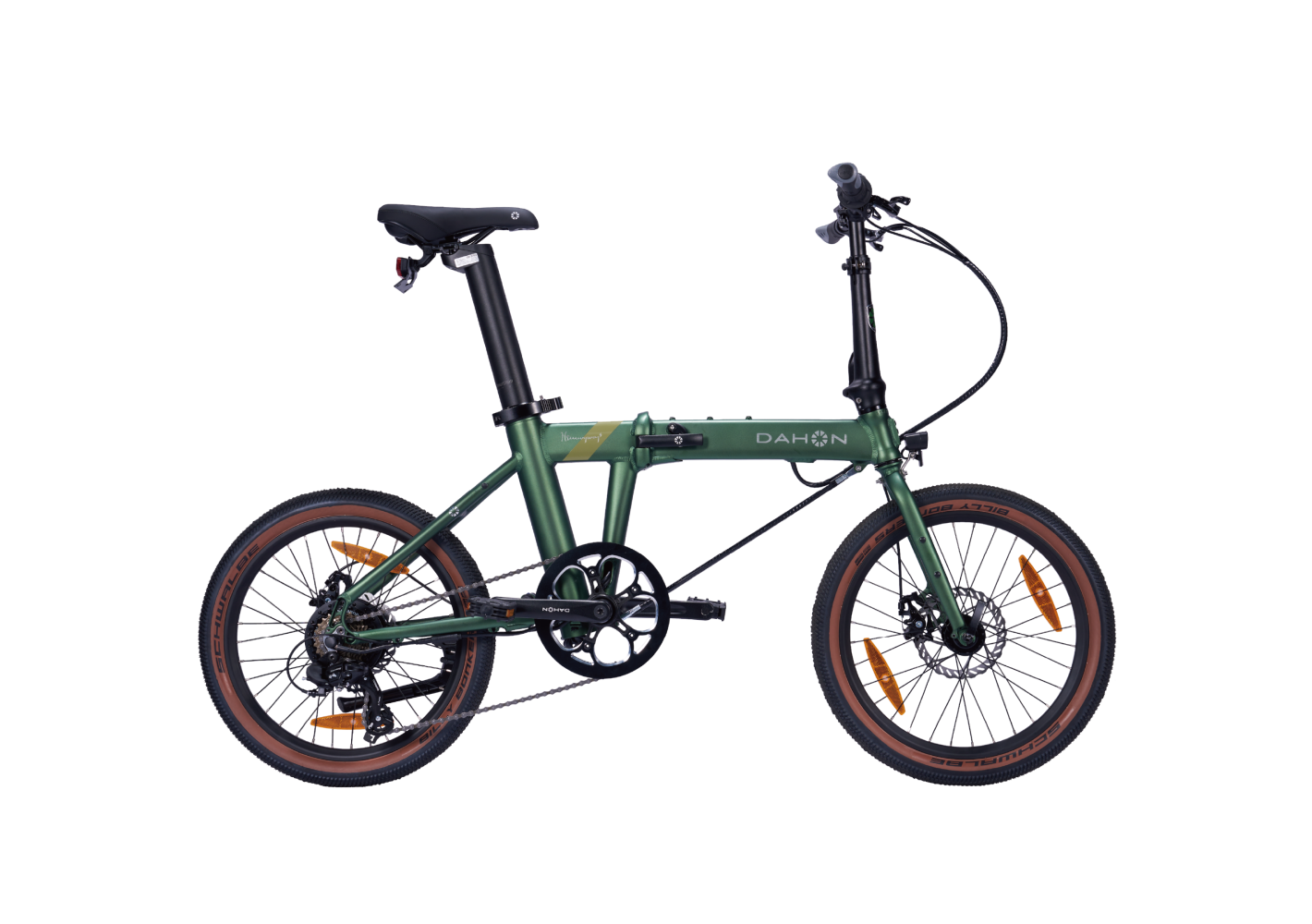
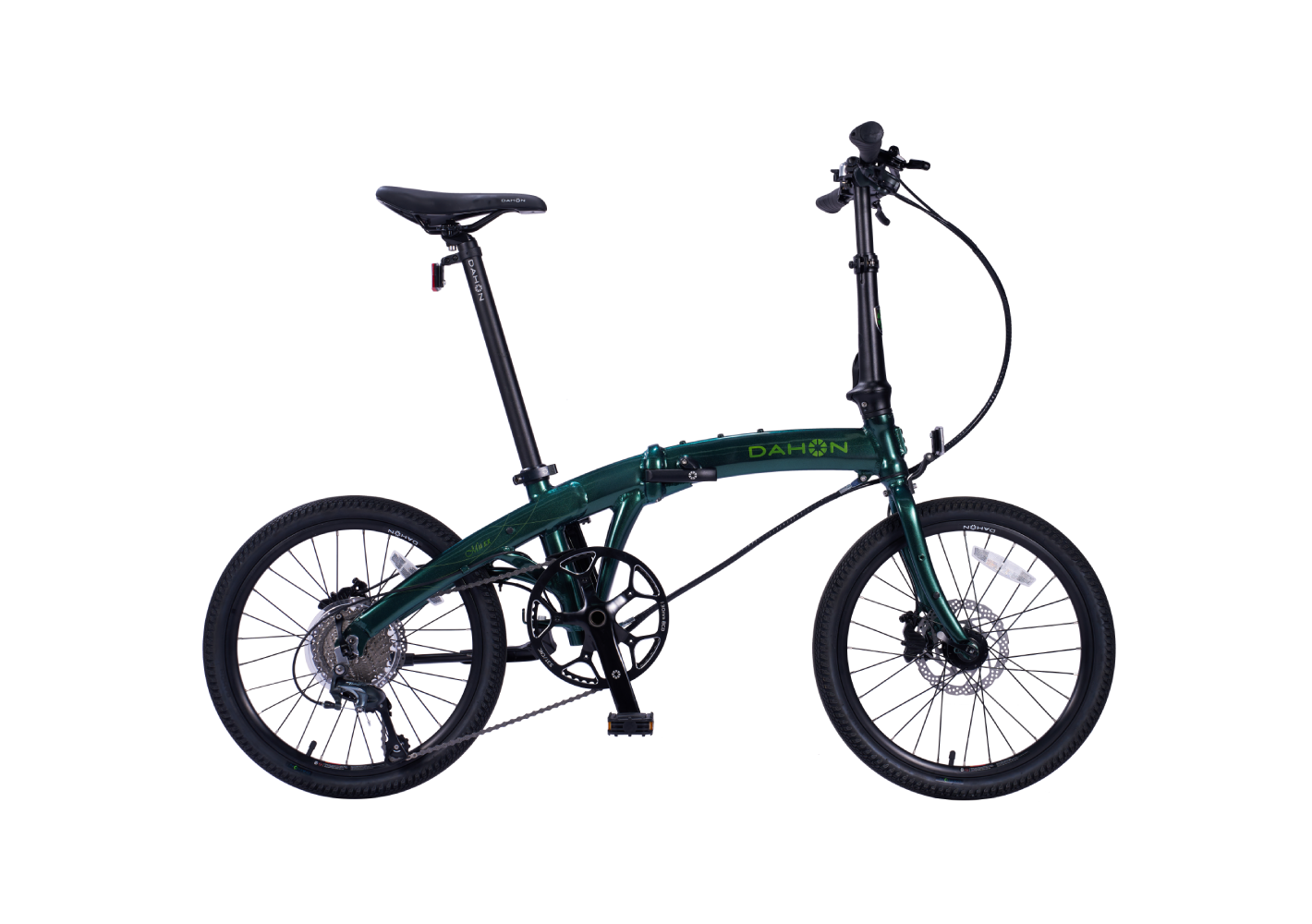
If you are looking for a bike that offers this blend of performance and convenience, DAHON has been leading the industry for over 40 years. Models like the Mariner D8 have become legendary for their reliability and ride quality, offering a rust-resistant, lightweight solution that feels just like a full-sized bike but folds in seconds.
Ready to transform your commute? Explore the DAHON lineup today and find the perfect match for your journey.
FAQs
Q1. Are folding bikes slower than regular bikes?
Not necessarily. While they have smaller wheels, they use higher gear ratios to compensate. This means one rotation of the pedals on a folding bike moves you the same distance as one rotation on a big bike. They are often faster off the line at traffic lights.
Q2. Are folding bikes hard to fold?
Modern folding bikes are designed for speed. With a little practice, you can fold or unfold most DAHON models in 10 to 15 seconds.
Q3. Can a folding bike handle a heavy rider?
Yes. Most quality folding bikes are built with strong aluminum or steel frames designed to carry riders up to 230 lbs (and some specialized models can carry even more). Always check the specifications of the specific model.
Q4. Are folding bikes good for long distances?
While they are designed for city commuting (usually 5-10 miles one way), many enthusiasts ride them on long tours of 50 miles or more. If the bike fits you well, you can ride it as long as you like.











Share:
Can You Take Your Bike on Public Transit? Bike Commute Guide 2026
2026 Complete Folding Bike Guide for Commuters