

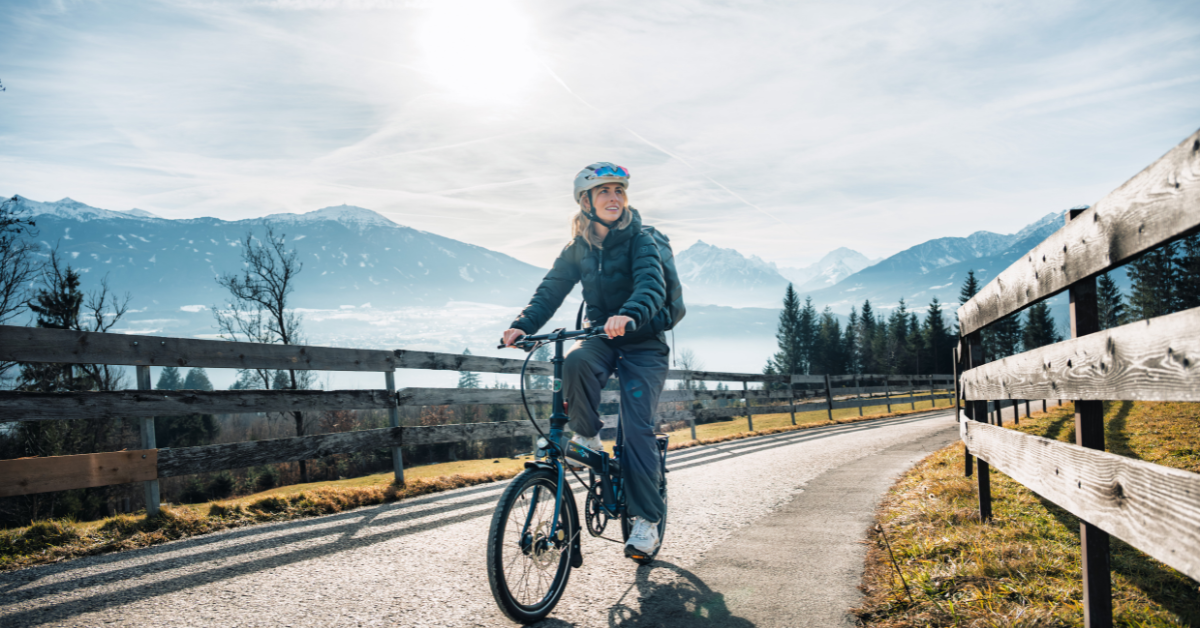
Traffic, crowded trains, and rising costs may push you to look for a bike for daily travel. A good commuter bike should make your commute smoother, and life easier. The sections below move from your daily route to bike types, to fit, budget, and care, so you can filter folding bike options and find one that fits your lifestyle best.

Why a Commuter Bike Can Fix Your Daily Grind
Sitting in traffic or standing on a packed train can drain your energy before the day even starts.
A commuter bike gives you predictable travel time, low running costs, and light daily exercise.
For many riders, a 3–6 mile one‑way ride takes about the same time as driving in city congestion, yet feels calmer and more under control. Over a year of weekday commuting, you can easily build up more than 200 active commuting days and burn thousands of calories without going to a gym.
Short car trips are also some of the least fuel‑efficient and most polluting. If you replace even a few of those trips with a bike or commuter e‑bike, you cut emissions and ease parking stress. Folding and electric commuter bikes make this realistic even when you live in a small apartment and mix driving, trains, and walking in the same week.
Faster Starts in City Traffic
Folding bikes with 16–20 inch wheels spin up quickly from each stop. With gearing set up for commuting, you keep cruising speeds that feel similar to larger‑wheeled bikes on typical urban distances.
If stairs, elevators, narrow corridors, or shared indoor spaces are part of your daily life, a folding commuter bike can remove several obstacles at once.
Analyze Your Commute Before Choosing a Bike
Your daily route is the starting point for every smart decision.
Look at the following four things:
Distance
- Under 5 miles round trip: almost any bike can work.
- 5–15 miles round trip: comfort and efficiency matter much more for you.
Flat road or climbs
- Mostly flat: a folding bike is usually enough.
- Regular climbs or strong headwinds: extra gears or an electric bike for commuting help you a lot.
Traffic Pattern
- Stop‑and‑go city streets reward quick acceleration and strong brakes.
- Longer, uninterrupted paths reward a steady riding position and efficient tires.
Storage and Access
- Carrying a bike up stairs, into elevators, or through narrow hallways pushes you toward lighter, smaller options.
Bringing a bike onto trains or buses usually pushes you toward folding designs that are treated as luggage.
Which Type of Commuter Bike Fits Your Route? (Hybrid, City, Folding, E‑Bike)
With your route in mind, bike families line up more clearly and you can see where you fit.
City / Hybrid Bikes
Flat bars, mid‑width tires, and an upright position. This suits you if you have secure parking at both ends and almost never carry the bike inside.
Road‑Style Commuters
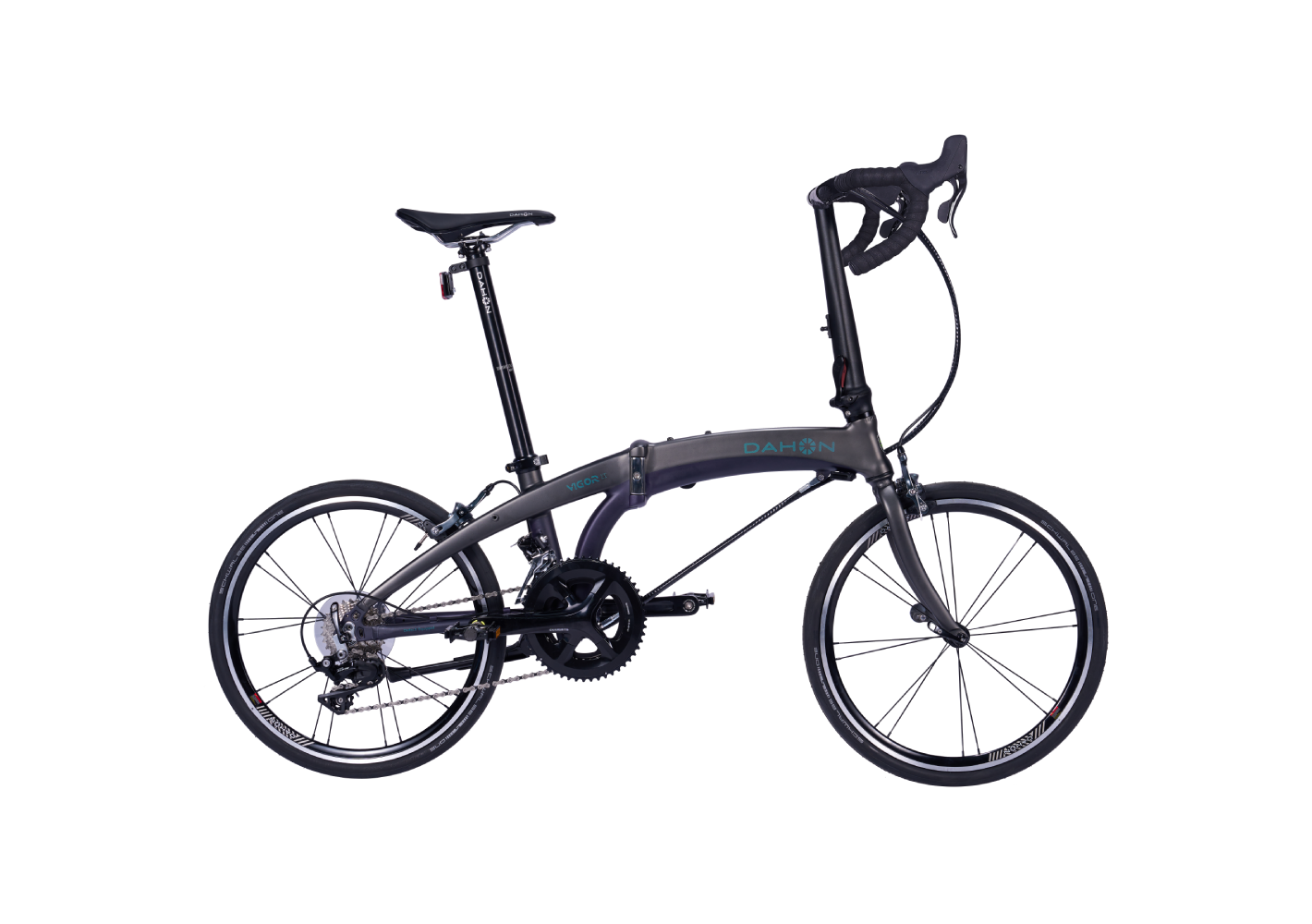
Lower, faster riding position. This works if you ride longer, mostly open routes and like a sportier feel, and you are comfortable in a slightly more aggressive posture.
Folding Bikes
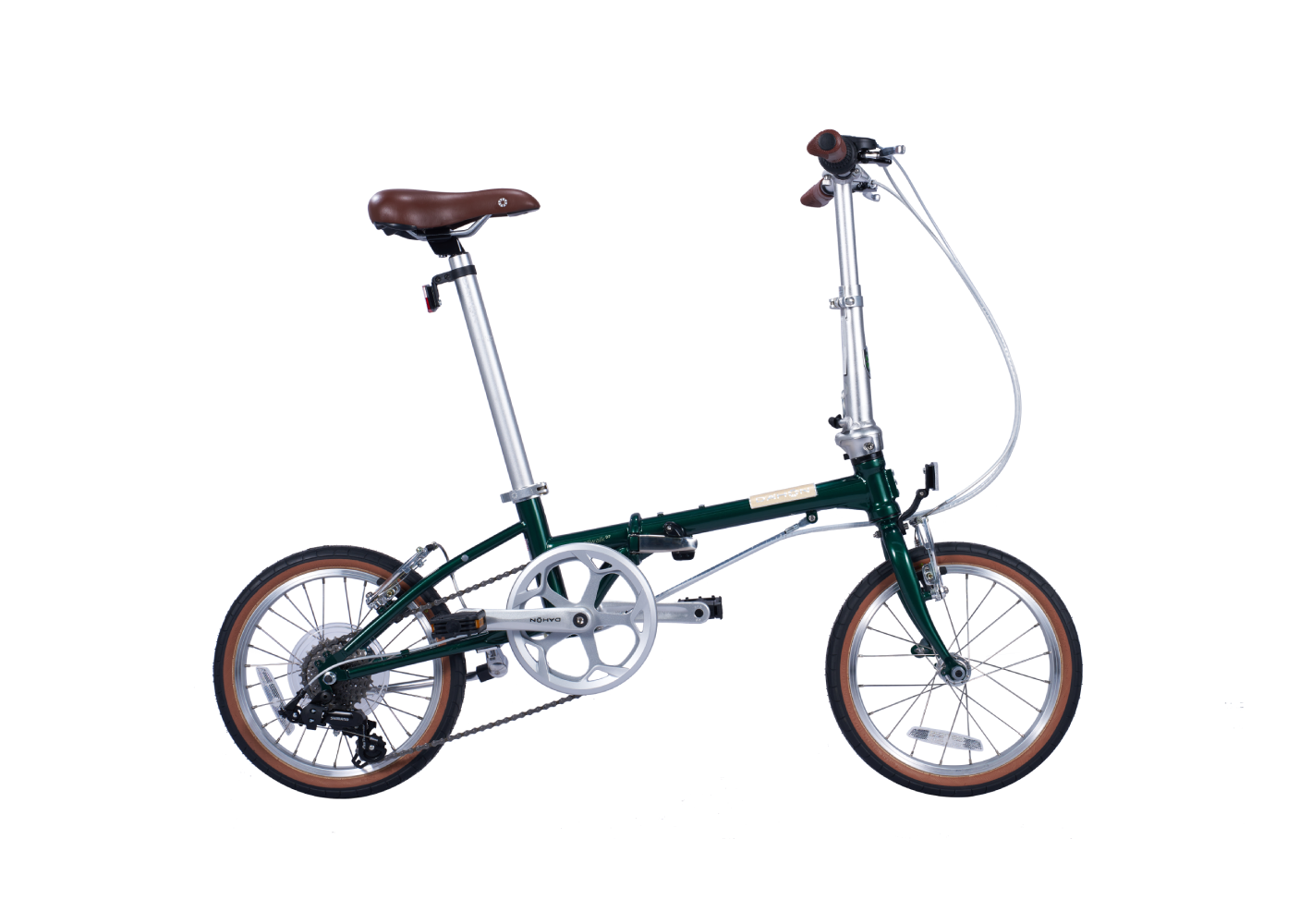
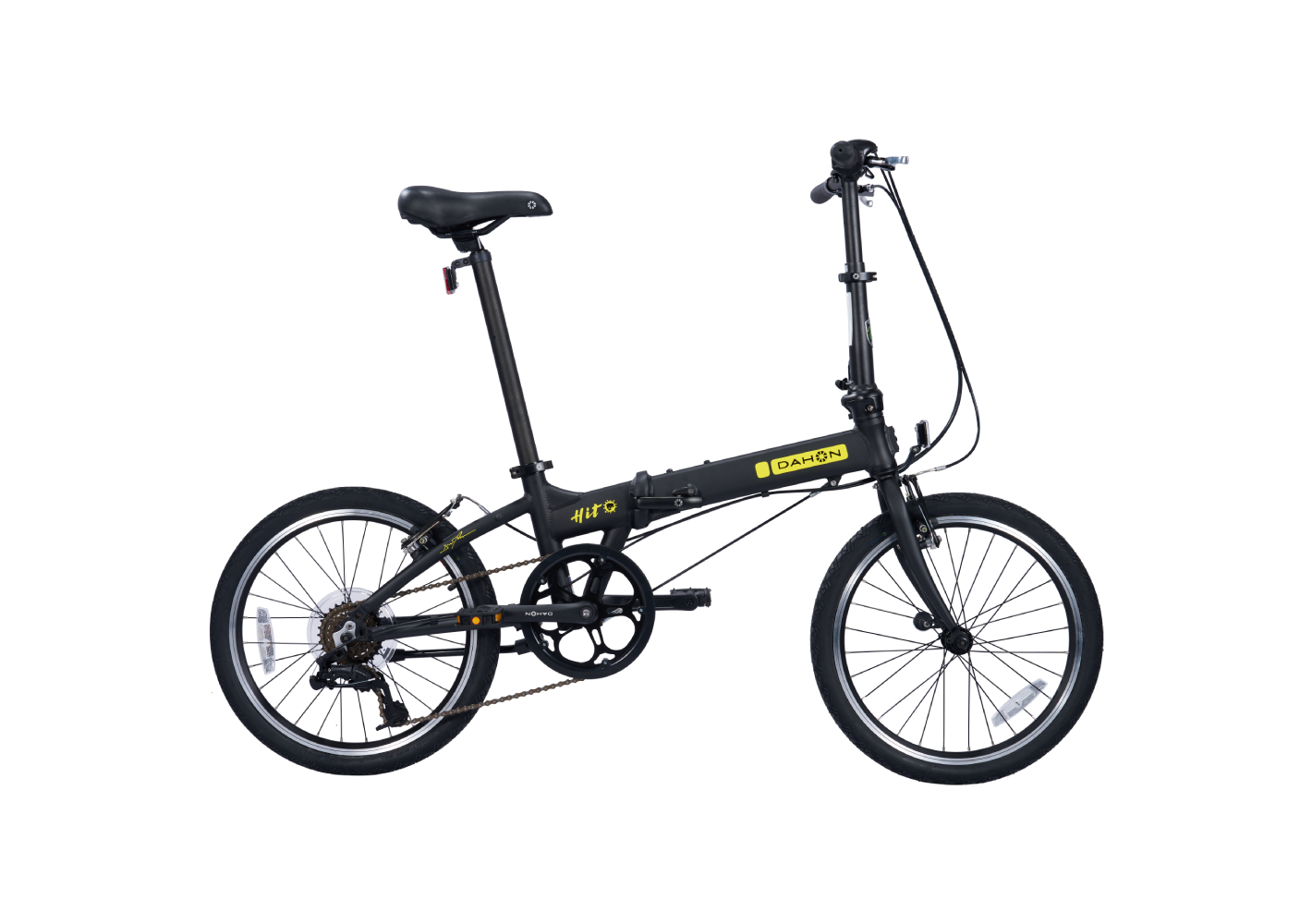
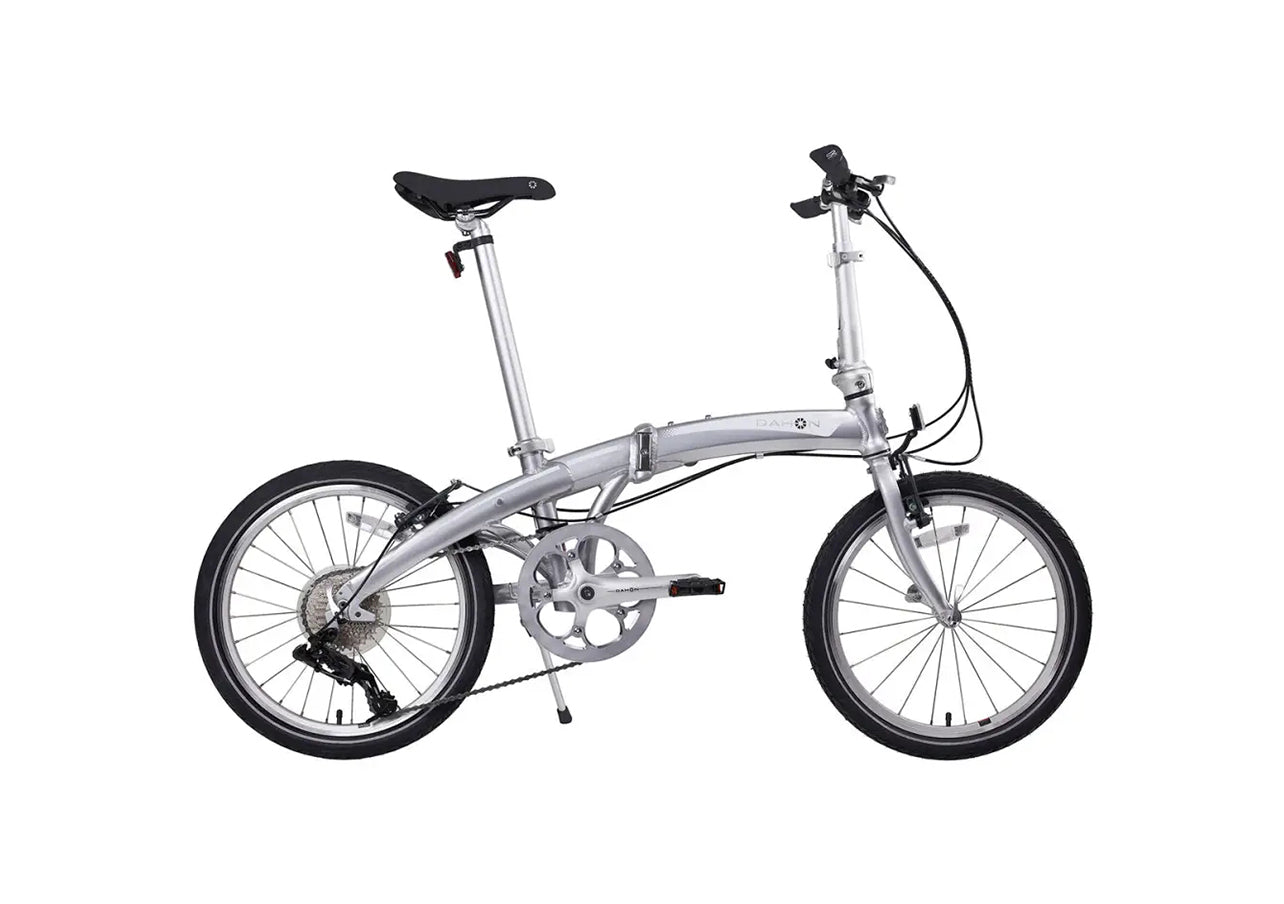
Small wheels and a frame that folds down in seconds. This fits you when you live in a small space, use elevators or stairs daily, or combine cycling with trains and cars.
Commuter E‑Bikes
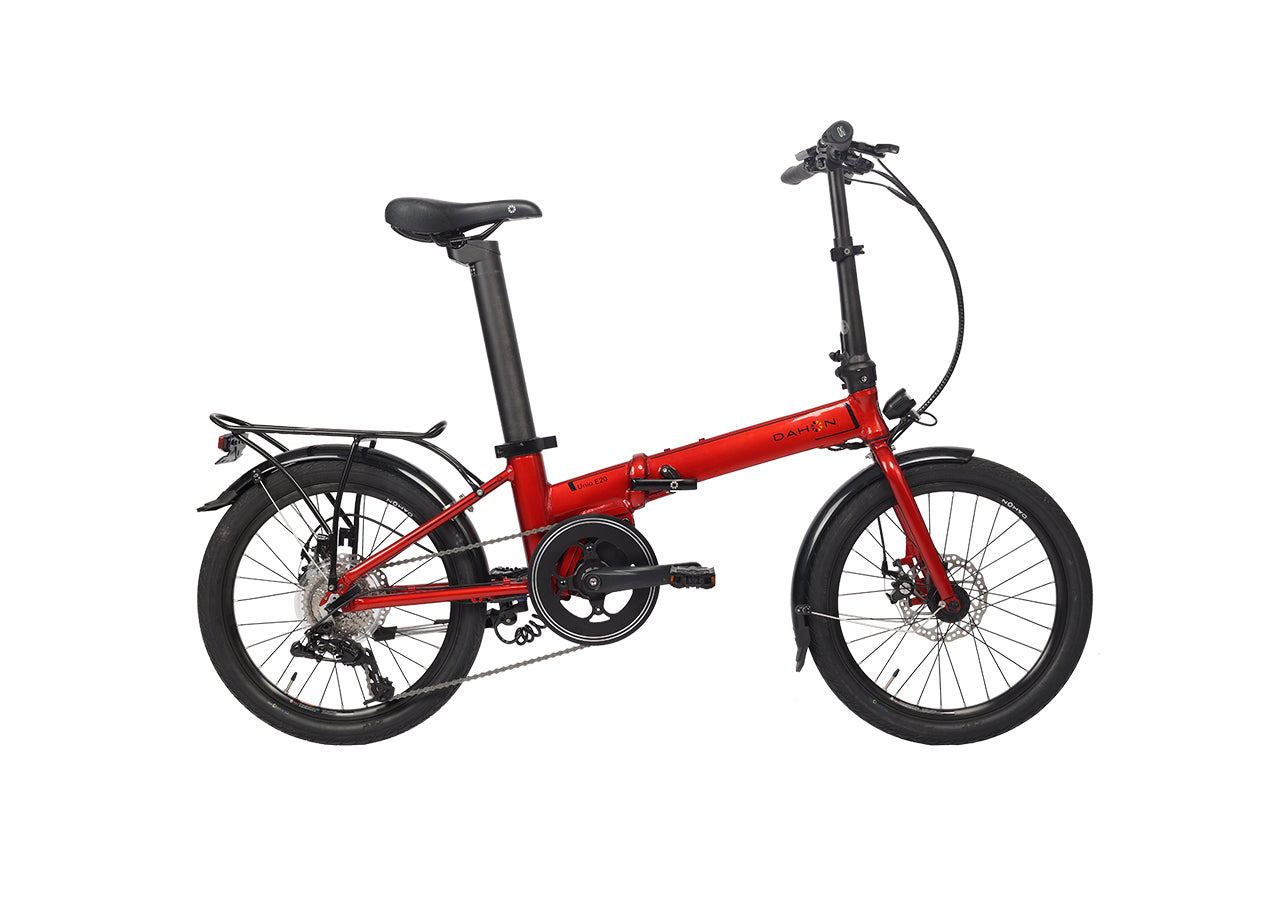
Motor and battery support each pedal stroke. This is helpful if you face hills, ride longer distances, or want to arrive in regular clothes without needing a shower.
Quick Overview: Which Bike Type Fits You?
| Your situation | Best bike family | Why it works for you |
|---|---|---|
| Short, flat rides with secure parking | City / hybrid bike | Simple, comfortable, and easy for you to maintain. |
| Longer, mostly open roads | Road‑style commuter | Efficient position and tires for your steady cruising. |
| Small apartment, stairs, or transit use | Folding bike | Folds small, easy for you to carry and store indoors. |
| Hilly routes or 7+ mile one‑way rides | Commuter e‑bike | Motor support keeps your effort low and speeds consistent. |
| Mix of driving, train, and riding | Folding or folding e‑bike | Solves your “last mile” and cuts parking headaches. |
You can use this table to further narrow your choices to a few suitable families before you think about specific models.
Why Choose Folding Commuter Bikes in Busy Cities
If you deal with tight spaces or shared areas, folding designs directly address your storage and theft concerns.
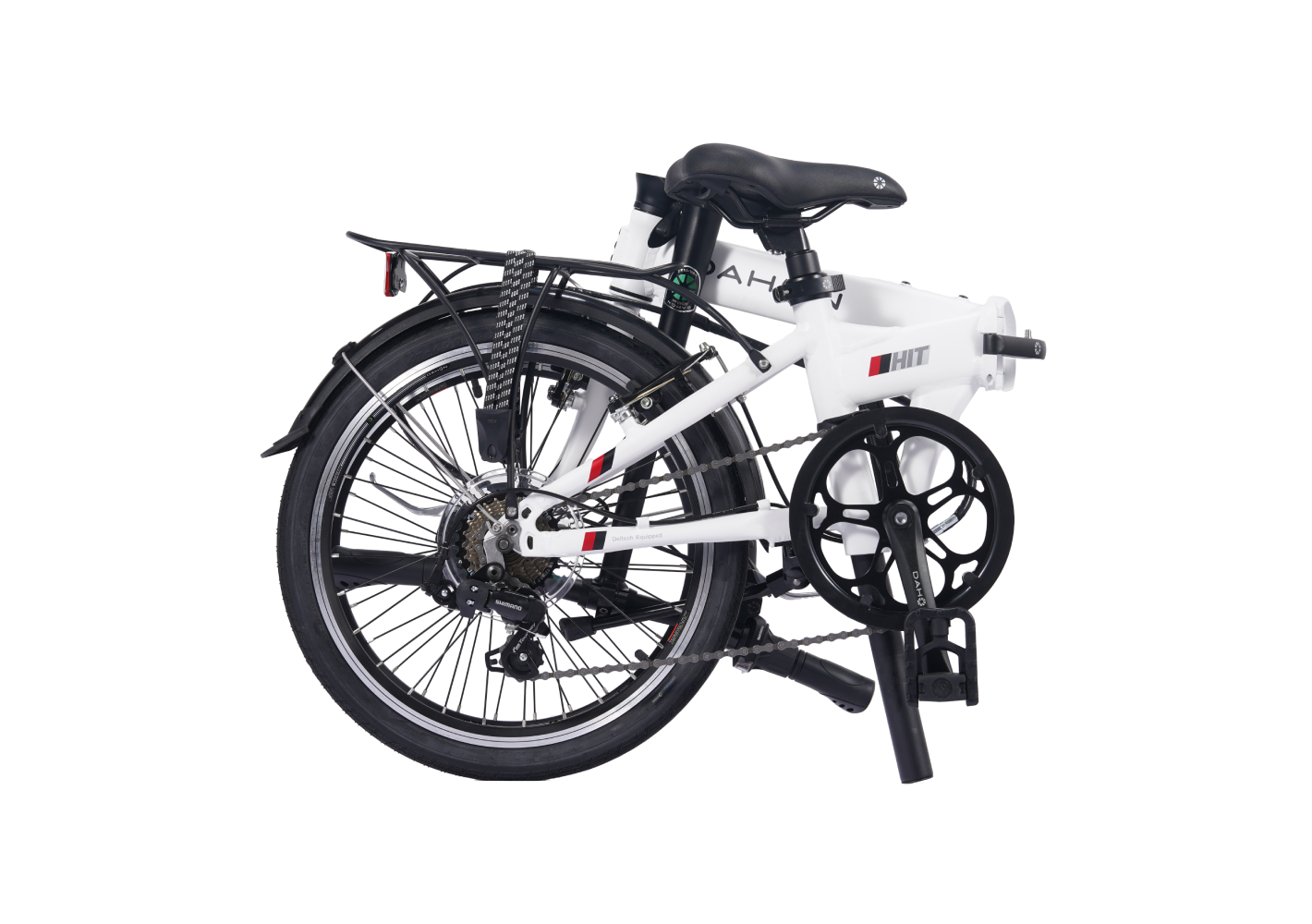
A compact frame that folds into a rectangle small enough to slide under your desk or fit in your car trunk reshapes your daily logistics. Many popular folders reduce to around 33 x 15 x 27 in, close to carry‑on luggage size, so you can tuck them into a closet or hallway instead of blocking a room.
Benefits that affect you every day:
Multi‑Stage Trips
You can ride to a station, fold in seconds, board a train or bus, then ride the final stretch at the other end. This gives you flexible routes that a full‑size bike often cannot use during busy hours.
Indoor Storage and Lower Theft Risk
You can keep a folded bike inside your office, train, or apartment more easily. Bringing it indoors cuts exposure to theft and bad weather.
Storage, theft risk, and flexibility often decide your real commute more than top speed. If you care about keeping the bike near you and adapting to different days, a foldable bike or folding urban e‑bike may give you more value than a full‑size frame.
When an Electric Commuter Bike Makes More Sense
Some routes and schedules push a regular bike close to your limit. At that point, motor assistance starts to feel like a tool, not a luxury.
Signs that an electric commuter suits you:
- Your one‑way distance is above about 5–7 miles.
- You climb several noticeable hills or face strong headwinds most days.
- You want to ride in normal office clothes and still arrive fresh enough for meetings.
Mid‑range commuter e‑bikes commonly support speeds up to about 20 mph and quote ranges around 25–50 miles per charge, depending on rider weight, terrain, and assist level. For many people, that covers several days of normal commuting between charges.
Most modern packs use lithium‑ion cells and are built for roughly 500–1,000 full charge cycles before capacity drops in a way you notice. Spread across a few years of riding, the cost per mile from the battery stays low. When you add fuel savings, parking savings, and reduced wear on your car, a commuter e‑bike often earns back a lot of its price over time.

DAHON Folding & E‑Bike Guide: Match Your Commute to the Right Model
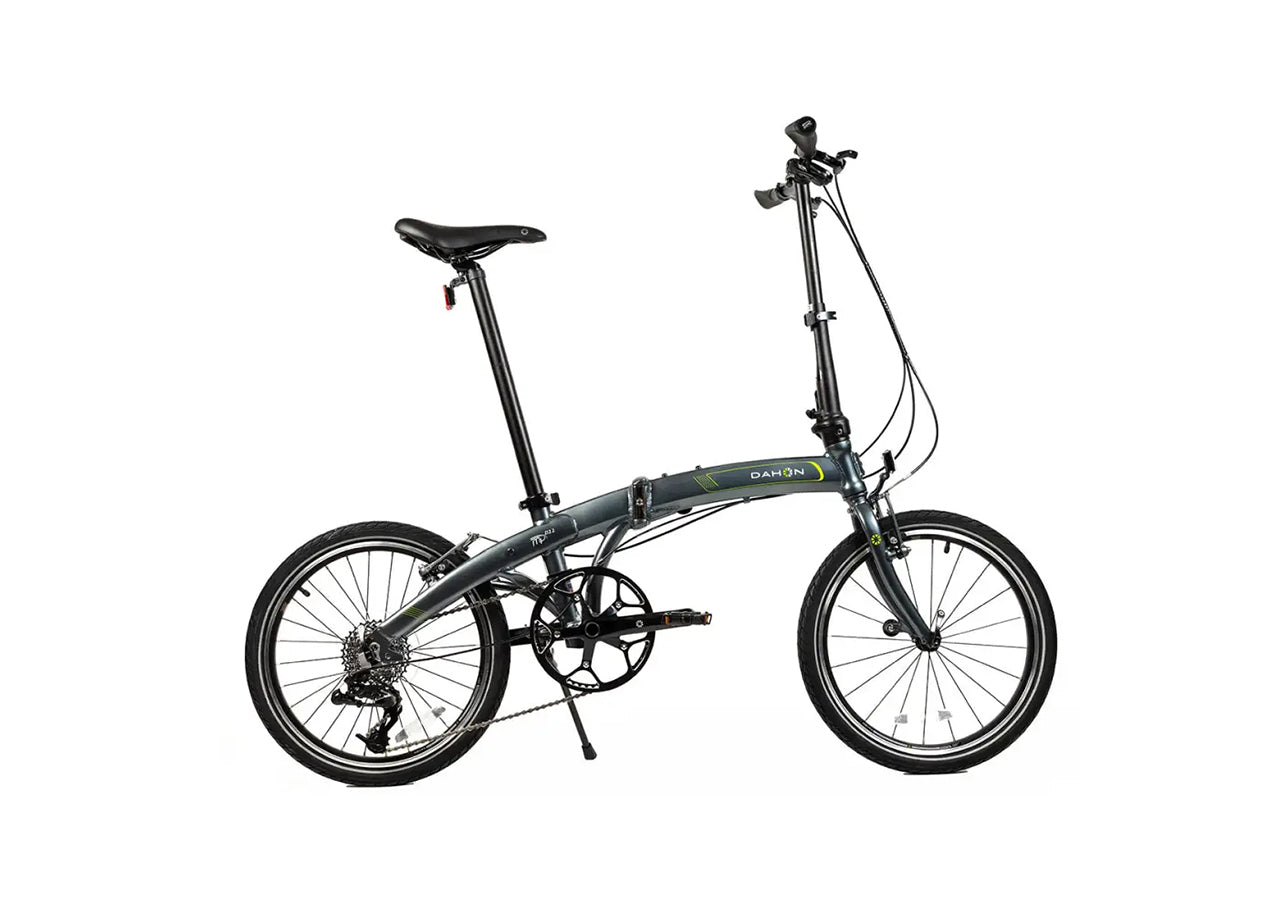
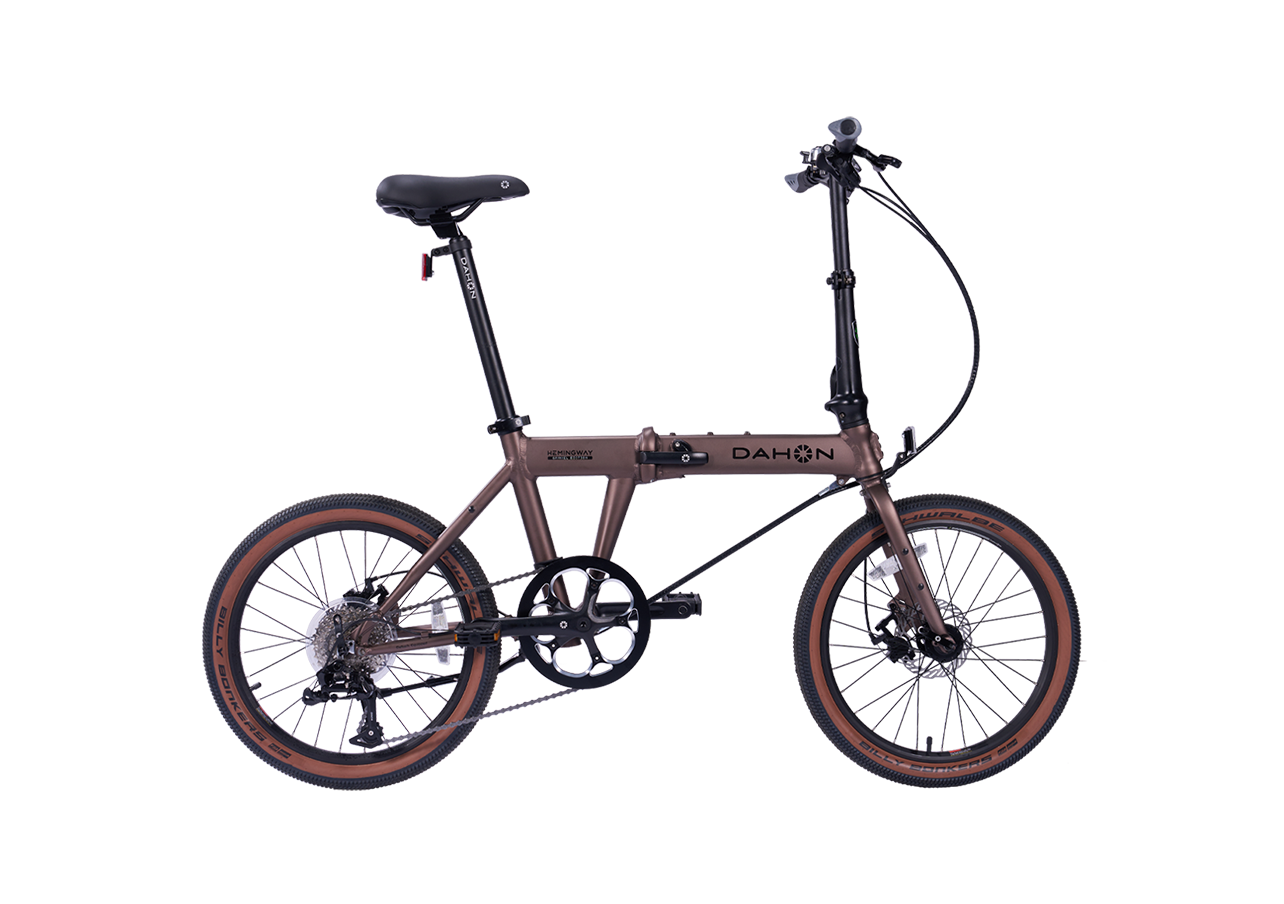
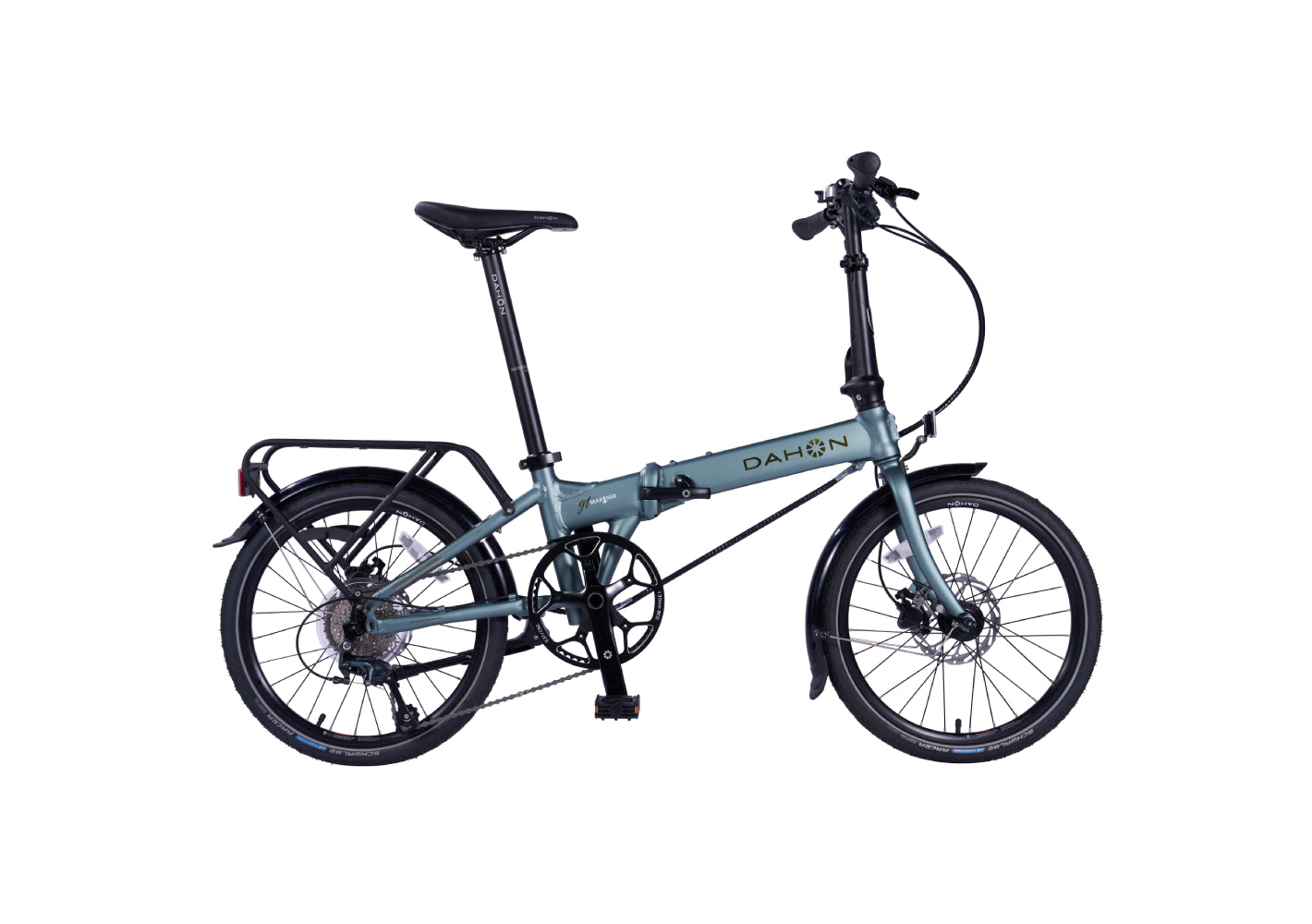
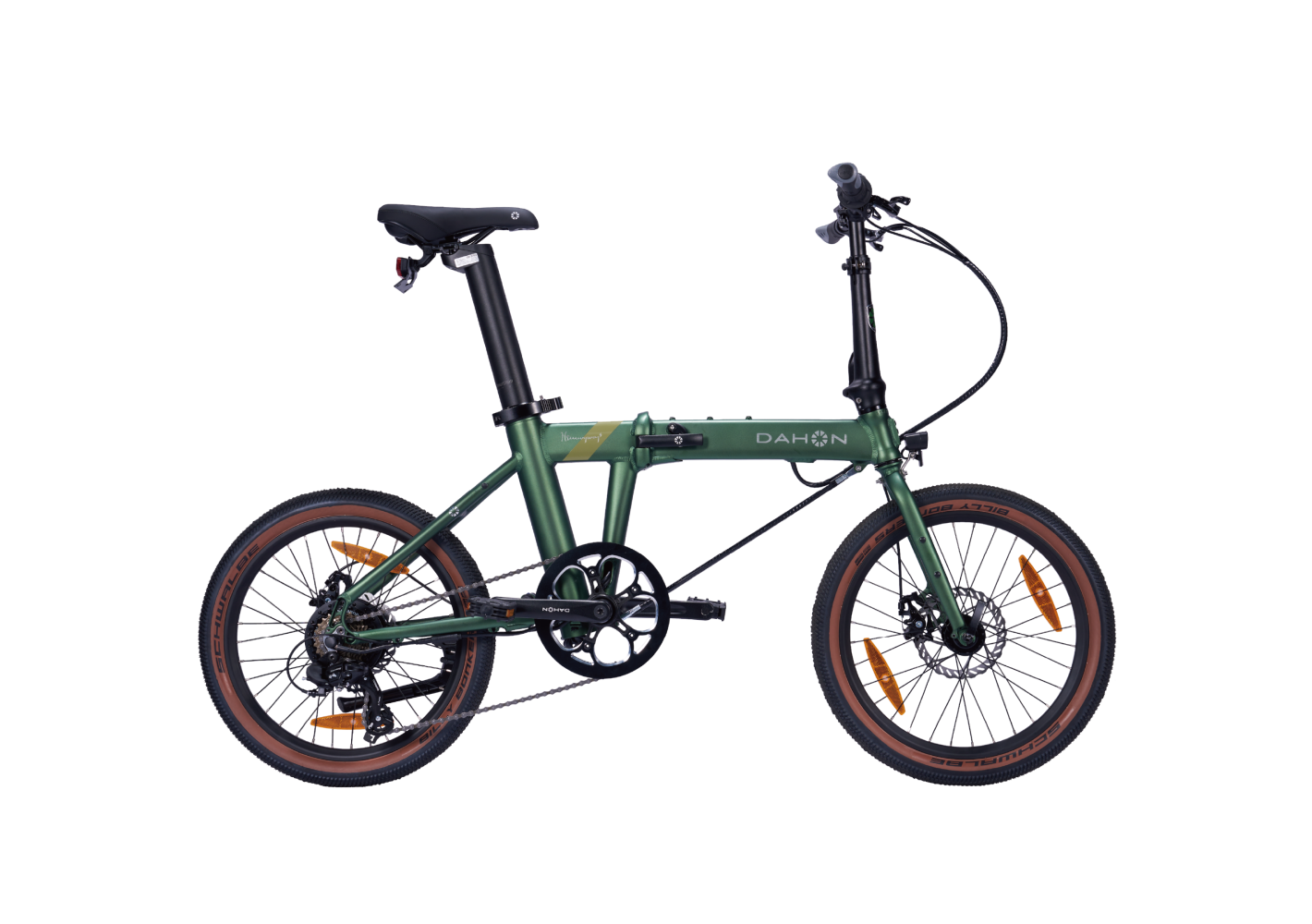
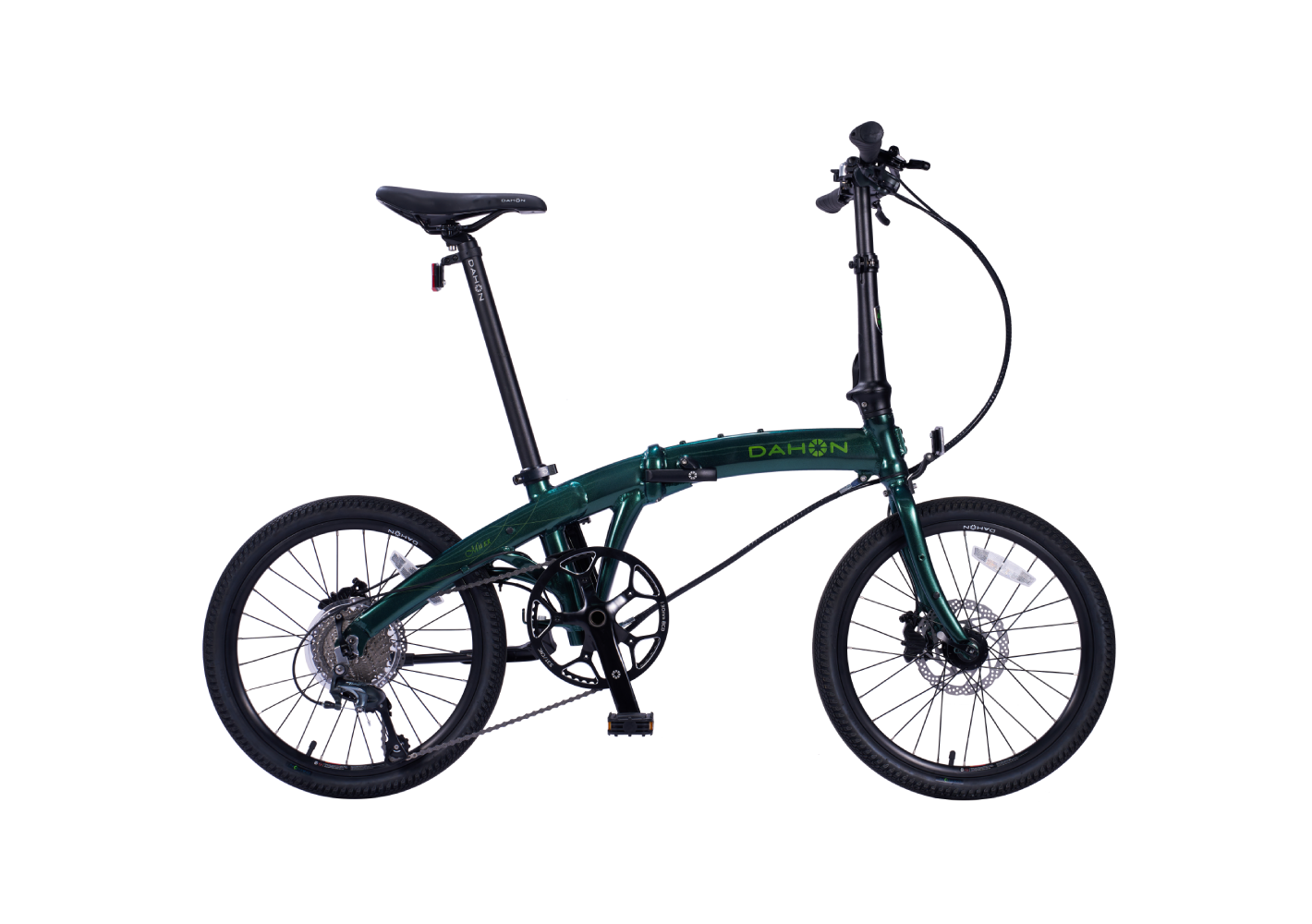
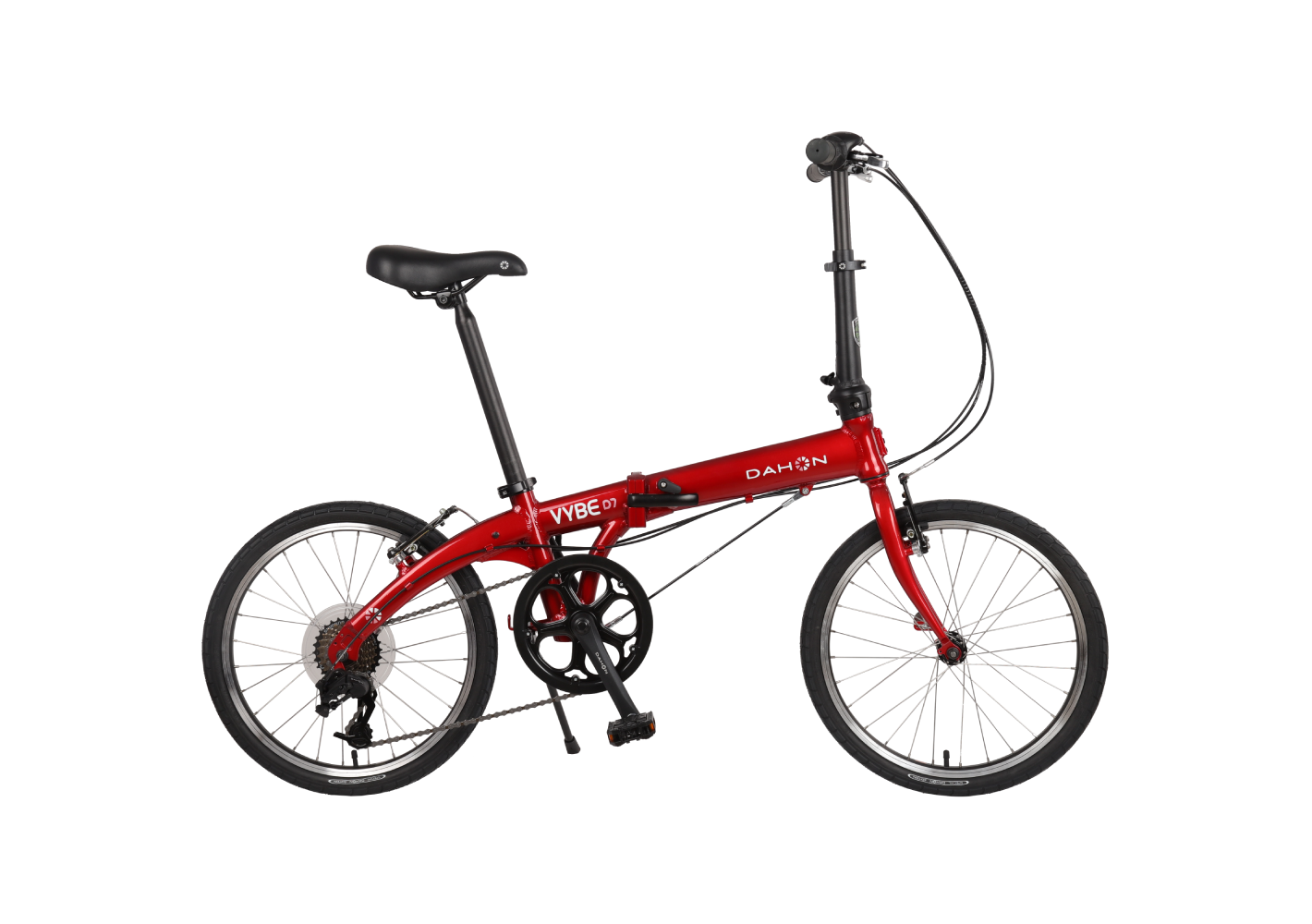
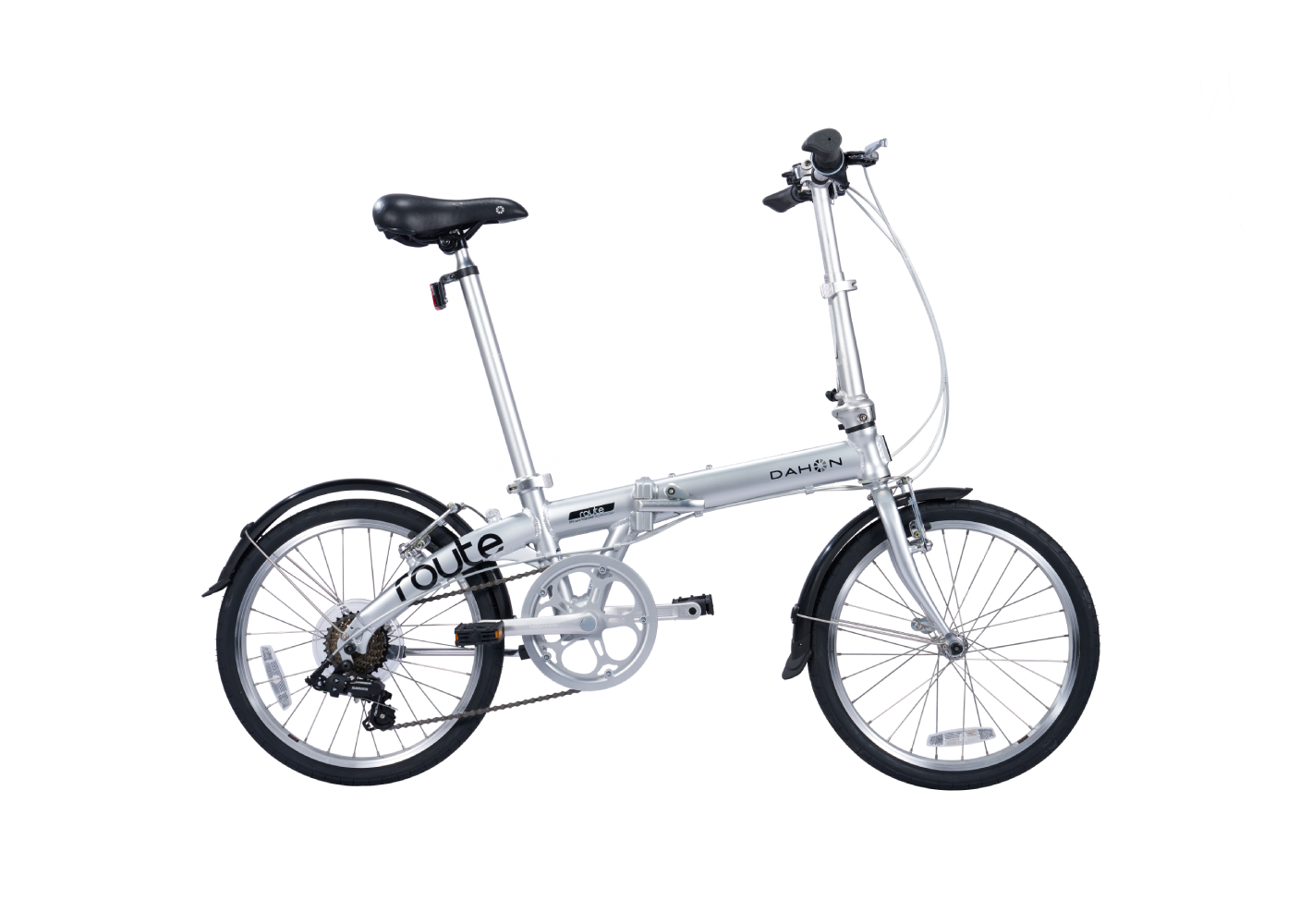
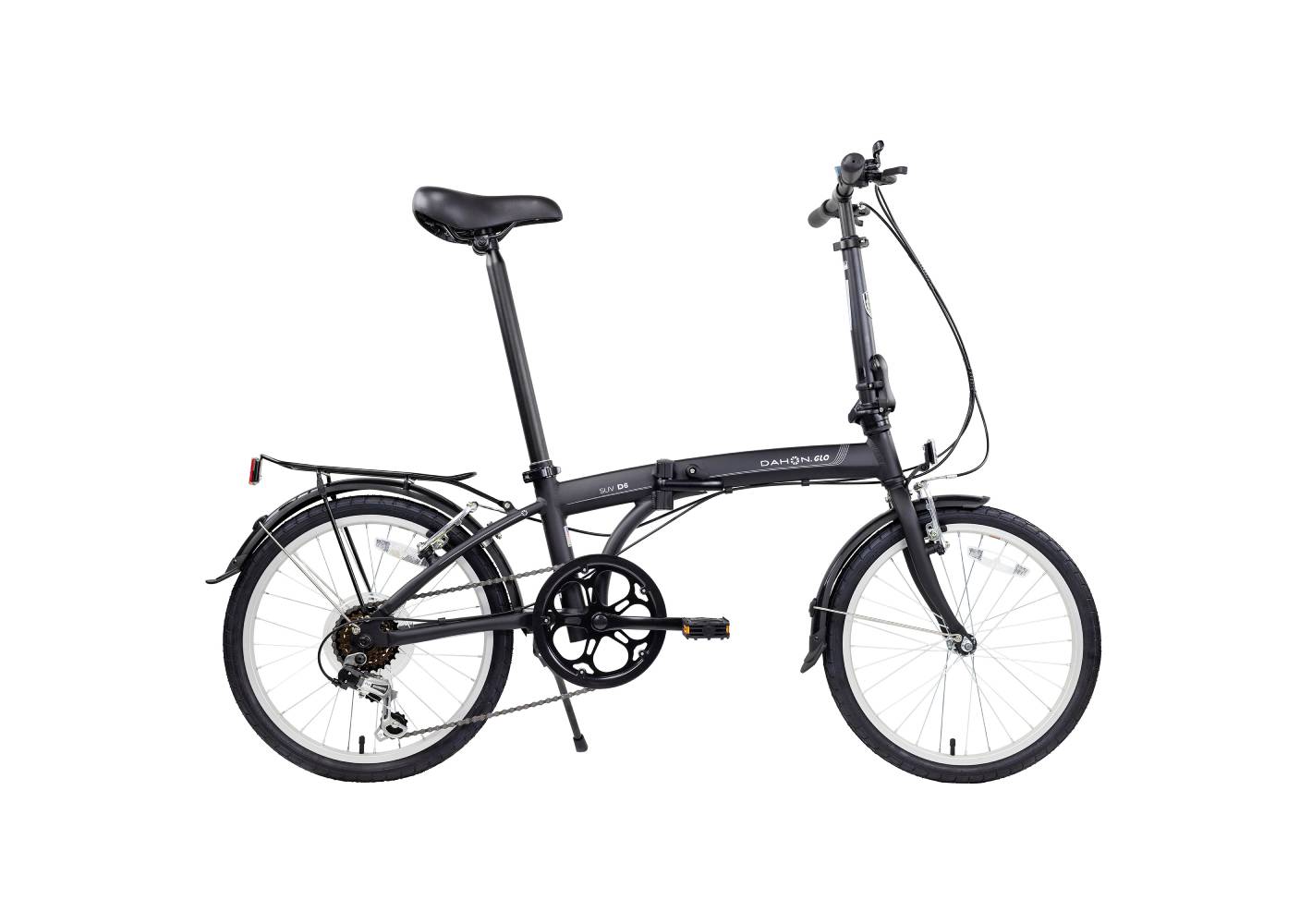
If you like the portability of folding designs and the comfort of motor support, you can combine both in a folding e‑bike. Many brands that focus on folders, including DAHON, build exactly this kind of compact commuter for riders who live in dense cities.
Your commute pattern determines which style suits you best.
Snapshot: Which Style Fits Your Commute?
| Your commute pattern | Recommended style | Why it helps you |
|---|---|---|
| Under 5 miles, frequent stairs or tight hallways | Lightweight non‑electric folding bike | Easy for you to carry, quick to fold, very low running cost. |
| 5–10 miles, mostly flat city streets | Versatile folding commuter bike | Comfortable position with full‑commuter features in a compact package. |
| 7–15 miles with regular hills | Folding commuter e‑bike | Motor support smooths your climbs and keeps speeds steady. |
| Drive + ride + train mix | Any well‑built folding or folding e‑bike | Folds small for your car trunk and transit rules, reducing parking and transfer time. |
Commuter Bike Features for Urban Riding
With the style narrowed down, you can focus on a few components that shape your daily experience and safety.
Brakes
In traffic, stopping distance matters more than peak speed. Disc brakes hold performance better in wet and dirty conditions than basic rim brakes, which is why many urban e‑bikes use them by default. If you ride in rain or heavy traffic, this gives you a clear advantage.
Tires
Urban tires with puncture‑resistant layers and reflective sidewalls help you avoid flats and stay visible. A width around 1.5–2.0 in balances speed with comfort over rough pavement and potholes.
Fenders and Racks
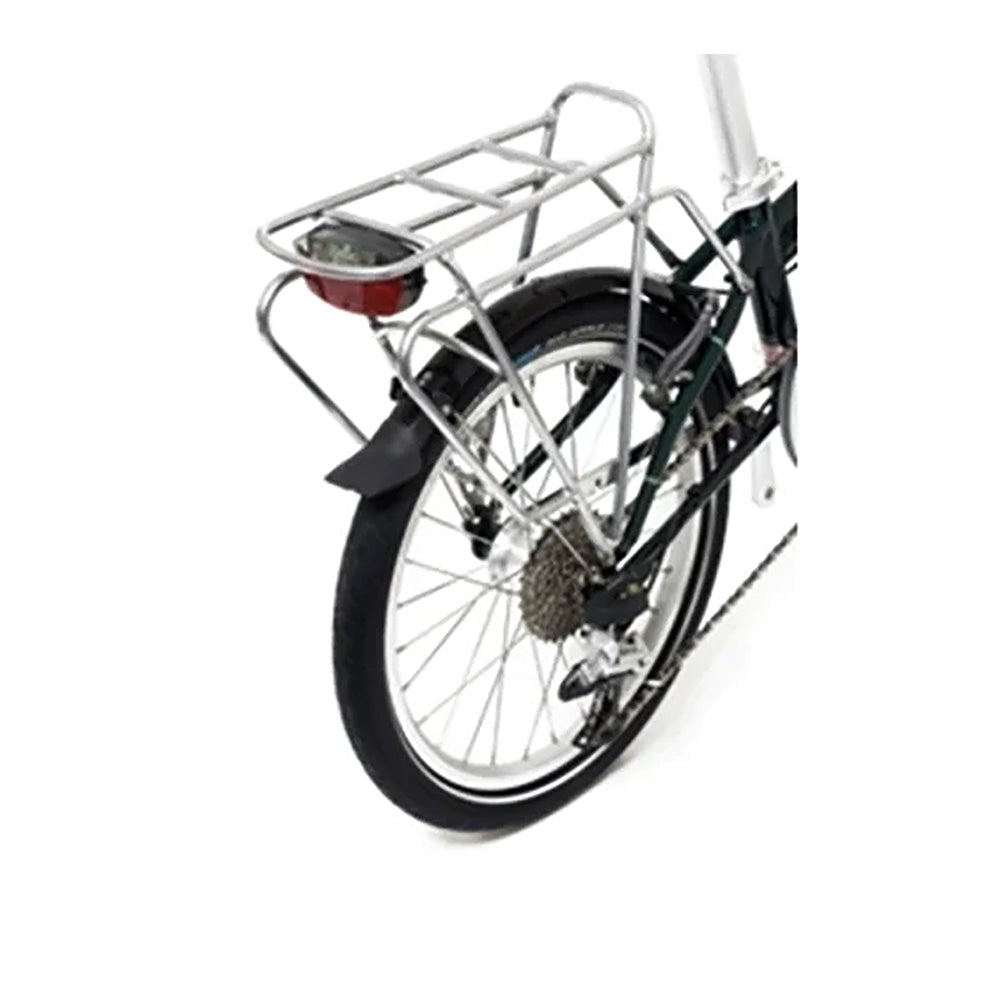
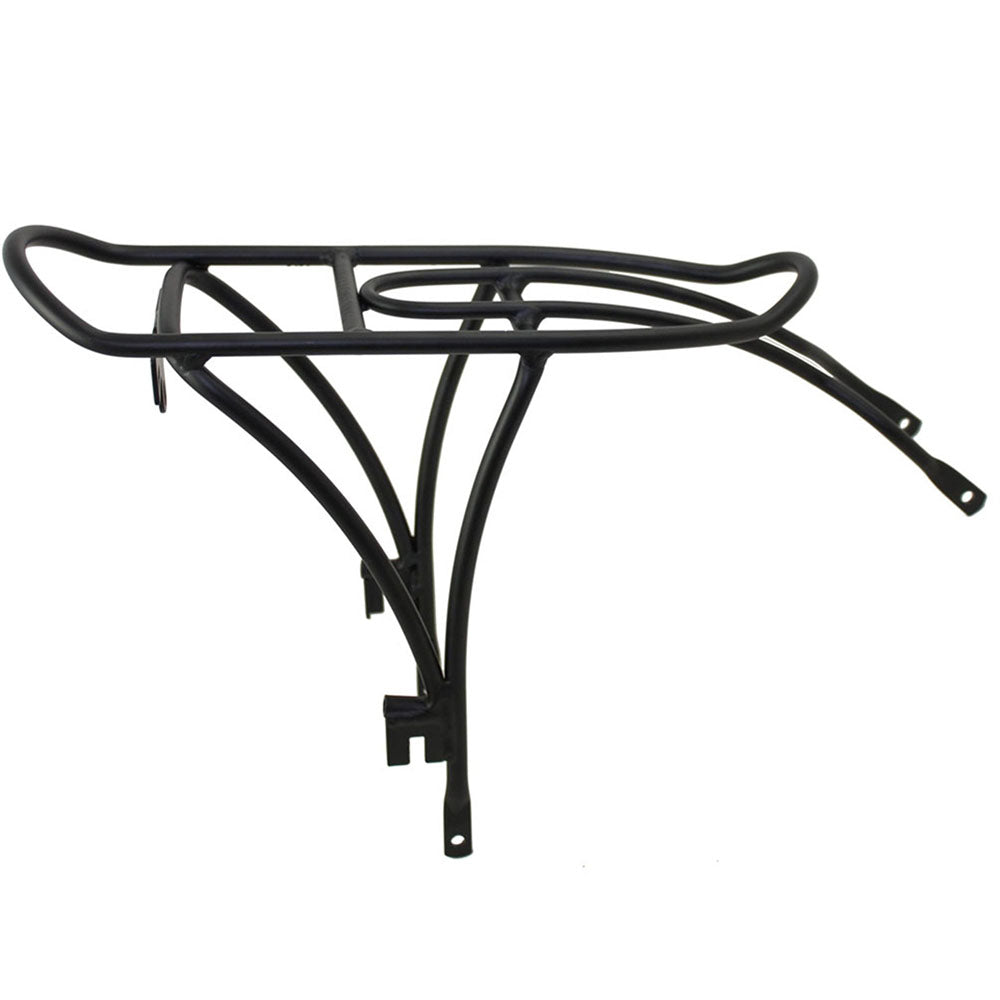
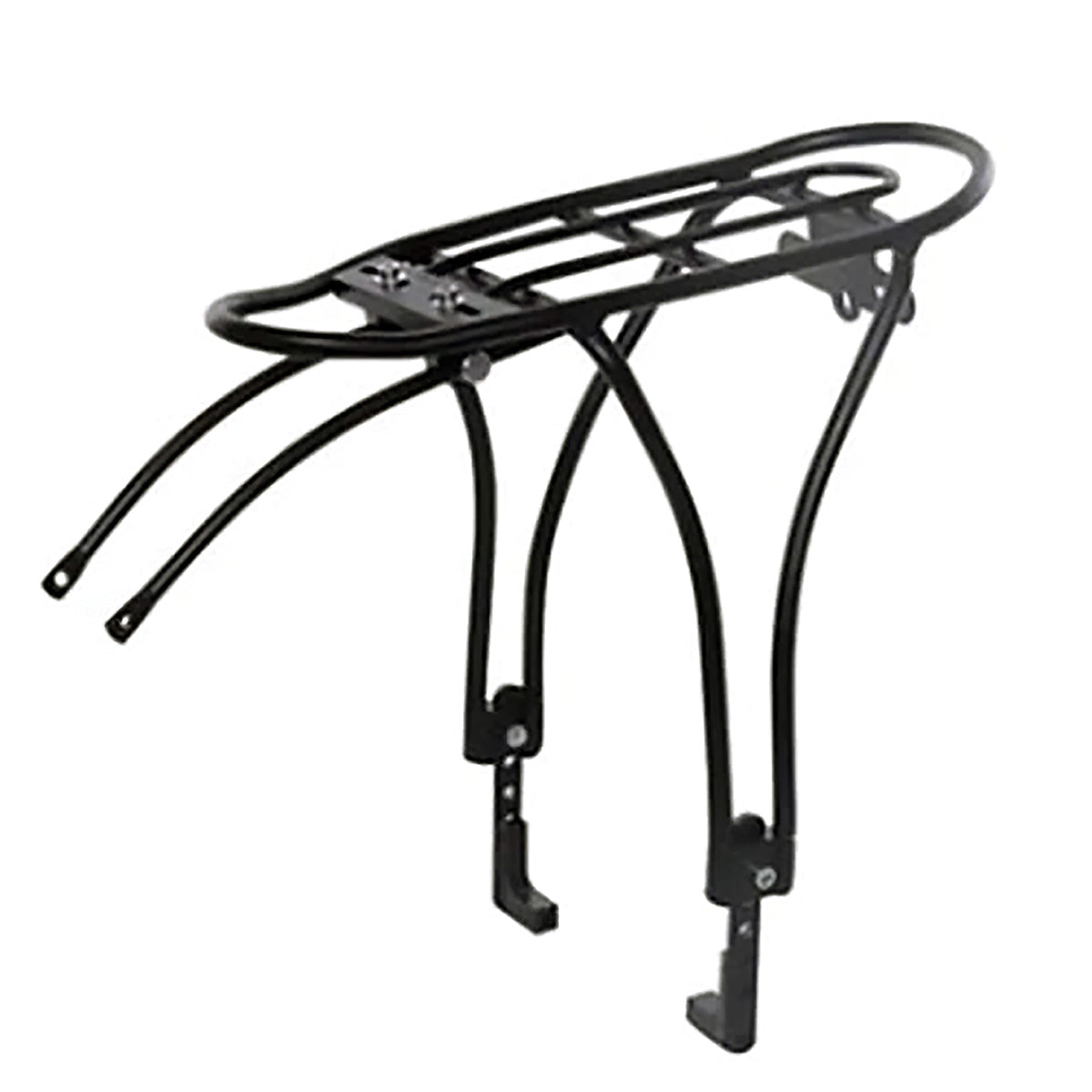
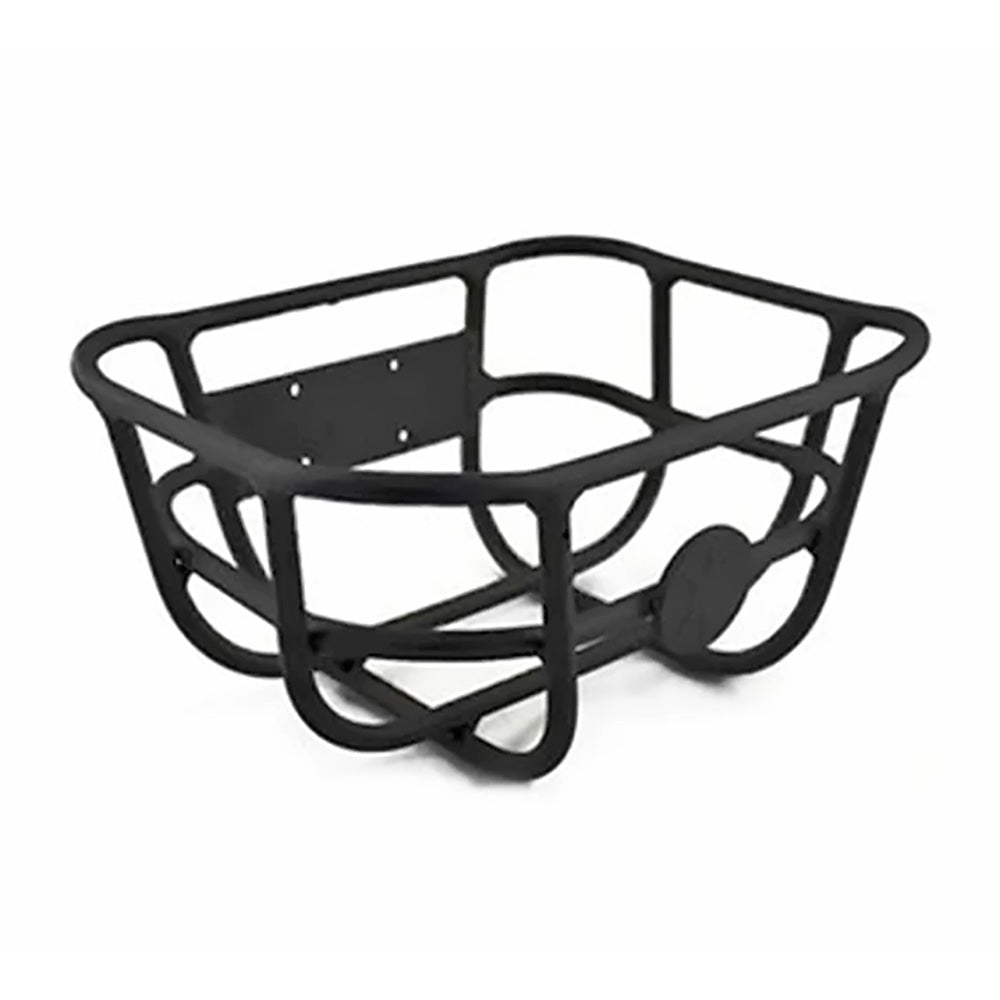
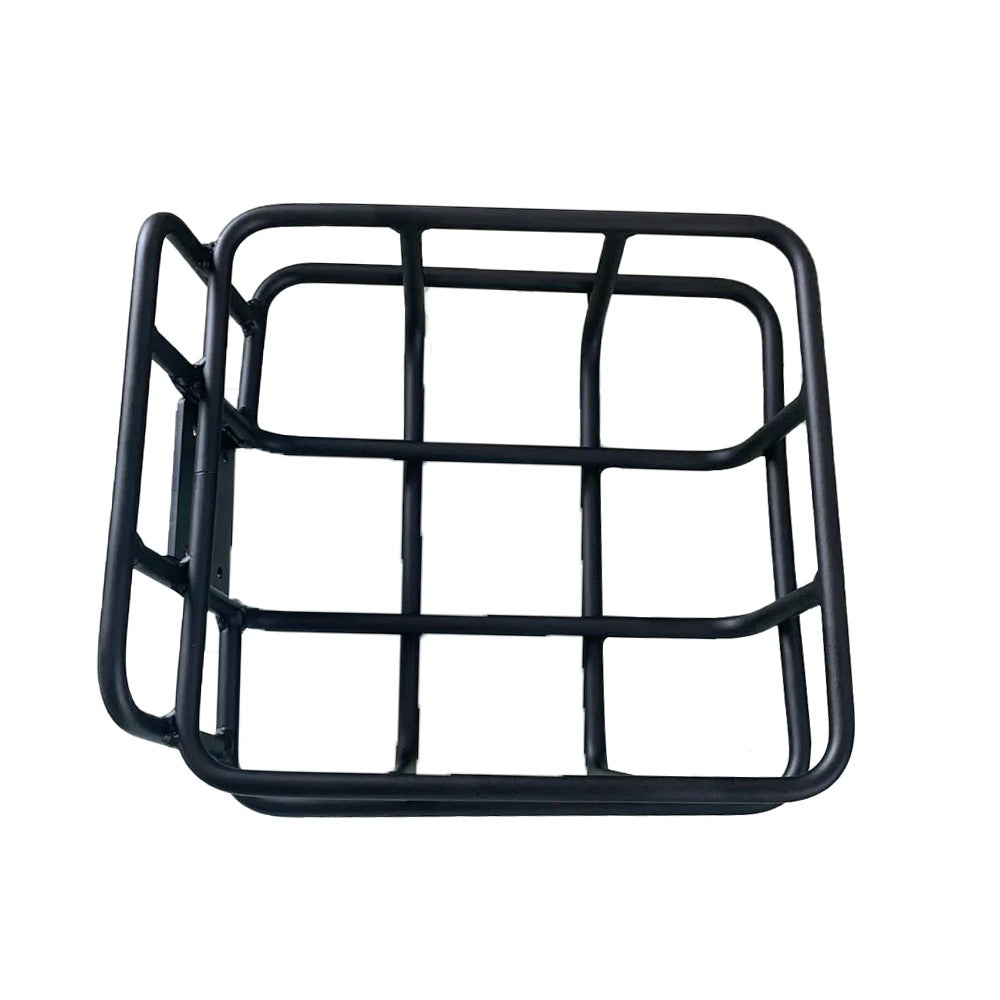
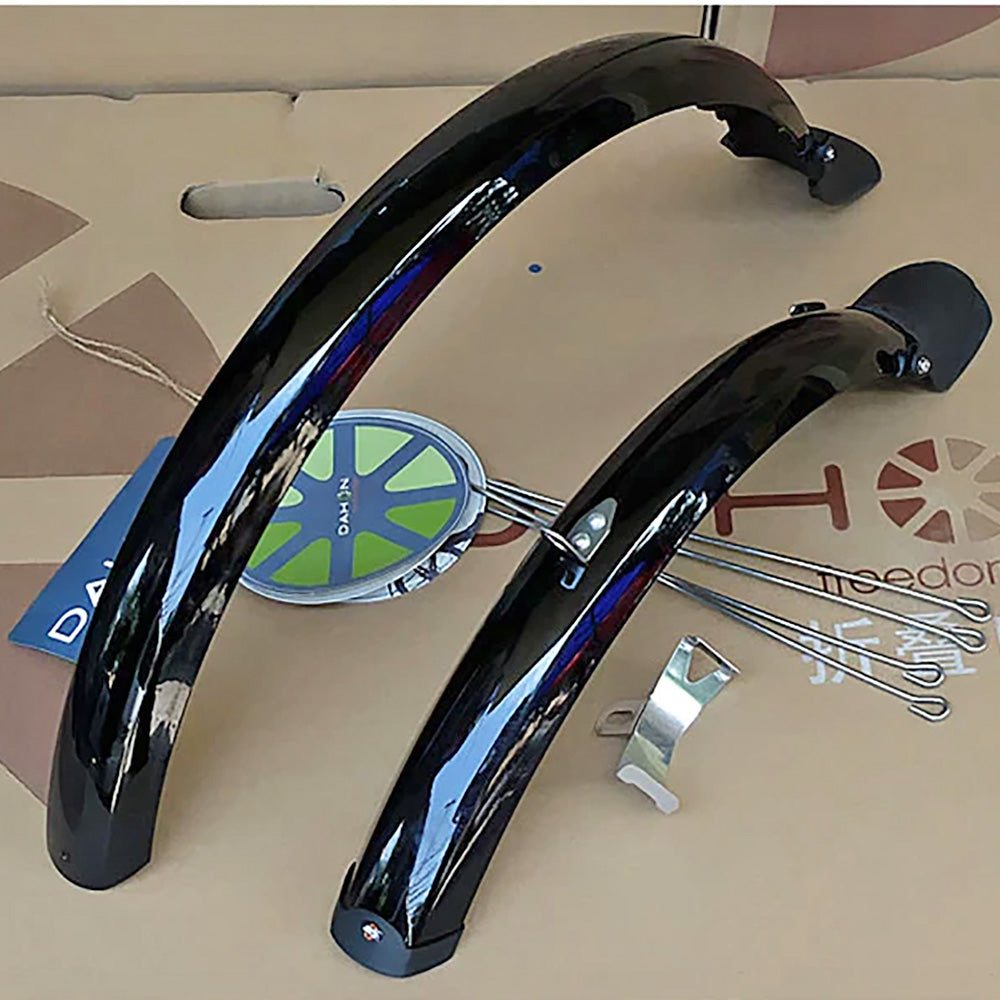
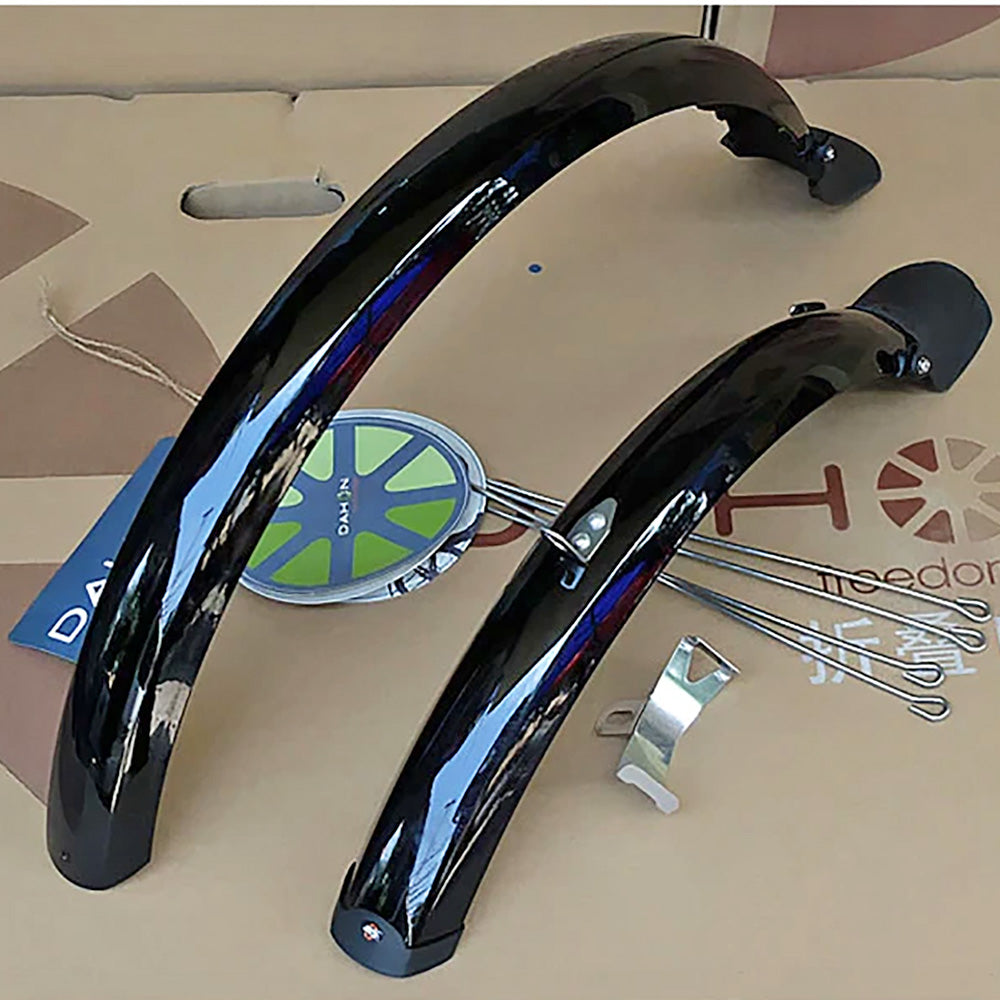
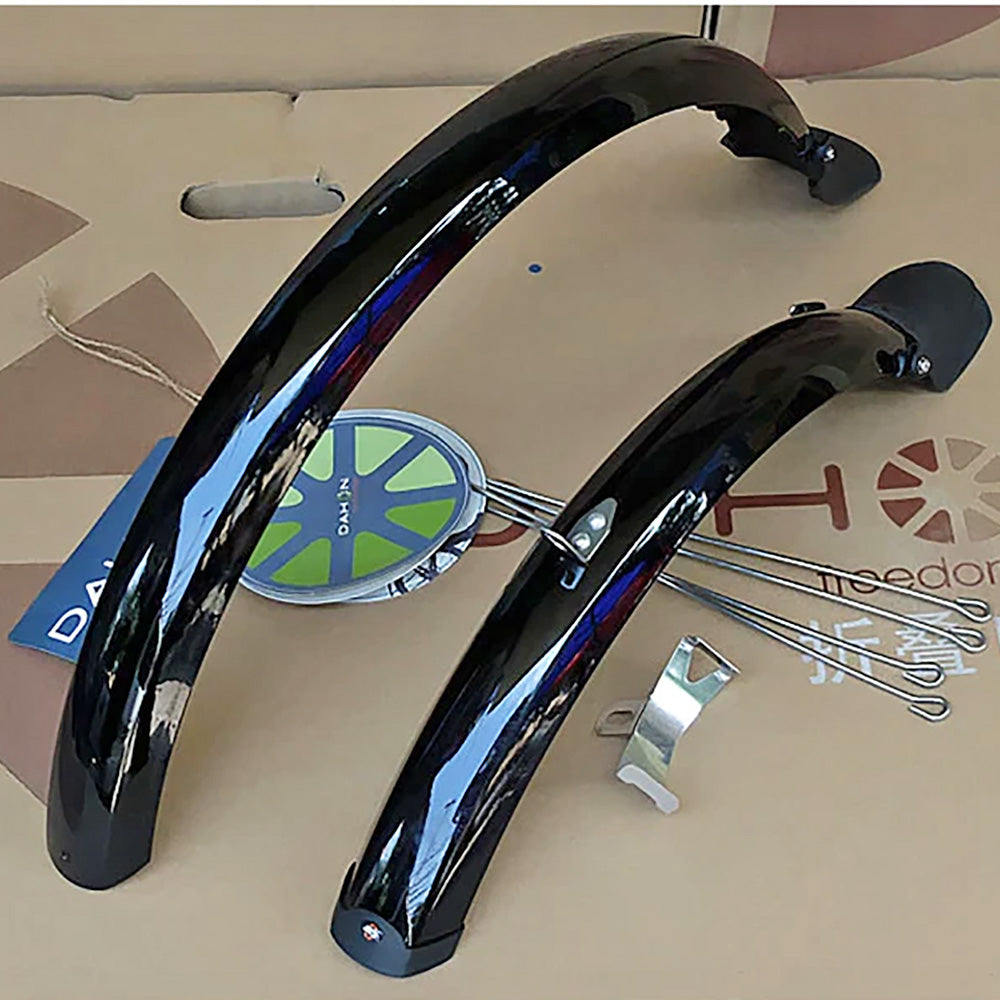
Full‑length fenders keep dirty water off your clothes. A rear rack lets you carry bags low and stable instead of on your back, which feels cooler and less tiring, especially on warm days.
Lights and Reflectors
A bright white front light and a red rear light make a big difference for your visibility in city traffic. On many commuter e‑bikes the lights run from the main battery, so you do not need a separate charging routine. These details turn a bicycle into something you can rely on every workday instead of a tool for rare perfect‑weather rides.
Commuter Bike Sizing and Fit: One‑Size‑Fits‑Most Done Right
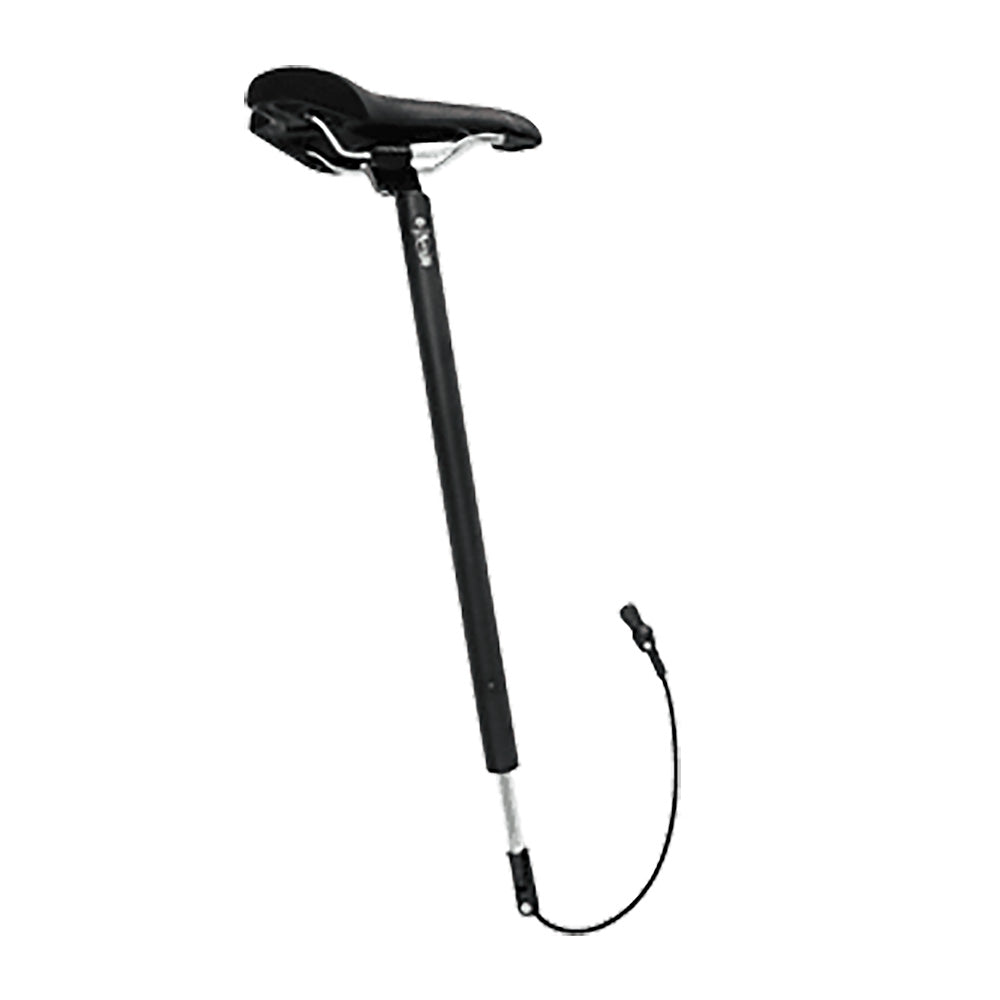
Fit affects how safe you feel, how much control you have, and how your joints feel after many rides. Traditional bikes use multiple frame sizes for this. Advanced folding bikes solve it for you with a single frame size and long‑range adjustment on the seatpost and handlebar.
You can use a few simple checks:
Seat Height
Sit on the saddle and place your heel on the pedal at its lowest point. Your leg should be nearly straight. When you move the ball of your foot to the pedal, your knee should keep a slight, comfortable bend.
Reach to the Bars
With your hands on the grips, your elbows should have a light bend. Locked arms or raised shoulders tell you the reach is too long; cramped elbows or knees touching the handlebar suggest it is too short.
Shared Use
With a long adjustment range, a single folding bike can often fit riders from about 4'9" to over 6', so you and your family members can share it without buying separate frames.
If you give yourself ten minutes to adjust height and reach the first week you ride, your back, shoulders, and knees will thank you later.
Commuter Bike Budget: Cost per Mile and Long‑Term Value
Sticker price is the first number you see, but cost per mile gives you a clearer picture. You can quickly estimate this for your own situation.
Example for a non‑electric commuter you ride:
- Price: $900.
- Use: 5 days a week, 3 years, about 6 miles per day.
- Distance: roughly 4,300 miles total.
- Bike cost per mile: about $0.21, before you count any money you save on fuel, parking, or transit fares.
Example for a commuter e‑bike you use:
- Price: $1,900.
- Use: 5 days a week, 3 years, about 8 miles per day.
- Distance: roughly 6,200 miles total.
- Bike cost per mile: about $0.31, plus a small amount for electricity.

Safety and Simple Maintenance for Everyday Commuters
A few habits keep you safer and extend the life of your bike without turning you into a mechanic.
Safety Basics For You
- A properly fitted helmet with a modern slip‑plane design can reduce rotational forces on your brain in certain impacts.
- A white front light and red rear light, even in the daytime, help drivers spot you earlier.
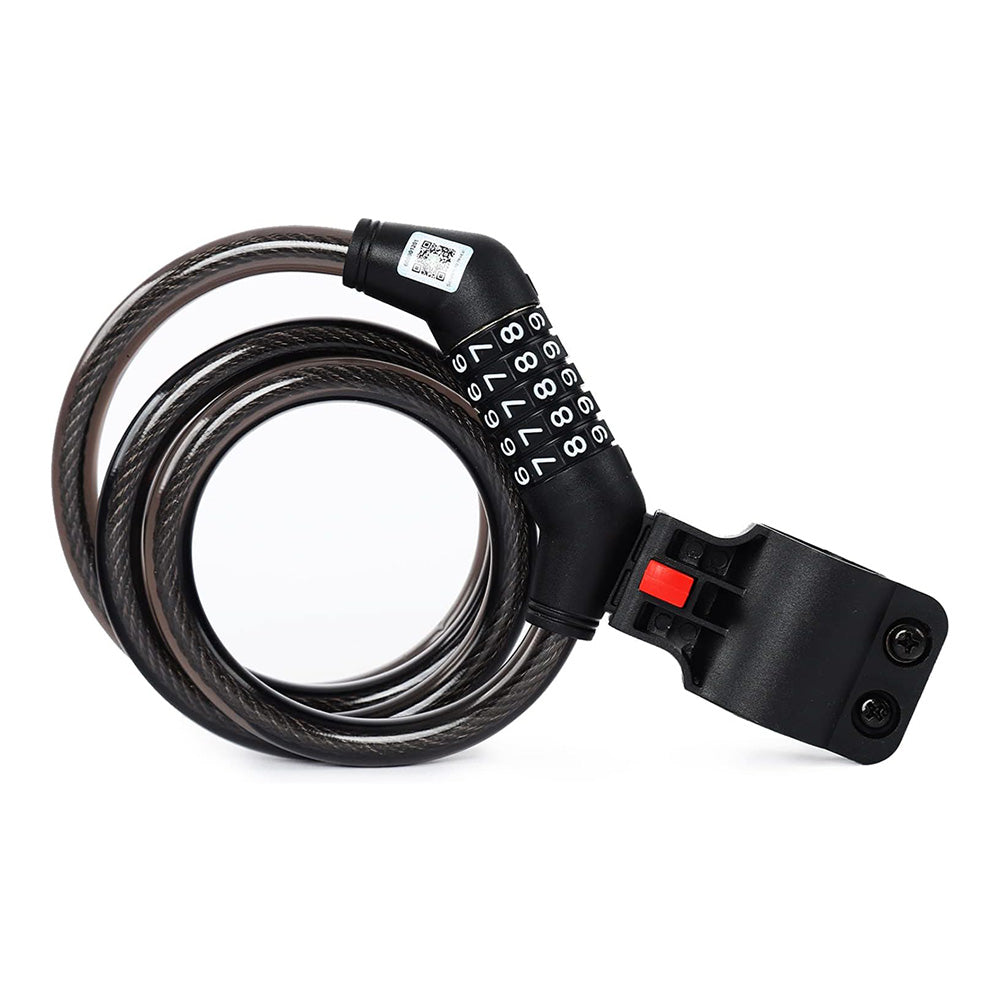
- A strong U‑lock or chain around the frame and at least one wheel discourages quick thefts whenever you park outside.
Quick Maintenance Routine You Can Follow
Many riders use a short A‑B‑C check:
- A – Air: Squeeze each tire. If it feels soft, add air within the range printed on the sidewall. For many 20 in urban tires, 40–65 psi suits typical riders and surfaces, and you can fine‑tune for comfort.
- B – Brakes: Pull each brake lever. It should feel firm and stop the wheel from turning. Any scratching noises or weak response deserve attention.
- C – Chain: Look at the chain. If it looks dry, orange, or noisy while you ride, wipe it with a rag and add a small amount of bike‑specific lubricant.
This routine takes only a few minutes each week yet prevents many of the problems that leave riders stranded.
Final Words
A commuter bike can turn a draining trip into a part of the day that feels calmer and more in your control. With the checks and tables in these sections, you can compare options with a clear head and choose a commuter bike that truly fits the way you travel.
At DAHON, we focus on folding and electric folding bikes for more than 40 years, putting our effort into compact frames, quick folding, and everyday durability for riders in dense cities. Visit our website today and find your bike that fits your commute style.
FAQs
Q1: How far can you commute on a regular bike?
Many riders find that up to about 5 miles one way feels comfortable on a non‑electric bike, especially if the route is fairly flat and you ride a few times per week. With more practice and a good fit, you can stretch this distance, but beyond that range many people start to prefer an e‑bike for daily use.
Q2: Is a folding bike fast enough for city commuting?
For typical city distances, a folding bike with 16–20 in wheels can keep up well. Smaller wheels spin up faster from each stoplight, and the gearing is set so your cruising speed stays close to that of larger‑wheeled bikes. In dense traffic with frequent stops, you may even finish rides faster thanks to quicker acceleration and easier maneuvering.
Q3: Is a commuter e‑bike worth the extra cost?
If your commute includes longer distances, hills, or strong winds, an e‑bike can feel well worth the price. You arrive less tired, can ride in regular clothes more easily, and may replace car or transit trips. Over a few years, the money you save on fuel, parking, and tickets can offset a large part of the higher purchase price.
Q4: Do you need special skills to maintain a commuter bike?
Basic care is simple and does not require special skills. If you can pump tires, squeeze brake levers, and wipe a chain, you can handle the A‑B‑C check. For bigger jobs, local bike shops can adjust gears, replace brake pads, or service e‑bike systems while you focus on riding.











Share:
DAHON to Showcase Latest Folding Bike Innovations at Taipei Cycle Show 2026
What Are the Differences Among Class 1, 2, and 3 E-Bikes?