


Living in a small apartment doesn't mean you have to give up biking. The key is choosing the right foldable bike and the right storage strategy. This guide walks you through space needs, storage options, daily routines, and cleanliness tips, so you can ride often without letting a bike take over your home.
Why Regular Bikes Don't Work in Small Apartments
In a compact apartment, a full‑size bike is hard to ignore. It's long, wide, and shaped in a way that doesn't match typical home furniture. Put it in the hallway and it blocks the path; put it in the living room and it competes with your sofa or TV stand.
Other common problems with regular bikes indoors:
- Handlebars and pedals stick out and catch on clothes or bags.
- It's easy to bump walls and door frames when you move the bike.
- In walk‑up buildings, carrying a large bike up and down stairs is tiring.
- If you leave it outside to avoid the hassle, you worry about theft and weather damage.
For many city riders, a full‑size bike slowly turns into an obstacle, not a tool. That's why people in small apartments often either ride less than they want to, or give up owning a bike altogether.
How Much Space a Foldable Bike Actually Needs
A foldable bike solves the shape problem first. Once folded, it becomes much shorter and lower, often closer to a compact box than a long object. That makes it easier to fit into real gaps that already exist in your apartment.
To put that in real numbers:
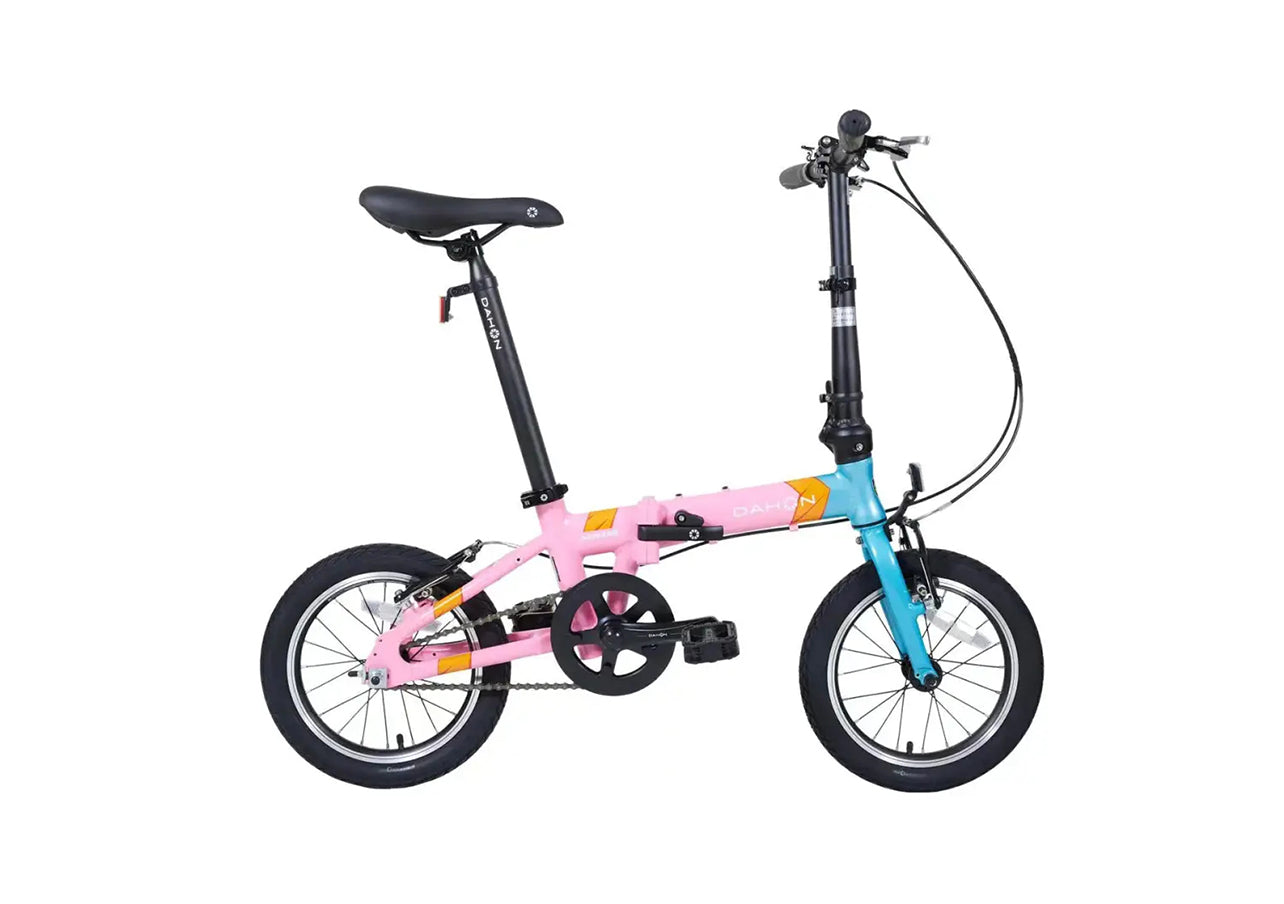
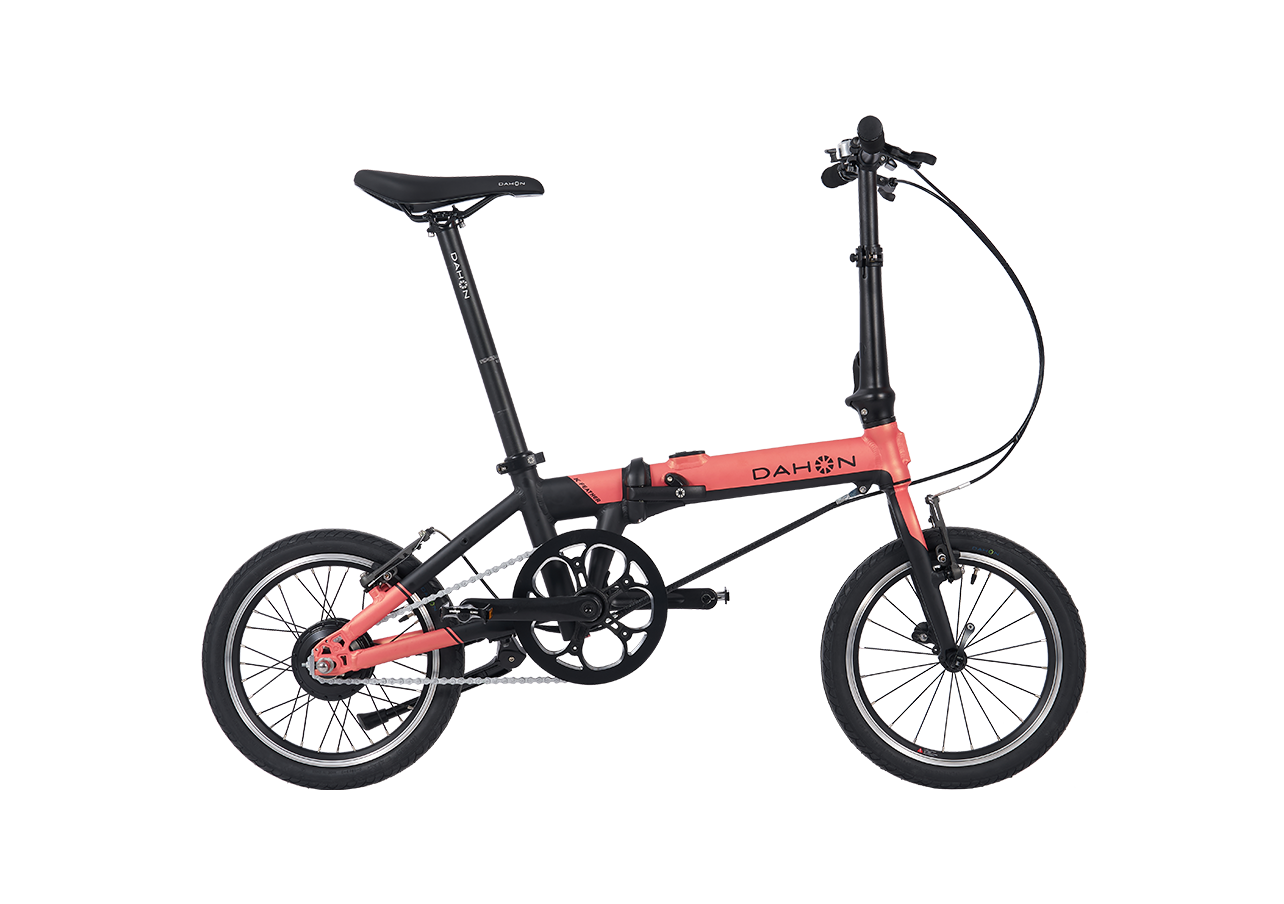
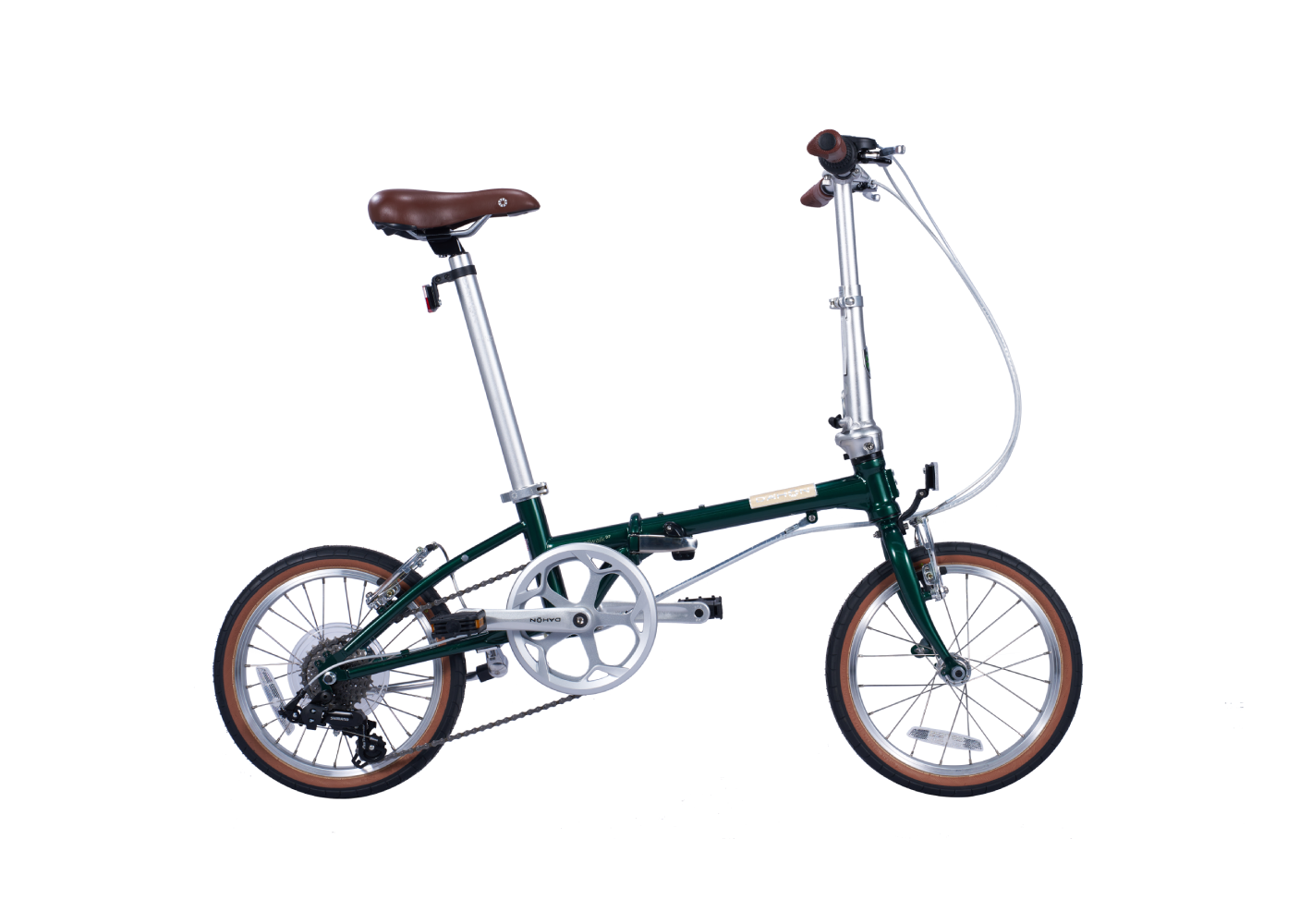
- A 16-inch Foldable bike folds down to roughly 23" × 22" × 11" (58 × 57 × 27 cm).
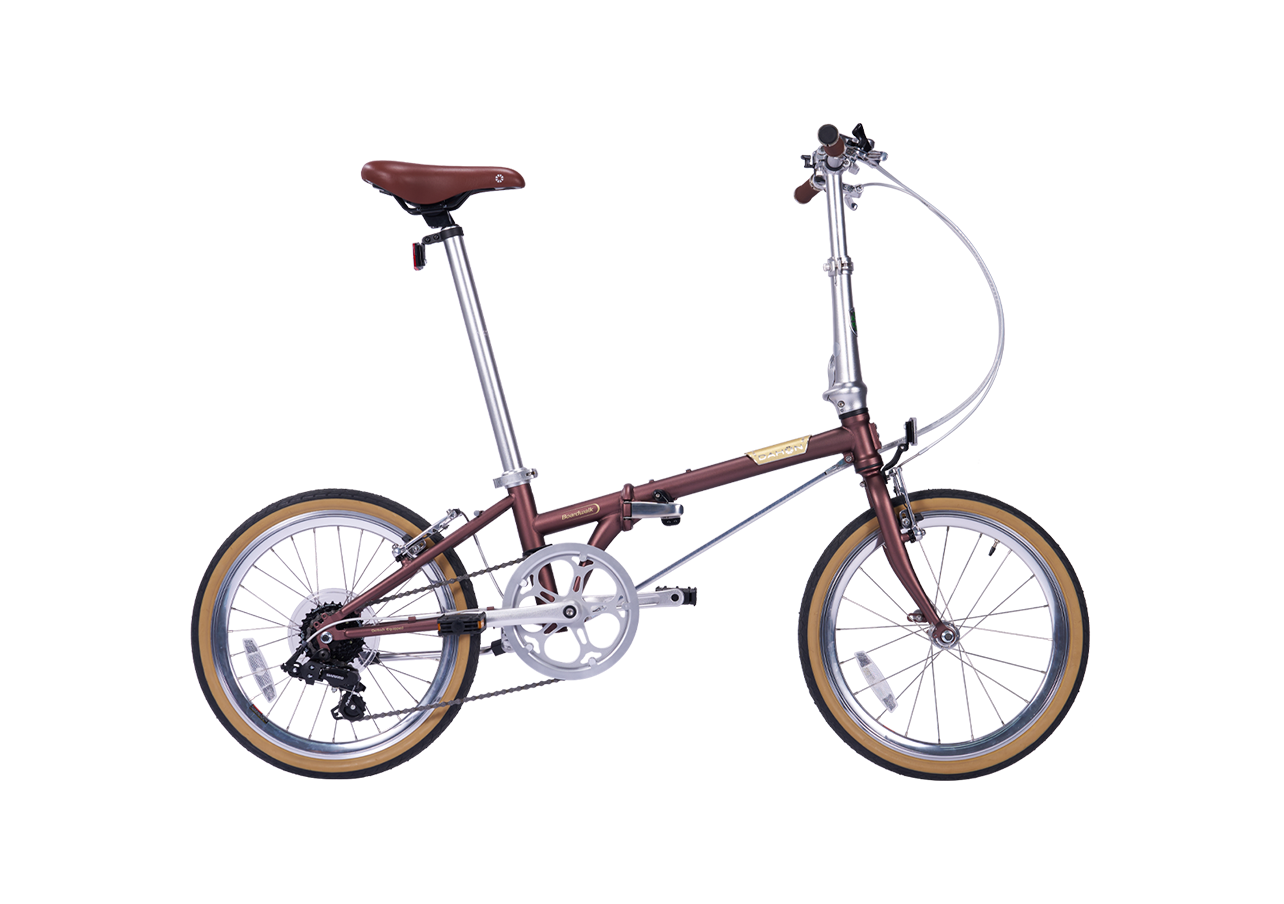
- A 20-inch model (the most common size) typically folds to around 26" × 32" × 13" (66 × 82 × 32 cm).
For comparison, a standard carry-on suitcase is about 22" × 16" × 9" (55 × 40 × 23 cm), and a large checked bag runs around 30" × 20" × 12" (75 × 50 × 30 cm). A compact foldable bike lands somewhere between those two.
Typical places a folded bike can fit:
- Inside a coat or utility closet
- Behind a door
- Under a desk or table
- Next to a couch or TV stand
- At the end of a bed
- In a corner by a window
That means you don't need a "bike room" or special storage area. You just need to find a spot where something suitcase‑sized could live.
A simple way to test this before you buy: cut a piece of cardboard to roughly 30" × 26" × 14" (or find a box close to that size) and try placing it in 3–4 spots around your apartment—closet floor, behind the door, beside the couch, under a desk. Wherever it fits without blocking movement is a potential spot for storing the foldable bike.

Best Foldable Bike Features for Tight Spaces
The "best" foldable bike for a small apartment isn't just the smallest. Here's what actually matters—and what the numbers look like in practice.
Folded Size
Wheel size doesn't tell you how small the bike actually folds—always check the spec sheet dimensions. As a rough benchmark: most quality 16-inch models fold to around 22" × 21" × 10" (56 × 54 × 25 cm); most 20-inch models land around 26"–30" × 25"–32" × 12"–14" (66–77 × 64–82 × 30–35 cm). Verify those numbers against the spots you tested at home before buying.
Weight
If you carry the bike upstairs or onto a train daily, aim for under 25 lbs (11 kg). Budget 20-inch models typically weigh 24–28 lbs (11–13 kg); premium lightweight models can get down to 20–22 lbs (9–10 kg). That 6–8 lb difference is noticeable when you're hauling it up two flights every evening.
Folding Speed and Stability
The bike should lock into a single compact unit in 10–20 seconds—nothing dangling, nothing shifting. Speed matters less than stability: a loose fold makes the bike harder to carry and awkward to squeeze into tight spaces.
Ride Comfort
A bike you don't enjoy riding will end up sitting in that closet. Look for a stable frame, a comfortable riding position, and enough gears for your typical routes—especially if you have any hills.
Durability of the Folding Mechanism
Hinges and latches are subjected to the most abuse, so cheap bikes typically fail at those points first. Look for forged or machined joints rather than stamped metal, and check that the locking mechanism feels solid—not just on day one, but after hundreds of folds.
Vertical vs. Horizontal Storage
Now the bike is folded, you have two main choices to store it: vertically or horizontally.
| Vertical | Horizontal | |
|---|---|---|
| What it means | Stand the bike upright or hang it on a wall mount | Let the bike sit flat on the floor like a low box |
| Best for | Narrow entryways, tight hallways, beside wardrobes or fridges | Under desks or tables, alongside walls, under loft beds |
| Pros | Frees up more floor area; feels less crowded | Easy to access with no hooks or lifting; no drilling required |
| Cons | Requires some lifting; must make sure it won't tip | Uses more floor space; more visible in the room |
| Choose if… | You care more about open floor space, or ride once or twice a week | You care more about quick access, or ride every day |
Building a Daily Routine That Works
A foldable bike only helps if folding and storing it feels easy. If the process is slow or confusing, you will use it less no matter how small it gets.
When you compare models, focus on:
- Number of steps: Fewer clear steps are better than many small steps.
- Locking points: Make sure the frame and handlebar latches feel solid and safe.
- Learning curve: A good design feels natural after a few tries.
Here's what a typical day can look like:
Morning: Take the folded bike from its spot → unfold in 30–60 seconds → ride out.
Evening: Fold the bike at the building entrance or inside your door → carry or roll it to its storage spot → set it down.
Practicing the folding steps 5–10 times when you first get the bike can make it feel like second nature, even when you're juggling with a bag or groceries.
Keeping Your Apartment Clean
Many riders worry more about dirt than about space, but a simple system keeps things under control.
- Set up a "bike landing area": Put a small rug, mat, or tray where you always place your folded bike. This catches dust, sand, and small bits of gravel from the tires.
- Keep a cleaning kit nearby: Place a cloth or a few wipes near that mat. After wet or muddy rides, wipe the tires and lower frame before folding.
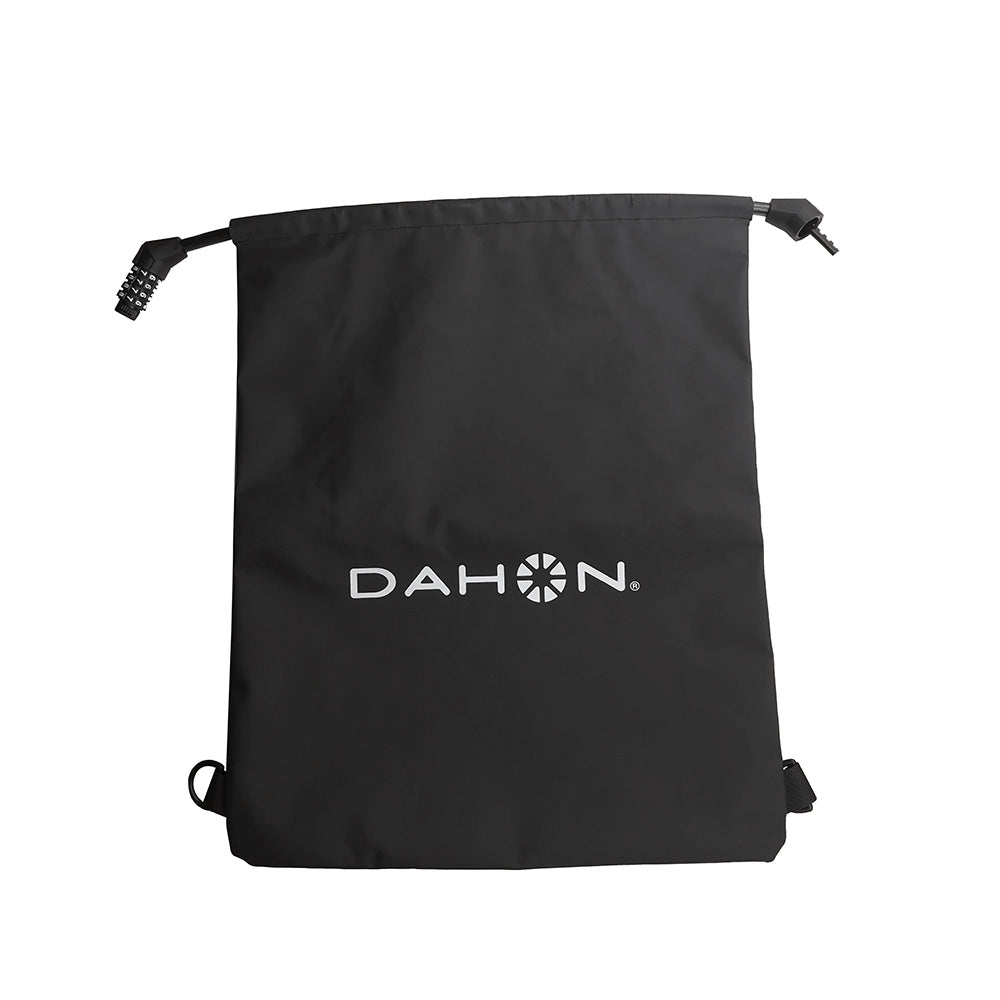
- Use a simple cover or bag: A lightweight cover protects your walls and furniture, hides the bike visually, and keeps dust off. This is especially useful in studios or shared living rooms.
- Watch out for water: After rainy rides, let the bike sit for a few minutes on the mat before covering it, so excess water can drip off first.
- Protect sensitive surfaces: If you have light‑colored walls or carpets, a strip of clear tape or a small wall guard can prevent marks in tight spaces.
Build a Bike‑Friendly Small Apartment
A small apartment does not have to limit your freedom to ride. With a good foldable bike, a clear storage spot, and a simple clean‑up routine, your bike can fit into your home as easily as a suitcase or a side table. The more practical and natural your setup feels, the more often you'll ride. When you're ready to explore specific models and real‑world folded sizes, you can visit DAHON to compare options and find a foldable bike that fits both your space and your daily life.










Share:
How Much Does It Cost to Commute by Car Each Year
Are Foldable Bikes Good for Long Rides? Real Riders Weigh In