


Commuting in the modern city often feels like a battle against time, traffic, and tight spaces. You crave the freedom and health benefits of cycling, but you simply don’t have the room to store a full-sized bicycle in your apartment or office. Enter the folding bike—a true game-changer for urban living. These engineering marvels promise unmatched convenience and portability, but are they right for your lifestyle?

Are Folding Bikes Ideal for Commuting?
Yes—folding bikes solve urban commuting's 'last mile' by folding for buses, trains, and Ubers where full bikes are banned.
The last mile refers to the last leg between the train station and your office, or your home and the bus stop. Walking is too slow, and driving is too expensive or stressful.
Unlike standard full-sized bicycles, folders are uniquely welcome on public transit where regular bikes are often banned. According to transit authorities like the MTA, standard bicycles are frequently restricted during rush hours or banned entirely from buses.
However, a folding bike plays by a different set of rules. Once folded, it is generally treated as luggage rather than a vehicle. You can hop on a bus, slide it under your seat on the subway, or toss it into the trunk of an Uber if the weather turns bad.
This "multi-modal" travel capability means you aren't limited to just cycling. You can mix riding with trains, ferries, and buses to shorten your commute and beat traffic effortlessly. It allows you to live further from your workplace while keeping your commute time manageable, saving you money on gas and parking fees every single day.
How Easy is it to Store Folding Bikes?
Very easy—folded size is typically 25-36 inches long (vs. 70+ for full bikes), fitting closets/under desks in seconds.
Perfect for Urban Apartments
Space is at a premium in modern American cities. If you live in a studio apartment in New York or San Francisco, or work in a standard cubicle, a standard 700c bike can be awkward to store. It may require wall mounts, take up valuable floor space, or need to stay in a hallway.
But a compact folding bike changes that.
When folded, these bikes shrink to a fraction of their size—small enough to fit inside a closet, under a desk, or in the corner of your room. You no longer need a garage, a shed, or outdoor space.
Ideal for Travelers
For RV owners, van lifers, and boaters, folding bikes let you bring your ride along without bulky external racks that hurt fuel economy and expose the bike to weather. If you have limited space, a folder might be the most practical bike for your lifestyle.

Is It Complicated to Fold and Unfold the Bike?
Not at all.
A common myth among new riders is that folding bikes require a degree in engineering to operate. Learning how to fold a foldable bike usually takes just a few minutes of practice.
Most industry-leading models use a straightforward three-step mechanism:
- Lower the seat post (which often acts as a stand).
- Fold the handlebar stem down.
- Unlock the central hinge and fold the frame in half.
High-quality latches and safety locks are designed to snap into place with a satisfying click, ensuring the bike is rigid and safe to ride. With a little practice, you can transform your bike from a rideable vehicle to a portable package in under 15 seconds.
Would it be Easier for Folding Bikes to Get Stolen?
No. Simply because it comes inside with you. Instead of relying on a heavy lock and hoping for the best, you can carry your folded bike into your office, your apartment, the grocery store, or a restaurant.
Bike theft is a major concern in US cities, with around 2.4 million adult bikes getting stolen annually. Leaving a high-quality bicycle locked on the street overnight—or even for an hour—is often a gamble. Professional thieves can cut through cables and U-locks in seconds. Consequently, new riders frequently ask how to lock a foldable bike effectively.
The best answer is: You often don’t have to.
By eliminating the need to leave your bike unattended on the street, you virtually eliminate the risk of theft. It is "theft-proof" simply because it never leaves your side. This peace of mind is invaluable for commuters who have lost bikes to theft in the past.
Are Folding Bikes for City Riding Only?
Yes. Most quality folders offer 7 to 11 speeds (some more) to match hybrid/road bike performance.
Some riders worry that small wheels mean small performance. They assume folders are essentially toys with a single gear, difficult to pedal and slow to move. This is a massive "Con" that is actually a misconception. That’s not true! Most quality folding bikes are equipped with sophisticated drivetrains designed to handle steep hills and fast flats just like a standard hybrid or road bike.
Engineers adjust the "gear inches"—the distance the bike travels with one revolution of the pedals—to compensate for the smaller wheels. This means that one pedal stroke on a folding bike propels you just as far as it would on a big bike.
You don't have to pedal harder; you just ride smarter. Whether you are climbing a bridge or speeding down a bike lane, the gears are there to support you.
Are Folding Bikes Suitable for Adrenaline Chasers?
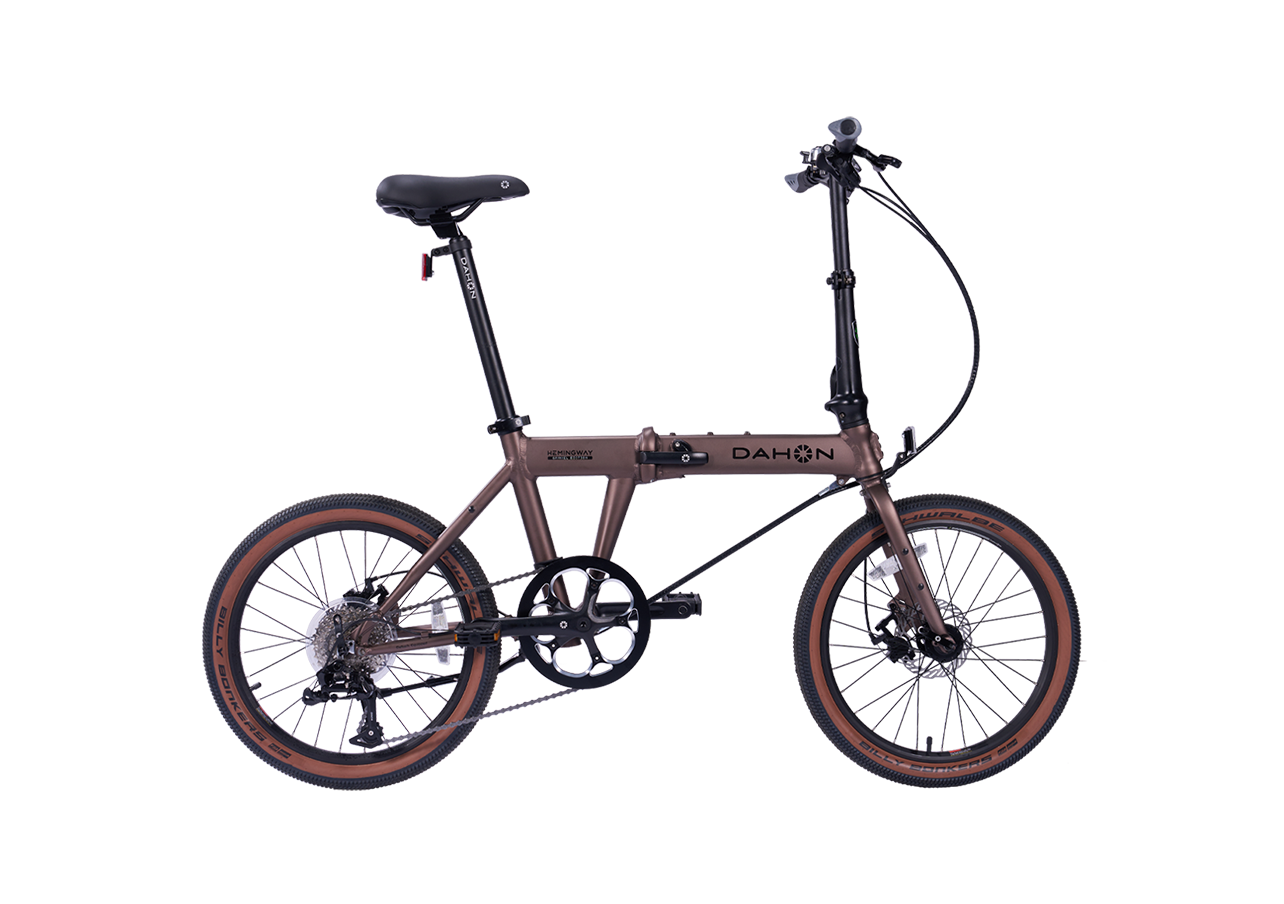
Yes for gravel/light trails, no for extreme MTB. Specialized models with tension cables handle park trails and weekend adventures, though not black-diamond downhill.
While they excel in paved city environments, can you take an adventure folding bike off the beaten path? The answer is yes, but with caveats regarding the terrain.
Standard folders are built for pavement, but specialized models are designed for tougher conditions. With stiffer frames, which are often reinforced with technologies like a tension cable (such as the DELTECH cable) to reduce frame flex, and wider tires, some folding bikes offer a rigid, responsive ride suitable for gravel paths and light touring.
While you might not take a folding bike down a black-diamond downhill mountain bike course, a robust adventure folding bike is more than capable of handling weekend excursions, park trails, and fitness rides. They offer the rigidity needed for efficient energy transfer, meaning you can ride long distances without feeling like you are fighting the bike. For the average outdoor enthusiast, a folder offers plenty of durability.
To Fold or Not to Fold?
So, is it worth it? Let’s summarize the trade-offs.
The Pros:
- Unmatched Portability: Fits in car trunks, crowded trains, and under office desks.
- Theft Prevention: Stays with you indoors, removing the anxiety of street parking.
- Multi-Modal Commuting: Seamless integration with public transit expands your travel range.
- Adjustability: One bike often fits the whole family (typically riders from 4'9" to 6'4").
- Resale Value: Quality folding bikes tend to hold their value well due to their durability and utility.
The Cons:
- Ride Feel: Smaller wheels can feel more responsive (or "twitchy") to new riders compared to big wheels, though this stabilizes quickly with experience.
- Complexity: The folding mechanisms introduce moving parts (hinges) that need occasional cleaning and maintenance to prevent creaking.
- Bump Sensitivity: Smaller wheels don't roll over potholes as easily as large wheels, so you need to keep a closer eye on the road surface.
For the vast majority of urban riders and commuters, the convenience and security far outweigh the minor trade-offs.
Conclusion
Folding bikes remove the barriers of parking, theft, and transit restrictions, allowing you to ride whenever and wherever you choose. Whether you are a daily commuter in a bustling metropolis or a weekend explorer looking for a portable adventure, the flexibility of a folder is unmatched.
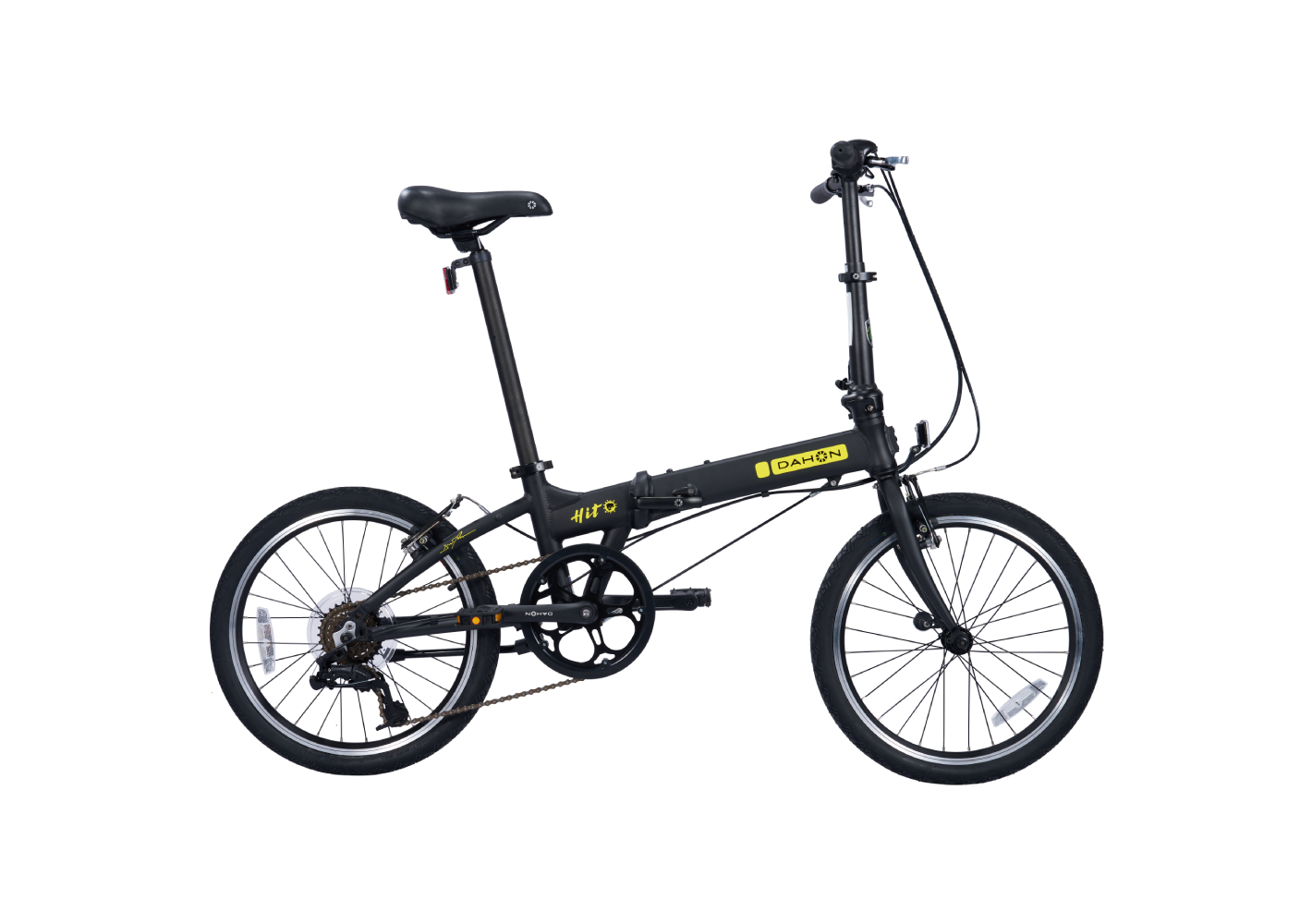
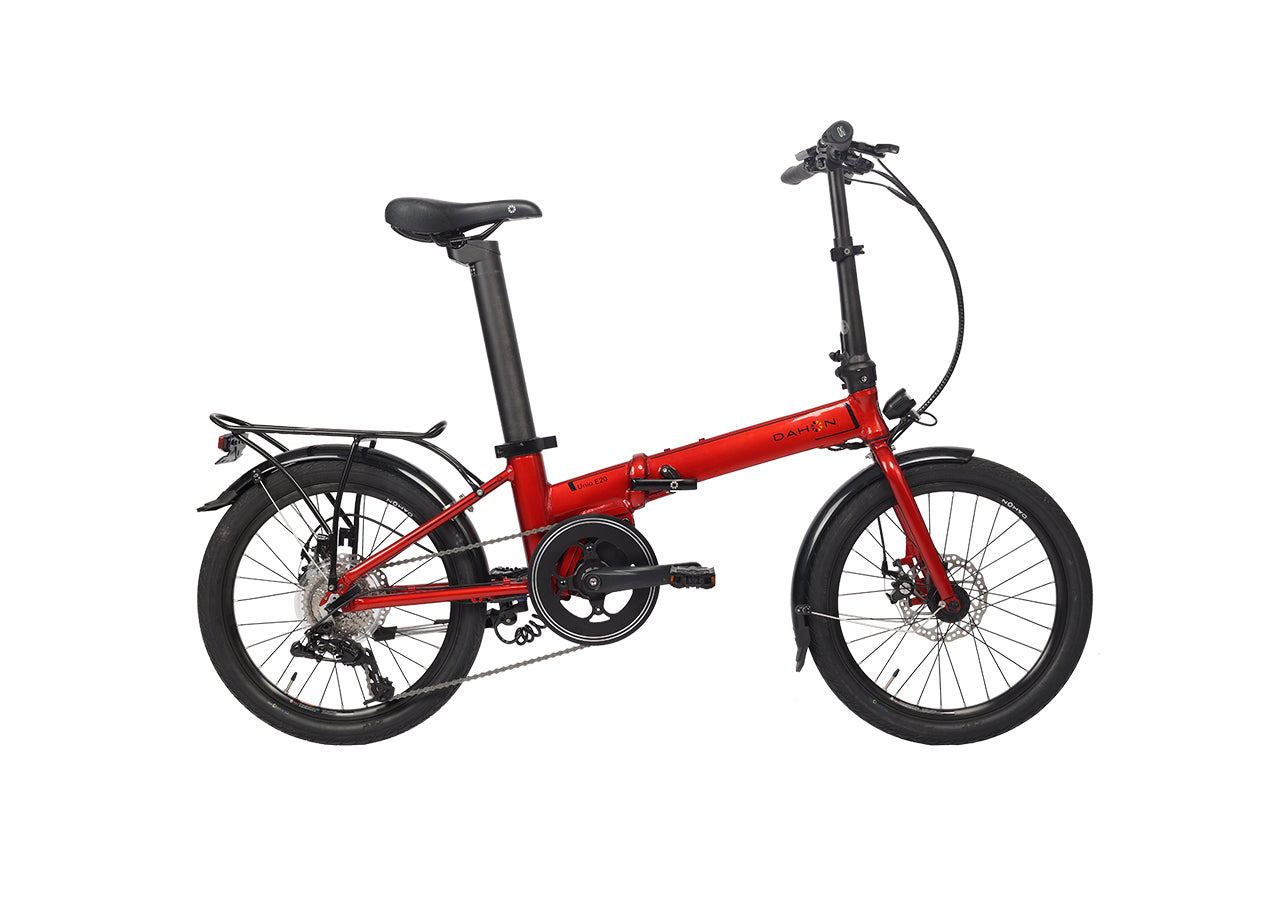
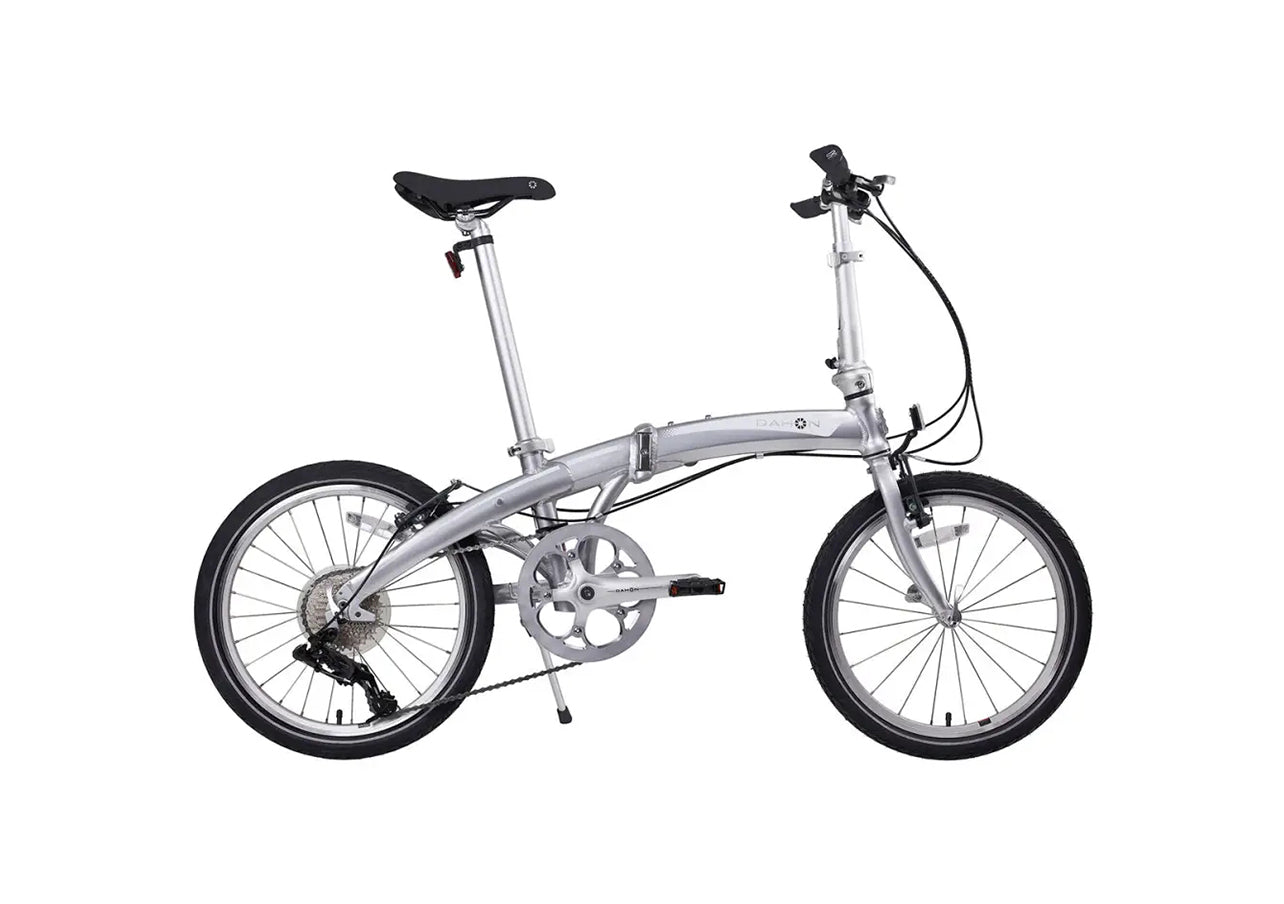
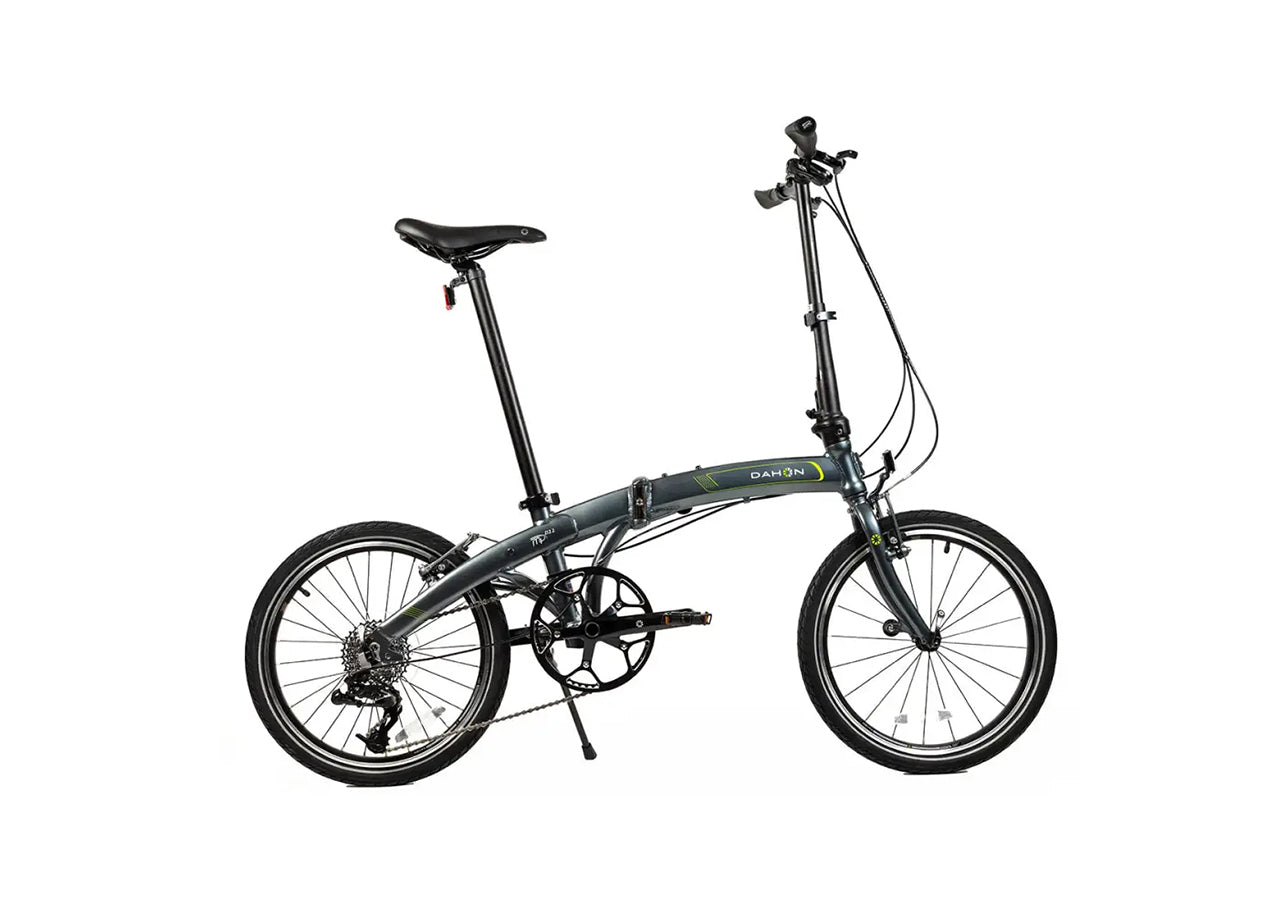
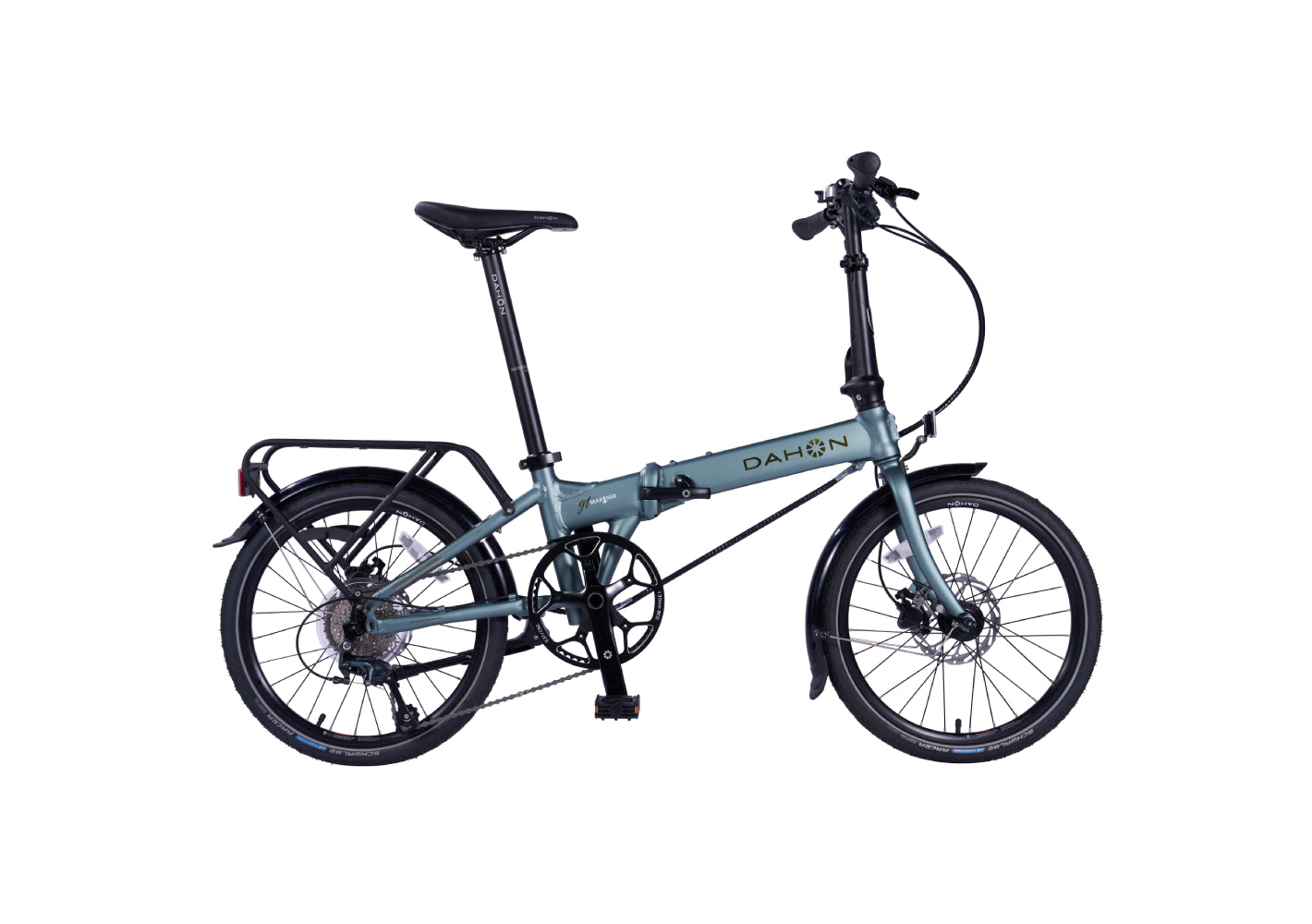
Ready to reclaim your commute? As the global leader in folding technology with over 40 years of innovation, DAHON offers a bike for every rider. From the legendary Mariner D8 to the speed-focused Launch series, discover the perfect fold for your lifestyle at DAHON.
More FAQs
Q1: Are folding bikes slow?
No. With high-pressure tires and proper gearing, a foldable bike can match the speed of standard city bikes. You might not win the Tour de France, but you will certainly keep up with traffic.
Q2: What is a lightweight folding bike?
A lightweight folding bike typically weighs between 20 to 25 lbs (roughly 9-11 kg). This makes it easy to carry up stairs or lift into a bus. Materials like high-grade aluminum or carbon fiber help keep the weight down without sacrificing strength.
Q3: Can they carry heavy riders?
Yes. Despite their compact size, quality frames are robust. Many are rated for riders up to 230 lbs (105 kg) or more, depending on the specific model and frame material. Always check the manufacturer's specifications.
Q4: Can I install a child seat on a folding bike?
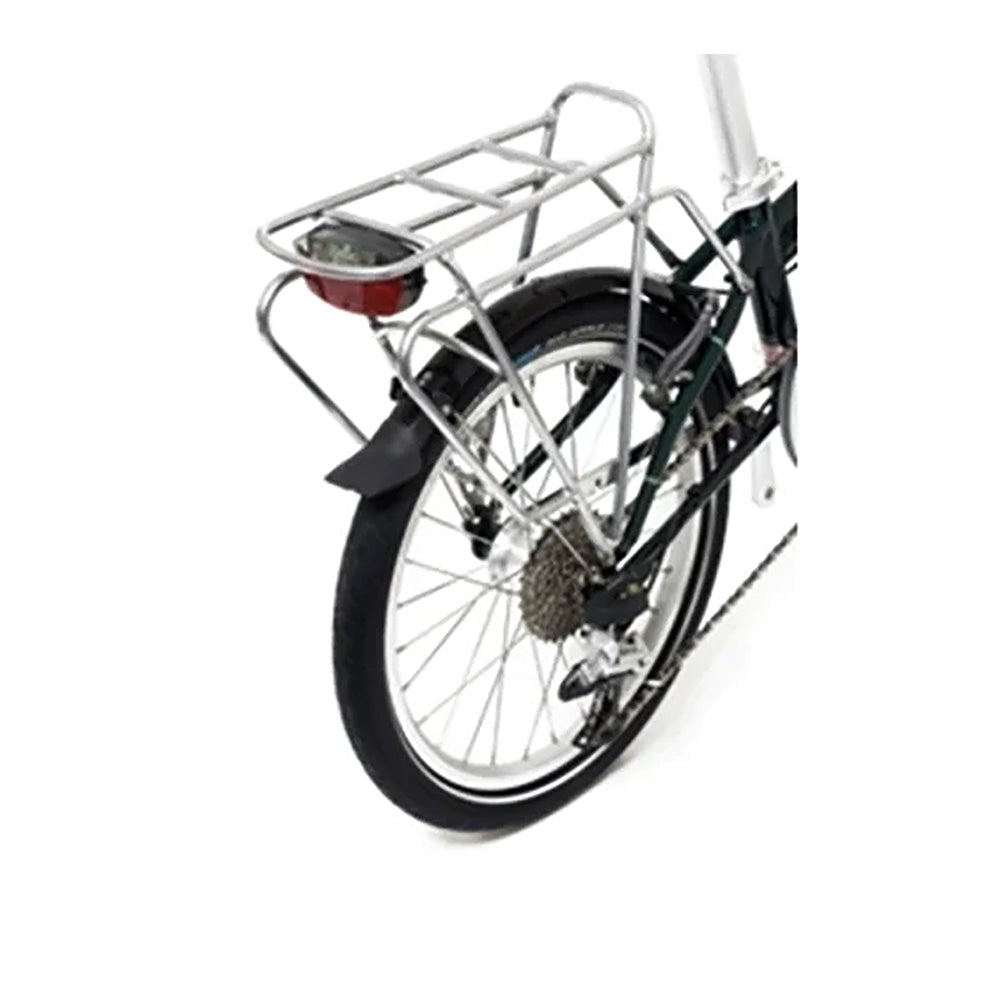
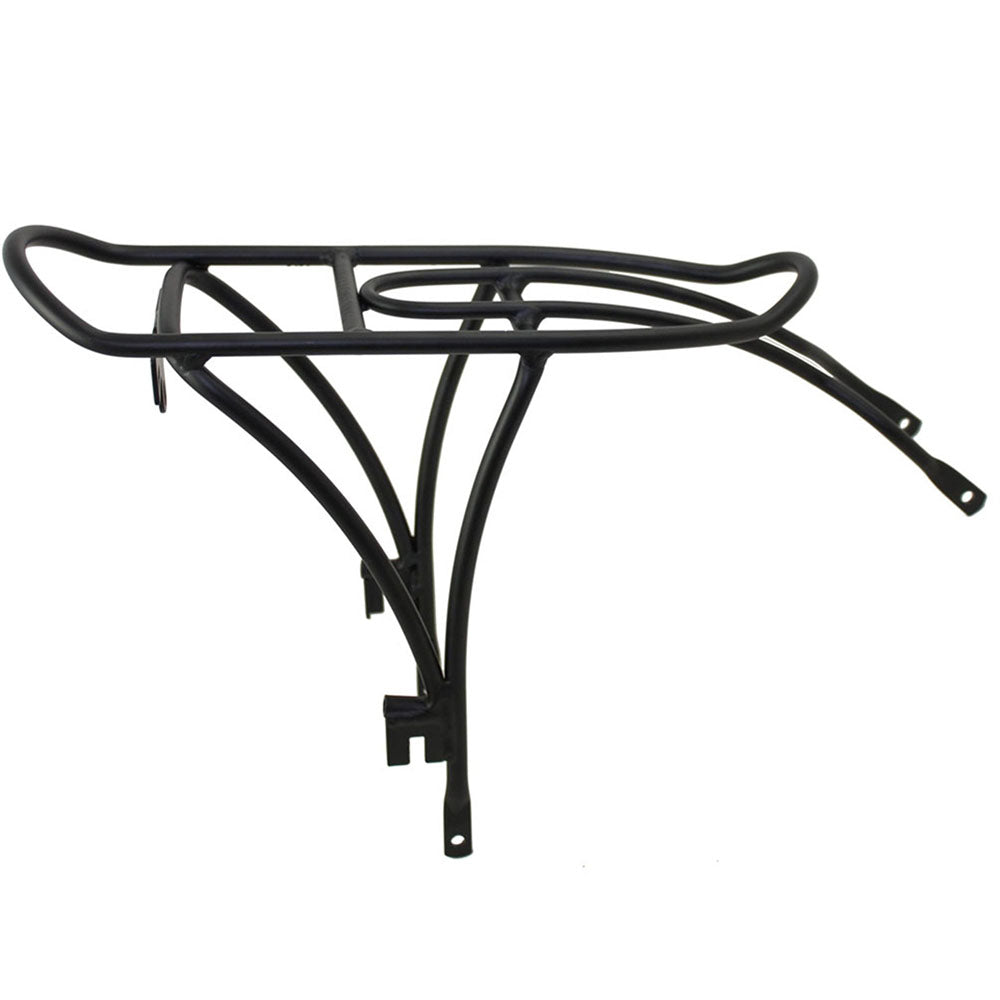
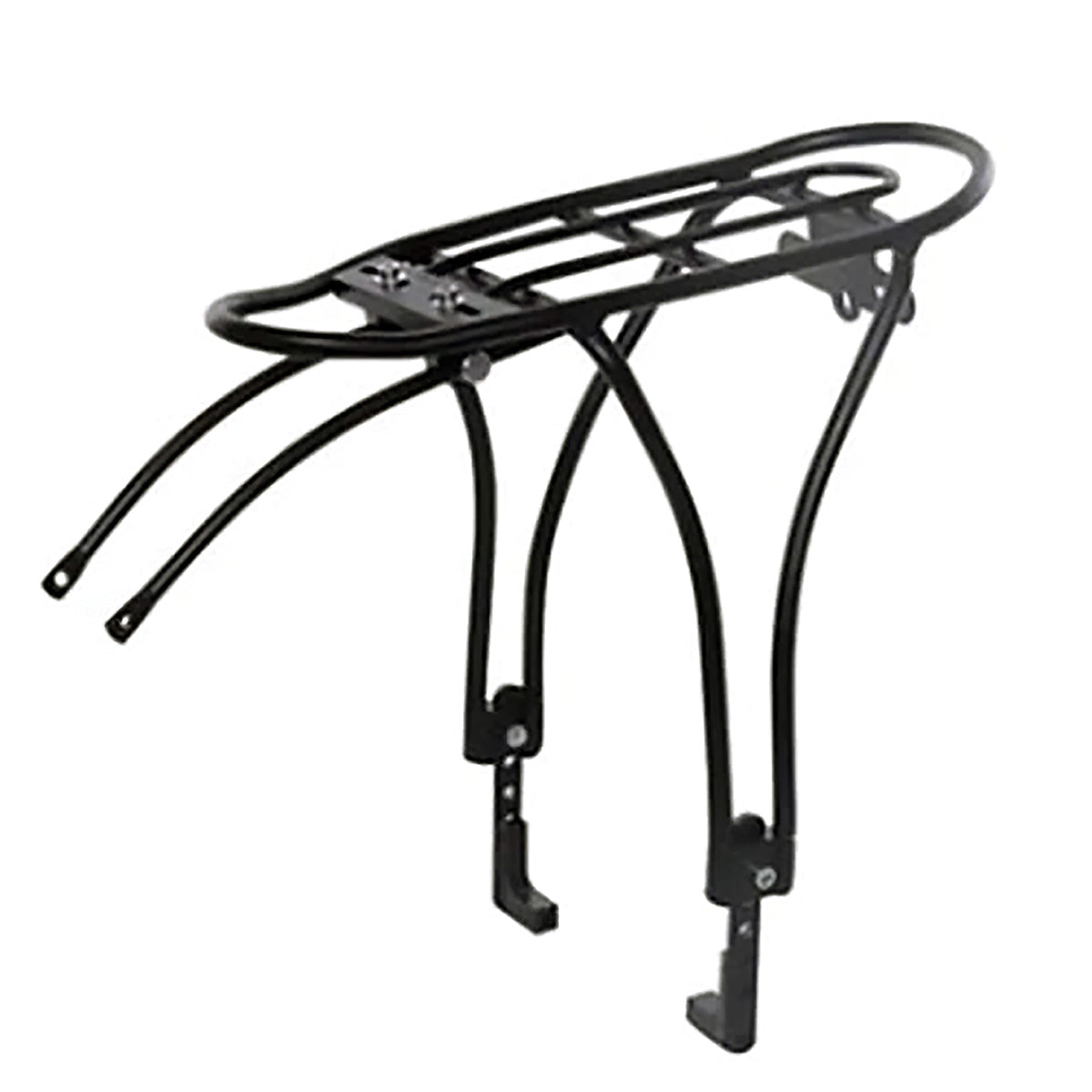
It depends on the model. Some robust folding bikes allow for rear racks that can support a child seat, but you must ensure the bike’s weight limit accommodates both the rider and the child.
Q5: Are they expensive to maintain?
Not necessarily. Most components (chains, brakes, tires) are standard bicycle parts available at any bike shop. The only unique parts are the frame hinges, which simply need to be kept clean and lubricated.










Share:
Regular Bikes vs. Folding Bikes: Pros & Cons — How to Choose the Right Ride
DAHON at Sea Otter Classic 2026 — Ride the Future of Folding Bikes