


For most people, the cost of commuting by car starts and ends with gas. Maybe parking too. But when you add it all up: fuel, parking, tolls, maintenance, insurance, and the hours you'll never get back, the number almost always comes out higher than expected. Here's a clear breakdown of what the average American car commute actually costs per year, and what the math looks like if you swapped even part of it for a folding bike.
How Much Does It Cost to Commute by Car Each Year
The average American commutes about 16 miles (26 km) each way. Once you add up everything below, the total tends to surprise people.
The Costs Most Commuters Actually Track
Fuel
At roughly $3.15/gallon and 28 mpg, a 16-mile (26 km) one-way commute runs about $70–$90/month in gas, depending on driving conditions and fuel prices. Over a year, that's $780–$1,080 before prices shift.
Parking
Costs vary widely: free in some suburbs, $300/month or more in major cities. Even $5/day in lot parking adds up to $1,100/year. In cities like New York or San Francisco, monthly garage parking can reach $3,600/year or more.
Tolls
Toll costs depend almost entirely on where you live. According to Mercury Insurance (2025), New York commuters pay an average of $4,680/year in tolls alone, not including fuel or parking.
The Costs Most Commuters Forget
Maintenance and Wear
The IRS 2026 standard mileage rate is $0.725/mile, a commonly used benchmark that approximates the full per-mile cost of operating a vehicle: fuel, maintenance, wear, and depreciation combined. Looking at maintenance and wear alone, a round-trip commute of 32 miles (51 km) per day typically costs $100–$150/month, or $1,200–$1,800/year, based on industry repair and tire data.
Insurance (Your Commute's Share)
The average U.S. car insurance premium is $1,694/year (AAA, 2025). If commuting accounts for roughly half of your annual mileage, about $700–$850/year goes directly towards getting to and from work.
Annual Car Commute Cost Summary
| Cost Category | Low Estimate | High Estimate |
|---|---|---|
| Fuel | $780 | $1,080 |
| Parking | $0 | $3,600+ |
| Tolls | $0 | $2,000+ |
| Maintenance & wear | $1,200 | $1,800 |
| Insurance (commute share) | $700 | $850 |
| Total | ~$2,680 | $9,330+ |
Research from Coast puts the average commute-related cost (fuel + maintenance + insurance share) at $2,043/year. Add parking and tolls land somewhere between $3,000 and $6,000 per year, paid purely to get to work and back.
The Car Commute Costs that Never Show Up on Your Bills
Two more factors push the true cost of commuting by car higher still: your time and your vehicle's depreciation.
Your Time Has a Dollar Value
The average U.S. commuter spends about 27 minutes each way in transit (U.S. Census Bureau, 2024 ACS), roughly 54 minutes per day round trip. Over 250 working days, that's around 225 hours per year, or about 9 full 24-hour days.
At the U.S. median hourly wage of about $24 (BLS, May 2024), those 225 hours represent roughly $5,400 in opportunity cost. That number won't appear on your bank statement. But it's real time that could have gone toward work, rest, or anything else you'd actually choose to do.
Depreciation: The Cost You See Only When You Sell
New vehicles lose an average of $4,334 per year in value during the first five years of ownership (AAA, 2025). Commute miles accelerate that decline. A car with 80,000 commute miles by the 5th year typically sells for considerably less than a comparable low-mileage vehicle. The loss is real; it only becomes visible on the day you sell or trade in.
Run Your Own Numbers
Use this simple framework to estimate your out-of-pocket commute cost. This covers the visible expenses only; depreciation and time are on top:
- Round-trip miles x $0.15–$0.25 x 250 days = wear cost
- Monthly parking x 12 = parking cost
- Weekly tolls x 50 = toll cost
- Monthly fuel x 12 = fuel cost
- Annual car insurance / 2 = commute insurance share
Add those up. Then look at what the same commute costs on a bike.
How Much Cheaper Is Biking to Work Than Driving
The difference in cost between car commute and bike commute is wider than most people expect. Here's what the numbers look like.
What Bike Commuting Actually Costs Per Year
| Cost | Bike | Car |
|---|---|---|
| Purchase (annualized over 5 years) | $100–$240/yr | $1,500–$3,000+/yr |
| Maintenance | $100–$200/yr | $1,200–$1,800/yr |
| Fuel | $0 | $780–$1,080/yr |
| Parking | $0–$15/yr | $0–$3,600+/yr |
| Insurance | $0–$100/yr (optional) | $1,694/yr avg |
| Annual total | ~$200–$540 | ~$2,680–$9,330+ |
Even a well-maintained commuter bike costs a fraction of what a car commute runs annually.
The Savings Range by How Often You Ride
For someone spending around $4,000/year on their car commute:
- 2 days/week by bike (rest by car): save about $1,500/year
- 3 days/week by bike: save about $2,400/year
- Full switch (where feasible): save $3,500–$5,000+/year
Is biking to work cheaper? By almost any calculation, yes. Even partial switching produces real savings.
What This Doesn't Account For
Bike commuting isn't practical for every situation. Distance, terrain, weather, and workplace facilities all play a role. A partial switch, riding on good weather days and driving or taking transit otherwise, doesn't require overhauling your routine, but it does produce meaningful savings over time.
That said, a standard bike creates its own practical friction. There's no easy solution to storage, rainy days, or theft risk. Those friction points are exactly why many people stop riding within the first few weeks.
Why Most People Still Hesitate about Bike Commuting
The real barrier to sustained bike commuting usually isn't fitness or distance. It's logistics.
The three most common reasons people quit:
- No secure place to store the bike at the office
- No backup plan for rain or unexpected schedule changes
- Fear of theft when leaving the bike outside
A standard bike doesn't solve any of these. A folding bike addresses most of them directly.

What Makes Folding Bikes Different
Storage
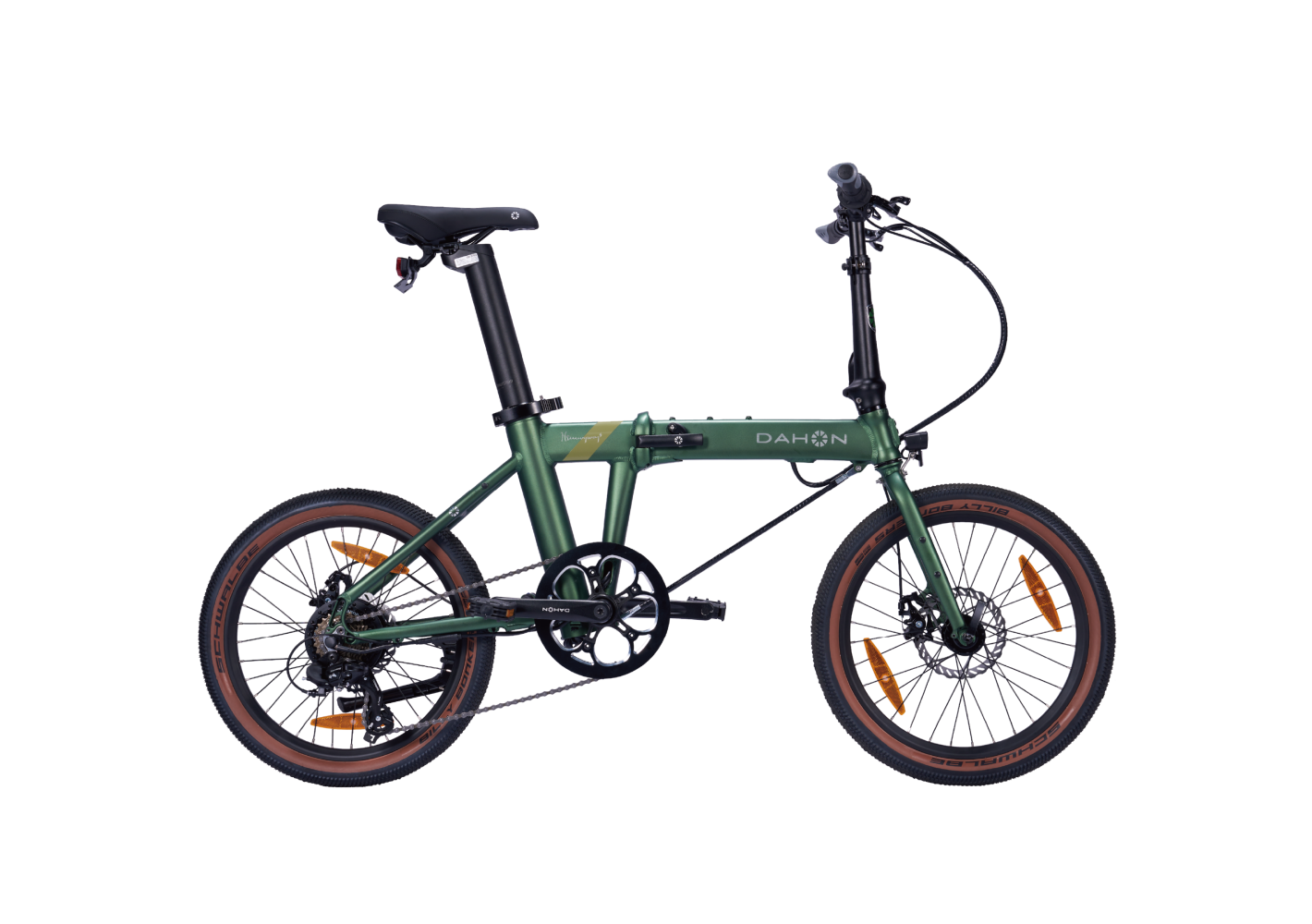
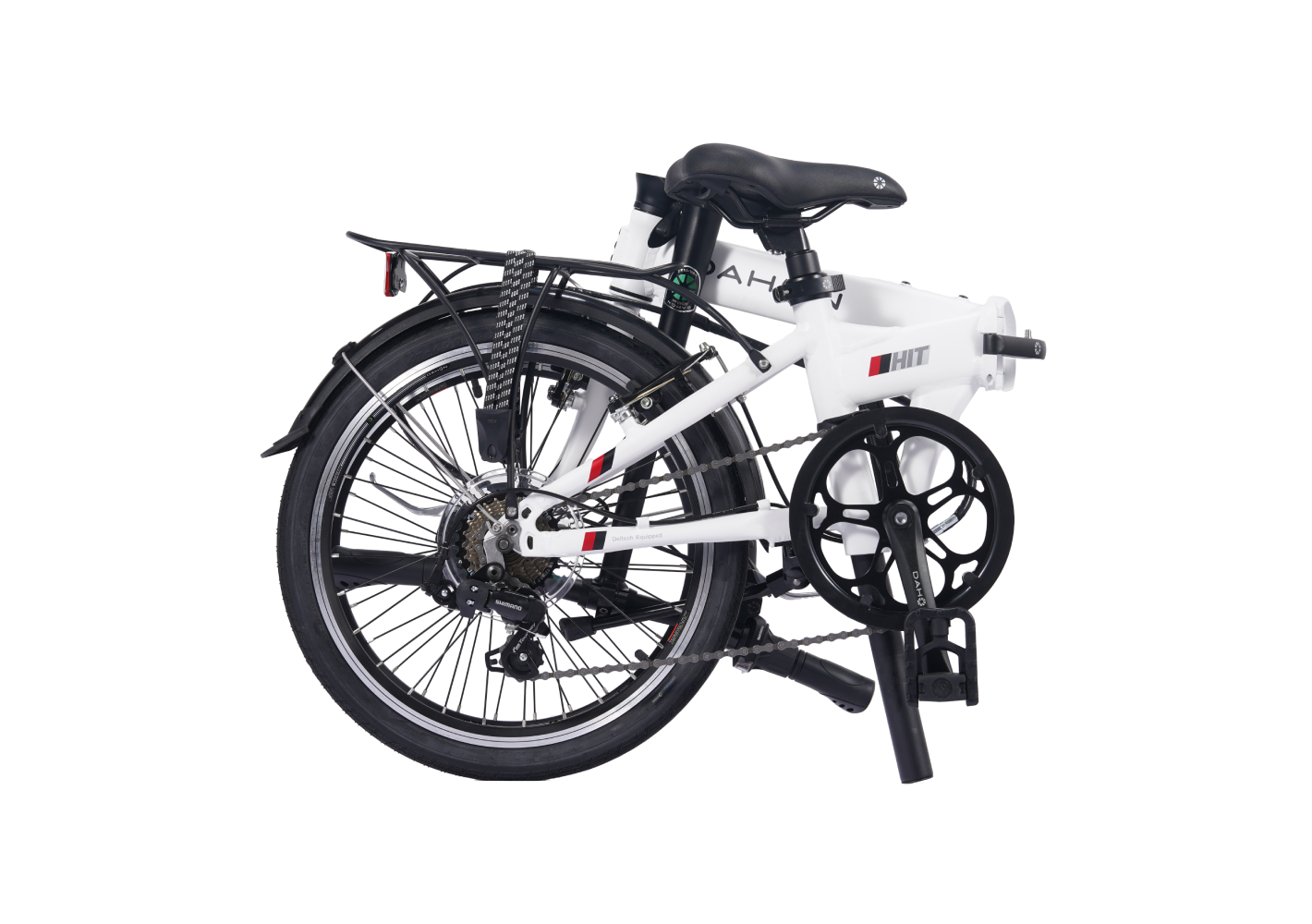
Folded, a quality commuter folding bike is compact enough to carry into an elevator, store under a desk, or fit in a car trunk. No outdoor rack needed.
Multi-Modal Flexibility
On rainy days, fold it and take the subway or bus. Drive part of the way and ride the last few miles. The bike adapts to your day rather than the other way around.
Theft Prevention
When the bike comes inside with you, theft risk drops to near zero when the bike is stored indoors. This removes a top reason people abandon bike commuting entirely.
These aren't convenience extras. They're what make folding bike commuting easier to stick with long-term compared to commuting on a standard bicycle.
The Investment in Numbers
A reliable commuter folding bike typically runs $400–$800. Spread across five years, that's $80–$160/year, which is less than two months of paid parking in most U.S. cities. For commuters who reduce driving even two days per week, the bike typically pays for itself within the first year.
Car or Bike Commute: Which One Actually Fits Your Life
| Car Commute | Folding Bike Commute | |
|---|---|---|
| Annual cost | $2,680–$9,330+ | $200–$540 |
| Time in transit | 225+ hours/year in traffic | Similar or faster for short distances |
| All-weather use | Any weather | Rain/snow requires alternatives |
| Distance flexibility | Any distance | Best under 10 miles (16 km); pairs well with transit |
| Storage at destination | Parking (at a cost) | Under a desk or in a closet |
| Physical effort | None | Moderate, builds fitness passively |
| Upfront cost | High | Low ($400–$800) |
| Cargo capacity | High | Limited |
| Environmental impact | High | Near zero |
Who Should Consider Switching (Fully or Partially)
- Short commute (1–5 miles / 1.6–8 km) + paid parking: The financial case is clearest here. Parking costs alone often cover the bike within months.
- Mid-range commute (5–12 miles / 8–19 km) + variable weather: Ride 3 days/week, take transit on bad days. A folding bike solves the "can't leave the bike outside" problem.
- Long commute (12+ miles / 19+ km) or suburban routes: Use the folding bike for first/last mile legs to avoid downtown parking. No need to ride the full distance.
- Free parking + low-traffic suburban route: The financial incentive is smaller, but reduced wear and added fitness still make partial switching worth considering.
A Simple Decision Framework
Three questions:
- Do you pay for parking?
- Is your one-way commute under 10 miles (16 km)?
- Does your city have public transit?
If two out of three are yes, bike commuting, even part-time, will almost certainly save you money.
Frequently Asked Questions
Q1: Are there tax benefits for bike commuting in the U.S.?
Some employers offer a tax-free bicycle commuter benefit of up to $30/month. For comparison, pre-tax parking benefits go up to $315/month (2025). Some states offer additional credits; check your state's tax authority for current rules.
Q2: Does reducing my commute mileage actually lower my car insurance?
Often, yes. Notifying your insurer of lower annual mileage frequently results in a lower rate. Pay-per-mile policies can save some drivers an additional $500–$900/year, depending on how much driving gets cut.
Q3: What if my commute is too long to bike the whole way?
Hybrid commuting works well: drive or take transit to a midpoint, then ride the last 3–5 miles (5–8 km). This avoids the most expensive downtown parking while keeping total ride time manageable.
Q4: How does bike commuting compare to public transit on cost?
A monthly transit pass runs roughly $90–$130/month in most U.S. cities, or $1,080–$1,560/year. From year two or three onward, a bike's annual cost typically falls below that total. A folding bike can also pair with transit on days when you'd rather not ride the full route.
Q5: What does a commuter bike actually cost to maintain each year?
Annual maintenance for a commuter bike typically runs $75–$130, covering brake pads, lubrication, and general tune-ups. Storing a folding bike indoors slows wear considerably compared to a bike left outside. Either way, it's a fraction of the $1,200–$1,800/year in typical car maintenance costs.
The Bottom Line
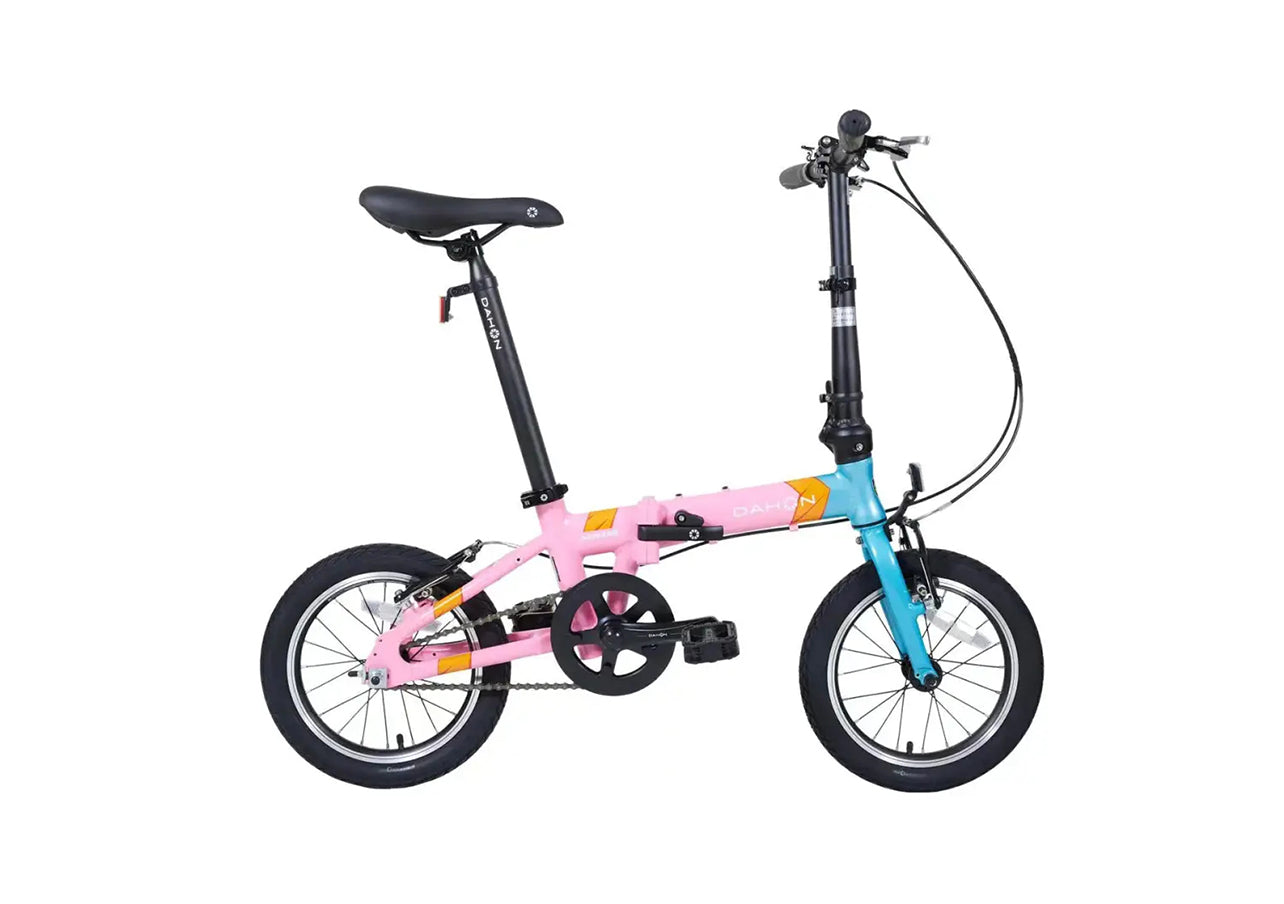
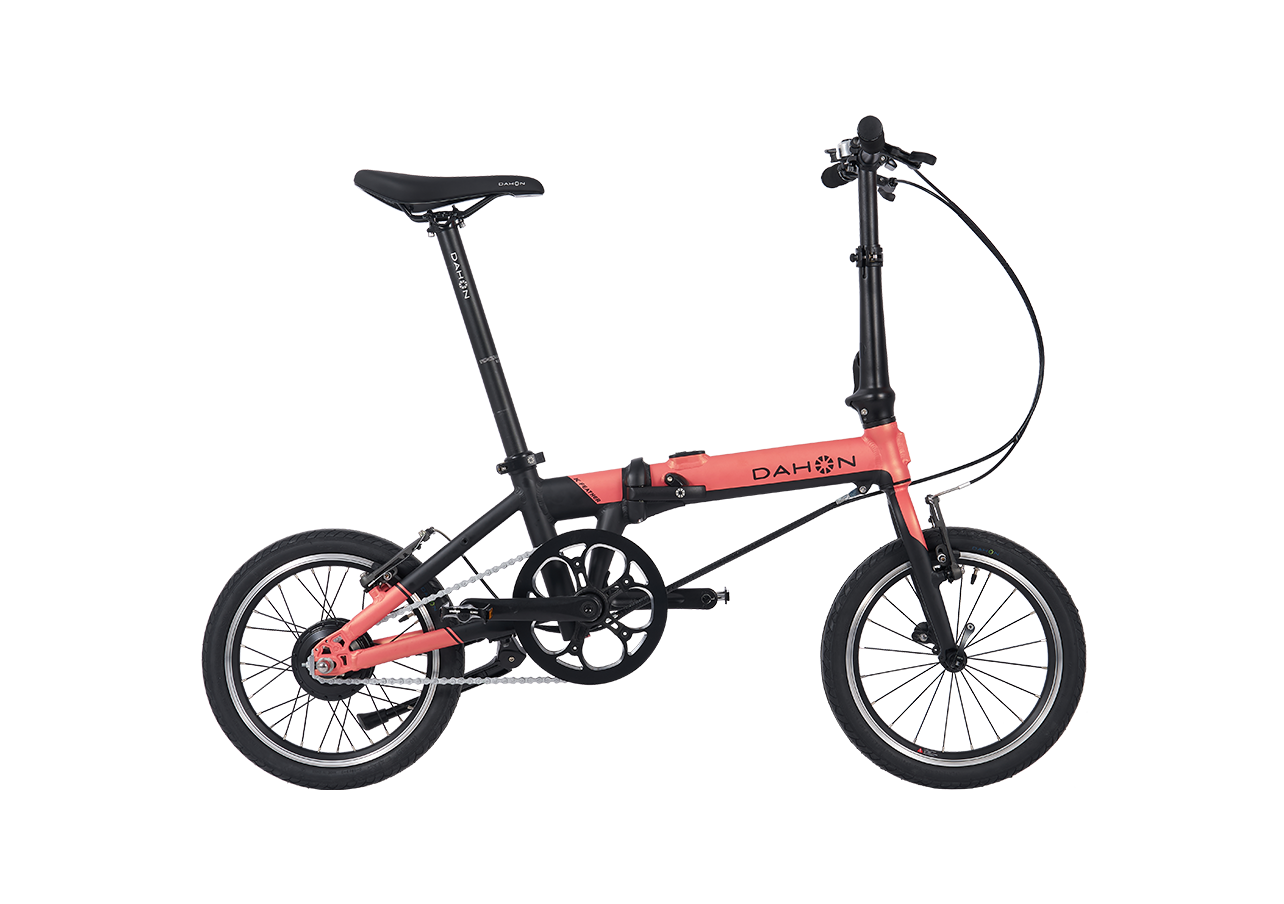
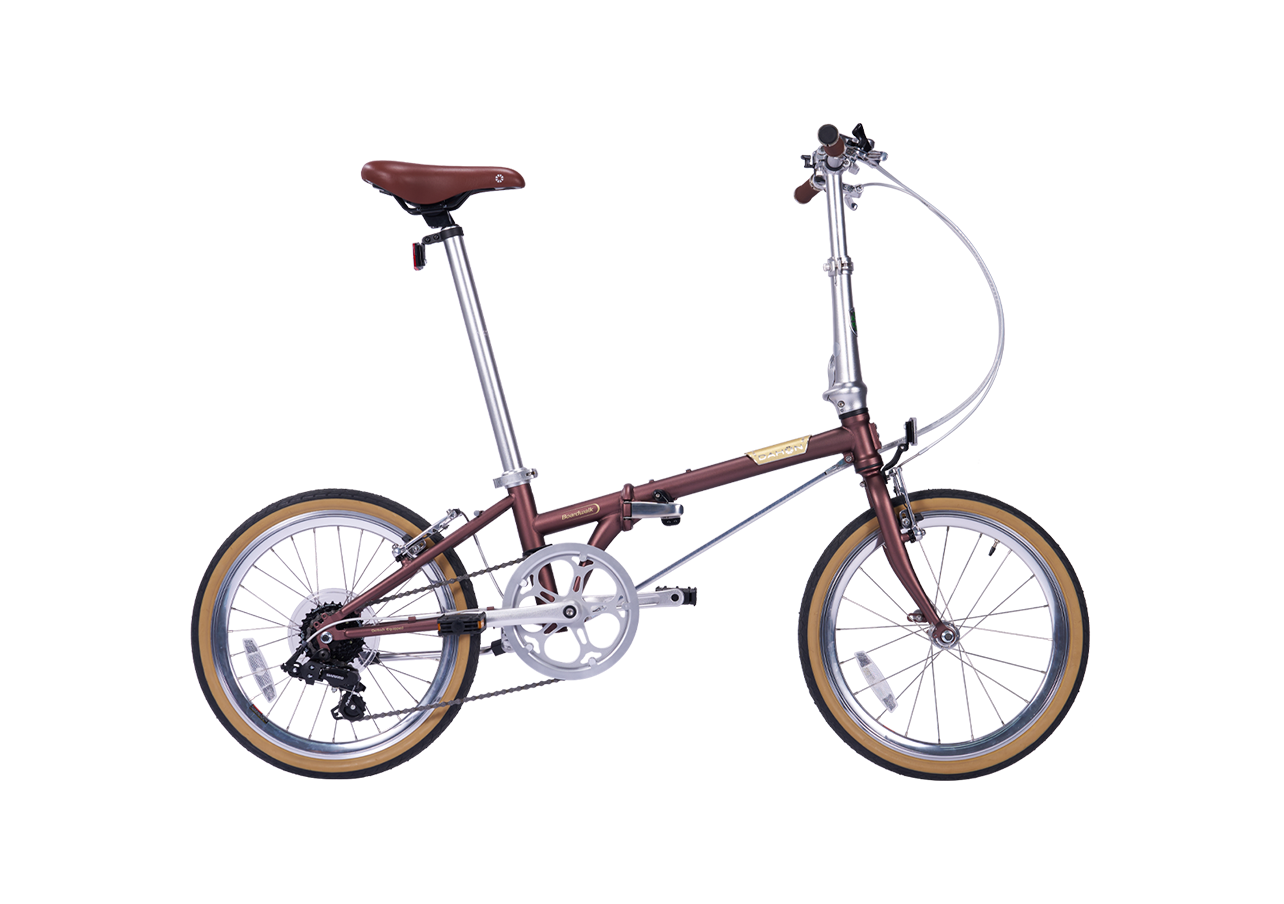
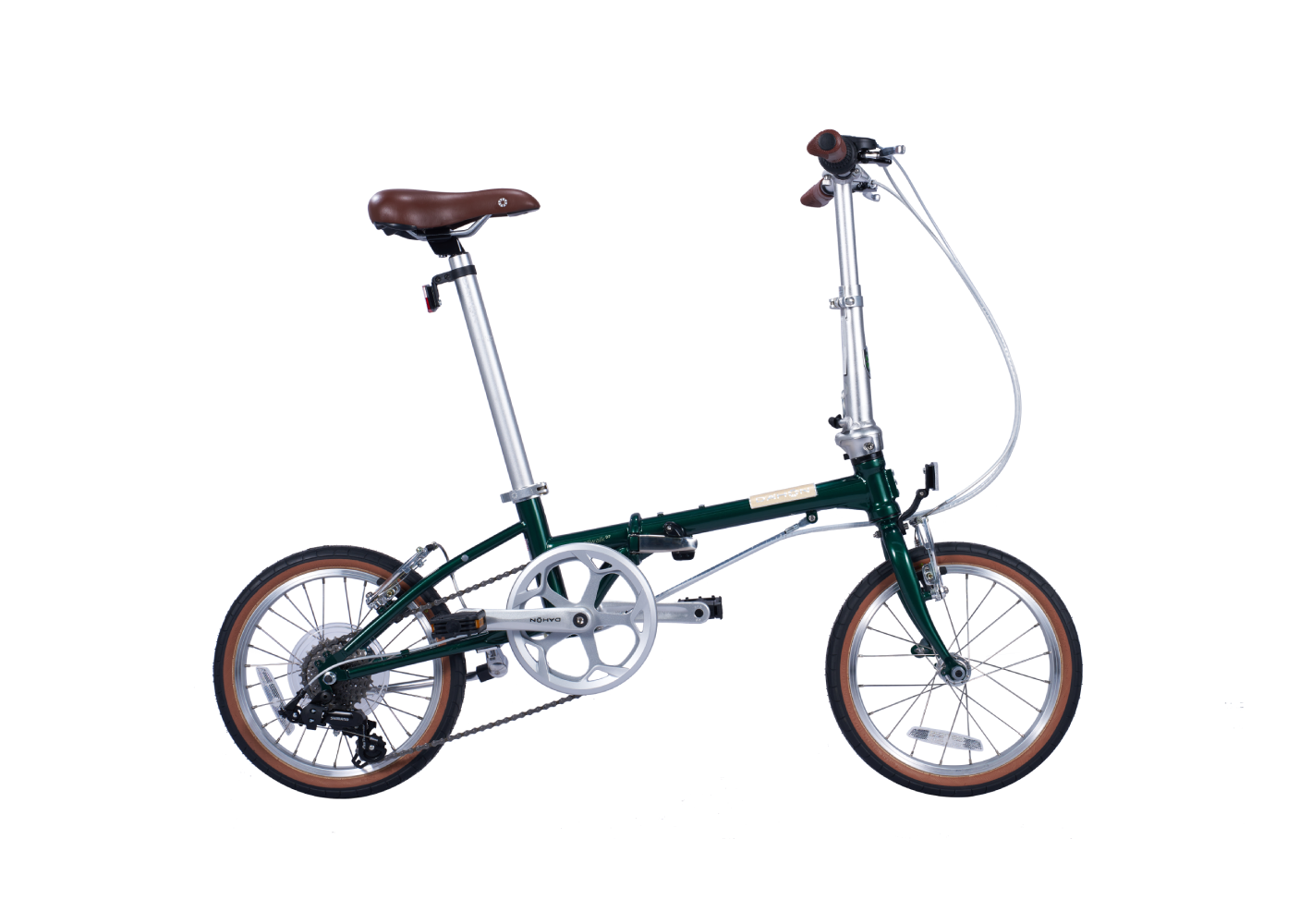
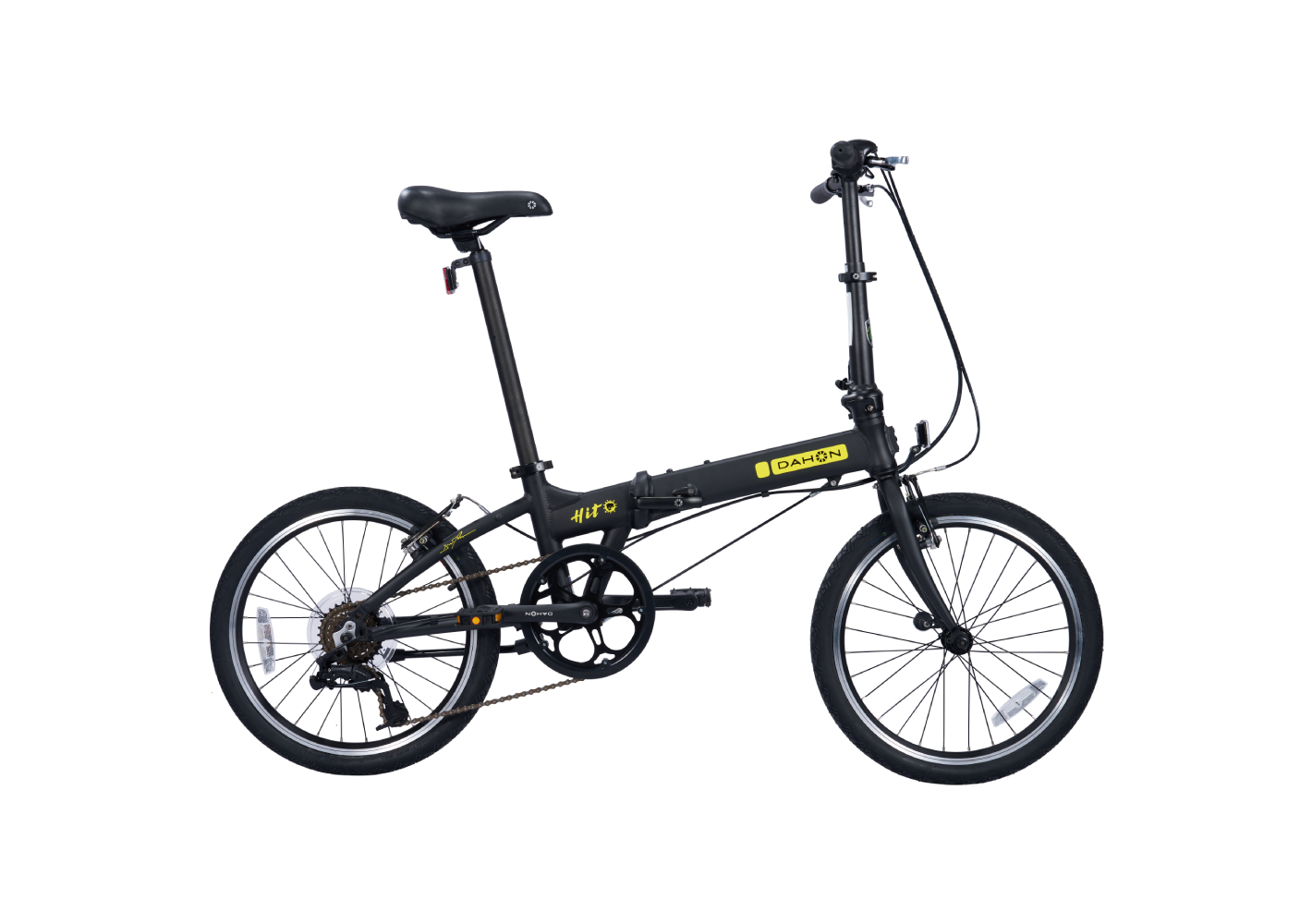
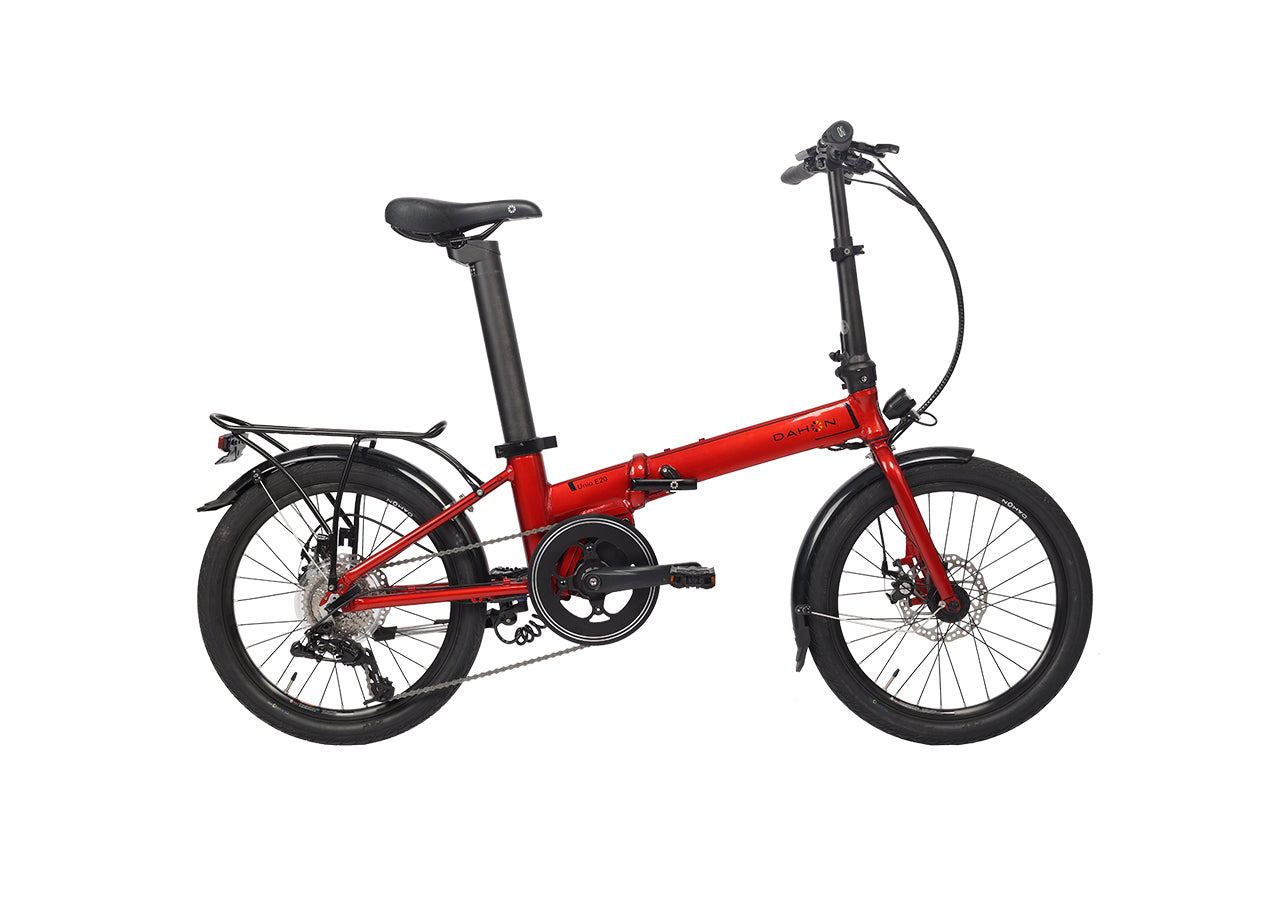
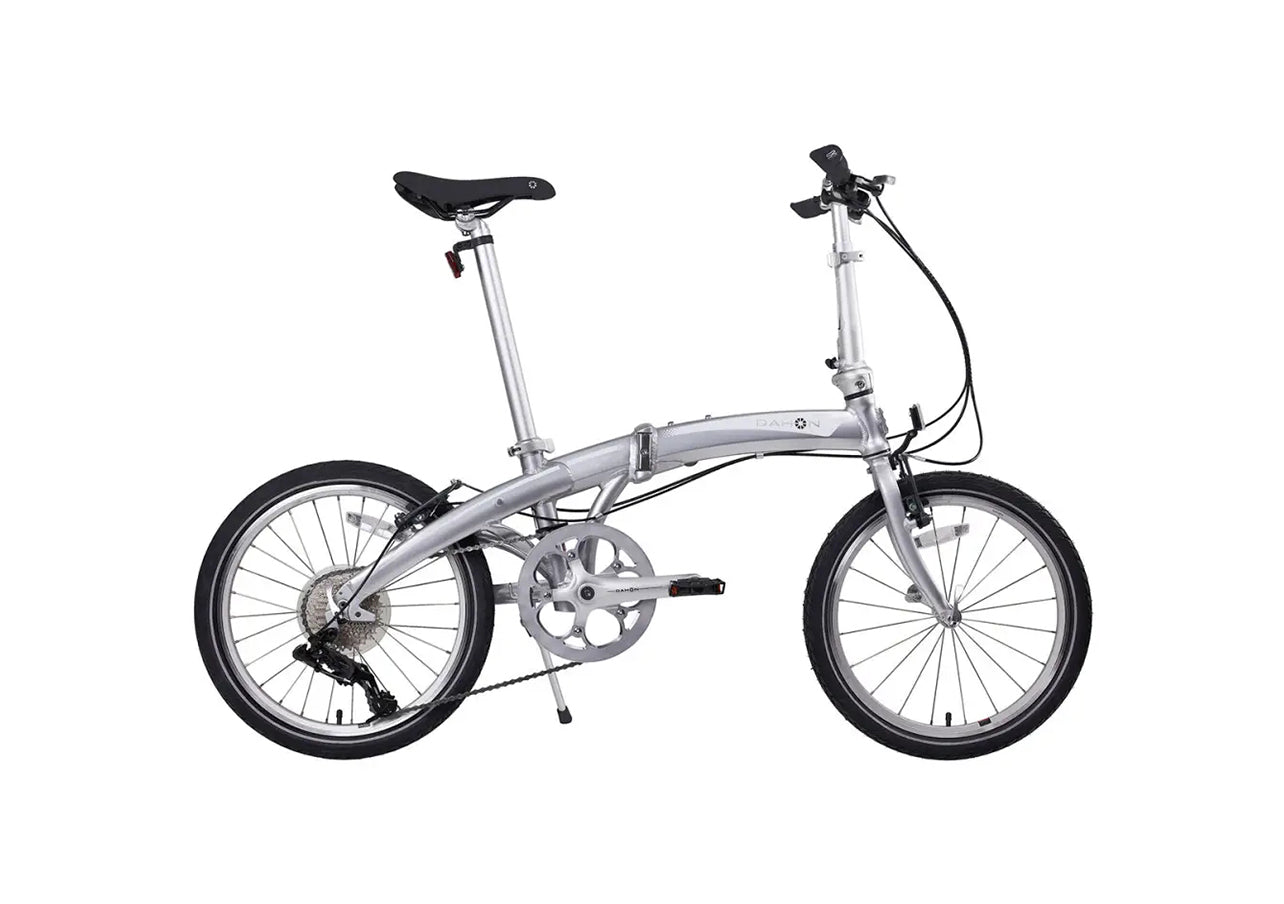
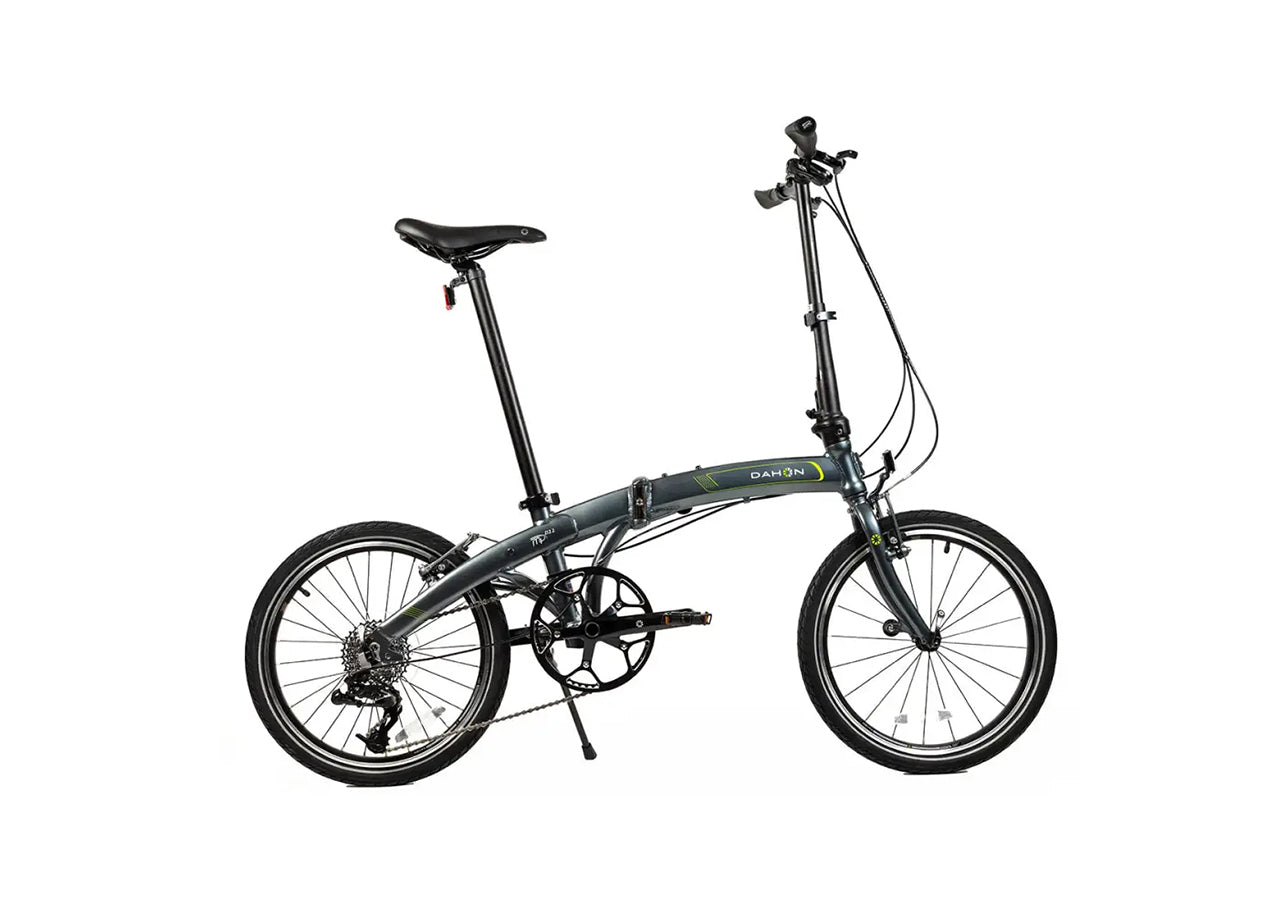
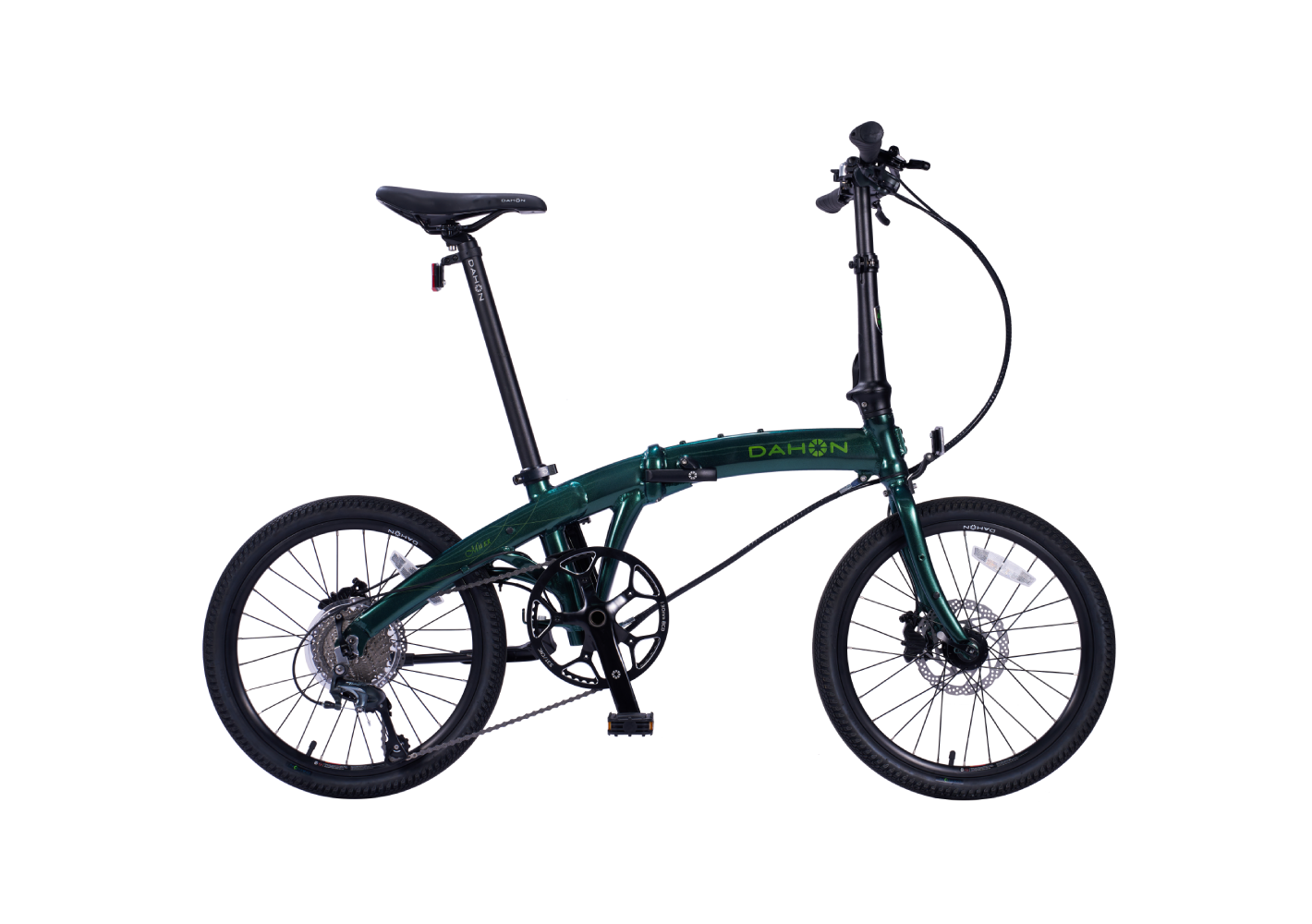
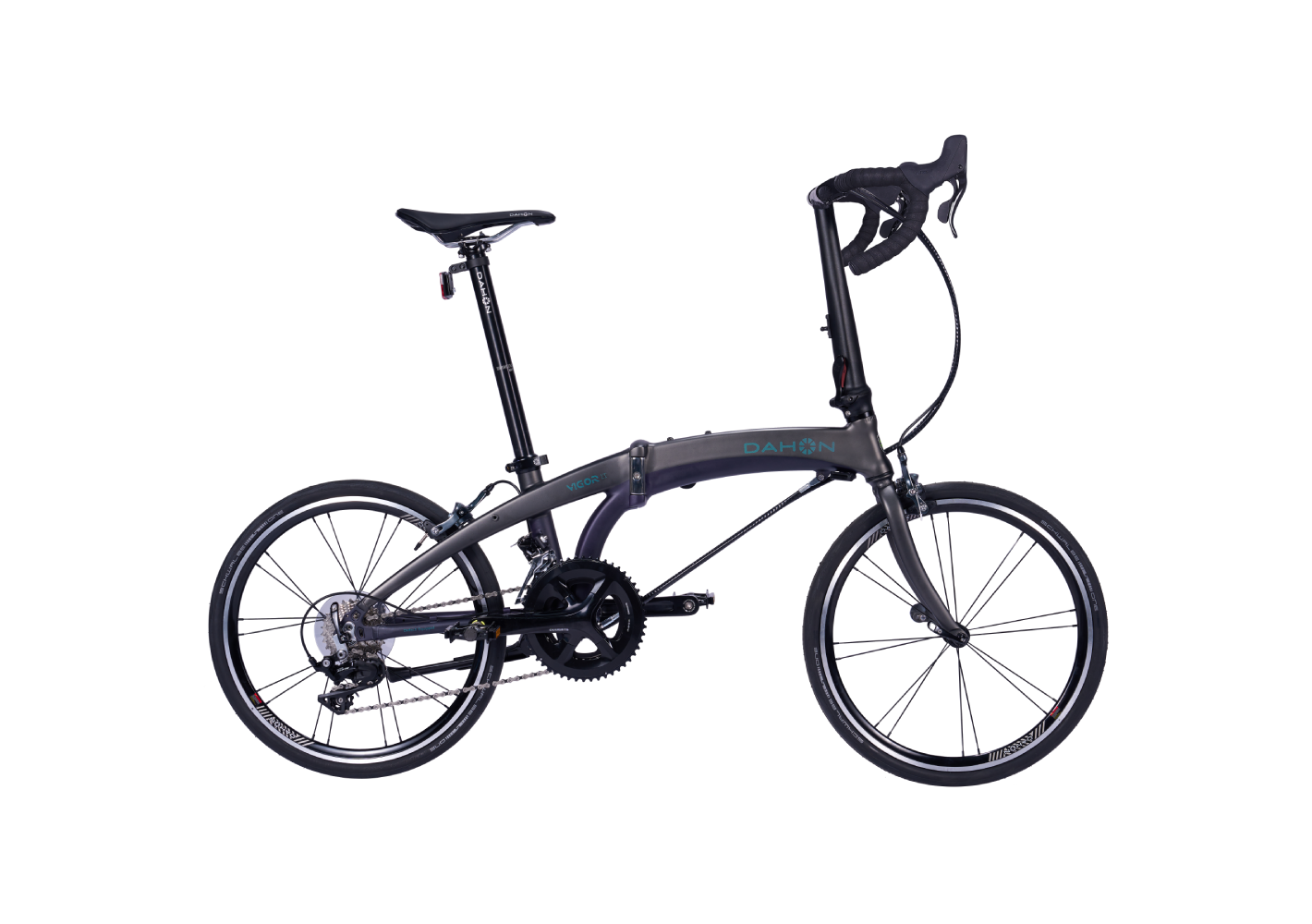
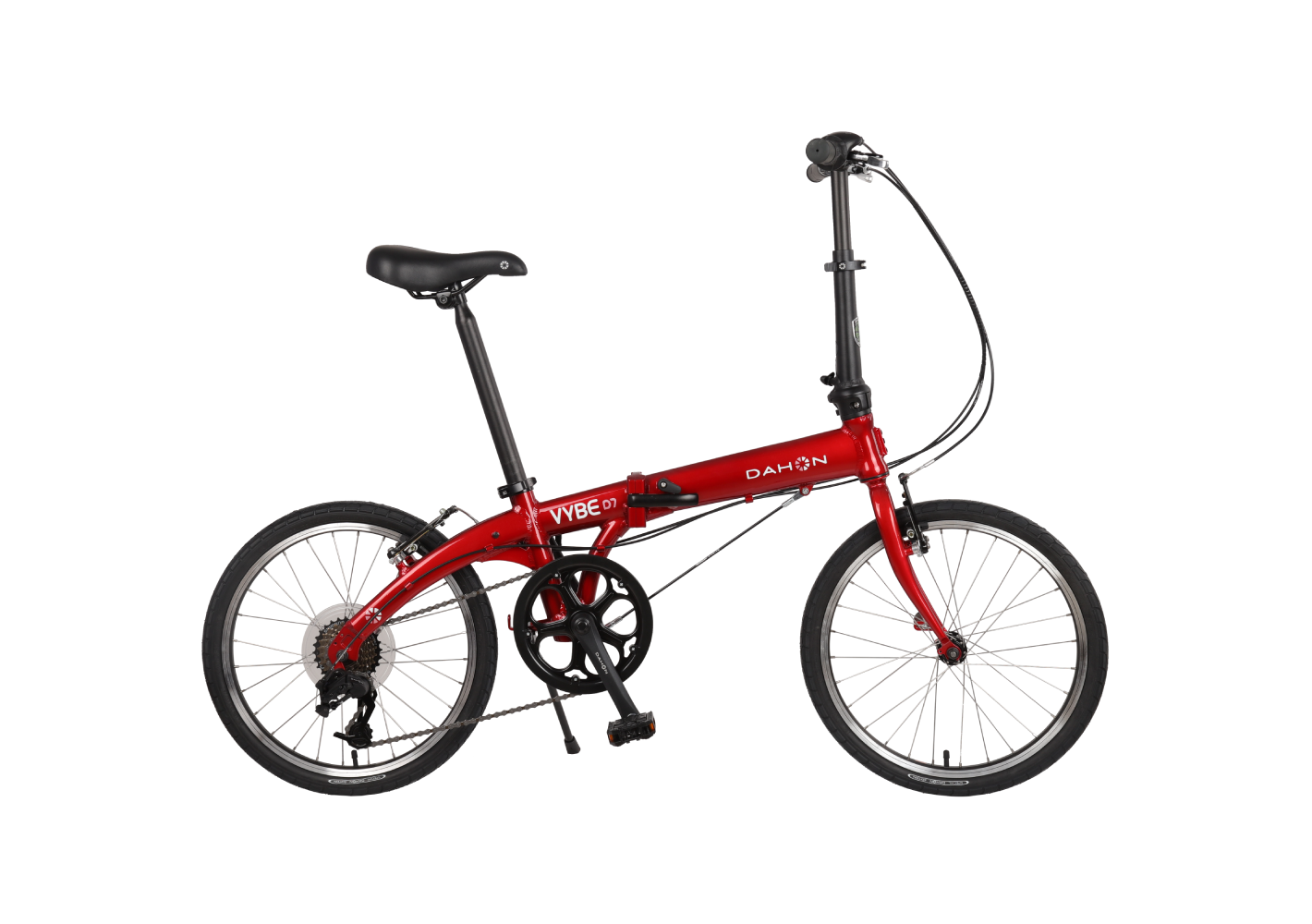
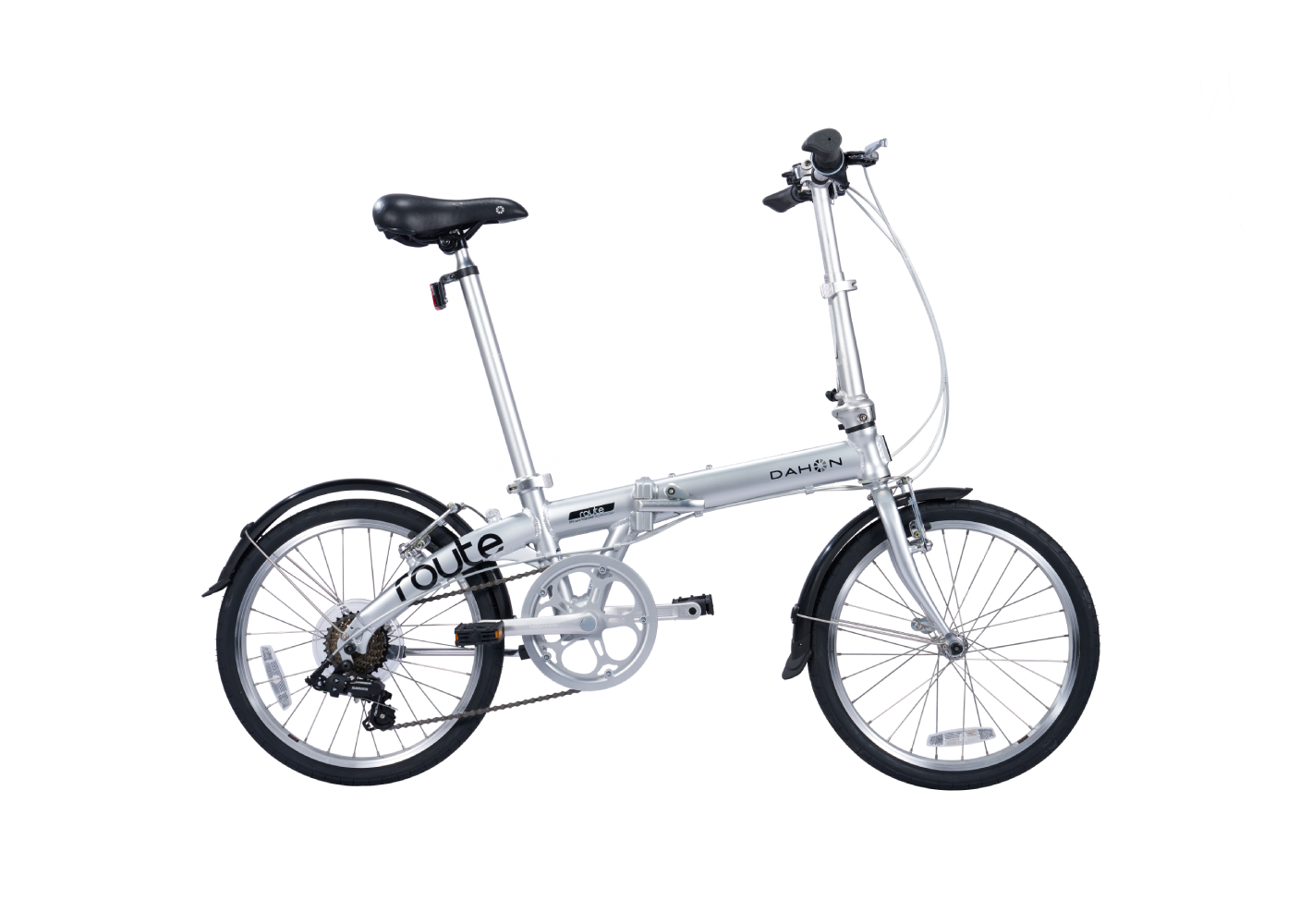
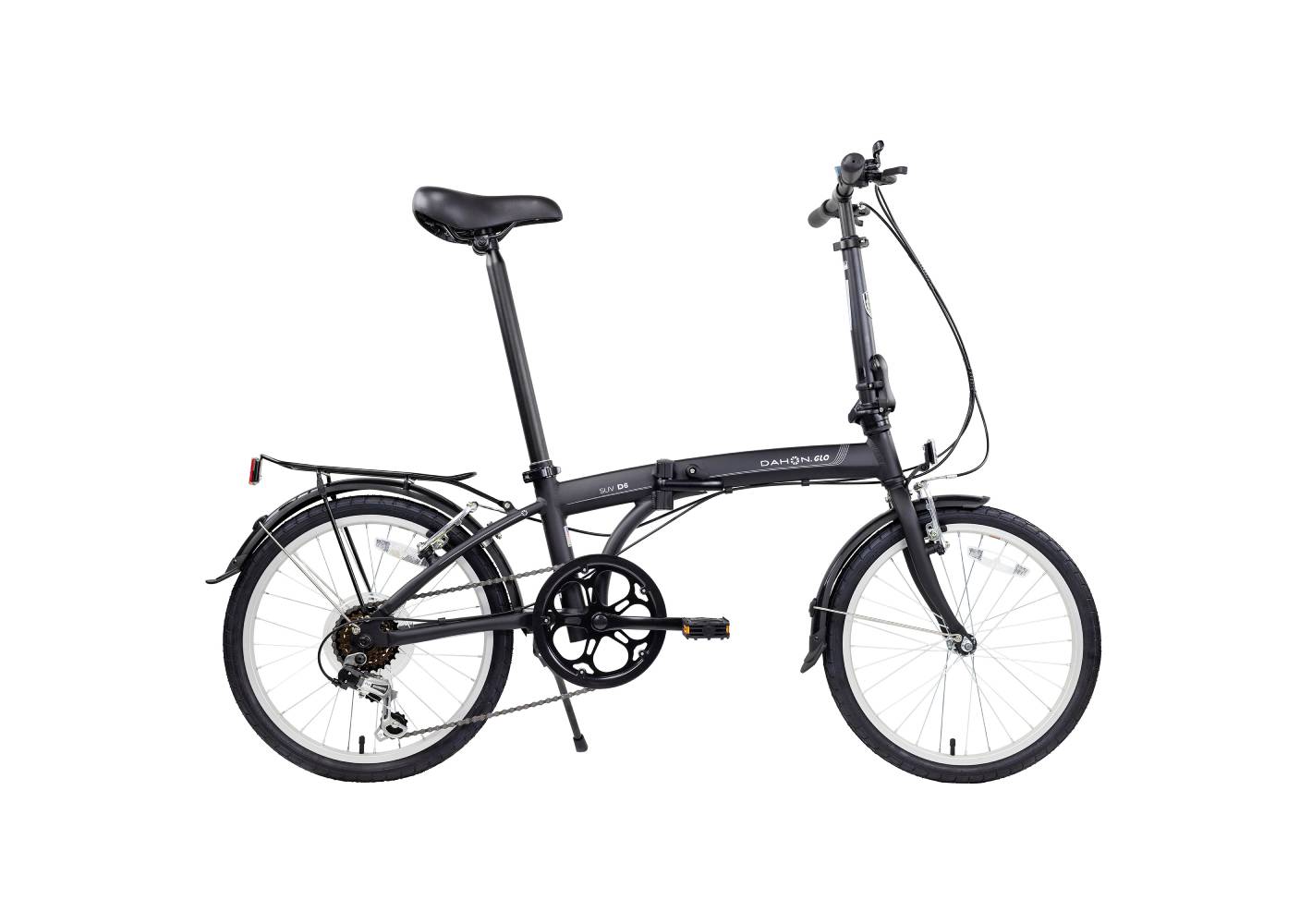
Most people treat the cost of commuting by car as a fixed expense. It isn't. Fuel, parking, wear, and time add up to thousands of dollars every year, and a real portion of that is reducible. You don't have to eliminate driving entirely to see meaningful savings. Cutting back is enough. A folding bike is a practical way to start. Browse DAHON's full commuter lineup at usa.dahon.com.















Share:
Mariner HD Wins d&i Award at 2026 Taipei Cycle — DAHON Debuts Breakthrough Folding-Bike Tech
Foldable Bike for Small Apartments: Complete Storage Solutions